Dia de los muertos altar
1344×768 · AVIF · CC BY 4.0
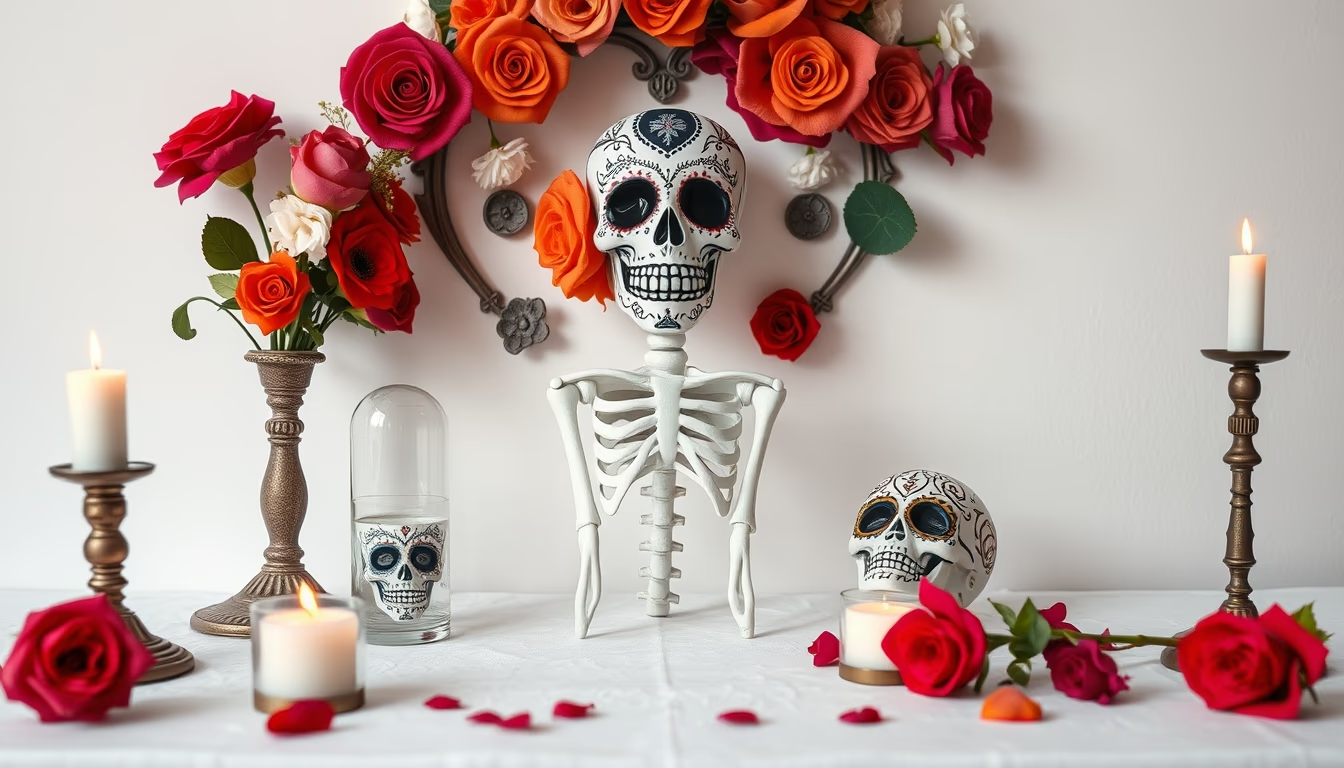
O altar do Dia dos Mortos é uma tradição mexicana que honra os falecidos com oferendas coloridas e elementos simbólicos.
Sobre o tema
O altar do Dia dos Mortos, ou ofrenda, é uma tradição central na cultura mexicana, celebrada em 1 e 2 de novembro. Ele serve para receber as almas dos entes queridos que retornam ao mundo dos vivos durante essas datas. Cada elemento tem um significado específico: as velas guiam o espírito, as flores de cempasúchil (tagetes) marcam o caminho com sua cor e aroma, e o papel picado representa o vento. A água é oferecida para saciar a sede após a longa jornada, e o sal purifica o ambiente.
Os altares geralmente possuem níveis que representam o céu, a terra e o submundo, ou os quatro pontos cardeais. Fotos dos falecidos, objetos pessoais e seus pratos favoritos são colocados para agradar a alma. O pão de morto, um doce típico, simboliza a vida e a morte. A tradição mescla influências pré-hispânicas, como a visão asteca da morte como parte do ciclo natural, e o catolicismo trazido pelos espanhóis, que adaptou as festividades ao calendário cristão.
A UNESCO reconheceu o Dia dos Mortos como Patrimônio Cultural Imaterial da Humanidade em 2008. Embora seja mais associado ao México, variações existem em outros países latino-americanos. Os altares costumam ser montados em casas, cemitérios e espaços públicos, competindo em criatividade. Elementos regionais também aparecem: no sul do México, usam-se frutas tropicais; no centro, vasos de barro e tecidos bordados. A celebração contrasta com o luto ocidental por seu tom festivo, onde a morte é vista como uma continuação da vida.
Perguntas frequentes
O que não pode faltar em um altar do Dia dos Mortos?
Elementos essenciais incluem velas, flores de cempasúchil, papel picado, água, sal, fotos dos falecidos, pão de morto e as comidas favoritas dos entes queridos.
Qual a origem da tradição do altar?
A tradição remonta aos povos pré-hispânicos, como os astecas, que dedicavam oferendas aos mortos. Com a colonização espanhola, elementos católicos foram incorporados, resultando na celebração atual.
O altar do Dia dos Mortos é uma tradição apenas mexicana?
Embora mais conhecida no México, variações ocorrem em países como Guatemala, Honduras e El Salvador, com adaptações locais. Em 2008, a UNESCO declarou a tradição mexicana como Patrimônio Cultural Imaterial.
URL direta
https://pub-c7d6a6ea828543ac903a74a341ccb2e1.r2.dev/imagens/dia-de-los-muertos-altar-commercial-product-photography-fresh18.avifComo creditar
Inclua um link visível de volta pro UtilizAí. Copie um dos snippets abaixo:
<a href="https://xn--utiliza-eza.com/midia/imagens/dia-de-los-muertos-altar-commercial-product-photography-fresh18">Dia de los muertos altar</a> by <a href="https://xn--utiliza-eza.com">UtilizAí</a>, licensed under <a href="https://creativecommons.org/licenses/by/4.0/">CC BY 4.0</a>.
[Dia de los muertos altar](https://xn--utiliza-eza.com/midia/imagens/dia-de-los-muertos-altar-commercial-product-photography-fresh18) by [UtilizAí](https://xn--utiliza-eza.com), CC BY 4.0
Licença: CC-BY-4.0