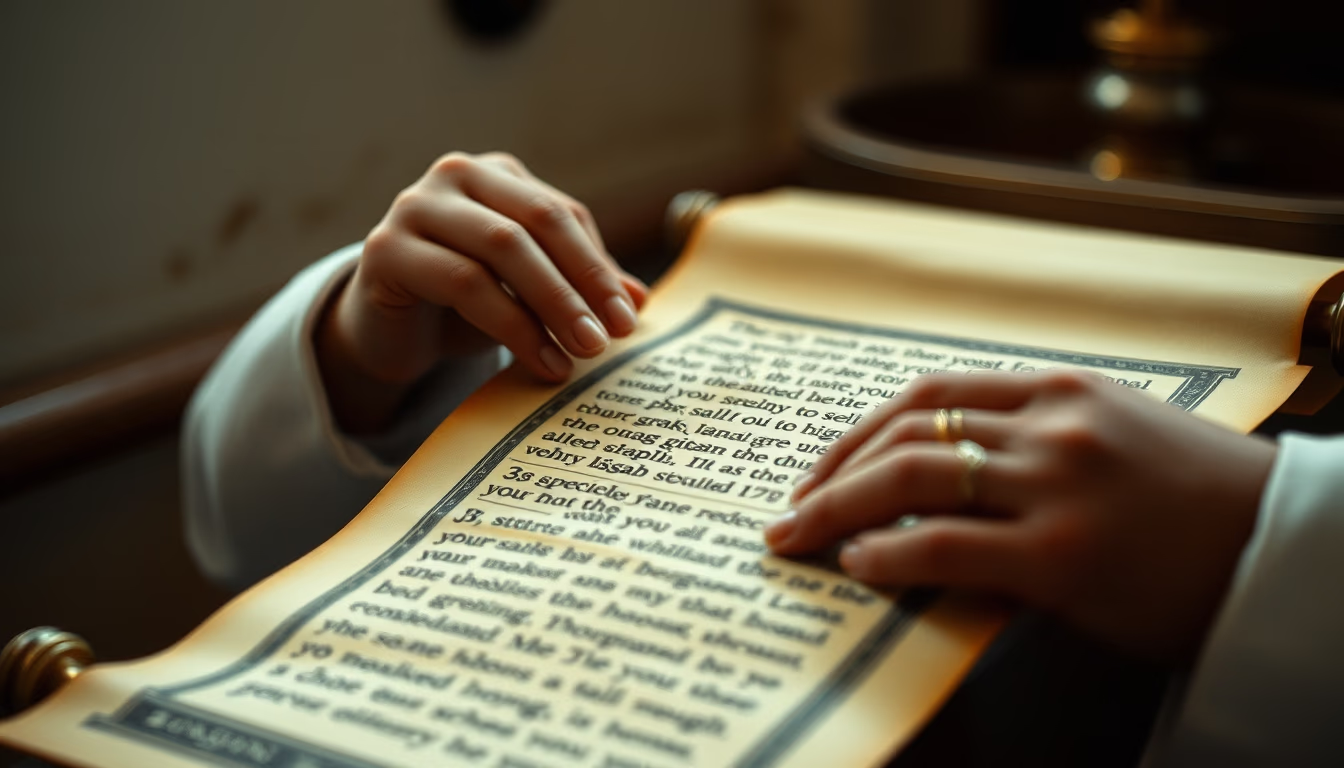
Dead sea scrolls fragment
1344×768 · AVIF · CC BY 4.0
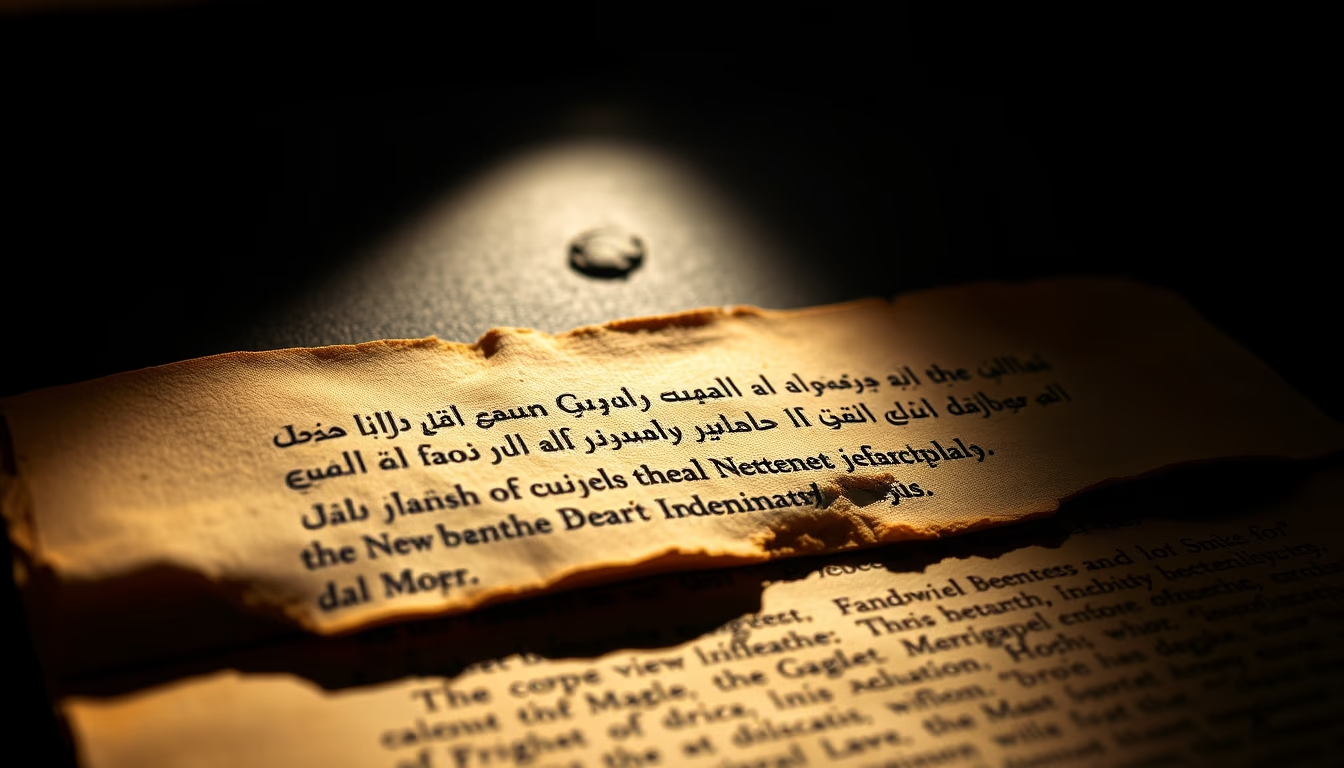
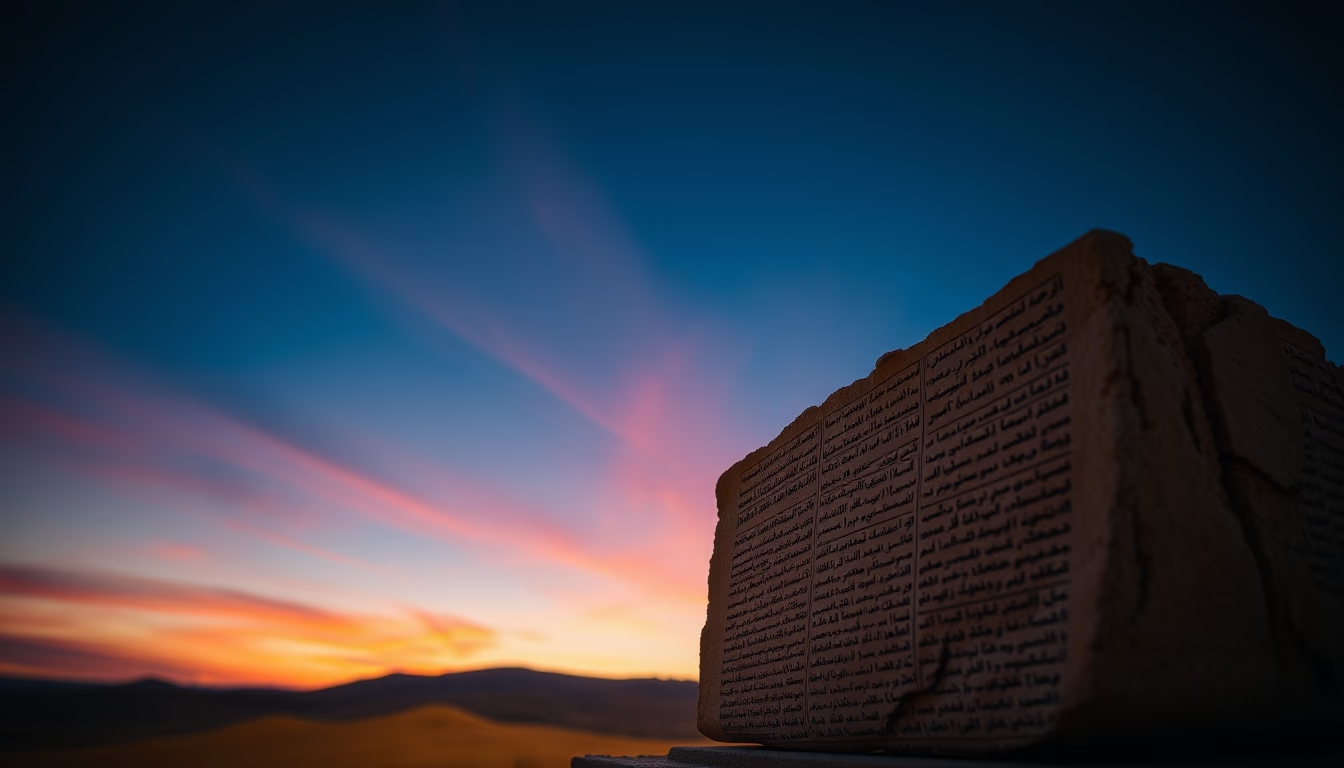
A fragment of the Dead Sea Scrolls, discovered in the caves of Qumran, is one of the oldest surviving biblical manuscripts.
About this subject
The Dead Sea Scrolls are a collection of hundreds of Jewish texts discovered between 1947 and 1956 in caves near the archaeological site of Qumran, in the West Bank, on the shores of the Dead Sea. These parchments, dated from the 3rd century BCE to the 1st century CE, include copies of books from the Tanakh (the Hebrew Bible), as well as sectarian and apocryphal writings. The fragment in question likely belongs to one of these scrolls, preserving portions of a biblical text such as Psalms, Isaiah, or Genesis.
The significance of the Dead Sea Scrolls is immense for archaeology, history, and textual criticism. They are about a thousand years older than previously known Hebrew manuscripts, allowing scholars to compare the transmission of the biblical text over centuries. Most fragments are currently housed in the Shrine of the Book in Jerusalem, part of the Israel Museum.
The discovery of these scrolls sparked controversies and theories, especially regarding the identity of the community that wrote them. The most accepted hypothesis is that they belonged to the Essenes, a Jewish sect that lived in isolation. However, some fragments contain textual differences from later versions of the Bible, fueling academic debates about the fidelity of modern translations.
Interestingly, the arid climate of the Dead Sea and the darkness of the caves helped preserve these fragile materials for over two millennia. Fragments are often studied with modern techniques such as radiocarbon dating and ink analysis for authentication and restoration.
Frequently Asked Questions
How many fragments of the Dead Sea Scrolls exist?
There are about 900 different manuscripts, composed of thousands of fragments. Most were found in 11 caves at Qumran.
Are these fragments authentic?
Yes, the vast majority is considered authentic by experts. Radiocarbon dating and paleographic analysis confirm their antiquity. However, some fragments that appeared after 2002 are suspected of being forgeries.
Do the Dead Sea Scrolls contradict the Bible?
They do not contradict the Bible, but show textual variations that help understand how the biblical text evolved. They confirm the general accuracy of modern translations, with minor differences in spelling and phrasing.
Direct URL
https://pub-c7d6a6ea828543ac903a74a341ccb2e1.r2.dev/imagens/dead-sea-scrolls-fragment-rembrandt-lighting-dramatic-shadows-fresh2.avifHow to credit
Include a visible link back to UtilizAí. Copy one of the snippets below:
<a href="https://xn--utiliza-eza.com/en/midia/imagens/dead-sea-scrolls-fragment-rembrandt-lighting-dramatic-shadows-fresh2">Dead sea scrolls fragment</a> by <a href="https://xn--utiliza-eza.com">UtilizAí</a>, licensed under <a href="https://creativecommons.org/licenses/by/4.0/">CC BY 4.0</a>.
[Dead sea scrolls fragment](https://xn--utiliza-eza.com/en/midia/imagens/dead-sea-scrolls-fragment-rembrandt-lighting-dramatic-shadows-fresh2) by [UtilizAí](https://xn--utiliza-eza.com), CC BY 4.0
License: CC-BY-4.0