Cyberpunk neon city
1344×768 · AVIF · CC BY 4.0

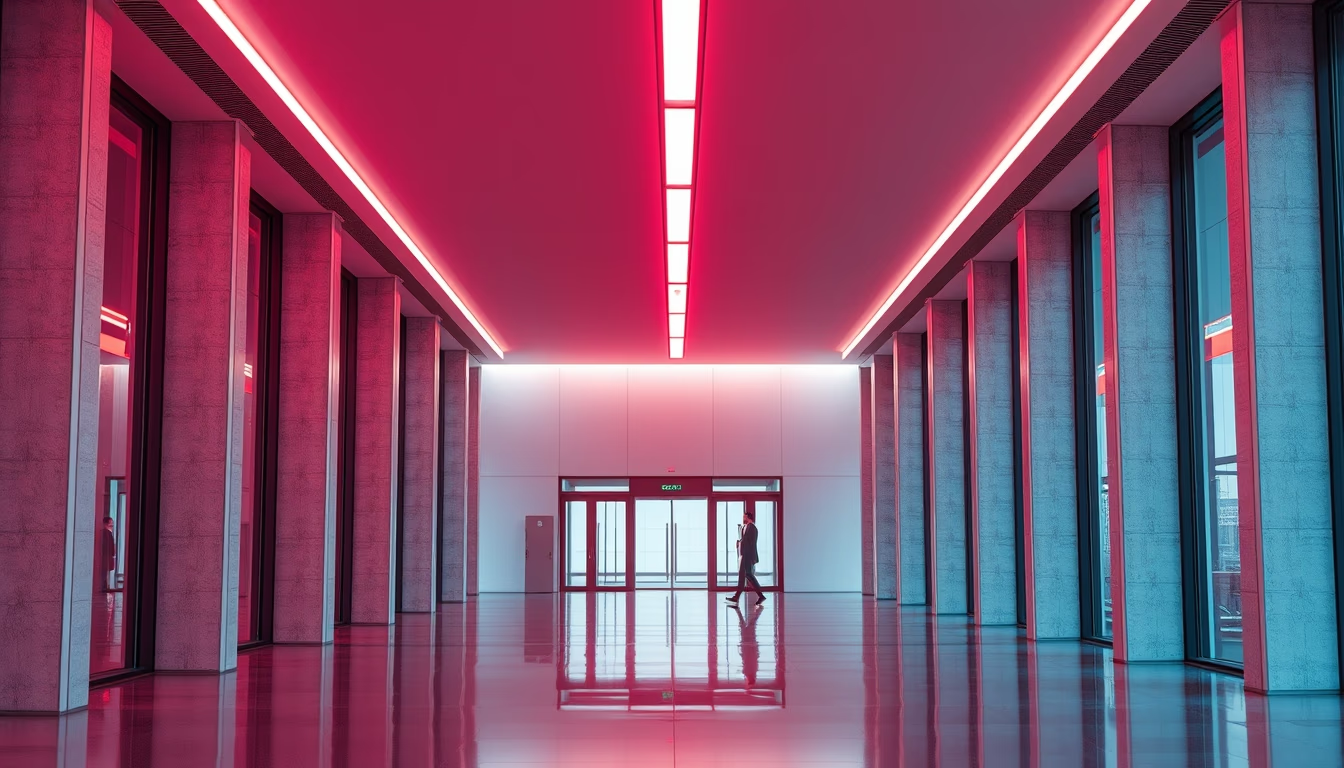
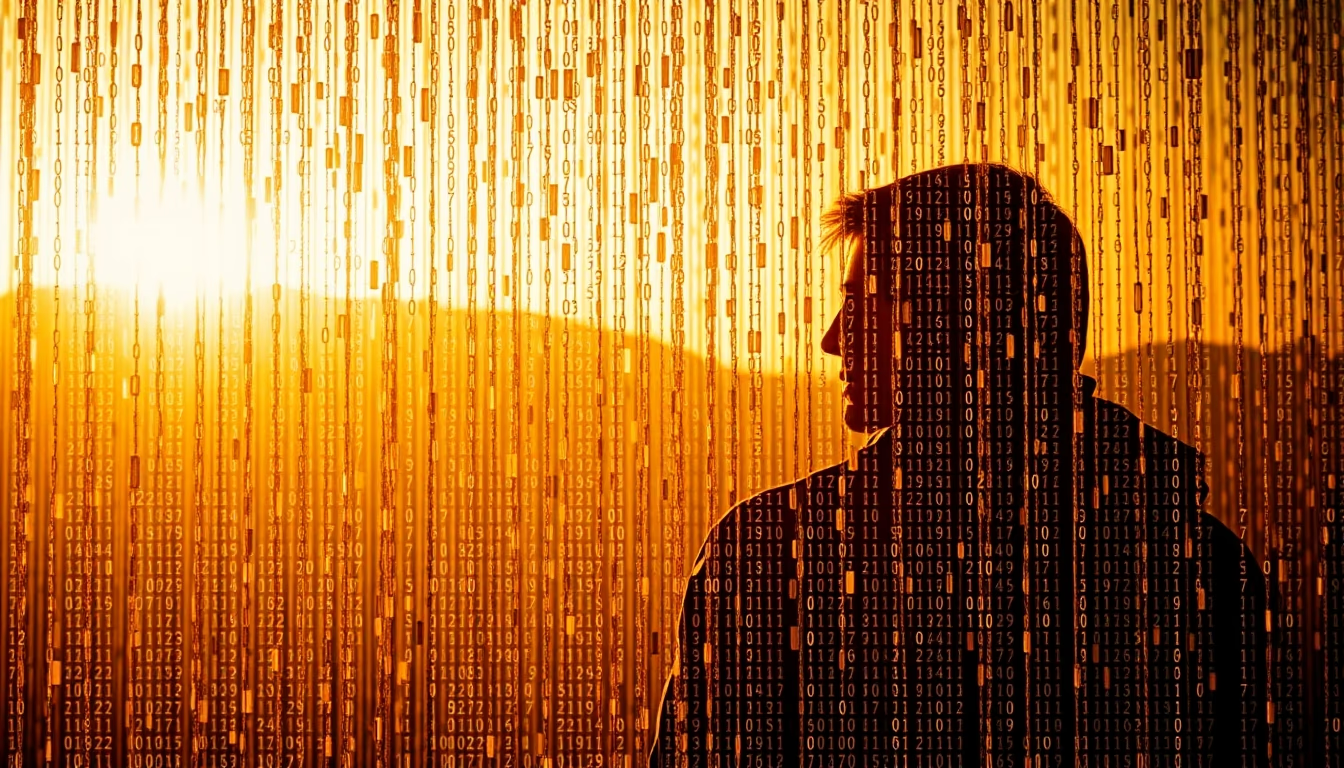
A futuristic metropolis illuminated by neon lights, where high-tech architecture and ubiquitous surveillance define the cyberpunk genre, exploring technology and social control.
About this subject
Cyberpunk emerged in the 1980s as a subgenre of science fiction, depicting dystopian futures where megacorporations hold more power than governments. Cities like Tokyo, Shanghai, and Seoul influenced its visual aesthetic: skyscrapers covered in LED screens, kanji signs, and streets saturated with digital information. This atmosphere represents both technological advancement and social inequality, with outskirts dominated by vertical slums and centers controlled by elites.
In the real world, the proliferation of surveillance cameras, IoT sensors, and facial recognition systems brings our metropolises closer to the cyberpunk scenario. Cities such as Shenzhen, China, already use massive monitoring networks that record every citizen's step. This raises debates about privacy, consent, and the use of personal data, central themes in cybersecurity. Encryption and decentralized networks emerge as tools of resistance, echoing the hackers in cyberpunk novels.
Works like William Gibson's Neuromancer and films like Blade Runner popularized the idea that in a hyperconnected world, information is the most valuable currency. Cyber attacks, data leaks, and mass surveillance are no longer fiction: they are real risks challenging governments and companies. The 'trending-2026' trend points to an increase in attacks on critical infrastructures, such as power grids and transportation systems, exactly the frequent targets in the cyberpunk imaginary.
Frequently Asked Questions
What characterizes a cyberpunk city?
Cyberpunk cities blend high technology with social decay, featuring neon-covered skyscrapers, constant surveillance, powerful megacorporations, and a population divided between elite and marginalized groups.
How does cybersecurity relate to the cyberpunk setting?
In cyberpunk, hackers and corporations compete for data in a mass surveillance environment. In reality, this reflects threats like identity theft, digital espionage, and attacks on critical infrastructures.
What are the real risks of mass surveillance?
Mass surveillance can lead to social control, loss of privacy, and abuse of power. Systems like facial recognition and biometric data collection are used by governments and companies, requiring regulation and transparency.
Direct URL
https://pub-c7d6a6ea828543ac903a74a341ccb2e1.r2.dev/imagens/cyberpunk-neon-city-film-grain-authentic-p2.avifHow to credit
Include a visible link back to UtilizAí. Copy one of the snippets below:
<a href="https://xn--utiliza-eza.com/en/midia/imagens/cyberpunk-neon-city-film-grain-authentic-p2">Cyberpunk neon city</a> by <a href="https://xn--utiliza-eza.com">UtilizAí</a>, licensed under <a href="https://creativecommons.org/licenses/by/4.0/">CC BY 4.0</a>.
[Cyberpunk neon city](https://xn--utiliza-eza.com/en/midia/imagens/cyberpunk-neon-city-film-grain-authentic-p2) by [UtilizAí](https://xn--utiliza-eza.com), CC BY 4.0
License: CC-BY-4.0