Currency notes from around the world
1344×768 · AVIF · CC BY 4.0
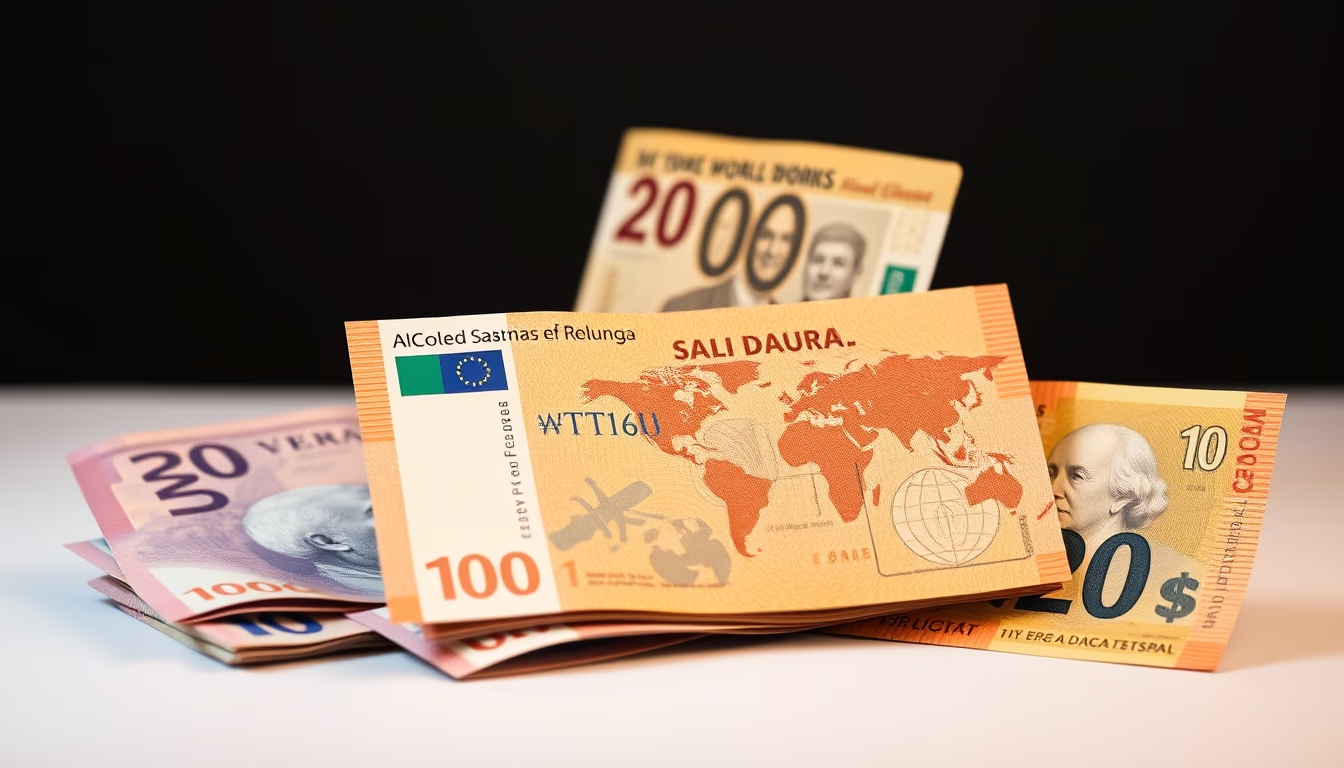
Banknotes from different countries reveal global cultural and economic diversity, with designs ranging from historical figures to natural elements.
About this subject
Banknotes are more than a medium of exchange; they represent national identity and history. In Brazil, real notes showcase native fauna like the macaw and maned wolf, while US greenbacks feature portraits of presidents. Switzerland, for instance, prints innovative vertical notes highlighting themes like time and the human hand. Each country adopts elements reflecting its culture, from famous monuments to important personalities.
The production of banknotes involves advanced anti-counterfeiting technology. Watermarks, security threads, and color-shifting inks are common. The euro, used by 19 EU countries, features windows and gates as symbols of openness, while the Japanese yen uses traditional washi paper and high-precision printing. The history of notes is rich: the first Western banknote was issued in Sweden in 1661, but China used paper money centuries earlier.
Interestingly, some notes are famous for their artistic design. The Swiss 1000-franc note, considered one of the world's most beautiful, depicts a DNA strand and a globe. The 500-euro note, though controversial for its high value, illustrates modern architecture. Countries like New Zealand and Canada use polymer, a more durable and sustainable material than paper. Collecting banknotes is a popular hobby, and many travelers keep notes as souvenirs.
Frequently Asked Questions
What is the world's most beautiful banknote?
The Swiss 1000-franc note is often considered the most beautiful, with a vertical design featuring DNA and a globe. Other contenders include the 500-euro note and the Canadian 50-dollar note.
How are banknotes protected against counterfeiting?
Modern banknotes use watermarks, security threads, color-shifting inks, microprinting, and tactile features. Polymer notes, like those in Canada, include transparent windows.
Which country first used paper money?
China was the first, during the Tang dynasty (7th century), though widespread use came in the Song dynasty. In the West, Sweden issued the first banknote in 1661.
Direct URL
https://pub-c7d6a6ea828543ac903a74a341ccb2e1.r2.dev/imagens/currency-notes-from-around-the-world-commercial-product-photography-v9.avifHow to credit
Include a visible link back to UtilizAí. Copy one of the snippets below:
<a href="https://xn--utiliza-eza.com/en/midia/imagens/currency-notes-from-around-the-world-commercial-product-photography-v9">Currency notes from around the world</a> by <a href="https://xn--utiliza-eza.com">UtilizAí</a>, licensed under <a href="https://creativecommons.org/licenses/by/4.0/">CC BY 4.0</a>.
[Currency notes from around the world](https://xn--utiliza-eza.com/en/midia/imagens/currency-notes-from-around-the-world-commercial-product-photography-v9) by [UtilizAí](https://xn--utiliza-eza.com), CC BY 4.0
License: CC-BY-4.0