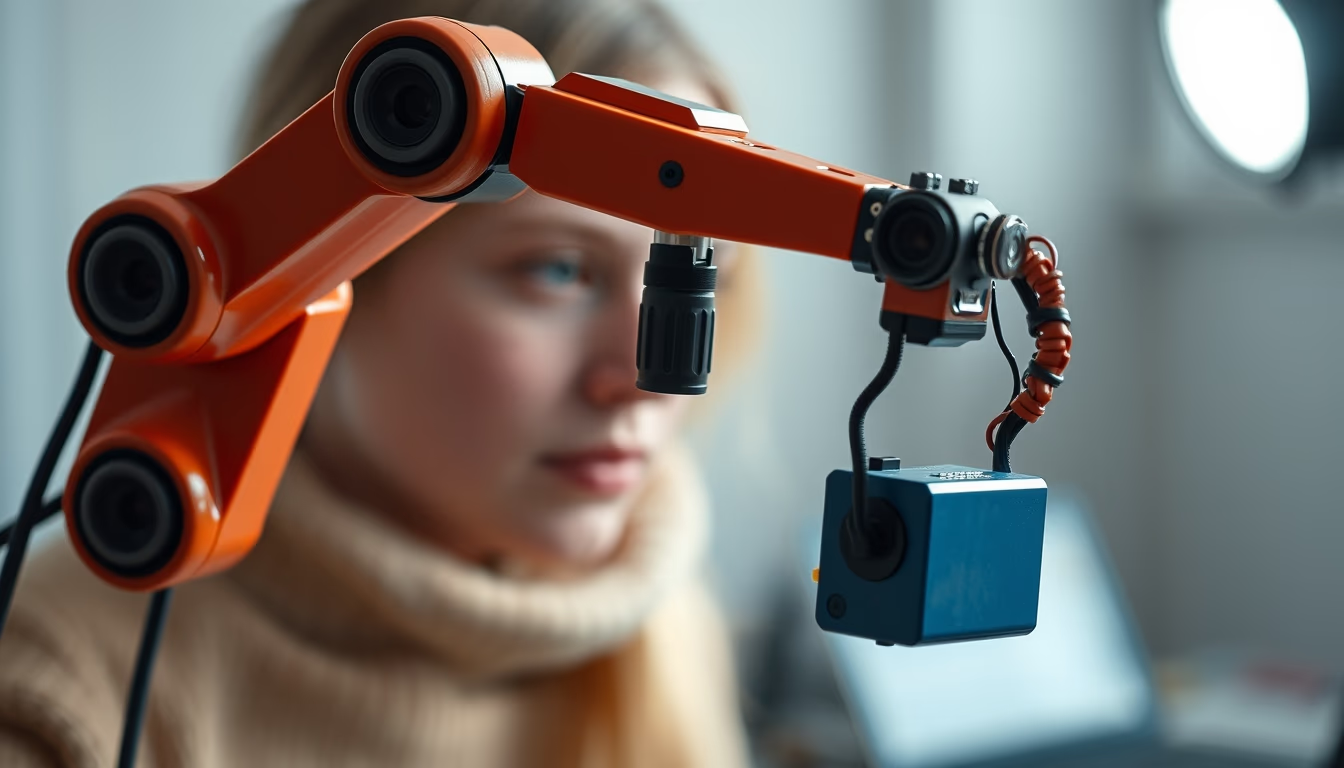
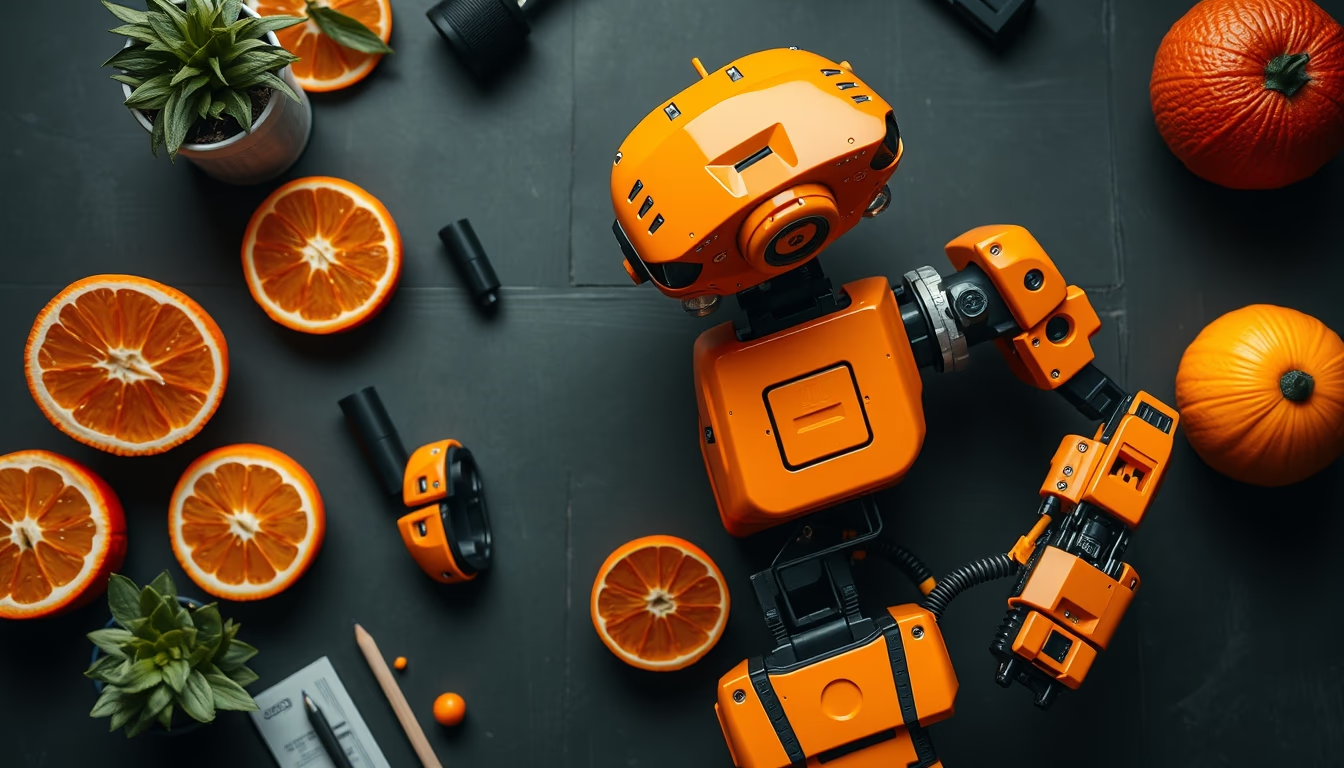
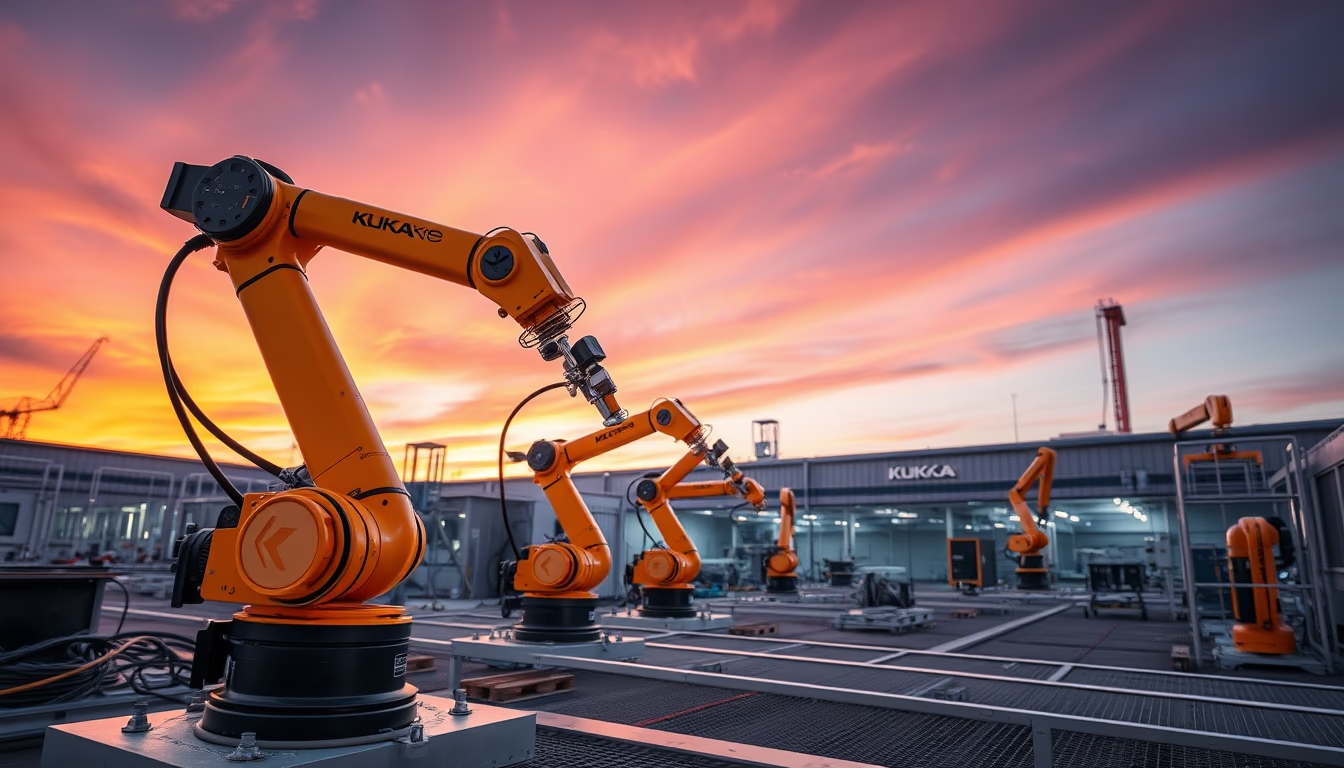
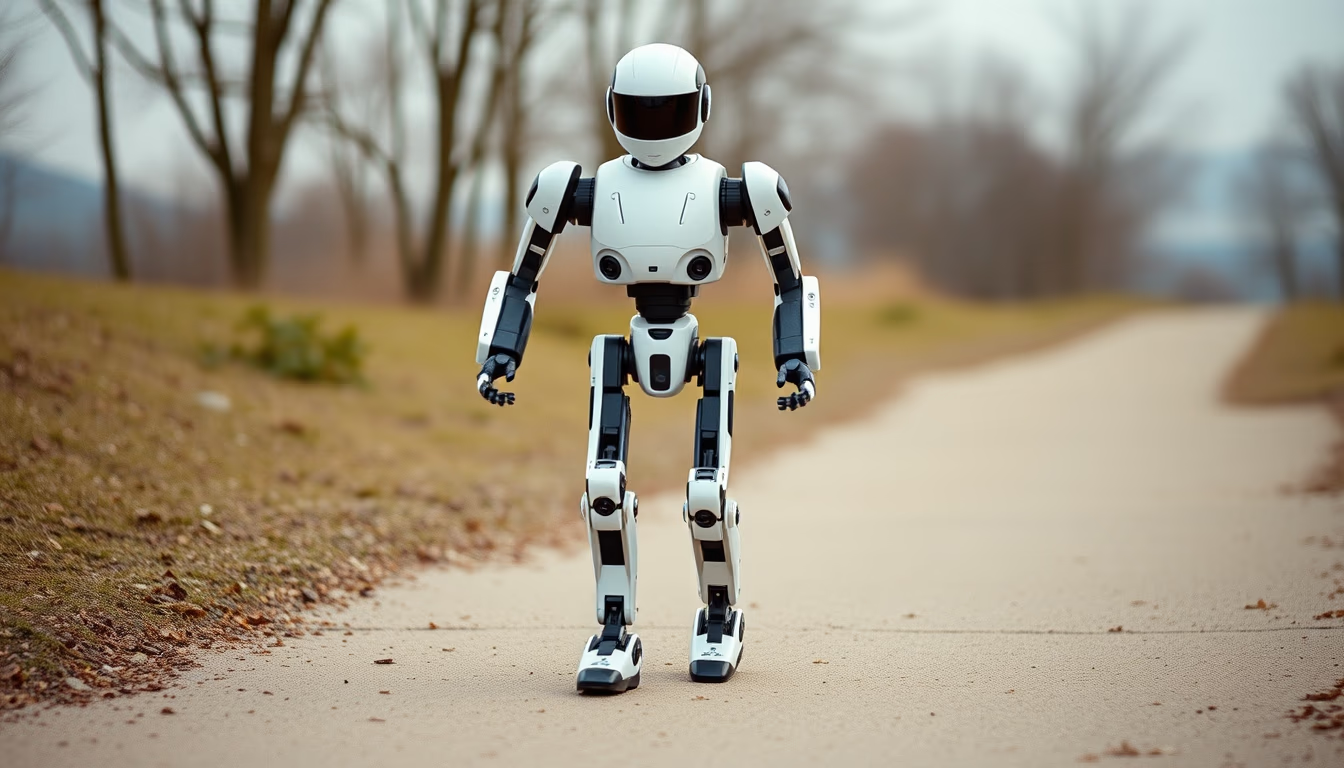
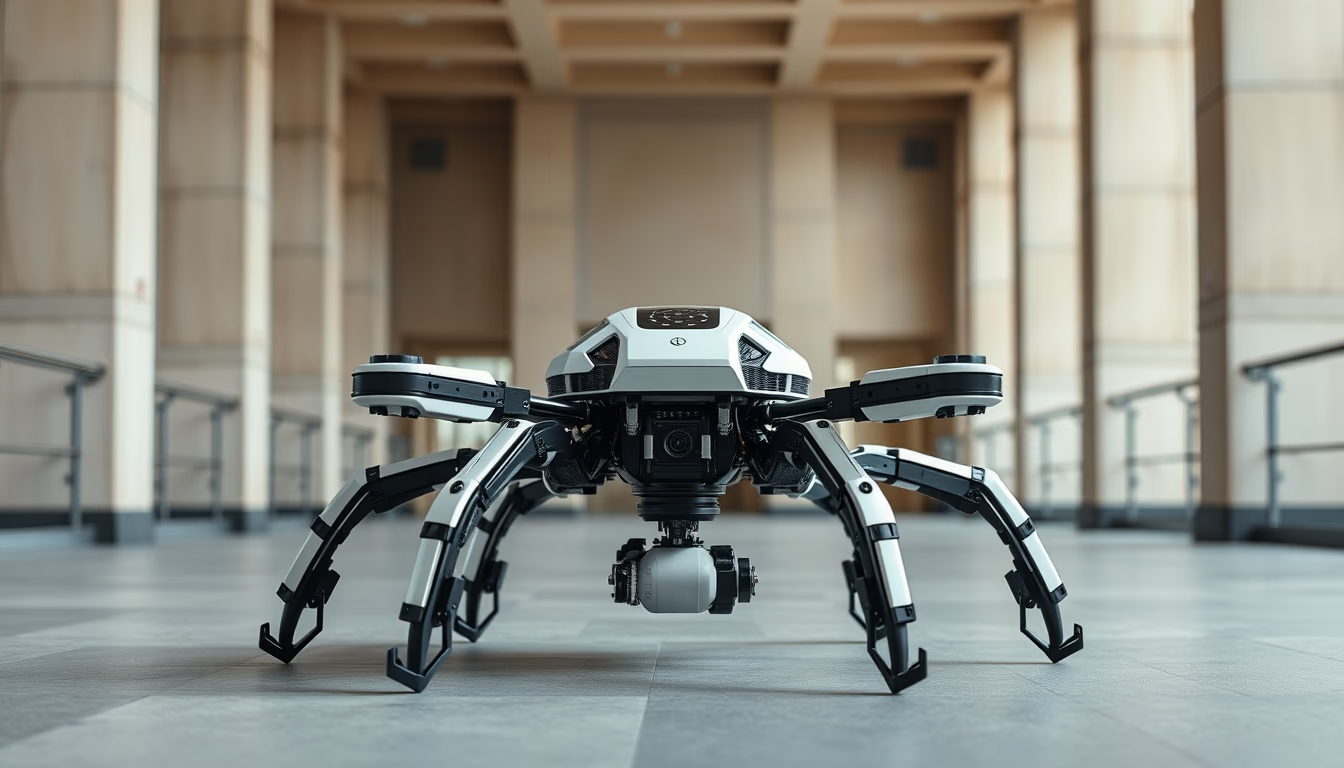
Collaborative robot cobot
1344×768 · AVIF · CC BY 4.0
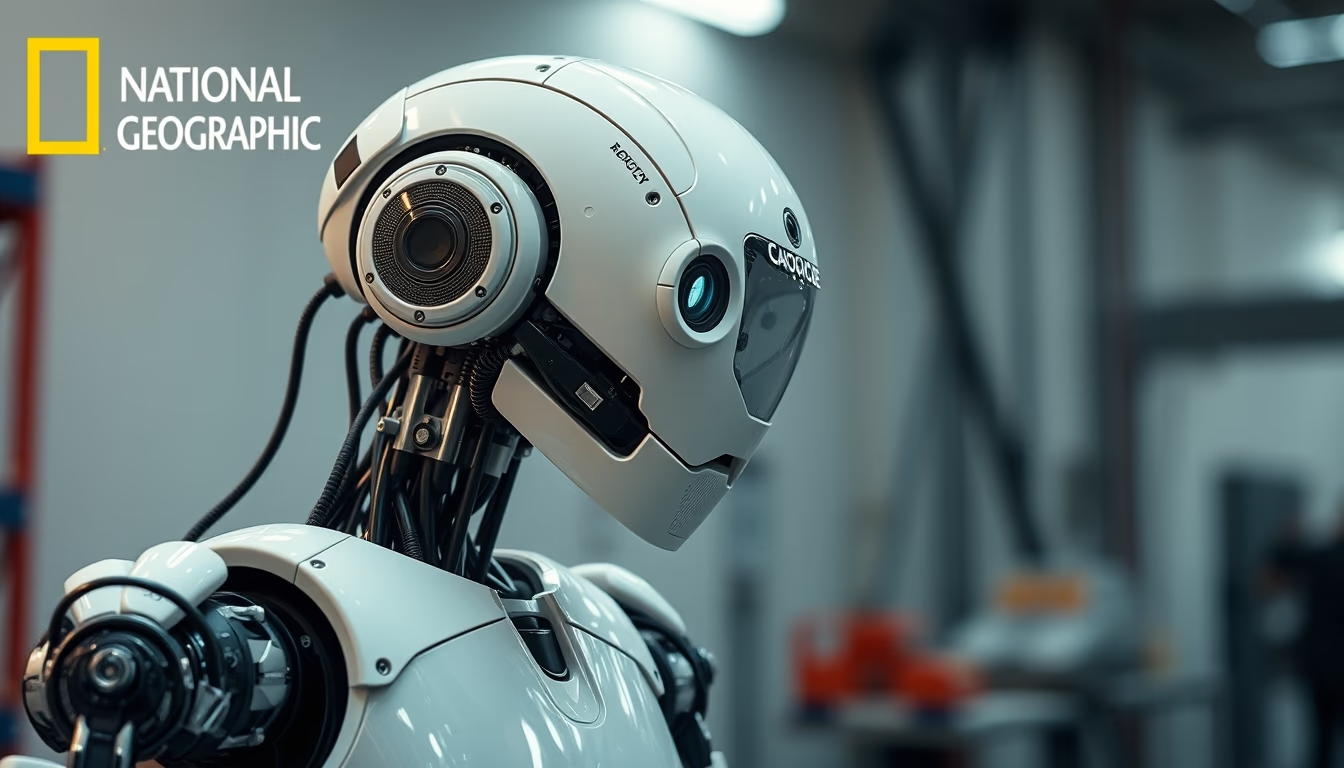
Cobots, collaborative robots designed to work alongside humans, are revolutionizing industrial automation with safety and flexibility.
About this subject
Collaborative robots, or cobots, represent a significant evolution in industrial automation. Unlike traditional robots, which operate isolated in safety cages, cobots are designed to interact directly with humans in shared workspaces. This feature is made possible by advanced sensors, such as torque limiters and collision detection, which ensure immediate equipment stop upon any contact.
The concept of collaborative robotics gained momentum in the 2000s, with companies like Universal Robots (Denmark) and Rethink Robotics (USA) popularizing the model. Today, cobots are employed in a wide range of sectors: from electronic component assembly and food packaging to quality inspection and material handling tasks. Their flexibility allows quick reprogramming for different functions, making them ideal for small-batch production lines.
One of cobots' differentiators is ease of programming, often done by operators without deep robotics knowledge, through intuitive interfaces or learning by demonstration. Additionally, acquisition and installation costs are lower than conventional industrial robots, democratizing automation for small and medium-sized enterprises. The global cobot market is estimated to grow at over 20% annually, driven by Industry 4.0 and the need for agile production.
From a social perspective, cobots do not replace jobs but increase productivity and reduce workers' exposure to repetitive or hazardous tasks. Instead of eliminating positions, they demand professional requalification, strengthening the human role as supervisor and problem solver. This symbiotic relationship between man and machine is key to the future of smart manufacturing.
Frequently Asked Questions
What is the difference between a collaborative robot and a traditional industrial robot?
Traditional industrial robots operate isolated in safety cages and perform high-speed, precise tasks but pose danger to humans. Cobots, on the other hand, are designed to work in direct contact with people, with sensors that detect collisions and limit forces, ensuring inherent safety.
Are cobots safe to work with humans?
Yes, cobots comply with strict safety standards such as ISO 10218-1 and ISO/TS 15066. They incorporate features like power limitation, speed monitoring, and emergency stop, making them safe for real-time cooperation with operators.
Which sectors most commonly use cobots?
Cobots are widely used in manufacturing (assembly, packaging, inspection), logistics (picking and palletizing), food industry, pharmaceuticals, and electronics. They are also gaining ground in small businesses due to low cost and ease of integration.
Direct URL
https://pub-c7d6a6ea828543ac903a74a341ccb2e1.r2.dev/imagens/collaborative-robot-cobot-national-geographic-style-p1.avifHow to credit
Include a visible link back to UtilizAí. Copy one of the snippets below:
<a href="https://xn--utiliza-eza.com/en/midia/imagens/collaborative-robot-cobot-national-geographic-style-p1">Collaborative robot cobot</a> by <a href="https://xn--utiliza-eza.com">UtilizAí</a>, licensed under <a href="https://creativecommons.org/licenses/by/4.0/">CC BY 4.0</a>.
[Collaborative robot cobot](https://xn--utiliza-eza.com/en/midia/imagens/collaborative-robot-cobot-national-geographic-style-p1) by [UtilizAí](https://xn--utiliza-eza.com), CC BY 4.0
License: CC-BY-4.0