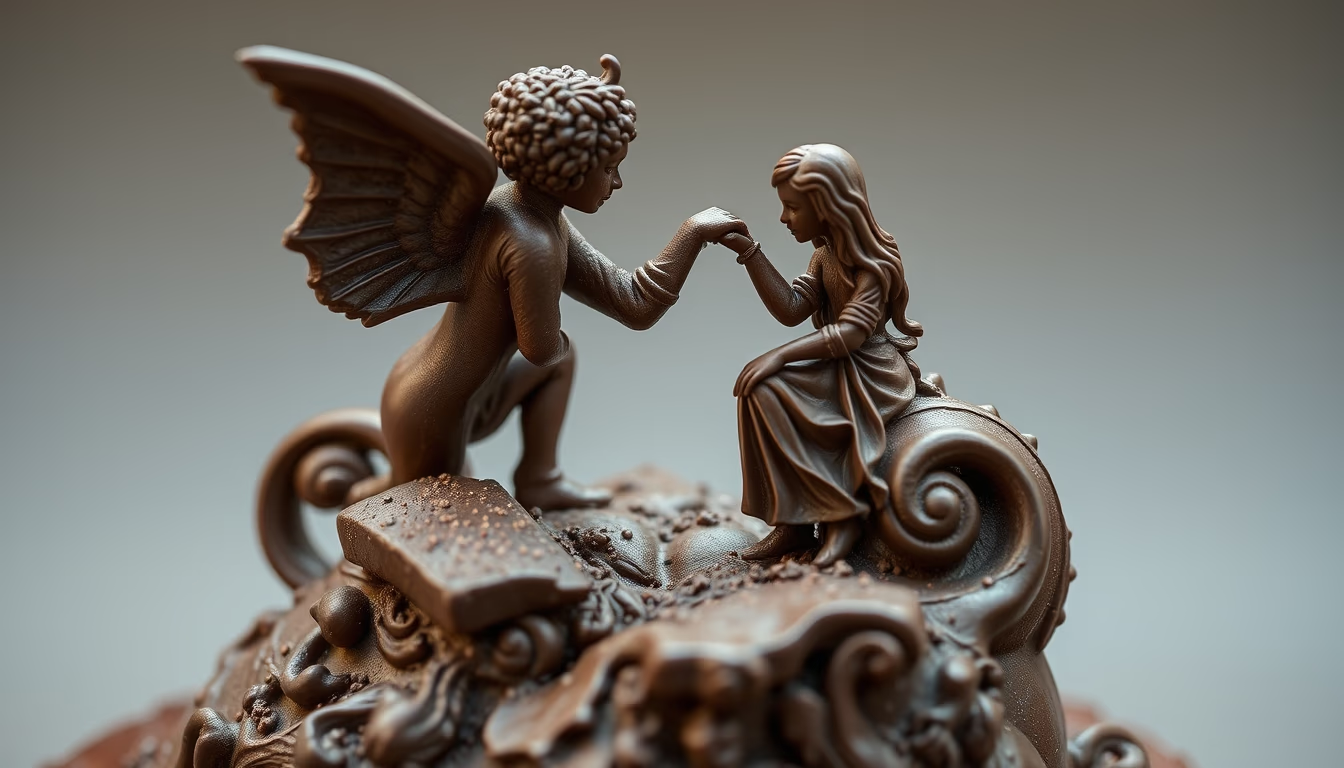
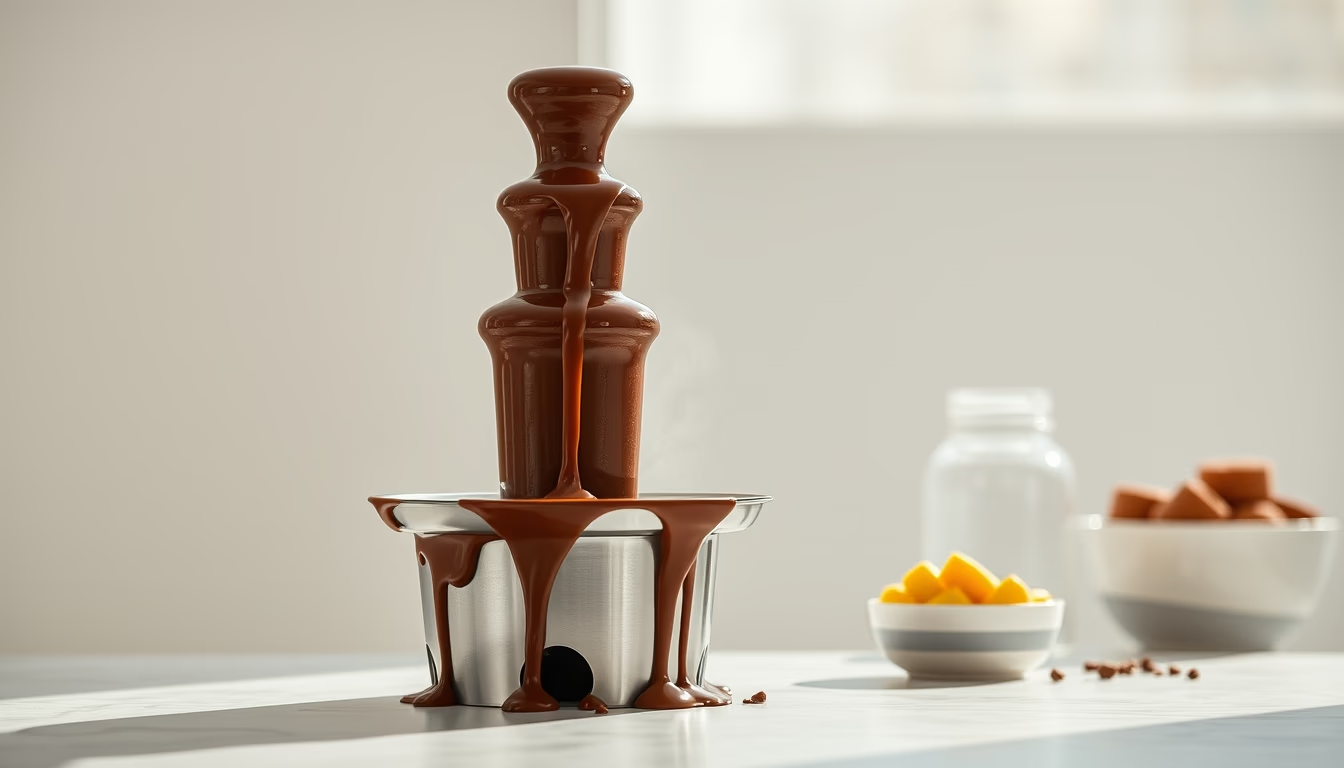
Chocolate sculpture intricate
1344×768 · AVIF · CC BY 4.0
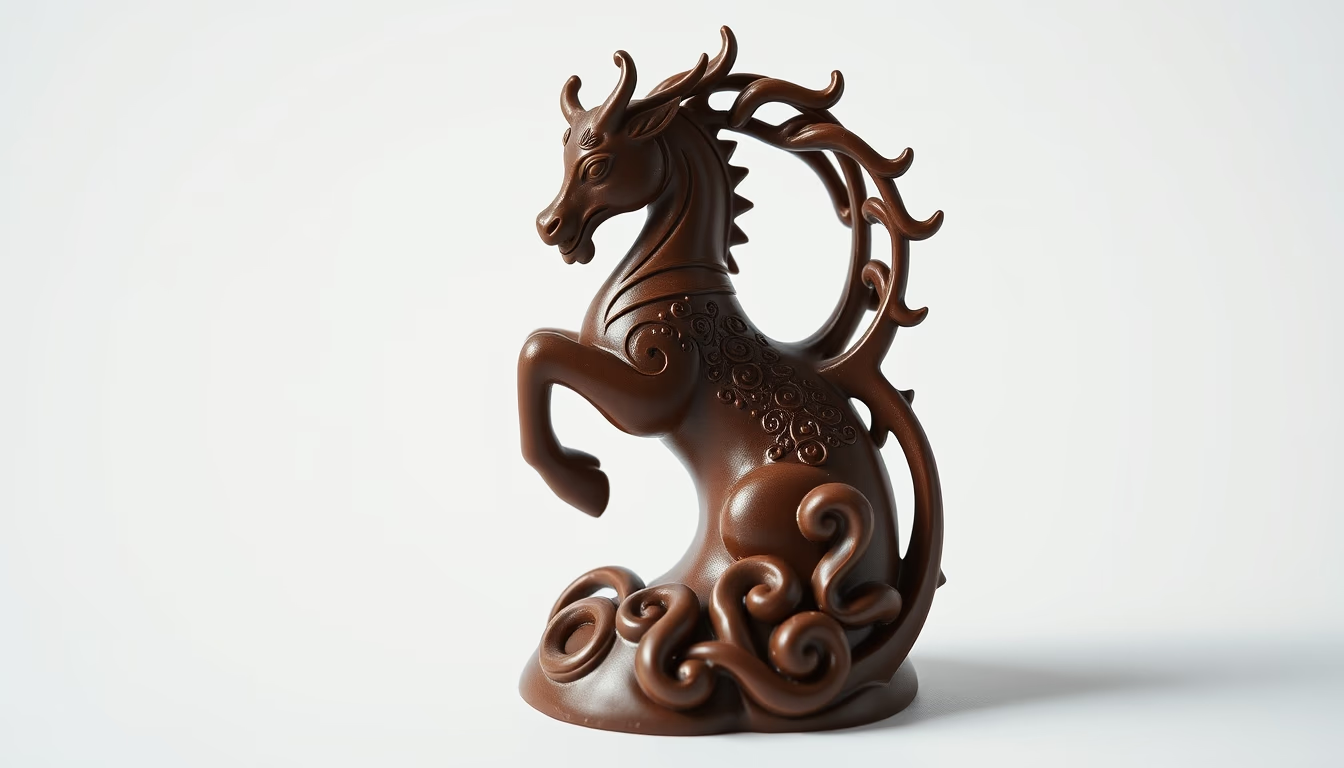
Chocolate sculptures combine culinary art and engineering, requiring precise temperature control and high-quality ingredients.
About this subject
The tradition of chocolate sculpture dates back to the 17th century, when European confectioners created decorative pieces for royal banquets. Today, it has evolved into a globally recognized art form, with competitions such as the World Chocolate Masters and the Salon du Chocolat. Sculptures range from abstract shapes to detailed replicas of landmarks, requiring technical skill and creativity.
Technique begins with tempering chocolate, a process that stabilizes cocoa butter and ensures gloss and snap. Couverture chocolate, with at least 31% cocoa butter, is preferred. After tempering, chocolate is cast into blocks or sheets, carved with heated tools, and assembled using melted chocolate as glue. Hand modeling allows intricate details like feathers, scales, and lace, which demand a controlled environment (20-22°C) to prevent melting.
Chocolate sculptures have strong commercial and cultural appeal. They are used in confectionery displays, corporate events, weddings, and seasonal holidays like Easter and Christmas. In 2019, the world's largest chocolate sculpture, a 10,000 kg castle, was exhibited in Italy. In Brazil, the use of native cocoa, especially from the Amazon region, highlights local production and yields chocolates with unique sensory profiles, such as the fruity and earthy notes found in cocoa from Bahia and Pará.
Frequently Asked Questions
How long does a chocolate sculpture last?
It depends on the environment, but under ideal conditions (18-22°C, humidity below 60%) it can last months. Exposure to heat, light, and humidity accelerates spoilage.
What type of chocolate is best for sculpting?
Couverture chocolate, with high cocoa butter content (above 31%), is ideal for its fluidity and stability. White, milk, and dark chocolates can be used, each with specific melting points.
Can a chocolate sculpture be eaten?
Yes, if made with food-grade ingredients. The sculptures are edible, but often contain non-edible internal supports (like wire or aluminum foil) that must be removed before eating.
Direct URL
https://pub-c7d6a6ea828543ac903a74a341ccb2e1.r2.dev/imagens/chocolate-sculpture-intricate-commercial-product-photography-fresh17.avifHow to credit
Include a visible link back to UtilizAí. Copy one of the snippets below:
<a href="https://xn--utiliza-eza.com/en/midia/imagens/chocolate-sculpture-intricate-commercial-product-photography-fresh17">Chocolate sculpture intricate</a> by <a href="https://xn--utiliza-eza.com">UtilizAí</a>, licensed under <a href="https://creativecommons.org/licenses/by/4.0/">CC BY 4.0</a>.
[Chocolate sculpture intricate](https://xn--utiliza-eza.com/en/midia/imagens/chocolate-sculpture-intricate-commercial-product-photography-fresh17) by [UtilizAí](https://xn--utiliza-eza.com), CC BY 4.0
License: CC-BY-4.0