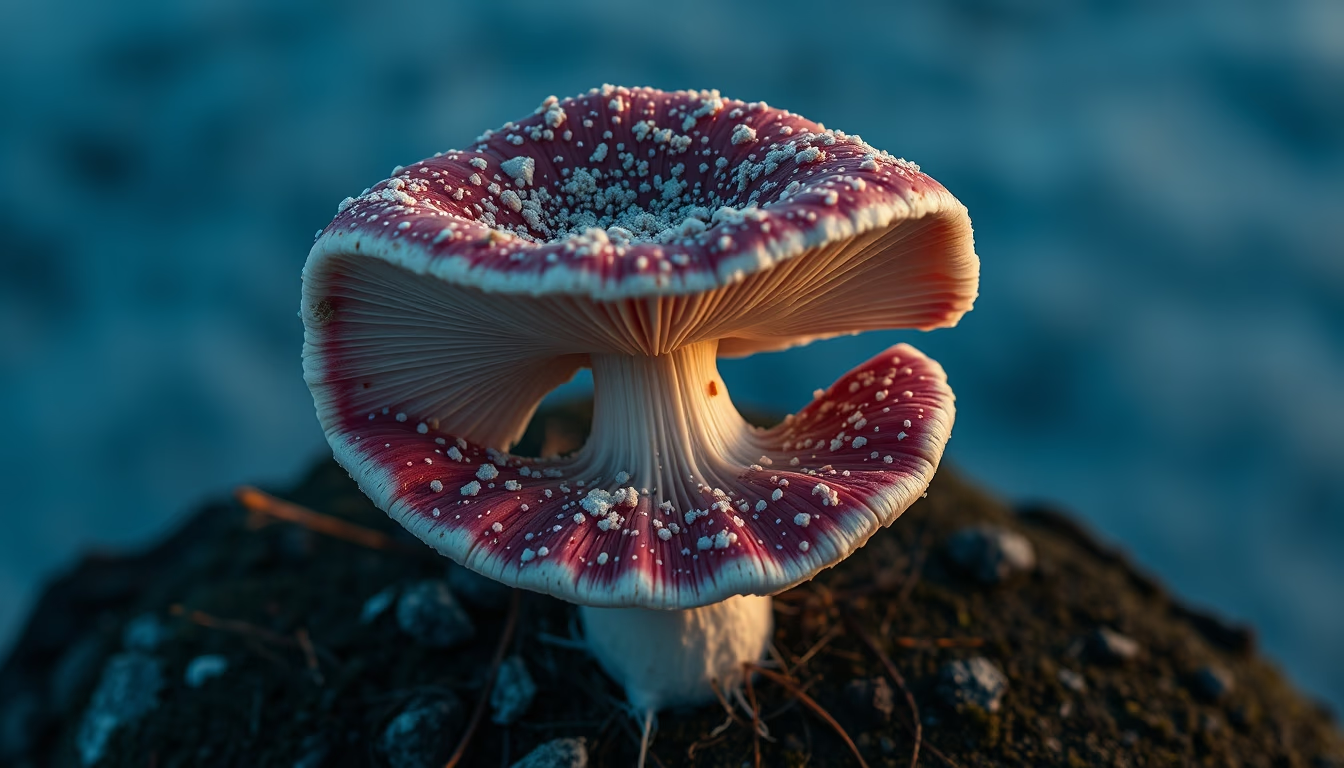
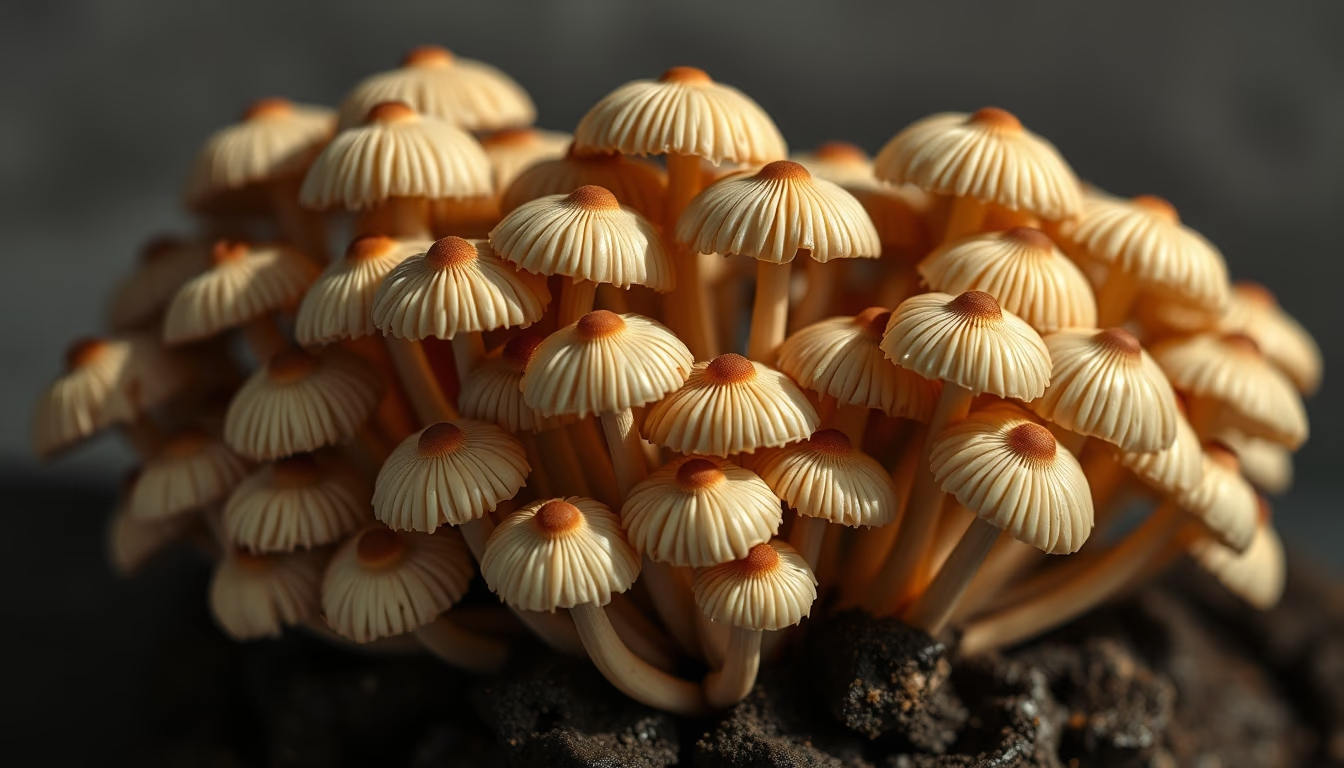
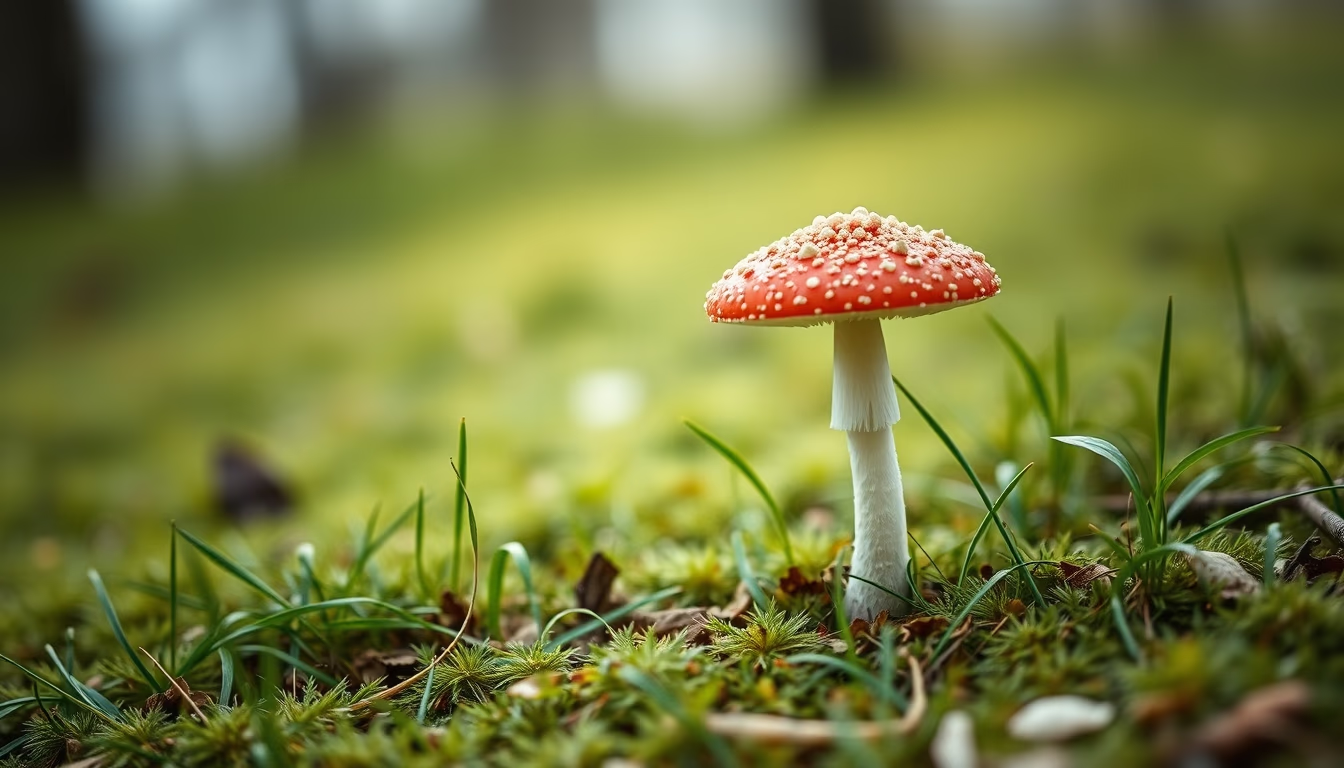
Chanterelle yellow forest
1344×768 · AVIF · CC BY 4.0
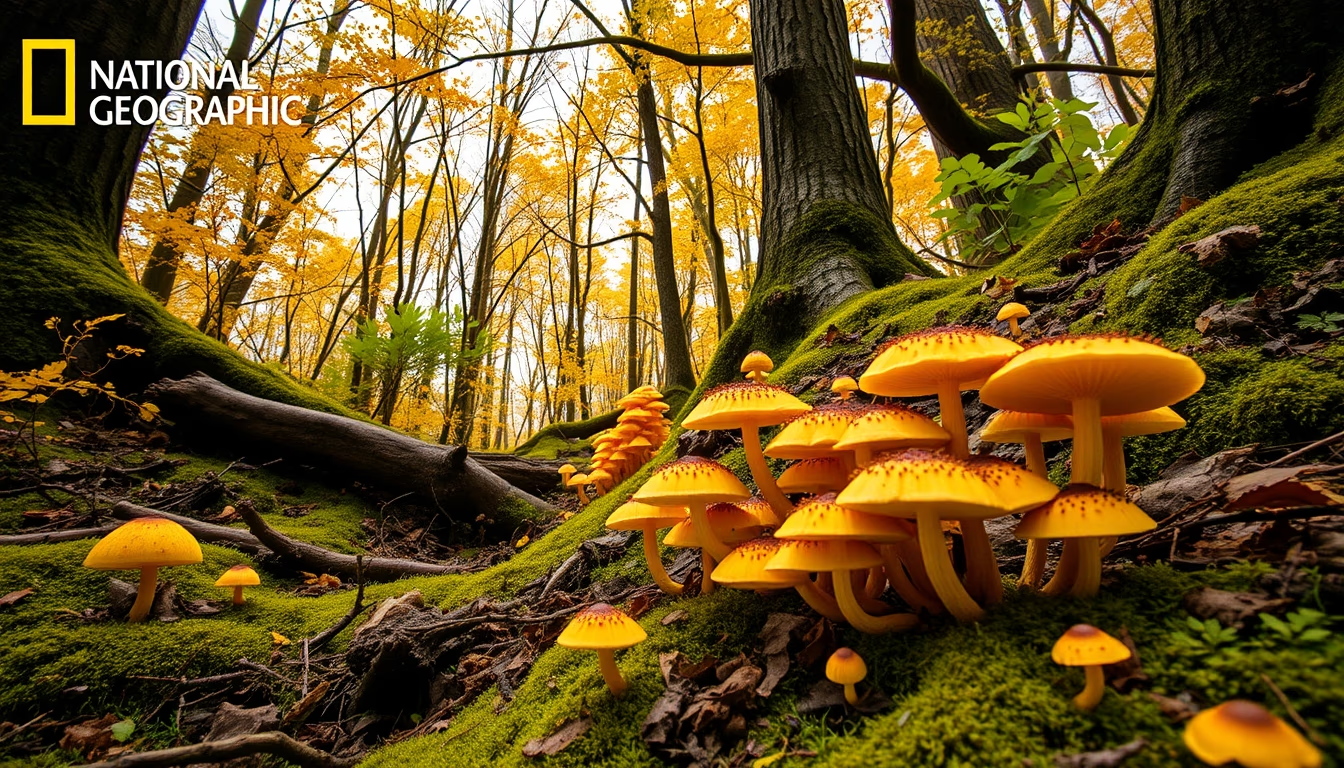
The golden chanterelle (Cantharellus cibarius) is a highly prized edible mushroom found in temperate forests across the Northern Hemisphere.
About this subject
The golden chanterelle (Cantharellus cibarius) is one of the world's most prized wild mushrooms. Its vibrant yellow-to-orange color, fruity aroma reminiscent of apricots, and slightly peppery taste make it a favorite among chefs and foragers. Unlike many mushrooms, chanterelles have false gills, blunt, forked ridges that run down the stem, which help distinguish them from toxic lookalikes.
These fungi form mycorrhizal relationships with trees such as oaks, pines, and birches, typically growing in acidic, mossy soils of old-growth forests. The harvest season runs from summer to fall, but depends on rainfall and temperature. In Europe, chanterelles are especially popular in France, Germany, and Switzerland, where they have been collected for centuries and sold in local markets. In North America, they are found from the Pacific Northwest to the East Coast.
Interestingly, chanterelles are rich in vitamins C, D, and B-complex, as well as minerals like potassium and iron. They also contain beta-glucans, compounds that boost the immune system. However, they should be cooked before consumption, as raw chanterelles can cause digestive discomfort. Because they are mycorrhizal, large-scale cultivation remains challenging, so most chanterelles are wild-harvested, contributing to their high price.
Correct identification is vital, as false chanterelles (e.g., Hygrophoropsis aurantiaca) can cause poisoning. True chanterelles have blunt, forked ridges, while false ones have thin, sharp gills. The true chanterelle also has a fruity scent, whereas the false one smells earthy. Despite their popularity, chanterelles face threats from habitat loss and over-harvesting, leading to protection in some regions.
Frequently Asked Questions
Can golden chanterelles be cultivated at home?
It is difficult because chanterelles are mycorrhizal fungi that require a symbiotic relationship with living tree roots. Commercial kits exist but success rates are low; wild harvesting remains the primary source.
How can I tell a true chanterelle from a false one?
True chanterelles have blunt, forked ridges (false gills) and a fruity scent. False chanterelles (e.g., Hygrophoropsis aurantiaca) have thin, sharp gills and an earthy odor. True chanterelles are yellow-orange, while false ones are often brighter orange.
Are golden chanterelles safe to eat?
Yes, they are safe and widely eaten. They should be cooked to avoid digestive upset. People with mushroom allergies should avoid them. Proper identification is essential to avoid toxic lookalikes.
Direct URL
https://pub-c7d6a6ea828543ac903a74a341ccb2e1.r2.dev/imagens/chanterelle-yellow-forest-national-geographic-style-p2.avifHow to credit
Include a visible link back to UtilizAí. Copy one of the snippets below:
<a href="https://xn--utiliza-eza.com/en/midia/imagens/chanterelle-yellow-forest-national-geographic-style-p2">Chanterelle yellow forest</a> by <a href="https://xn--utiliza-eza.com">UtilizAí</a>, licensed under <a href="https://creativecommons.org/licenses/by/4.0/">CC BY 4.0</a>.
[Chanterelle yellow forest](https://xn--utiliza-eza.com/en/midia/imagens/chanterelle-yellow-forest-national-geographic-style-p2) by [UtilizAí](https://xn--utiliza-eza.com), CC BY 4.0
License: CC-BY-4.0