Cabana beach overwater
1344×768 · AVIF · CC BY 4.0
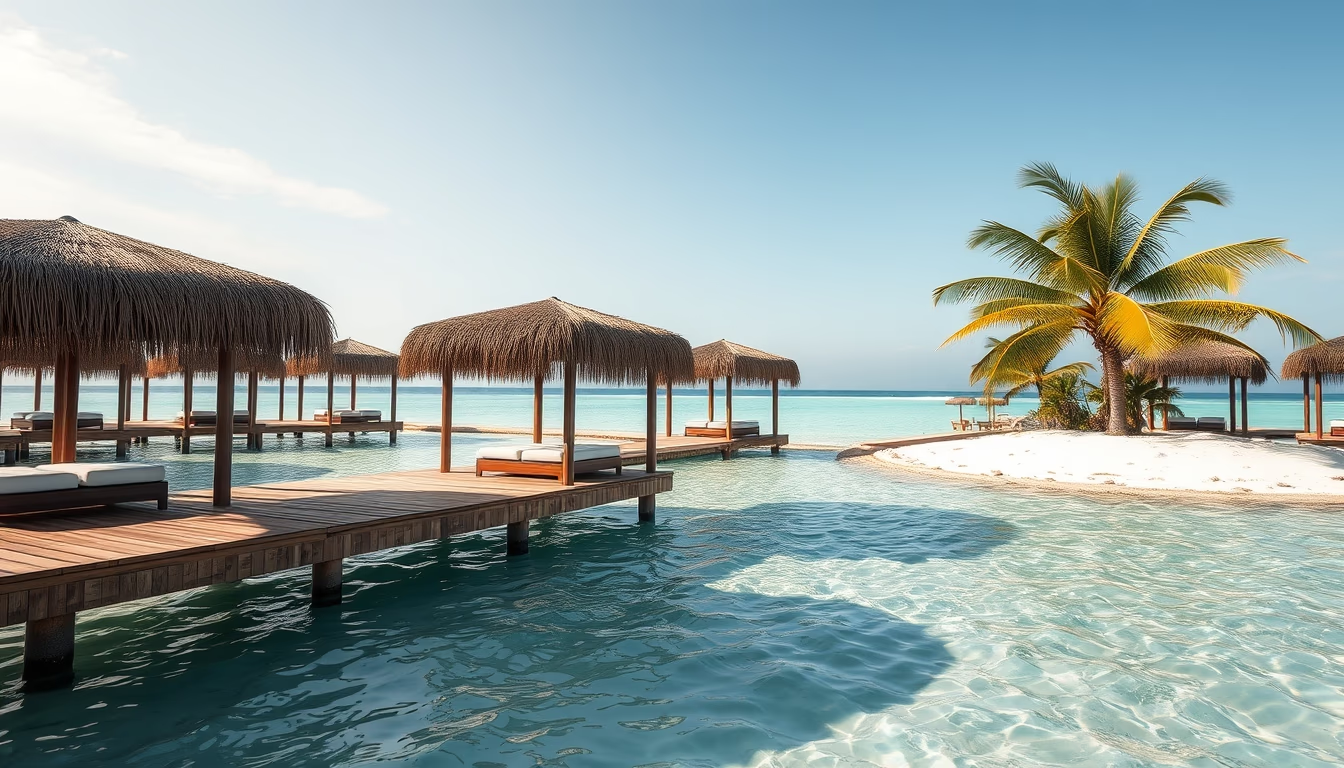
Overwater cabanas are luxury structures that blend natural beauty and engineering, offering a unique experience in paradisiacal destinations around the world.
About this subject
Overwater cabanas, also known as overwater bungalows, are structures built on stilts over calm bodies of water such as lagoons and reefs. They have become symbols of luxury tourism, especially in destinations like the Maldives, Bora Bora, and the Philippines. The first overwater bungalow was built at the Hotel Bora Bora in 1967, revolutionizing tropical hospitality. Since then, the concept has spread globally, with variations including thatched roofs, private decks, and glass floors for marine life observation.
In Brazil, although less common, examples exist in places like Fernando de Noronha and the Discovery Coast, adapted to local conditions. Construction of these cabanas requires specialized engineering to withstand waves and currents, along with environmental measures to avoid damaging coral reefs. Many resorts use sustainable materials and wastewater treatment systems to minimize impact.
The popularity of overwater cabanas skyrocketed in the Instagram age, making them one of the most photographed settings in the world. They represent not just a type of accommodation but an aspirational lifestyle associated with privacy, romance, and direct ocean contact. In regions like Southeast Asia, there are also budget-friendly options, such as simple family stilt huts, showcasing the versatility of the concept.
Frequently Asked Questions
What is an overwater cabana?
It is a lodging structure built on stilts over water bodies such as lagoons or calm seas, offering direct water views and easy ocean access.
Where are overwater cabanas typically located?
They are common in tropical destinations like the Maldives, Bora Bora, Tahiti, the Philippines, and in Brazil at Fernando de Noronha and the Discovery Coast.
How are overwater cabanas built to protect the environment?
Sustainable materials, wastewater treatment systems, and construction techniques that avoid damaging coral reefs, such as using non-concrete pilings, are employed.
Direct URL
https://pub-c7d6a6ea828543ac903a74a341ccb2e1.r2.dev/imagens/cabana-beach-overwater-magazine-editorial-fresh12.avifHow to credit
Include a visible link back to UtilizAí. Copy one of the snippets below:
<a href="https://xn--utiliza-eza.com/en/midia/imagens/cabana-beach-overwater-magazine-editorial-fresh12">Cabana beach overwater</a> by <a href="https://xn--utiliza-eza.com">UtilizAí</a>, licensed under <a href="https://creativecommons.org/licenses/by/4.0/">CC BY 4.0</a>.
[Cabana beach overwater](https://xn--utiliza-eza.com/en/midia/imagens/cabana-beach-overwater-magazine-editorial-fresh12) by [UtilizAí](https://xn--utiliza-eza.com), CC BY 4.0
License: CC-BY-4.0