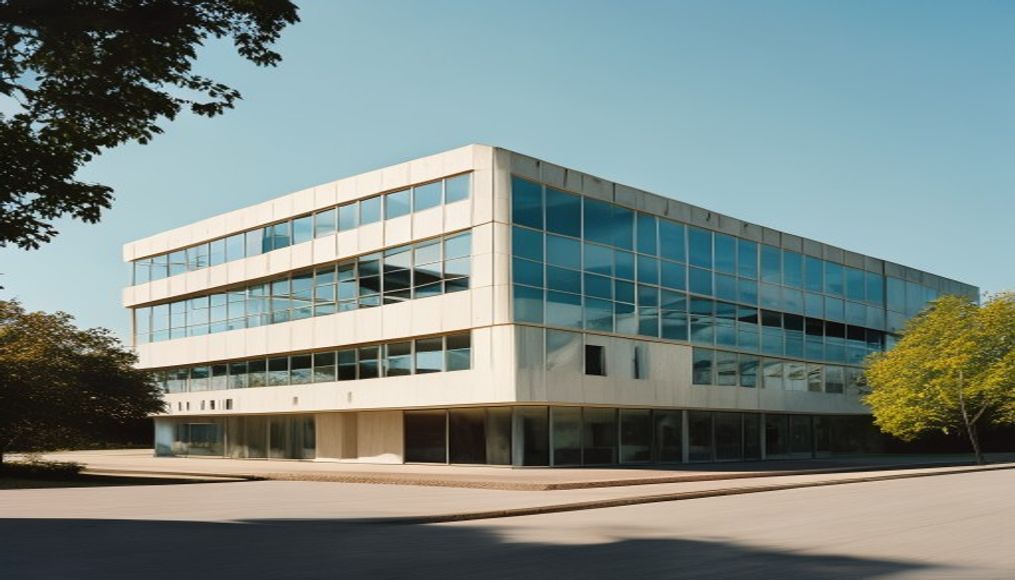
Brutalist concrete monument
1344×768 · JPG · CC BY 4.0
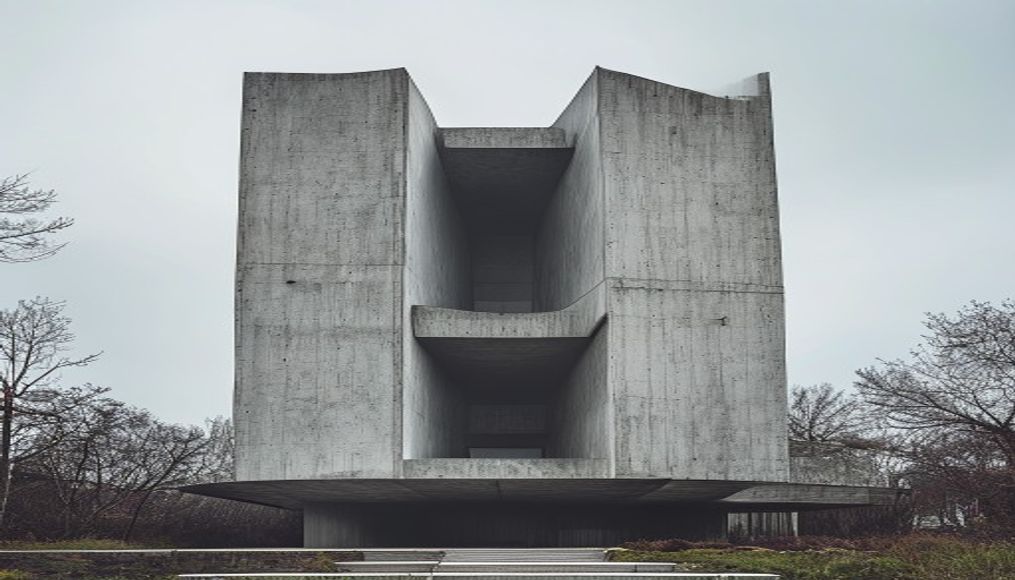
Brutalist concrete monuments define 20th-century architecture, blending functionality with monumental aesthetics in public and institutional buildings worldwide.
About this subject
Brutalism emerged in the post-war period, especially in the 1950s and 1960s, as a derivative of modernism that emphasized the raw expression of materials, primarily exposed concrete. Pioneers like Le Corbusier with the Unité d'Habitation (1947, 1952) and Louis Kahn with the University of Pennsylvania's Richards Medical Research Laboratories (1963) set the tone. In the UK, the style was adopted for social housing and public buildings, such as the Barbican Centre (1962, 1982) and Trellick Tower (1972). The term 'brutalism' derives from the French 'béton brut' (raw concrete), popularized by critic Reyner Banham. Its aesthetic features geometric volumes, rough textures, and a sense of weight and permanence.
Brutalism's rise coincided with European reconstruction and the expansion of universities and civic centers. Notable examples include the Communist Party Headquarters in Belgrade (1964), Brasília's Cathedral (1958, 1970), and the FAU-USP Residential Complex (1961, 1969) by Vilanova Artigas. In Brazil, Paulo Mendes da Rocha also embraced brutalism, as seen in Mineirão Stadium (1965). Reinforced concrete allowed for sculptural forms and large spans, ideal for theaters, museums, and subway stations.
Despite its construction efficiency and low cost, brutalism faced criticism for its perceived coldness and associations with authoritarian regimes. Many brutalist buildings were demolished or neglected in the 1970s and 1980s. However, since the 2000s, there has been a resurgence of academic and tourist interest, with preservation campaigns and aesthetic rediscovery. The book 'Brutalist: Classicism to Koolhaas' (2019) and the website 'SOS Brutalism' document hundreds of examples. Today, brutalism influences contemporary architects like David Chipperfield and Mecanoo.
Fun fact: Le Corbusier's La Tourette Monastery (1960) is a masterpiece of brutalism, with its concrete marked by wooden formwork. In cinema, brutalist environments in films like 'Blade Runner 2049' (2017) and 'Arrival' (2016) enhance monumental and introspective atmospheres. Brutalist concrete monuments are not just structures but testimonies to an era of social and architectural experimentation.
Frequently Asked Questions
What defines a brutalist concrete monument?
Brutalist concrete monuments are buildings that expose raw concrete, with striking geometric forms, rough textures, and a focus on functionality. They emerged after WWII as an expression of material honesty and public utility.
What are the most famous examples of brutalist architecture?
Iconic examples include the Unité d'Habitation (France), the Barbican Centre (UK), Brasília Cathedral (Brazil), and the Serbian Radio and Television Building in Belgrade.
Why is brutalism controversial?
Due to its perceived cold and imposing aesthetic, and because it was used by authoritarian regimes. Many buildings were demolished, but today a preservation movement values their historical and architectural significance.
Direct URL
https://pub-c7d6a6ea828543ac903a74a341ccb2e1.r2.dev/imagens/brutalist-concrete-monument-architectural-photography-p4.jpgHow to credit
Include a visible link back to UtilizAí. Copy one of the snippets below:
<a href="https://xn--utiliza-eza.com/en/midia/imagens/brutalist-concrete-monument-architectural-photography-p4">Brutalist concrete monument</a> by <a href="https://xn--utiliza-eza.com">UtilizAí</a>, licensed under <a href="https://creativecommons.org/licenses/by/4.0/">CC BY 4.0</a>.
[Brutalist concrete monument](https://xn--utiliza-eza.com/en/midia/imagens/brutalist-concrete-monument-architectural-photography-p4) by [UtilizAí](https://xn--utiliza-eza.com), CC BY 4.0
License: CC-BY-4.0