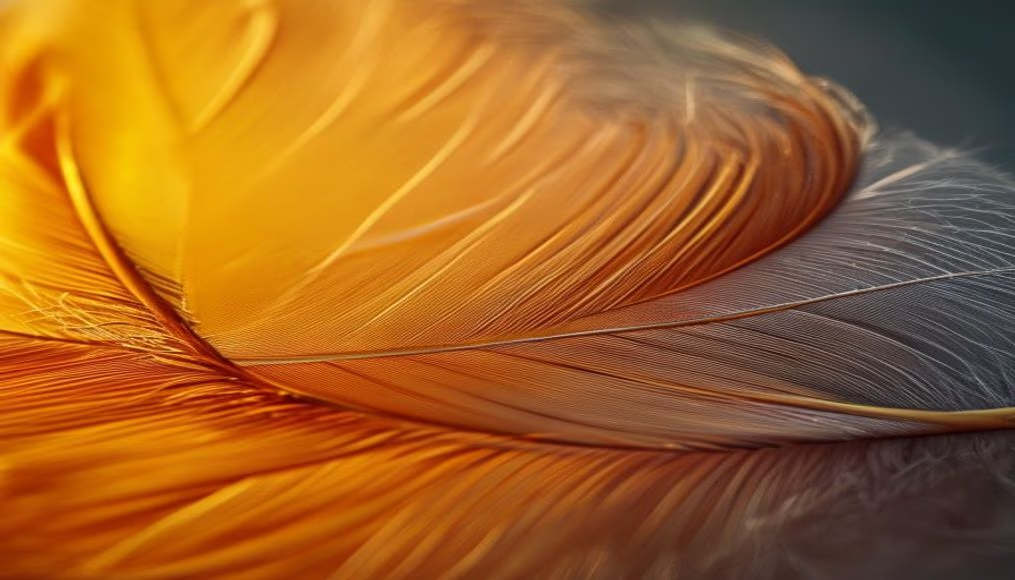
Bronze patina aged
1344×768 · AVIF · CC BY 4.0

Aged bronze patina reveals historical and aesthetic nuances, resulting from controlled oxidation that enhances sculptures and objects.
About this subject
Bronze patina is a chemical phenomenon, either natural or induced, that transforms the metal's surface over time. Composed mainly of copper carbonate, the greenish or brownish layer protects bronze from further corrosion while imparting a distinctive visual character. Iconic sculptures, such as the Monument to Dom Pedro I in Brazil and Donatello's David in Italy, display patinas that narrate centuries of exposure to weather and handling. In contemporary art, artists often accelerate or simulate the process with salts and acids to achieve specific hues, blending traditional technique with experimentation. The aesthetic value of patina is so significant that collectors and museums avoid cleaning it, as removal can diminish the piece's historical and artistic worth. In Brazil, the Christ the Redeemer statue, though concrete, draws inspiration from bronze patina's earthy colors, while the Municipal Theatre of Rio de Janeiro features patinated bronze details evoking European elegance. The choice of patina depends on the environment: outdoors with pollutant exposure, or indoors with controlled lighting. Conservation specialists monitor humidity and temperature to maintain balance between the patina layer and underlying metal, ensuring the piece lasts for generations. The aged patina technique is also applied to decorative objects like vases and bells, and architectural elements such as domes and doors, where the blue-green hue contrasts with urban grays. In interior design, patinated bronze surfaces are used in furniture and lighting fixtures, offering a finish that recalls an industrial past or classical nobility. Each bronze piece develops a unique patina based on its alloy composition (copper, tin, zinc) and environmental conditions, making every work irreproducible.
Frequently Asked Questions
What causes patina on bronze?
Patina is formed by the oxidation of copper in bronze when exposed to air and moisture, resulting in compounds like copper carbonate. The process can be natural (years) or accelerated with chemicals.
Why is patina valued in sculptures?
Patina provides protection to the metal and a unique aesthetic finish that indicates age and history. In ancient works, patina is a sign of authenticity and is preserved to maintain artistic and historical value.
Can the patina of a damaged bronze be restored?
Yes, but it requires specialized conservation techniques. Restorers apply chemical patina solutions or remove unwanted layers without damaging the original metal, respecting the piece's integrity.
Direct URL
https://pub-c7d6a6ea828543ac903a74a341ccb2e1.r2.dev/imagens/bronze-patina-aged-lo-fi-disposable-camera-p3.avifHow to credit
Include a visible link back to UtilizAí. Copy one of the snippets below:
<a href="https://xn--utiliza-eza.com/en/midia/imagens/bronze-patina-aged-lo-fi-disposable-camera-p3">Bronze patina aged</a> by <a href="https://xn--utiliza-eza.com">UtilizAí</a>, licensed under <a href="https://creativecommons.org/licenses/by/4.0/">CC BY 4.0</a>.
[Bronze patina aged](https://xn--utiliza-eza.com/en/midia/imagens/bronze-patina-aged-lo-fi-disposable-camera-p3) by [UtilizAí](https://xn--utiliza-eza.com), CC BY 4.0
License: CC-BY-4.0