Bronze foundry pour
1344×768 · AVIF · CC BY 4.0
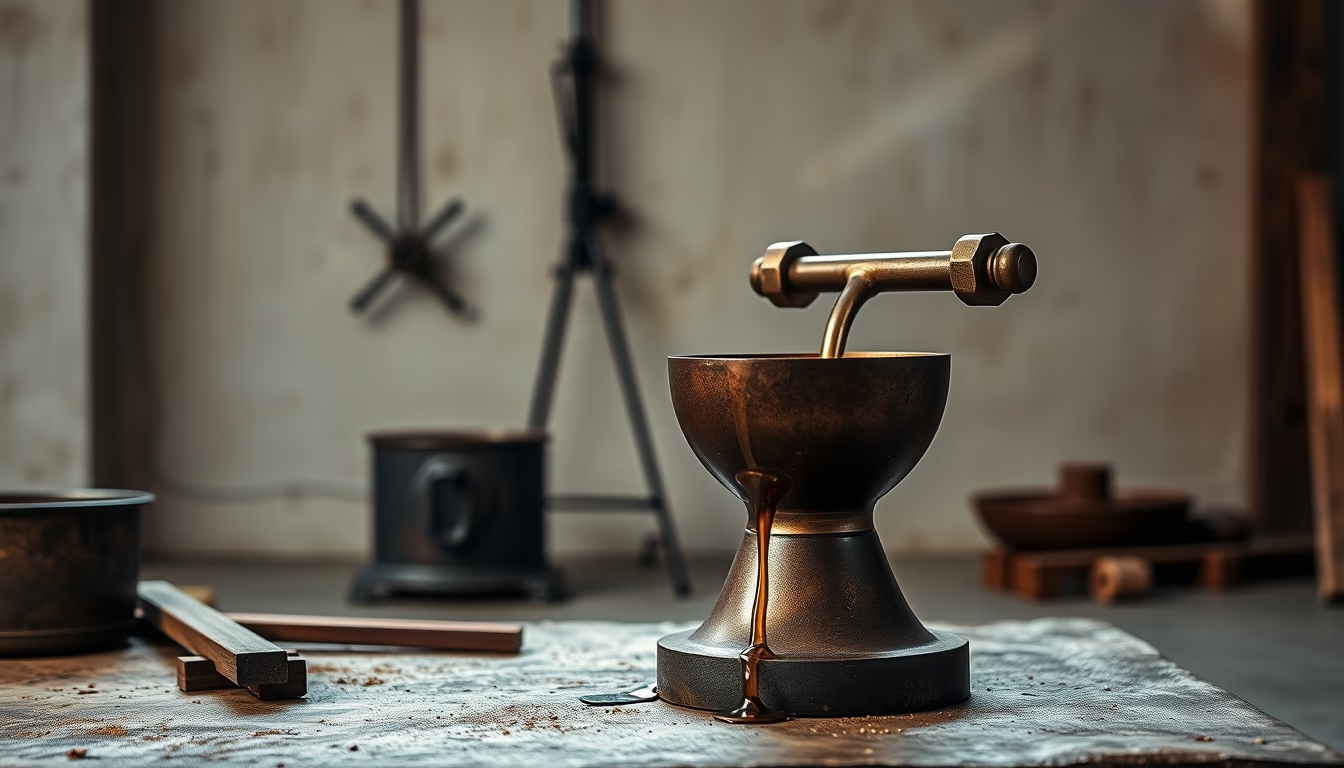
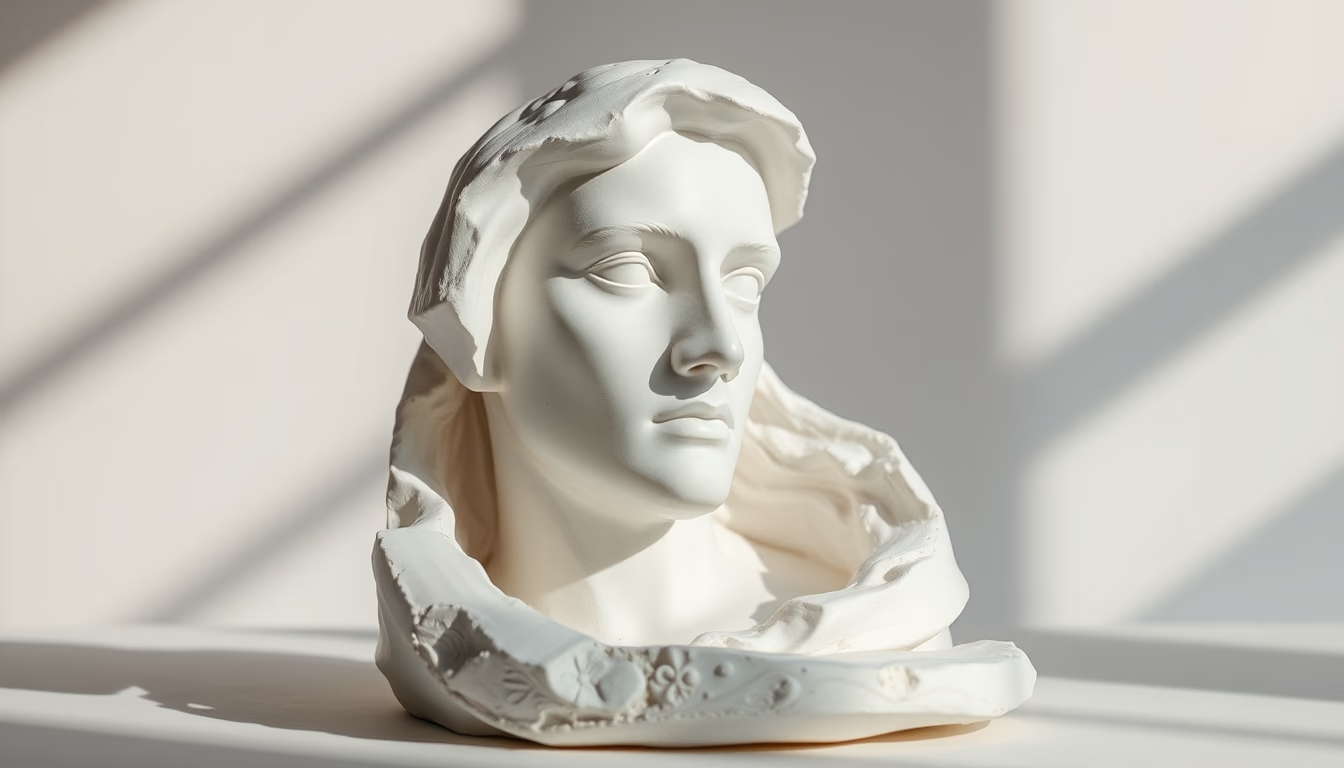
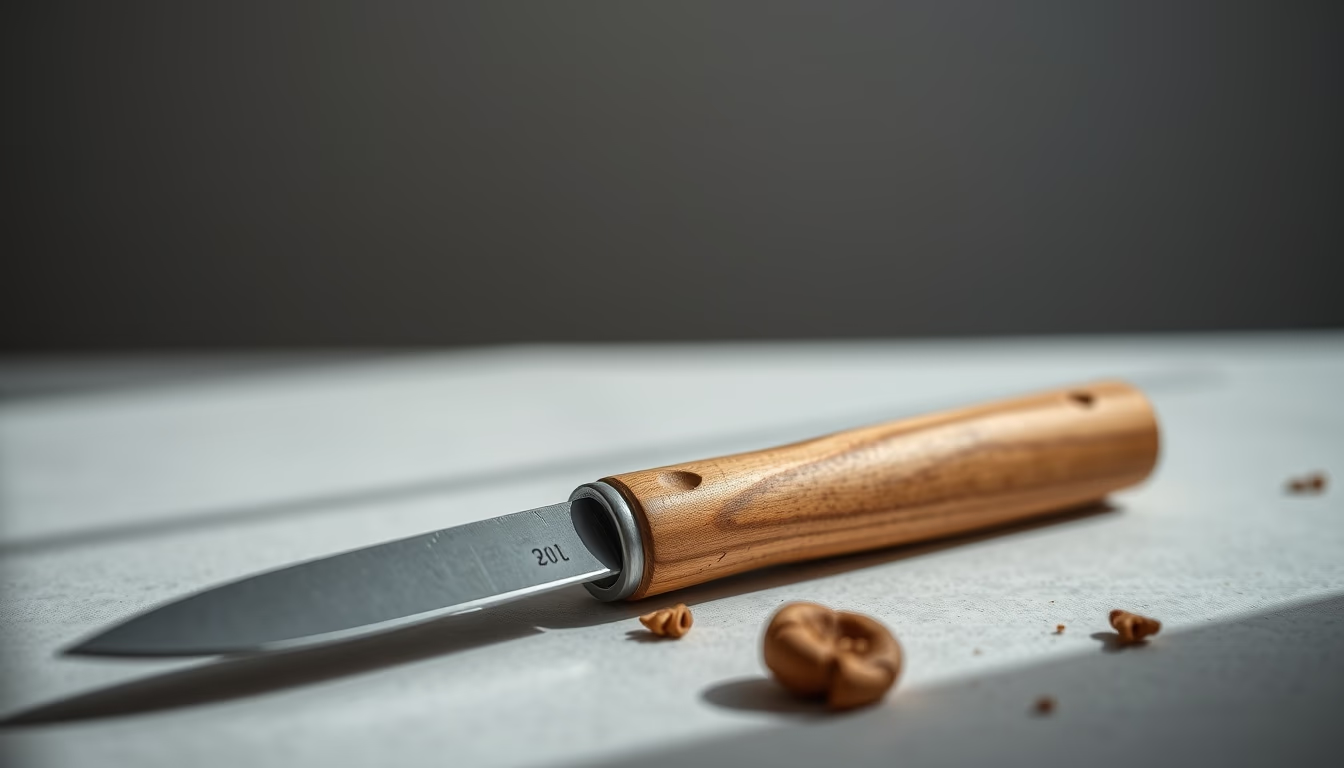
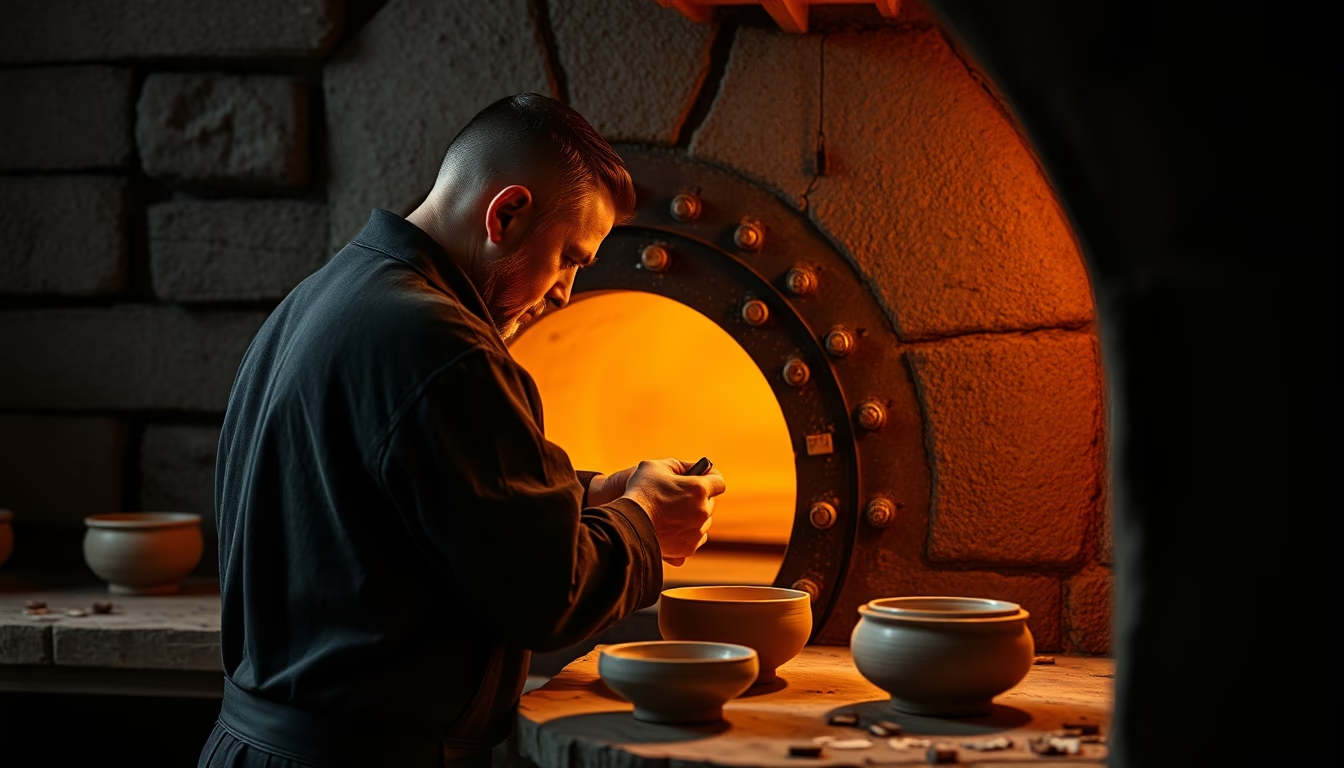
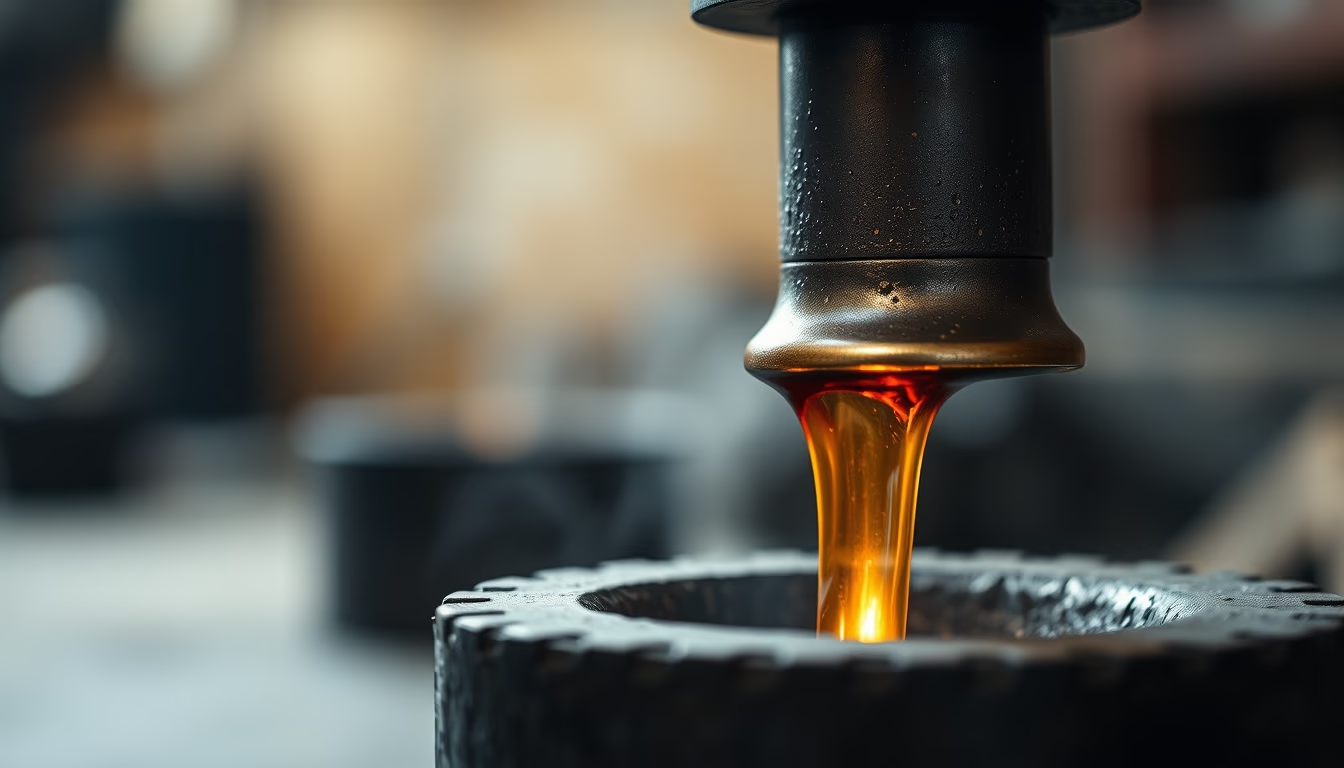
Bronze foundry pouring is a crucial step in sculpture, merging ancient technique with artisanal precision to create durable pieces.
About this subject
Bronze foundry pouring is a central step in metal sculpture, especially in the lost-wax technique. Used for over 5,000 years since the Bronze Age, this method involves melting a copper-tin alloy at about 1,000°C and pouring it into a prepared mold. Precision at this stage is vital: any air bubble or impurity can ruin the final piece. Renowned sculptors like Rodin and Henry Moore relied on this process to create large-scale, complex works.
In Brazil, bronze casting has a tradition in cities like Rio de Janeiro and São Paulo, where specialized workshops produce everything from monumental statues to small decorative objects. The pouring stage requires a controlled environment, using crucibles, gas or electric furnaces, and refractory molds typically made of silica and plaster. The liquid metal is poured into feeding channels, filling the cavity and solidifying after a few minutes. After demolding, the piece goes through fettling, welding, and finishing.
Interestingly, bronze is not a pure metal but an alloy whose composition varies by use. For sculptures, the typical ratio is 90% copper and 10% tin, sometimes with zinc or lead to alter color and fluidity. Pouring can also be done in sand molds, but lost-wax offers finer detail. Pour temperature is monitored with pyrometers, and founders develop visual and auditory senses to spot the exact moment.
The cultural impact of bronze is immense: from the Chinese Terracotta Warriors to the doors of the Florence Baptistery, the technique endures. In contemporary art, artists like Vik Muniz explore the contrast between noble material and everyday themes. Pouring remains a craft that combines science, art, and tradition.
Frequently Asked Questions
What is the ideal temperature for pouring bronze in a foundry?
The ideal temperature ranges between 950°C and 1,050°C, depending on the alloy and method. For common bronze (copper-tin), it is usually heated to around 1,000°C to ensure fluidity without damaging the mold.
Why is bronze so widely used in sculptures?
Bronze offers durability, corrosion resistance, and malleability when cast. Its natural color and patina are aesthetically prized, and the casting technique allows for fine detail reproduction.
What are the main risks in the bronze pouring process?
Risks include burns from molten metal, inhalation of metal fumes (especially lead or zinc), and explosion if moisture is present in the mold. Therefore, PPE and controlled environments are essential.
Direct URL
https://pub-c7d6a6ea828543ac903a74a341ccb2e1.r2.dev/imagens/bronze-foundry-pour-studio-still-life-fresh8.avifHow to credit
Include a visible link back to UtilizAí. Copy one of the snippets below:
<a href="https://xn--utiliza-eza.com/en/midia/imagens/bronze-foundry-pour-studio-still-life-fresh8">Bronze foundry pour</a> by <a href="https://xn--utiliza-eza.com">UtilizAí</a>, licensed under <a href="https://creativecommons.org/licenses/by/4.0/">CC BY 4.0</a>.
[Bronze foundry pour](https://xn--utiliza-eza.com/en/midia/imagens/bronze-foundry-pour-studio-still-life-fresh8) by [UtilizAí](https://xn--utiliza-eza.com), CC BY 4.0
License: CC-BY-4.0