Bonsai pine ancient
1344×768 · AVIF · CC BY 4.0
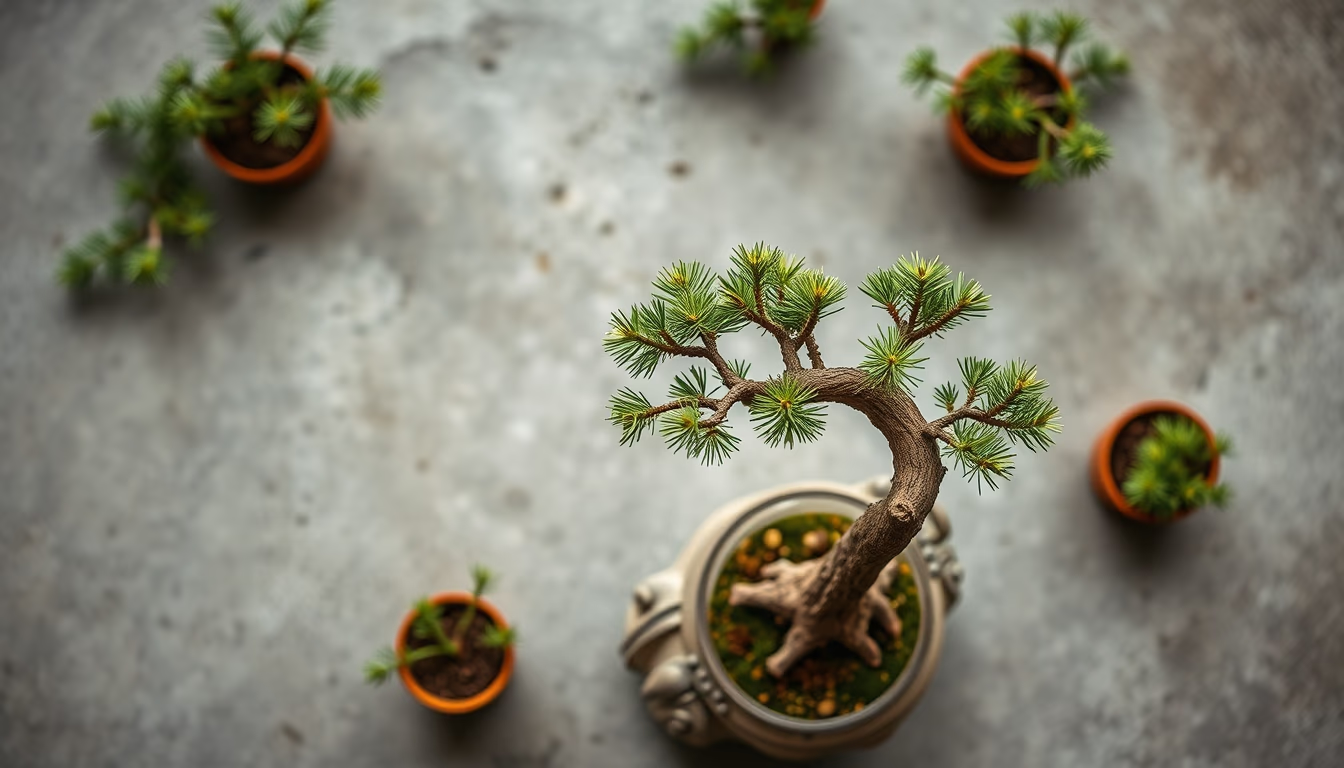
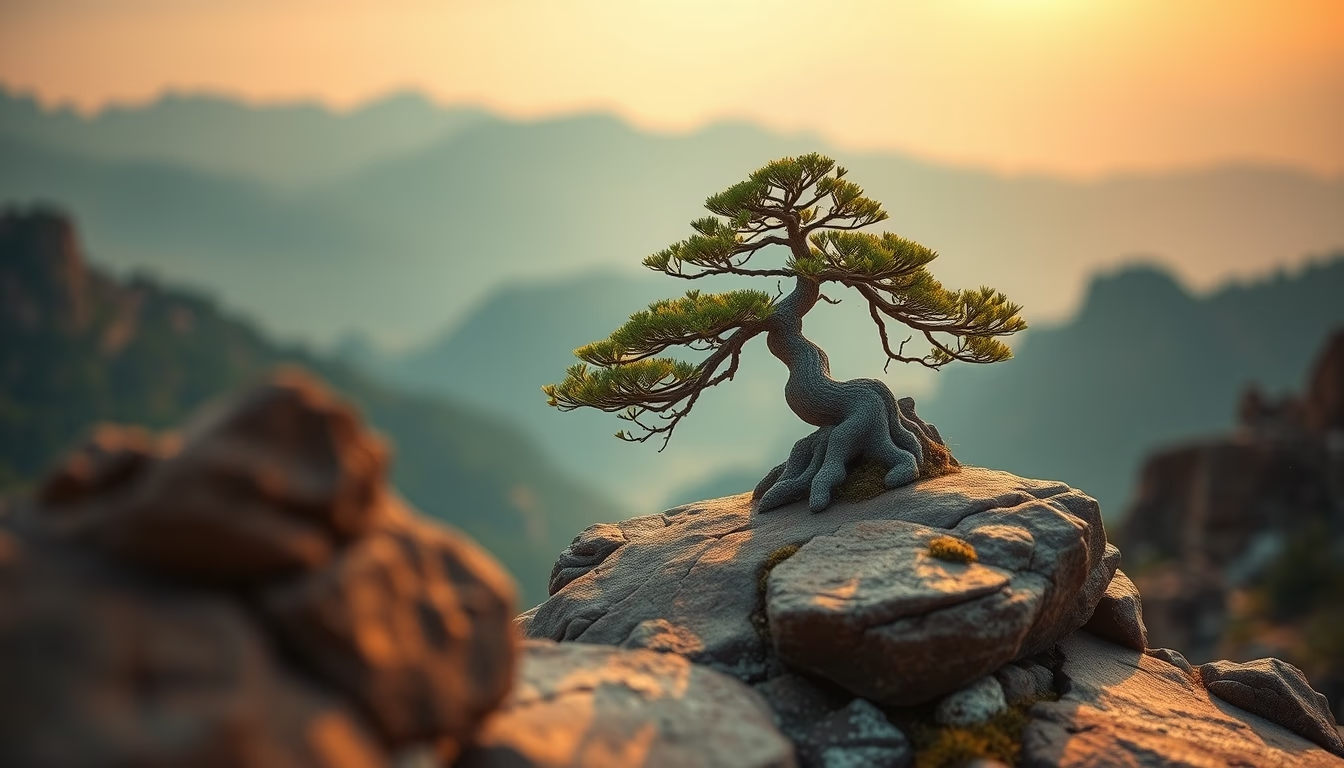
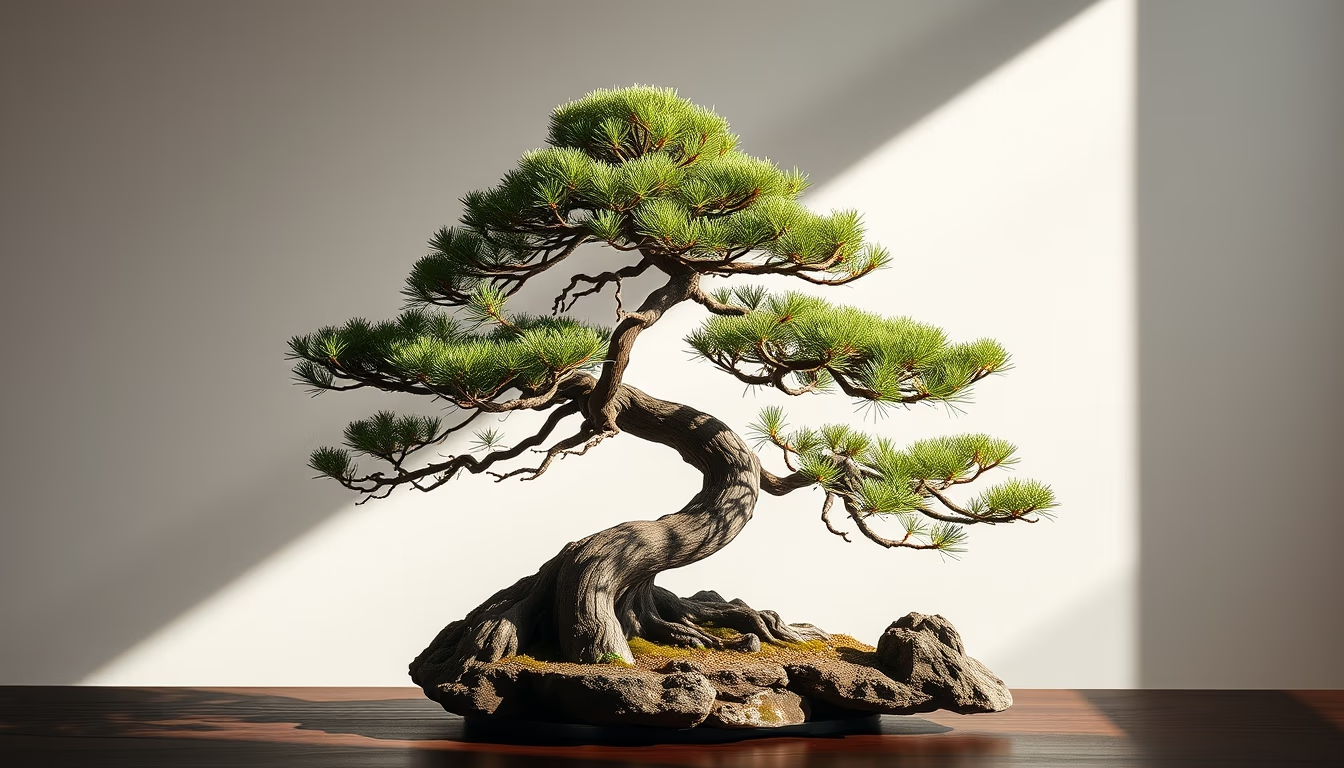
Ancient pine bonsai: centuries-old Japanese art of miniaturizing trees, symbolizing harmony and patience.
About this subject
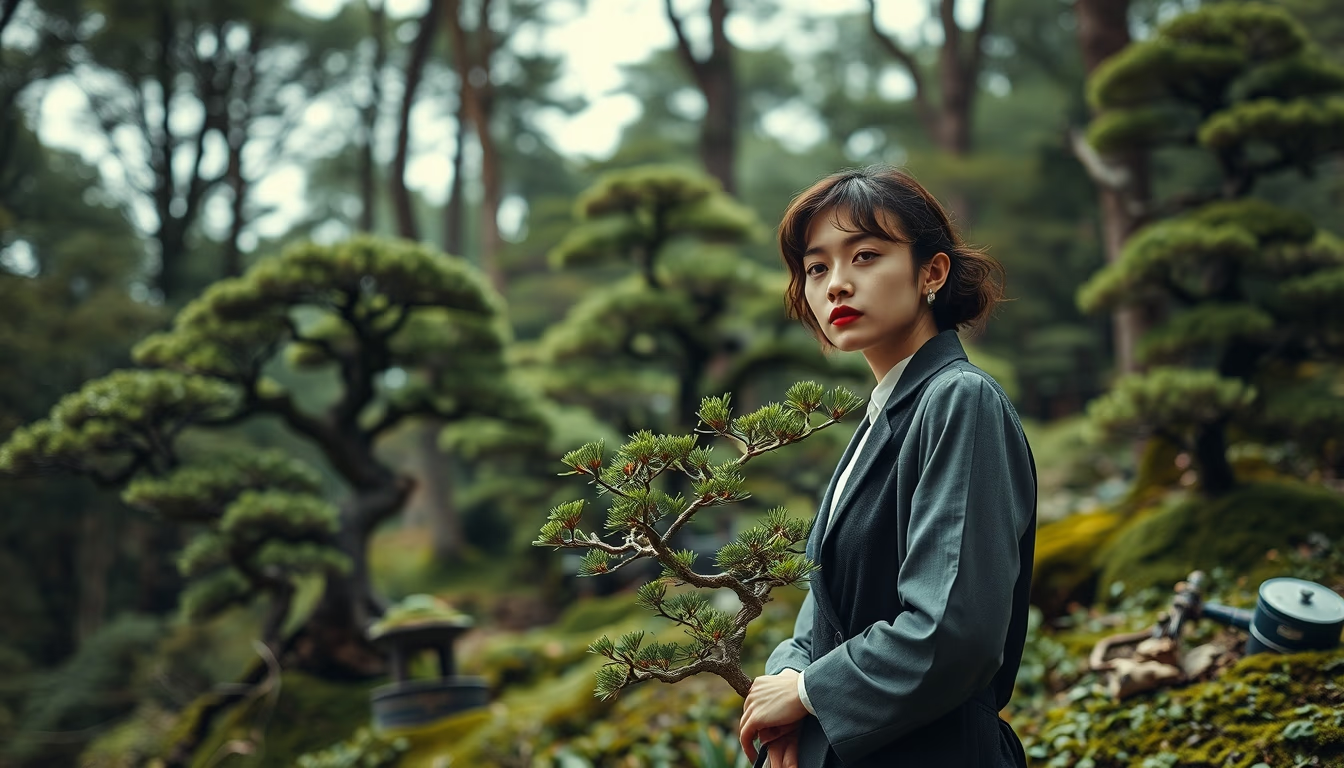
The ancient pine bonsai represents one of the most revered forms of the millenary Japanese art. Originating in China over a thousand years ago and perfected in Japan, the technique of cultivating miniature trees aims to recreate nature's essence on a reduced scale. Pines are especially prized for their longevity, resilience, and sculptural shape, with twisted trunks and dense canopies evoking mountainous landscapes.
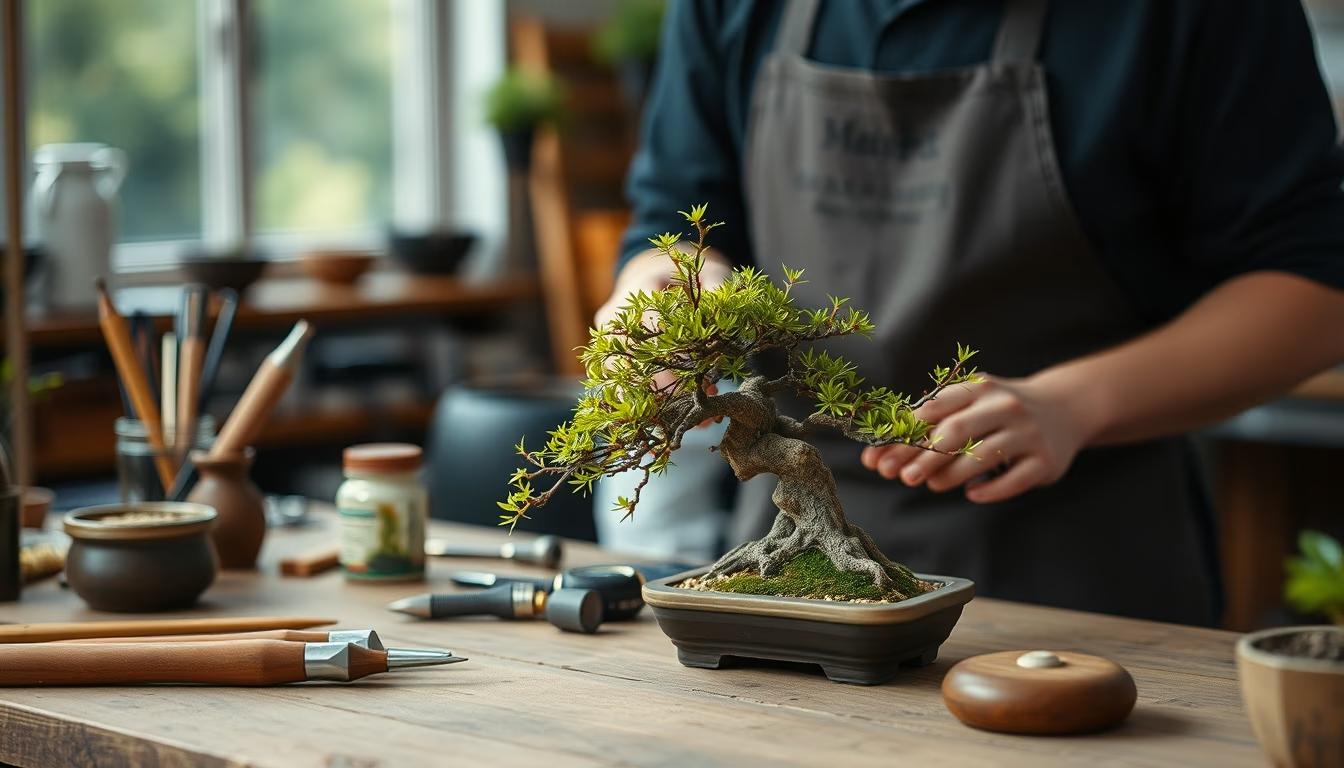
Ancient pine bonsai specimens can be centuries old, passed down through generations as family heirlooms. The Japanese black pine (Pinus thunbergii) and white pine (Pinus parviflora) are the most common species, each with unique bark, needle, and growth characteristics. Maintenance requires careful pruning, branch wiring, and controlled watering, often following Zen principles of simplicity and balance.
Culturally, the pine bonsai symbolizes endurance and ancestral wisdom. In Japan, it is common in temples and palaces, associated with meditation rituals. The aesthetic of 'moyogi' (informal upright) or 'shakan' (slanting) mimics trees shaped by wind and snow on cliffs. Every curve of the trunk tells a story of adaptation and survival.
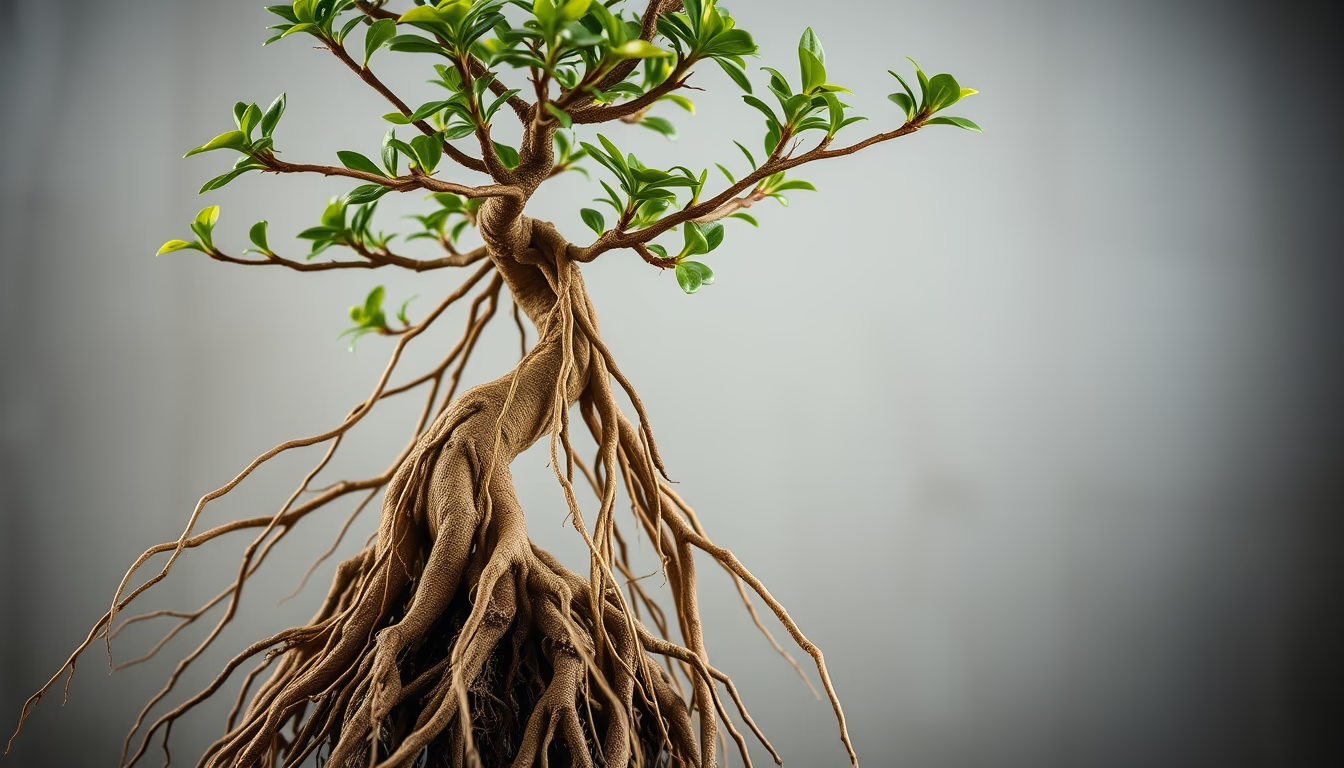
Interestingly, bonsai is not genetically dwarfed; miniaturization is achieved through techniques like shallow pots and root restriction. An ancient pine in a pot can be worth thousands of dollars, and international exhibitions such as Kokufu-ten in Japan display specimens over 800 years old. The art demands extreme patience: crown formation takes decades.
Frequently Asked Questions
How long does a pine bonsai live?
Pine bonsai can live for centuries. Some specimens in Japan are over 800 years old, such as those at the Imperial Palace. Longevity depends on care and species.
How to care for an ancient pine bonsai?
Requires moderate watering without waterlogging, pruning of branches and roots every 2-3 years, wiring to maintain shape, and full sun exposure. Protect from severe frost and dry winds.
What is the difference between black pine and white pine in bonsai?
Japanese black pine has stiffer, darker needles, thick scaly bark, and is more tolerant of pruning. White pine has softer, bluish needles, smooth bark, and slower growth.
Direct URL
https://pub-c7d6a6ea828543ac903a74a341ccb2e1.r2.dev/imagens/bonsai-pine-ancient-isometric-flat-lay-fresh7.avifHow to credit
Include a visible link back to UtilizAí. Copy one of the snippets below:
<a href="https://xn--utiliza-eza.com/en/midia/imagens/bonsai-pine-ancient-isometric-flat-lay-fresh7">Bonsai pine ancient</a> by <a href="https://xn--utiliza-eza.com">UtilizAí</a>, licensed under <a href="https://creativecommons.org/licenses/by/4.0/">CC BY 4.0</a>.
[Bonsai pine ancient](https://xn--utiliza-eza.com/en/midia/imagens/bonsai-pine-ancient-isometric-flat-lay-fresh7) by [UtilizAí](https://xn--utiliza-eza.com), CC BY 4.0
License: CC-BY-4.0