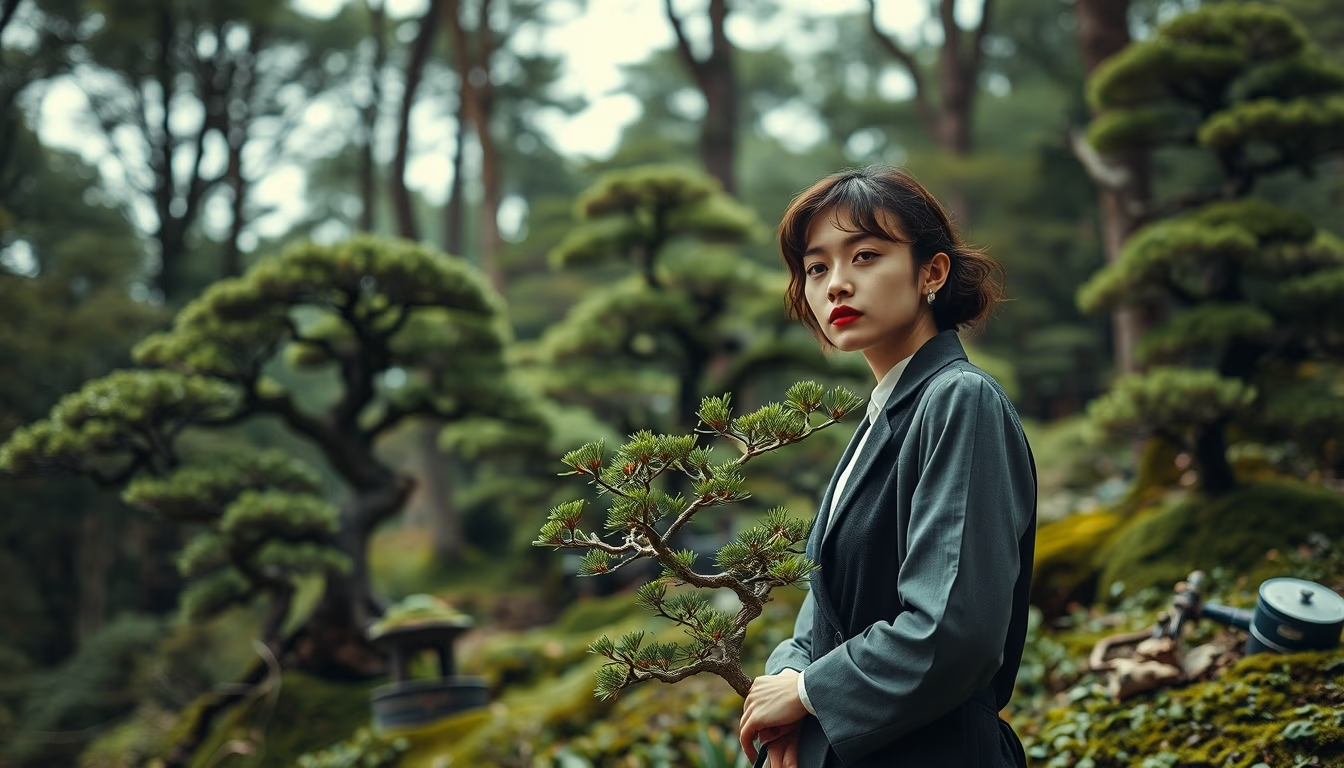
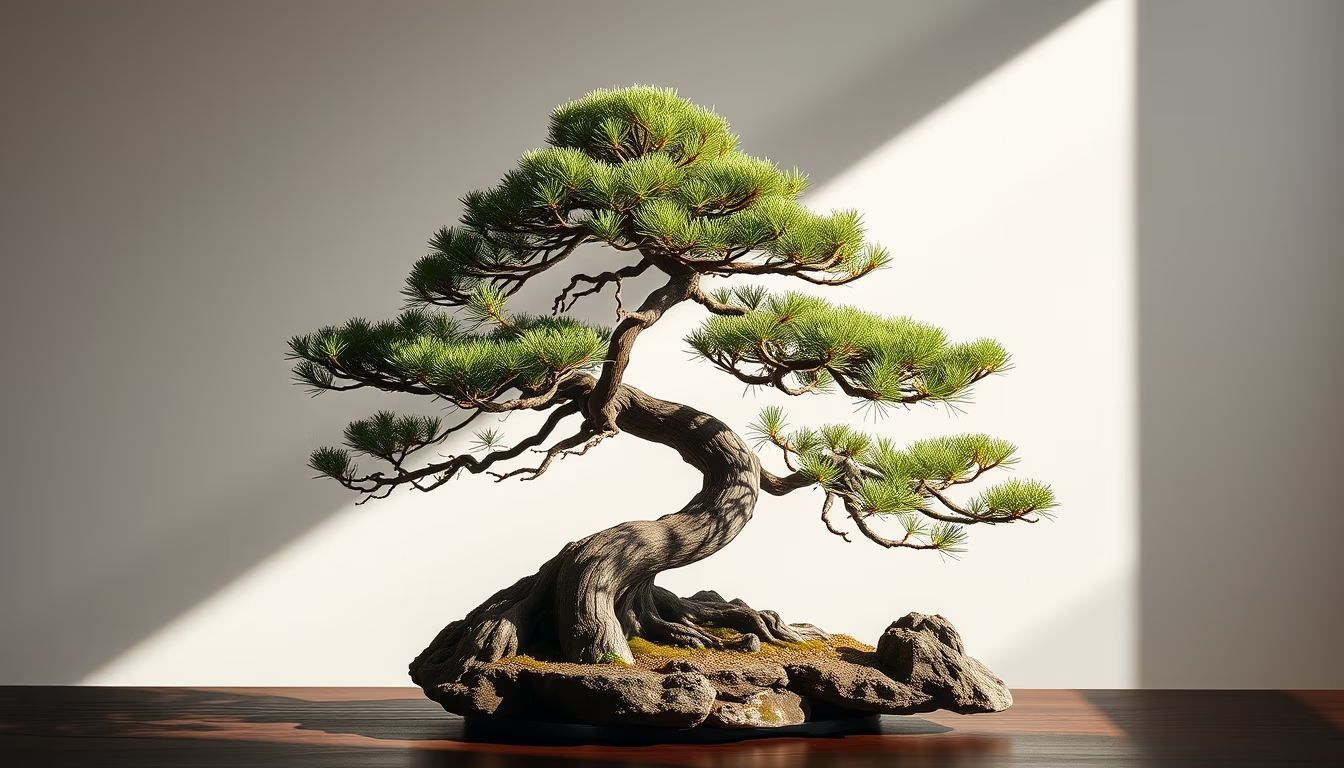
Bonsai pine ancient
1344×768 · AVIF · CC BY 4.0
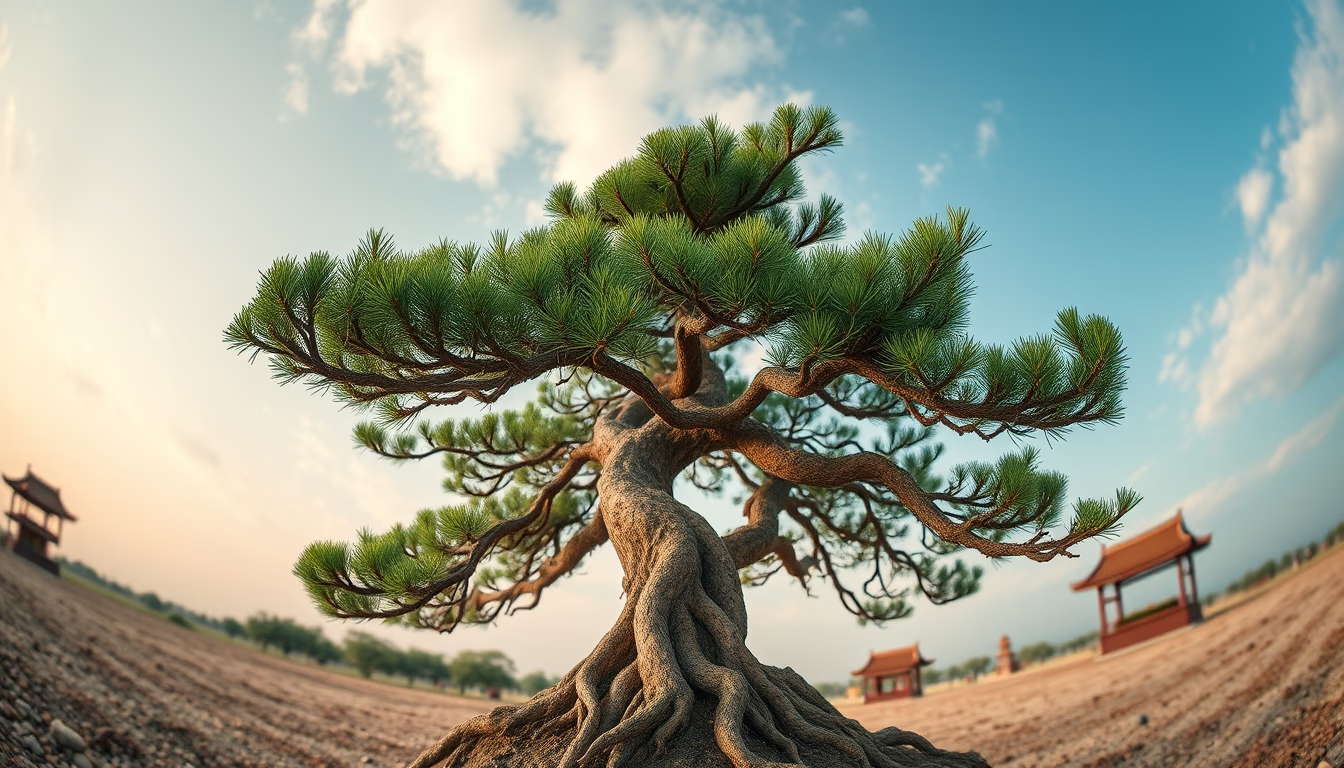
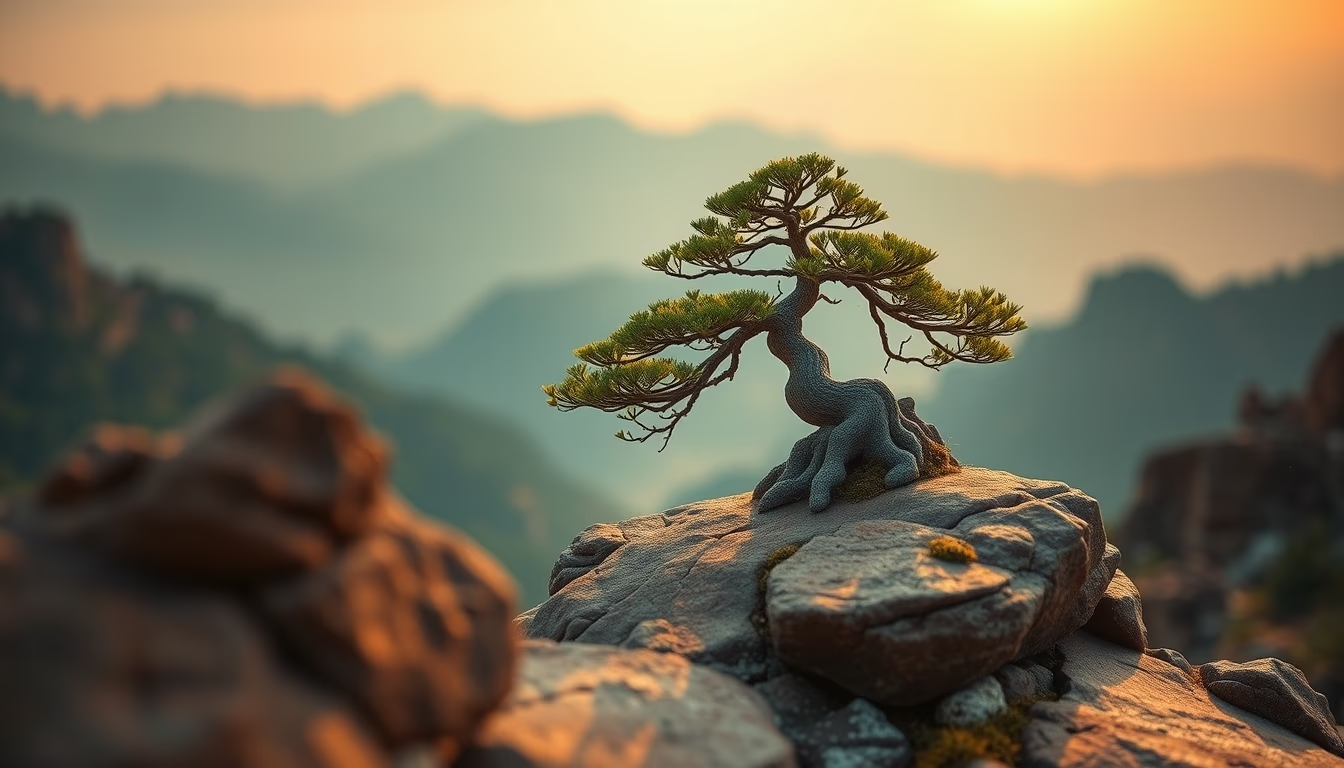
Ancient pine bonsai is a millenary art form symbolizing resilience and harmony, cultivated for centuries in Japan.
About this subject
The ancient pine bonsai represents one of the highest expressions of bonsai art, which originated in China over a thousand years ago and was refined in Japan. Pines are especially valued for their ability to live for centuries while maintaining a rugged, aged appearance. Species such as Pinus thunbergii (Japanese black pine) and Pinus pentaphylla (Japanese white pine) are frequently used due to their resilience and flexibility for shaping.
In Japan, the pine bonsai is associated with longevity, perseverance, and inner strength. Many ancient specimens are passed down through generations of gardeners, becoming family heirlooms. Techniques like branch pruning, wiring, and repotting are applied to create twisted trunks and irregular canopies that mimic natural trees exposed to wind and altitude.
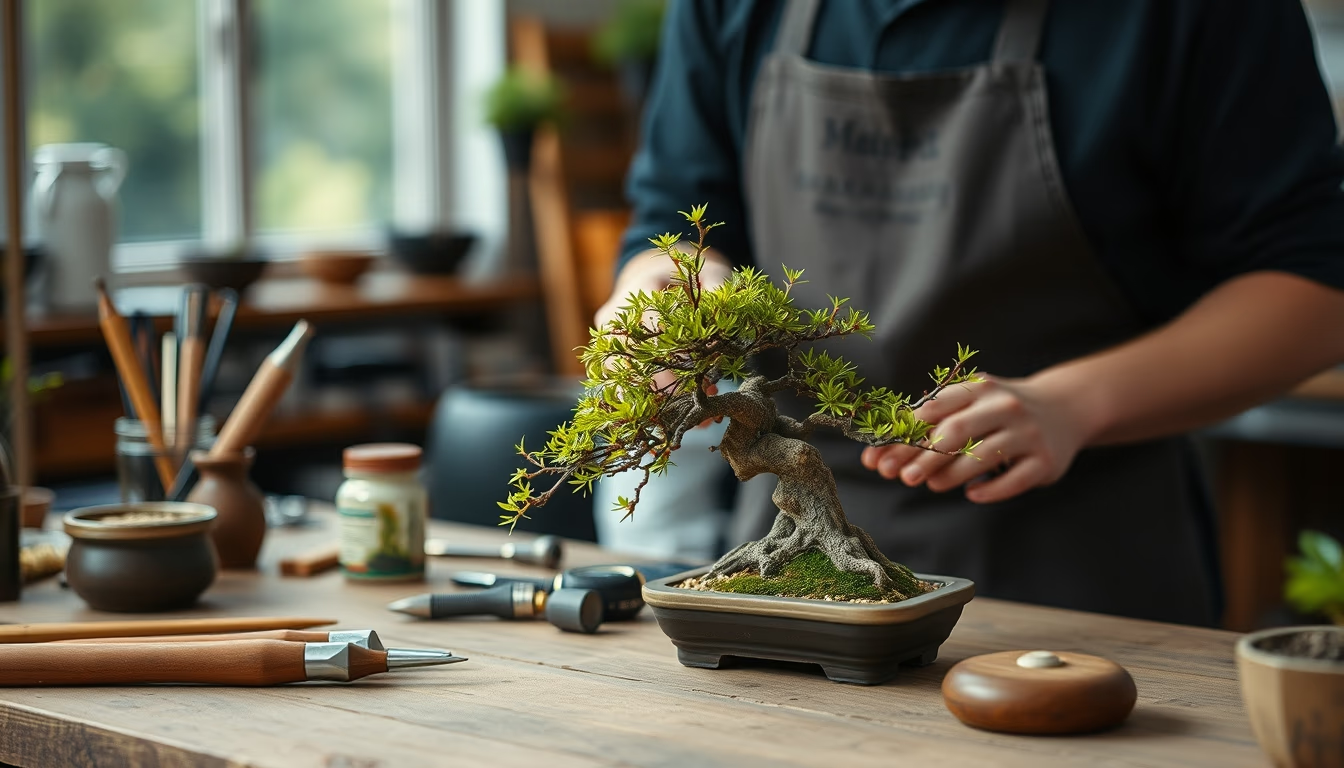
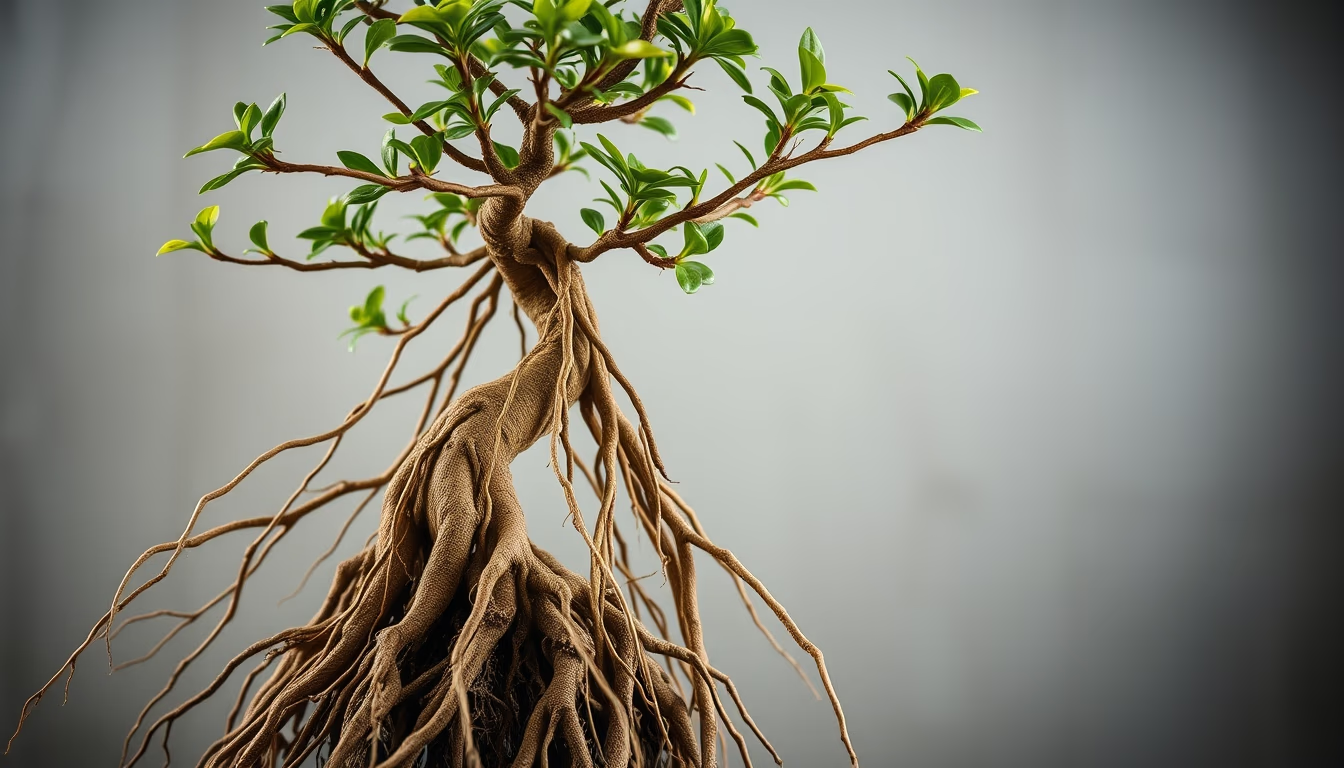
Cultivating an ancient pine bonsai requires patience and specialized knowledge. Watering must be controlled to avoid waterlogging, and fertilization uses low-nitrogen formulas to prevent excessive growth. Root pruning and repotting every few years are essential for the tree's health, maintaining its miniature size.
Museums and exhibitions such as Omiya Bonsai Village in Japan house centuries-old pines considered national treasures. The most famous specimen is “Goshin,” a Japanese black pine over 400 years old, displayed at the National Bonsai & Penjing Museum in the United States. These trees inspire awe for the beauty achieved through decades of dedicated care.
Frequently Asked Questions
What is the minimum age for a pine bonsai to be considered ancient?
There is no absolute consensus, but generally a pine bonsai is considered ancient after 50 to 100 years of cultivation. Centennial specimens are rare and highly prized.
What specific care does an ancient pine bonsai require?
It requires controlled watering, low-nitrogen fertilization, maintenance pruning, and careful wiring to avoid bark damage. Repotting every 3 to 5 years is essential to refresh the substrate.
Where can I see famous ancient pine bonsai?
In Japan, Omiya Bonsai Village in Saitama and the National Bonsai & Penjing Museum in Washington D.C. (USA) house impressive collections. In Brazil, the Bonsai Museum of São Paulo also features notable specimens.
Direct URL
https://pub-c7d6a6ea828543ac903a74a341ccb2e1.r2.dev/imagens/bonsai-pine-ancient-fish-eye-wide-angle-fresh8.avifHow to credit
Include a visible link back to UtilizAí. Copy one of the snippets below:
<a href="https://xn--utiliza-eza.com/en/midia/imagens/bonsai-pine-ancient-fish-eye-wide-angle-fresh8">Bonsai pine ancient</a> by <a href="https://xn--utiliza-eza.com">UtilizAí</a>, licensed under <a href="https://creativecommons.org/licenses/by/4.0/">CC BY 4.0</a>.
[Bonsai pine ancient](https://xn--utiliza-eza.com/en/midia/imagens/bonsai-pine-ancient-fish-eye-wide-angle-fresh8) by [UtilizAí](https://xn--utiliza-eza.com), CC BY 4.0
License: CC-BY-4.0