Bonsai forest landscape
1344×768 · AVIF · CC BY 4.0
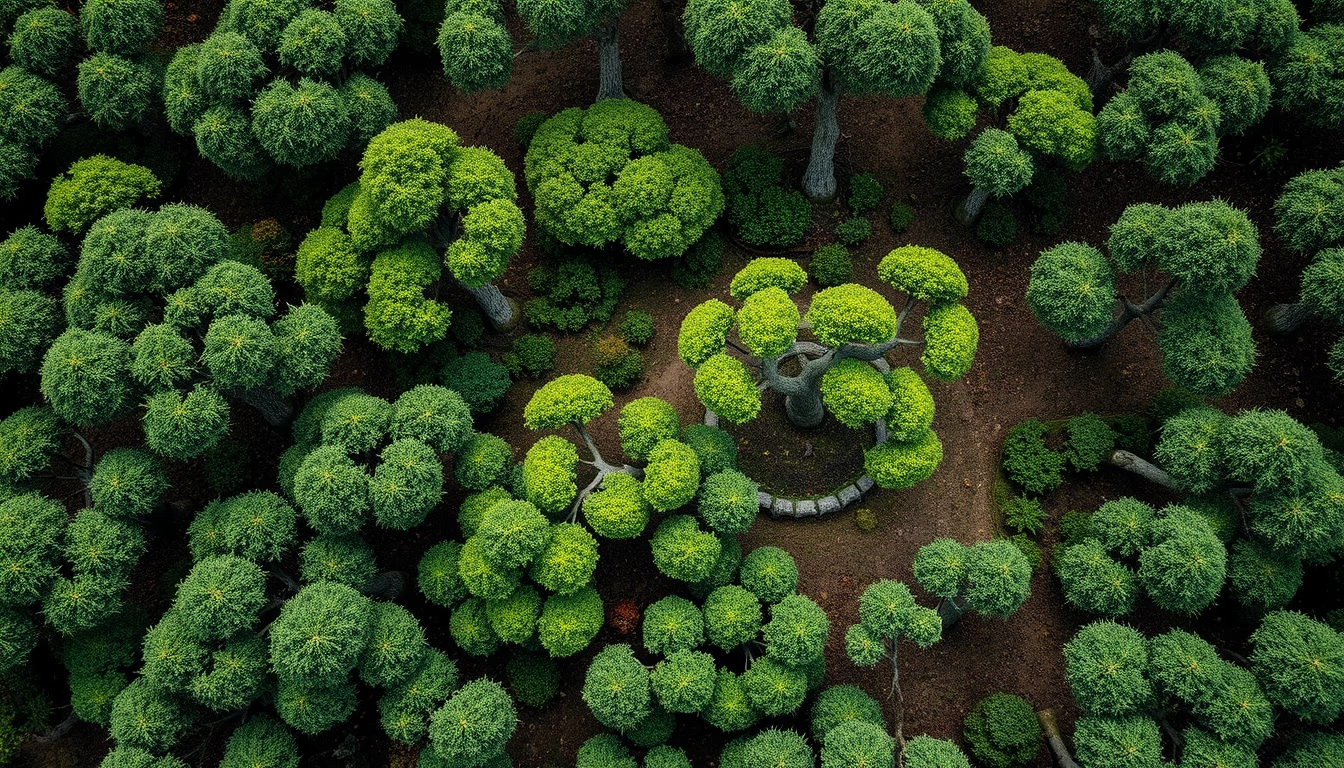
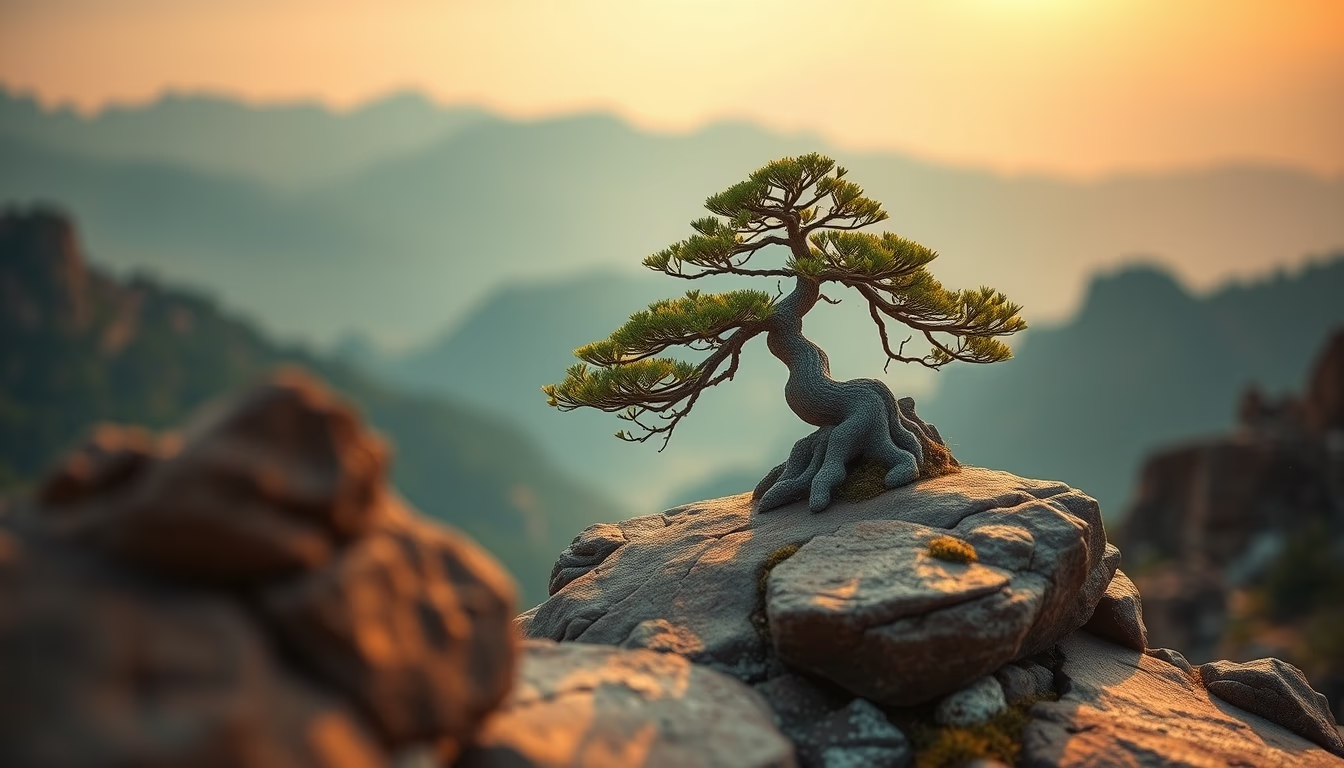
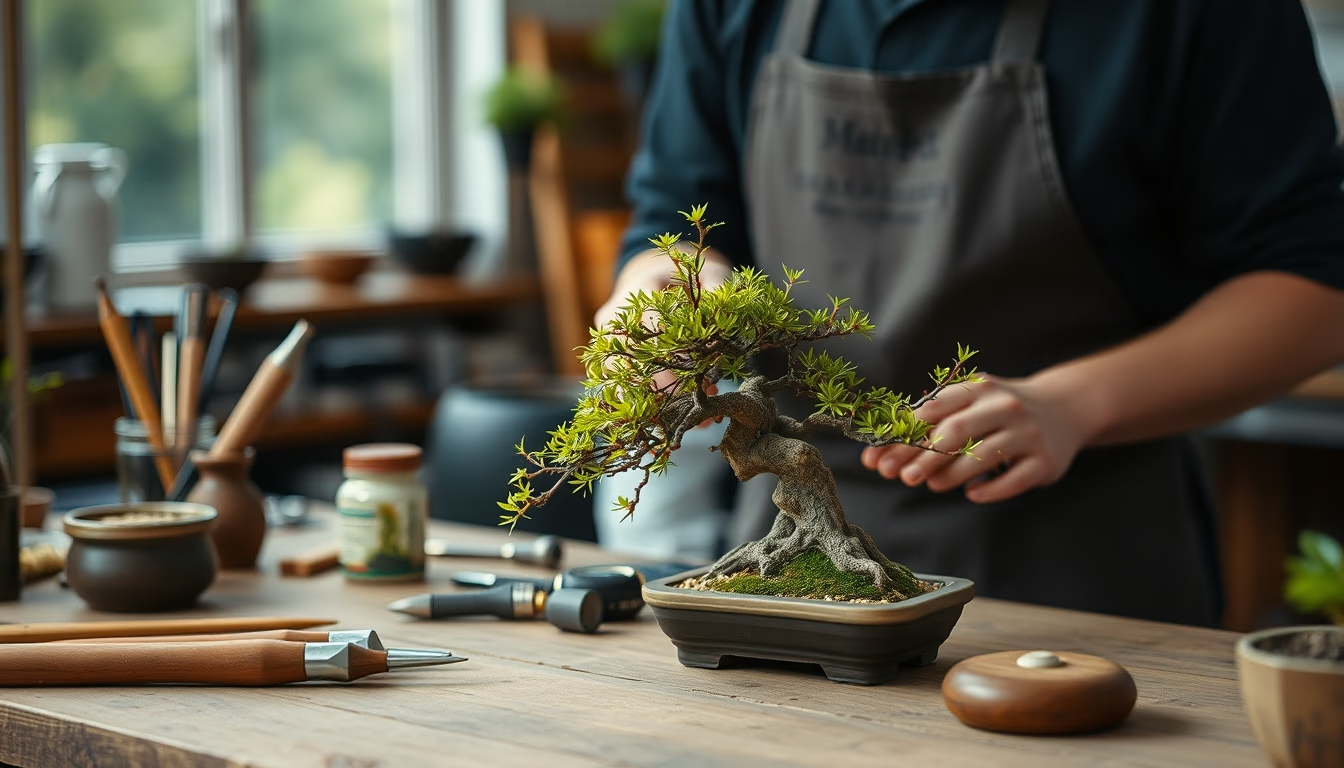
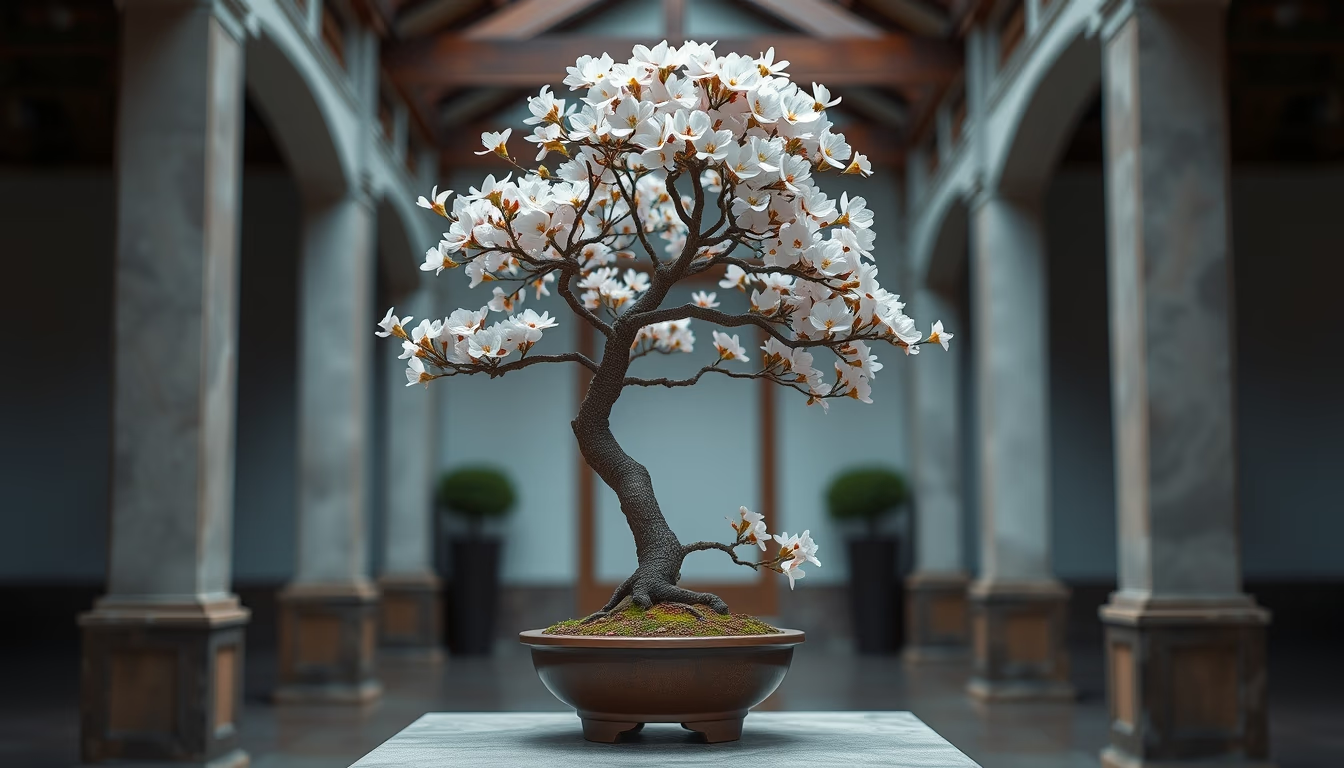
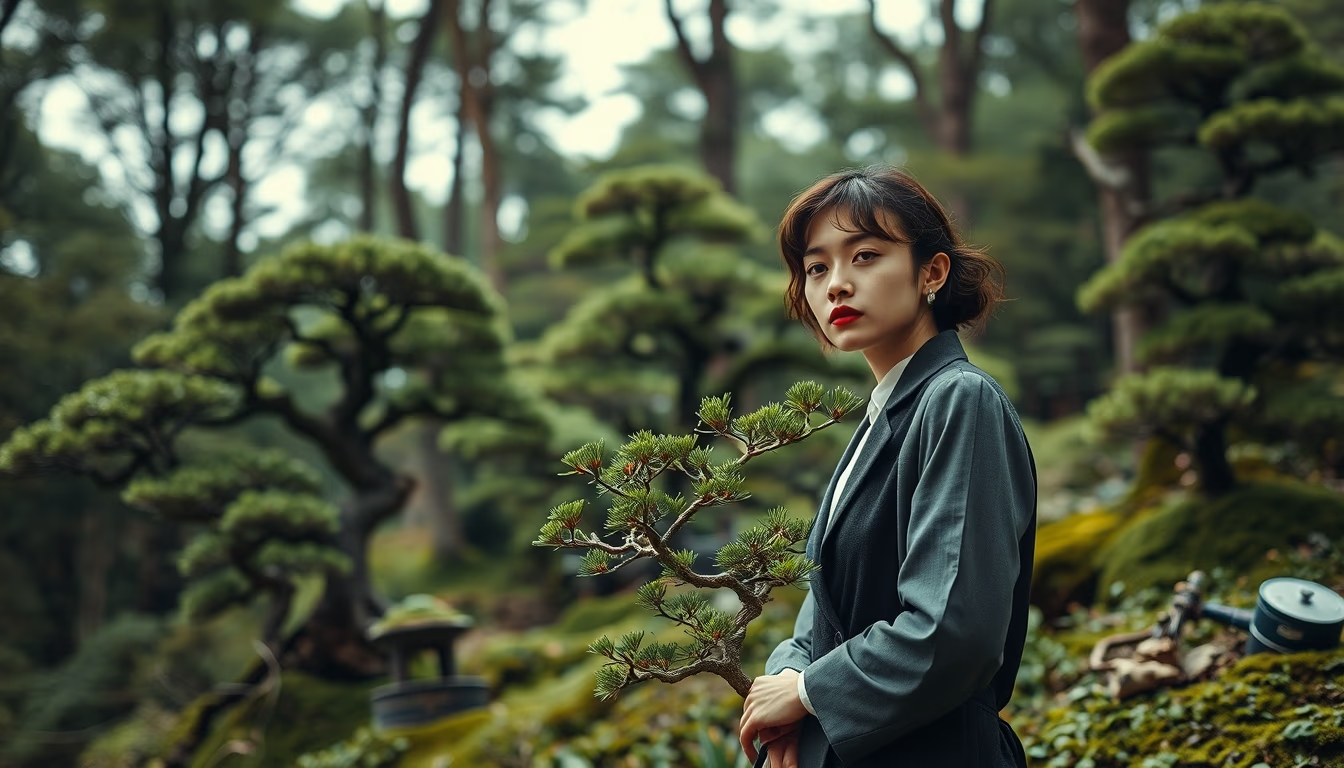
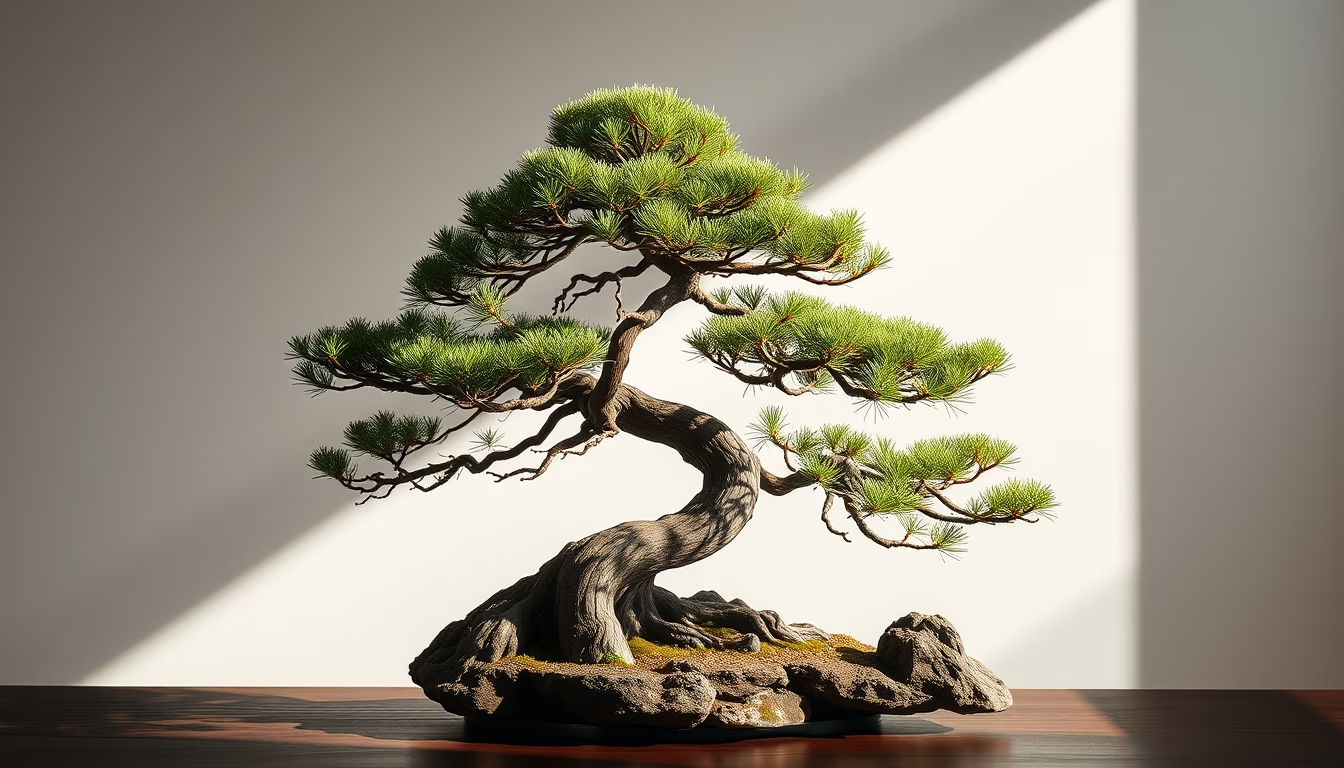
Miniature forest landscapes, known as yose-ue, recreate natural scenes by grouping multiple bonsai trees in a single pot.
About this subject
The forest landscape bonsai technique, known as yose-ue, involves planting multiple trees in a shallow container to simulate a miniature natural scene. Originating in Japan, this art dates back to the Kamakura period (1185, 1333), when samurai cultivated potted trees as a form of meditation and aesthetic appreciation. Unlike a single bonsai, yose-ue aims to create depth and perspective, imitating real forests with varied heights, textures, and colors.
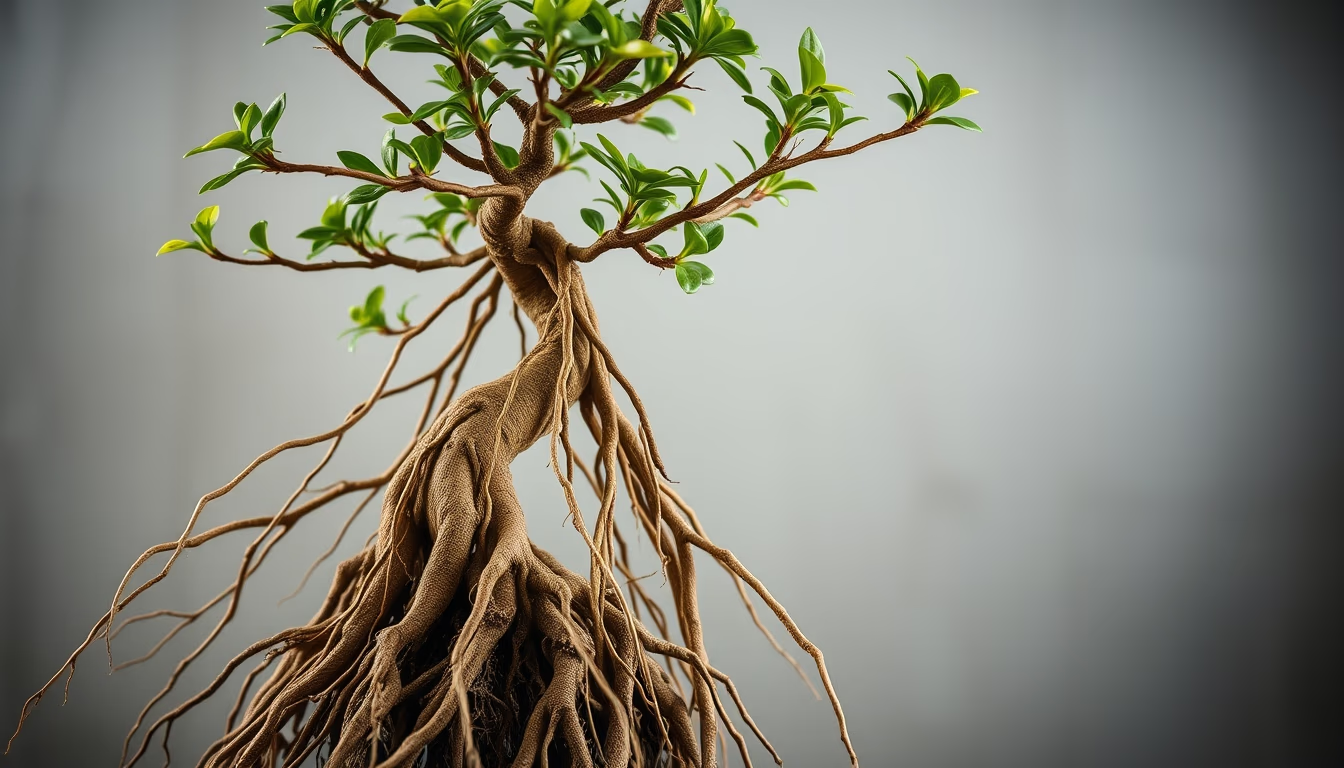
To compose a forest landscape, artists select species that harmonize, such as Japanese black pine (Pinus thunbergii), hinoki cypress (Chamaecyparis obtusa), and Japanese maple (Acer palmatum). Placement follows principles like the rule of thirds and alternating planes: taller trees in the back, shorter in front, creating a sense of distance. Roots are pruned and intertwined, and the soil is covered with moss to mimic a forest floor.
Culturally, yose-ue embodies wabi-sabi, embracing imperfection and transience. Each arrangement tells a story, like a forest after rain or a sunlit clearing. In the West, the practice gained momentum in the 20th century, with exhibitions and dedicated clubs. In Brazil, the tropical climate requires adaptations, such as using native species (ipê, pitanga) and paying extra attention to watering.
Creating a bonsai forest requires patience and knowledge. Beginners can start with three seedlings of the same species, choose an oval or rectangular pot, and position the main tree slightly off-center. Maintenance includes daily watering, monthly fertilizing, and branch pruning in autumn. Over time, the landscape matures into a living artwork, reflecting the changing seasons.
Frequently Asked Questions
What does yose-ue mean in the context of bonsai?
Yose-ue is the Japanese technique of planting multiple trees in a single pot to create a miniature forest landscape. The term means 'group planting' and aims to represent a natural scene with depth and harmony.
Which tree species are most common in bonsai forests?
Traditional species include Japanese black pine, hinoki cypress, and Japanese maple. In Brazil, native trees like ipê, pitanga, and ficus adapt well. The choice depends on climate and desired effect.
How do you care for a bonsai forest to maintain its natural appearance?
Water daily, fertilize every two months in spring and summer, and prune roots and branches annually. Keep the moss moist and expose the pot to indirect light. Protect from severe cold in winter.
Direct URL
https://pub-c7d6a6ea828543ac903a74a341ccb2e1.r2.dev/imagens/bonsai-forest-landscape-isometric-flat-lay-fresh4.avifHow to credit
Include a visible link back to UtilizAí. Copy one of the snippets below:
<a href="https://xn--utiliza-eza.com/en/midia/imagens/bonsai-forest-landscape-isometric-flat-lay-fresh4">Bonsai forest landscape</a> by <a href="https://xn--utiliza-eza.com">UtilizAí</a>, licensed under <a href="https://creativecommons.org/licenses/by/4.0/">CC BY 4.0</a>.
[Bonsai forest landscape](https://xn--utiliza-eza.com/en/midia/imagens/bonsai-forest-landscape-isometric-flat-lay-fresh4) by [UtilizAí](https://xn--utiliza-eza.com), CC BY 4.0
License: CC-BY-4.0