Bonsai ficus aerial roots
1344×768 · AVIF · CC BY 4.0

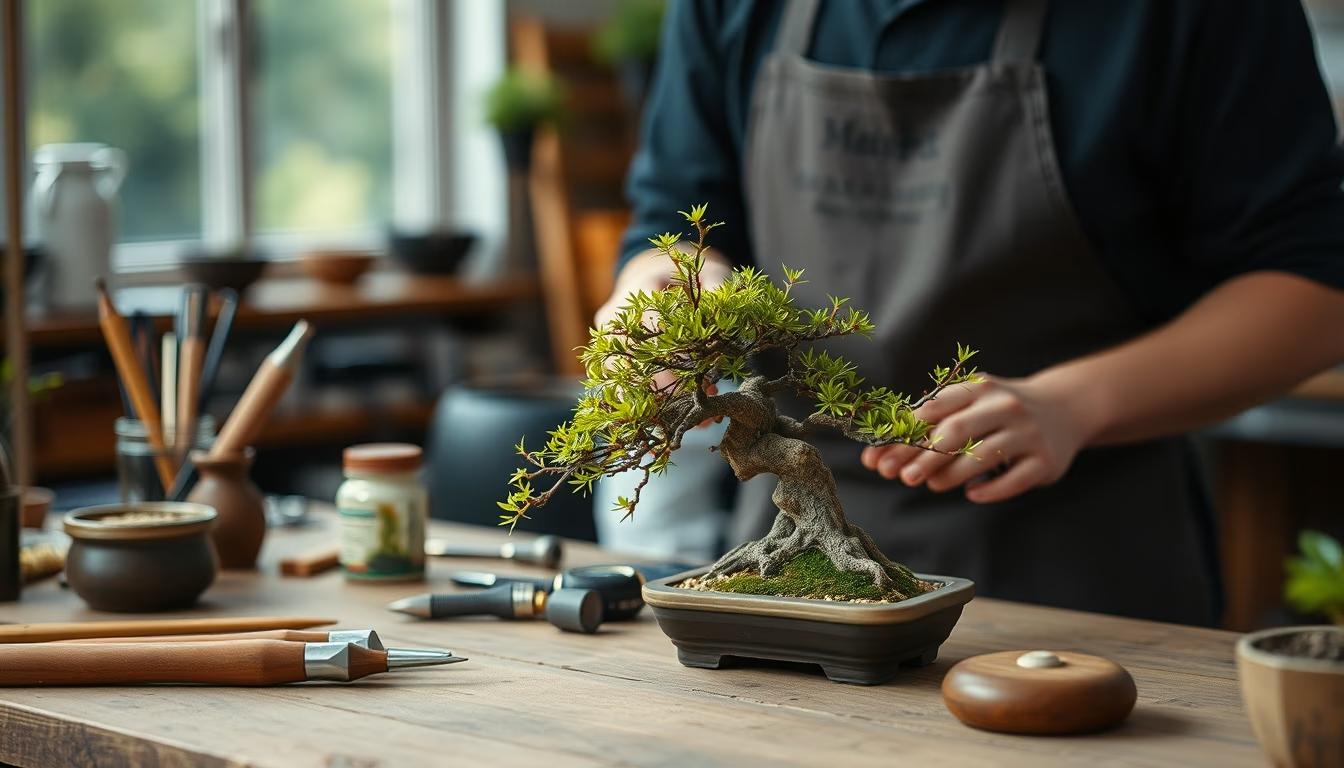
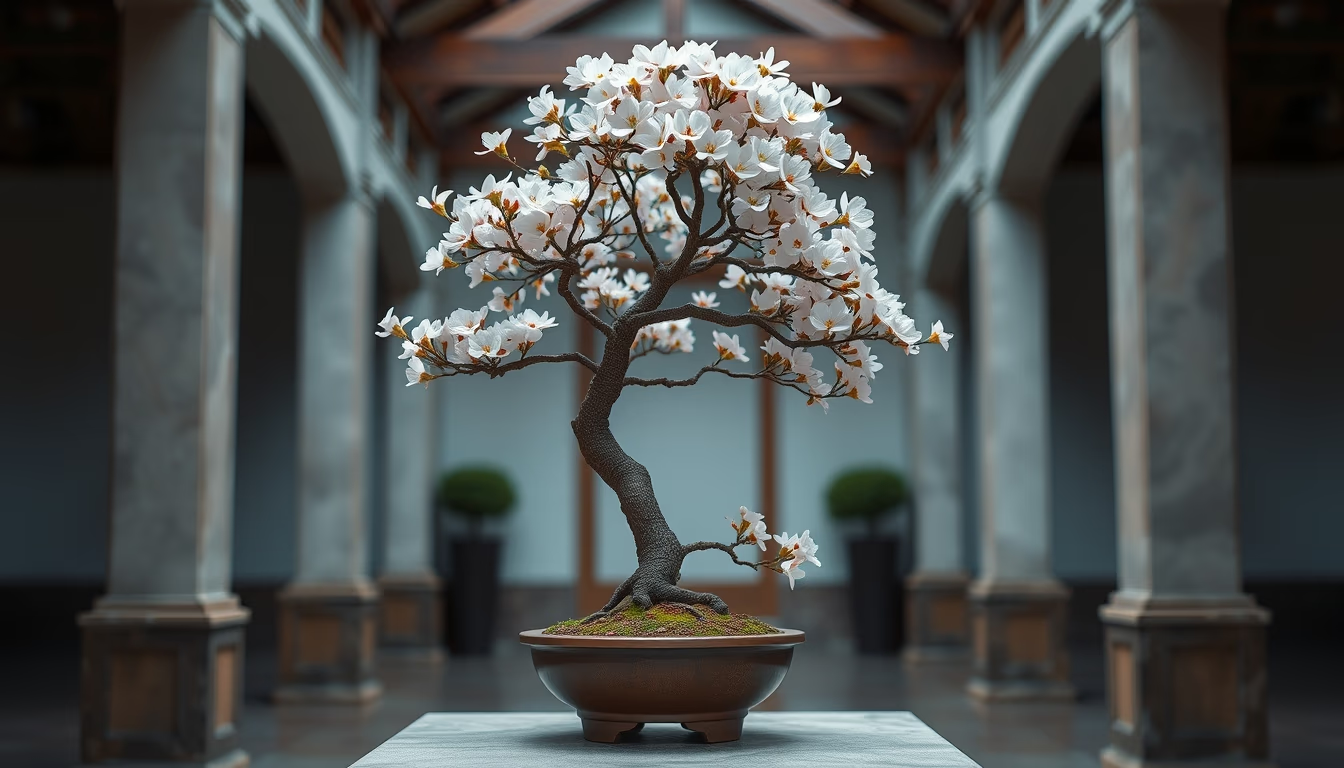
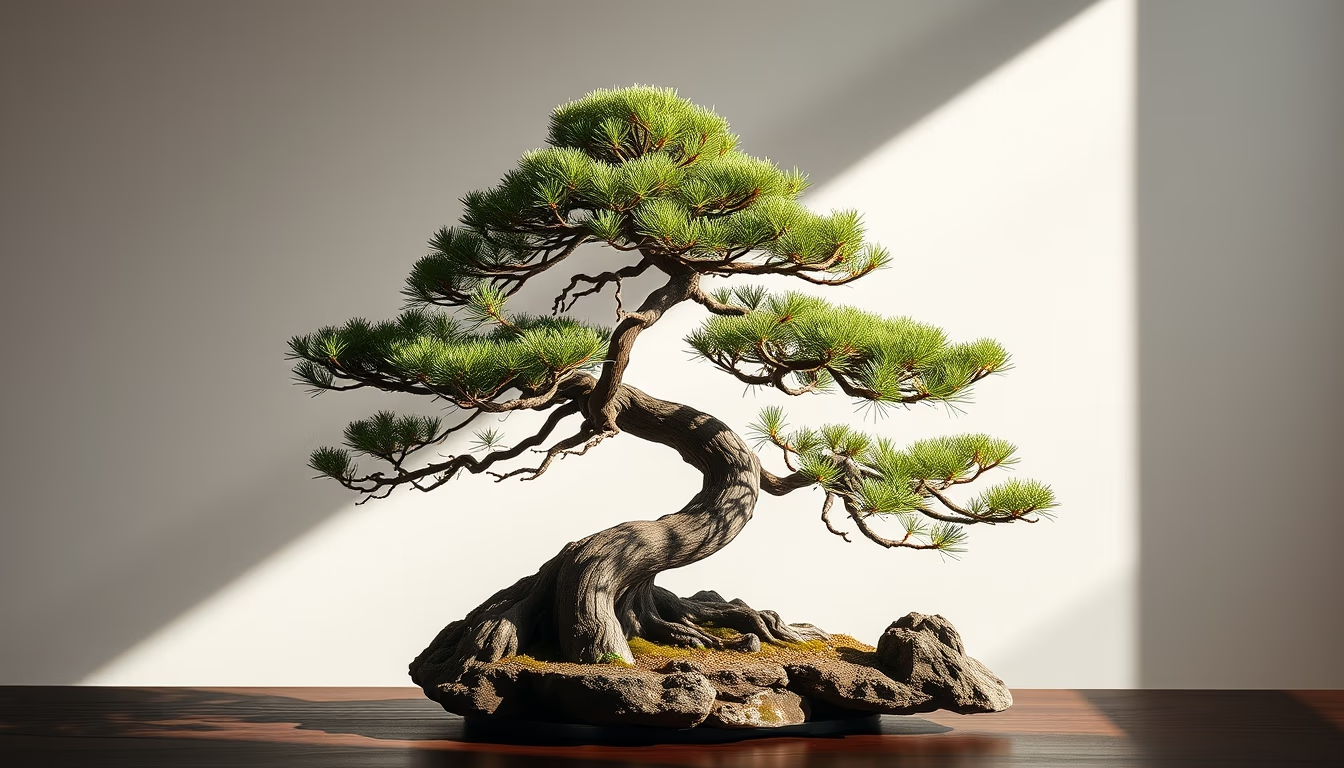
Bonsai ficus with aerial roots: an ancient technique that transforms tropical trees into natural and sculptural miniatures.
About this subject
Ficus bonsai is one of the most popular species among beginners and experienced practitioners due to its resilience and ease of adaptation to pruning and shaping. Native to tropical regions of Asia and Australia, the genus Ficus includes over 800 species, with Ficus retusa and Ficus microcarpa being the most common in bonsai cultivation. Aerial roots, a striking feature of these trees, develop naturally in humid environments and can be encouraged by specific cultivation techniques, such as using sphagnum moss or humidity chambers.
In the context of bonsai, aerial roots are not just a biological phenomenon but a valued aesthetic element. They evoke images of ancient trees in tropical forests, where strangler figs begin life as epiphytes and over time send down roots that envelop their host. In bonsai, aerial rooting is controlled to create compositions that mimic nature in miniature, requiring patience and knowledge of plant physiology. The composition technique, known as 'mise en scène', includes positioning these roots to suggest age and resilience.
The popularity of ficus as bonsai is also due to its ability to grow indoors with indirect light, making it accessible to those without a garden. Additionally, the species responds well to techniques such as wiring and maintenance pruning, allowing artists to shape the tree over the years. However, aerial roots require special attention: they need high atmospheric humidity, and in dry climates, the use of misters or humidity trays with wet pebbles is essential. Without proper care, the roots can dry out and die, compromising the design.
Interestingly, in Japan and other Asian countries, ficus with aerial roots are called 'tropical forest bonsai' and are often displayed at international exhibitions. The presence of these roots not only adds aesthetic value but also functional benefits: they increase the surface area for nutrient and oxygen absorption, benefiting the plant's health. For a collector, a ficus bonsai with well-developed aerial roots is a sign of expertise and dedication, as the process takes 5 to 10 years to achieve a natural appearance.
Frequently Asked Questions
How to encourage aerial root growth in a ficus bonsai?
To encourage aerial roots, maintain high humidity around the plant using a humidifier or a tray with pebbles and water. Another technique is to wrap parts of the trunk with moist sphagnum moss and clear plastic, creating a humidity chamber. Apply rooting hormone to stimulate formation.
What are the essential care tips for a ficus bonsai with aerial roots?
Besides regular watering, provide bright indirect light and high humidity. The aerial roots must not dry out; mist them daily. Use well-draining soil and fertilize during spring and summer. Avoid dry drafts and severe pruning that could stress the plant.
Why are aerial roots important in ficus bonsai design?
Aerial roots add realism and a sense of age to the miniature, mimicking ancient tropical trees. They create a robust visual base and can be positioned to balance the composition, making the bonsai more natural and impressive in exhibitions.
Direct URL
https://pub-c7d6a6ea828543ac903a74a341ccb2e1.r2.dev/imagens/bonsai-ficus-aerial-roots-aerial-drone-shot-fresh12.avifHow to credit
Include a visible link back to UtilizAí. Copy one of the snippets below:
<a href="https://xn--utiliza-eza.com/en/midia/imagens/bonsai-ficus-aerial-roots-aerial-drone-shot-fresh12">Bonsai ficus aerial roots</a> by <a href="https://xn--utiliza-eza.com">UtilizAí</a>, licensed under <a href="https://creativecommons.org/licenses/by/4.0/">CC BY 4.0</a>.
[Bonsai ficus aerial roots](https://xn--utiliza-eza.com/en/midia/imagens/bonsai-ficus-aerial-roots-aerial-drone-shot-fresh12) by [UtilizAí](https://xn--utiliza-eza.com), CC BY 4.0
License: CC-BY-4.0