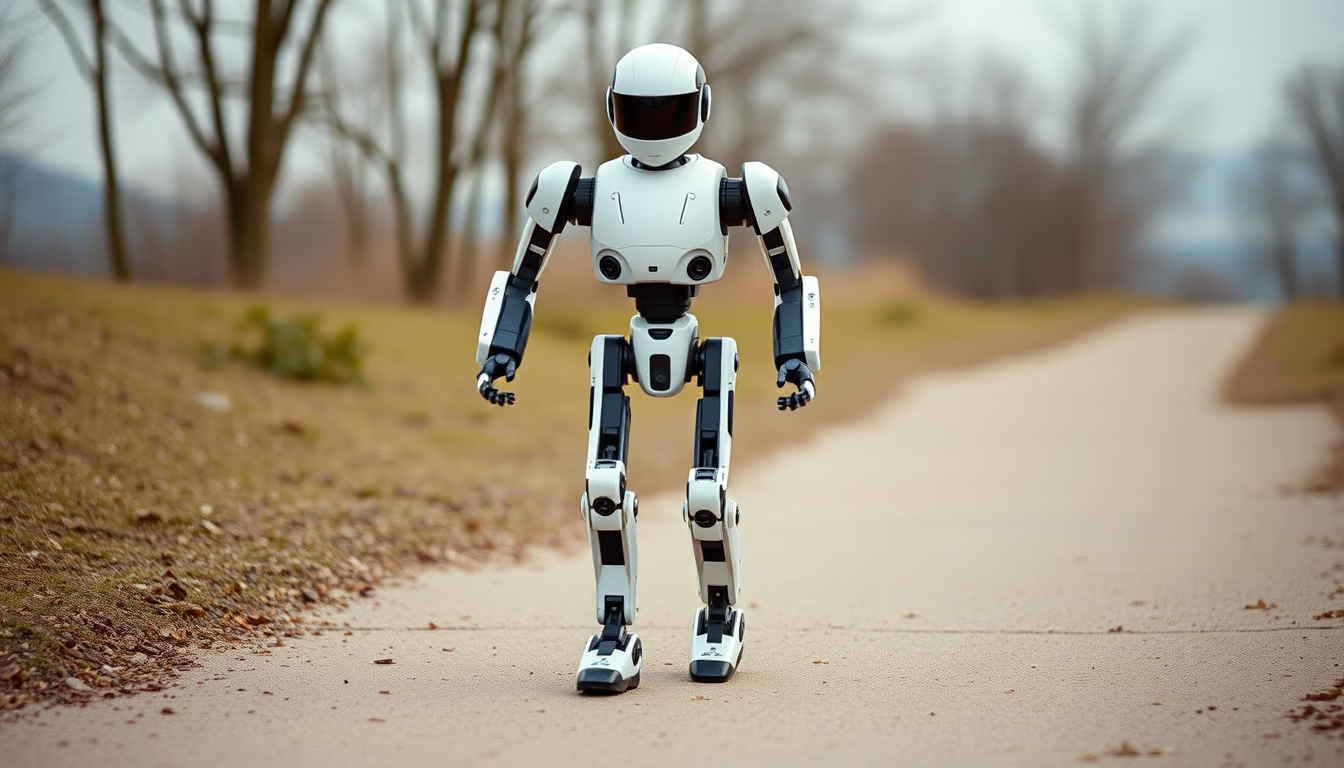
Bipedal robot walking
1344×768 · AVIF · CC BY 4.0
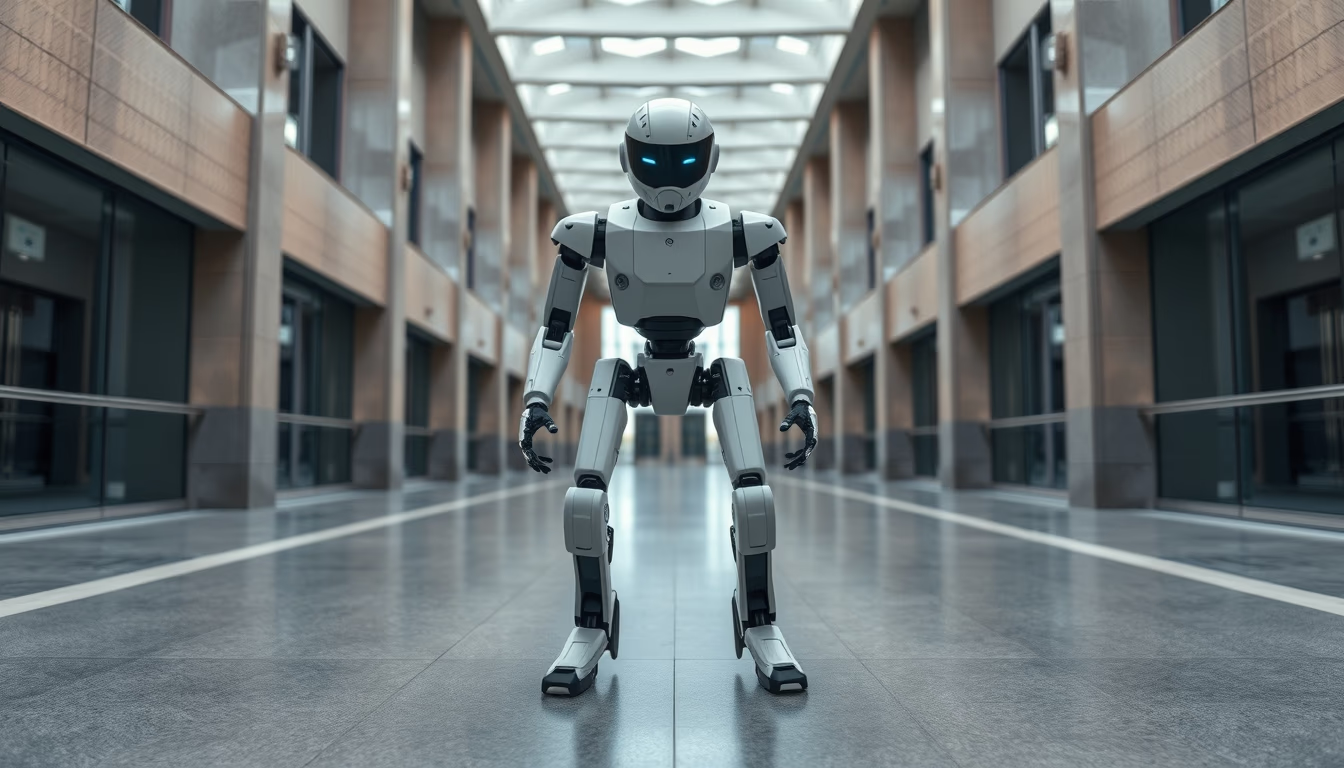
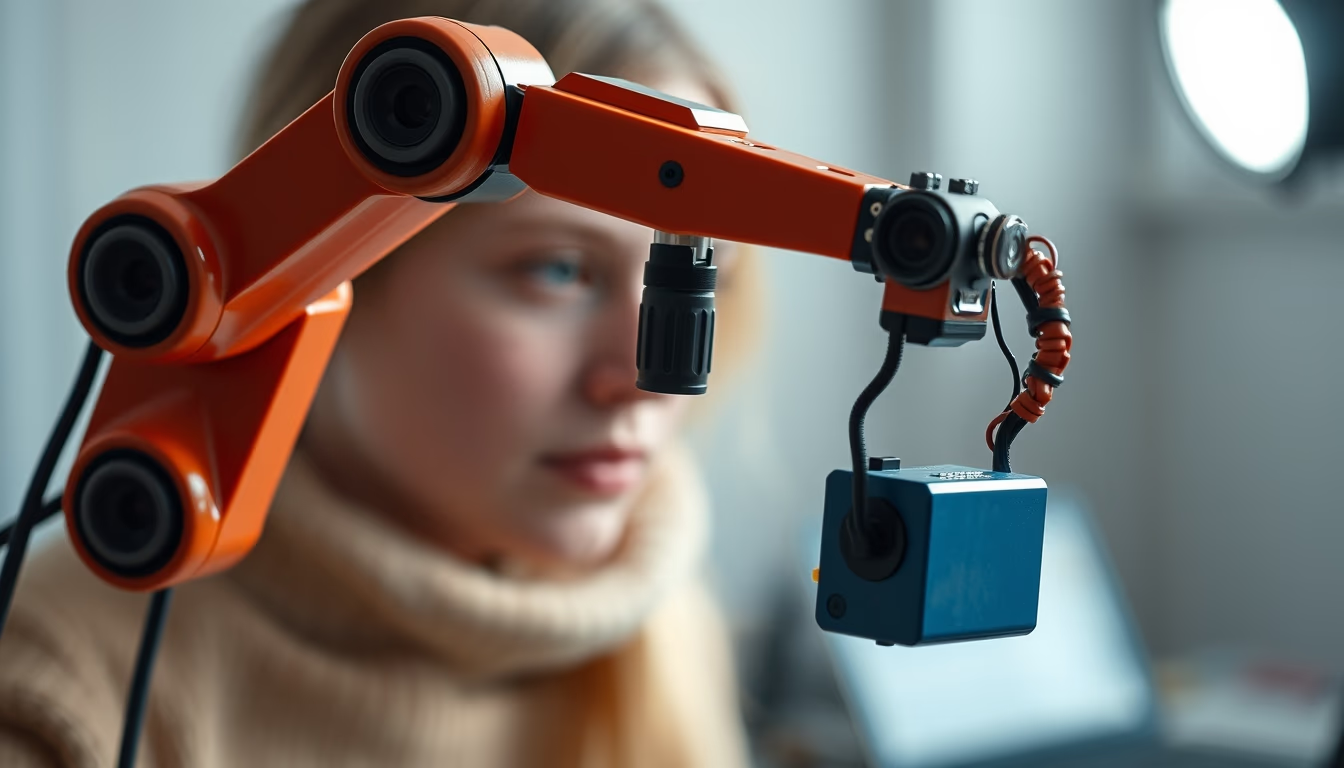
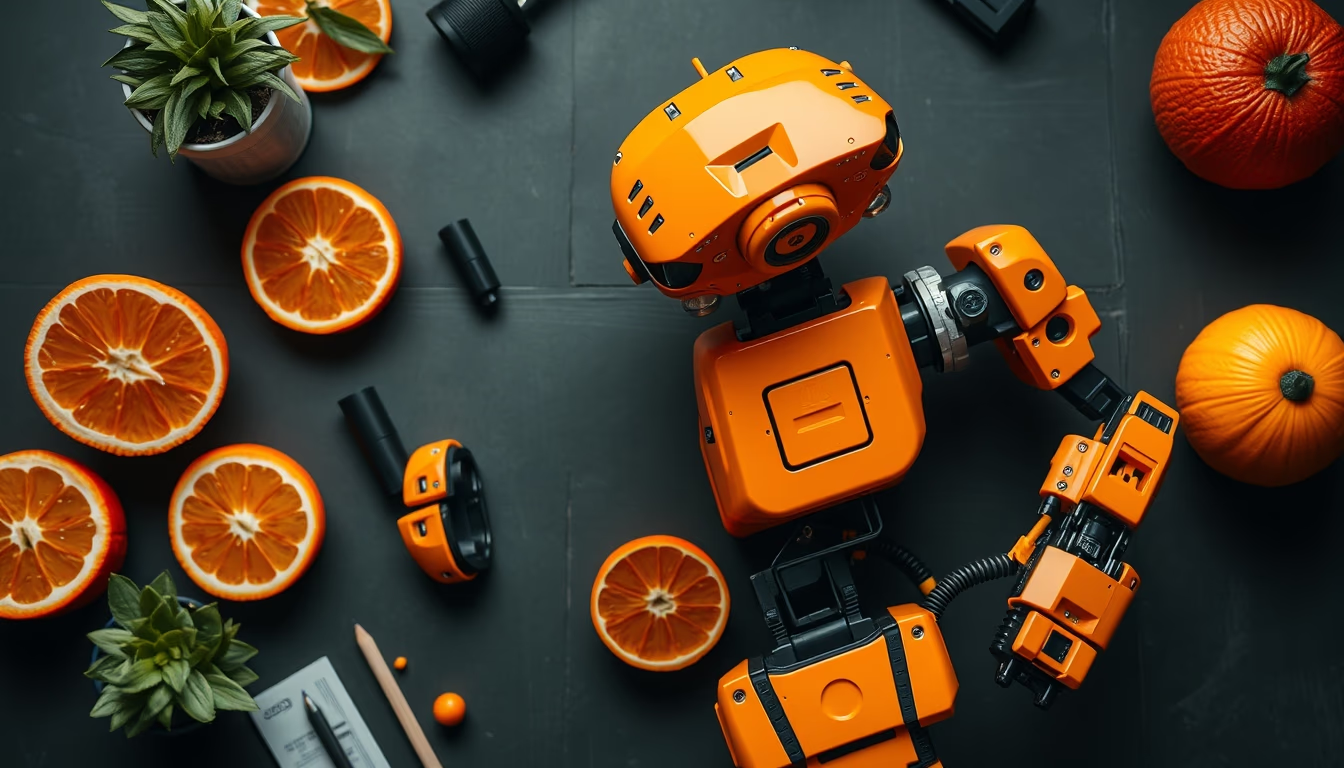
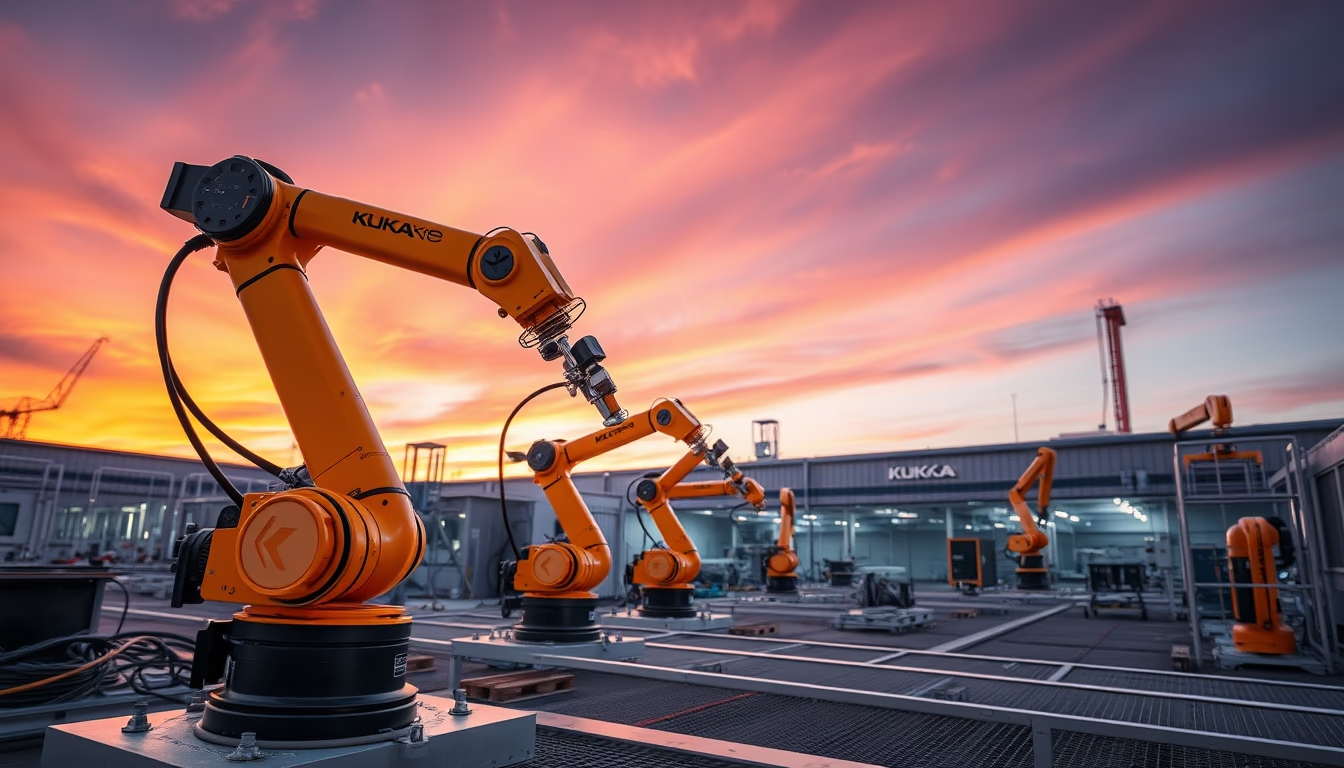
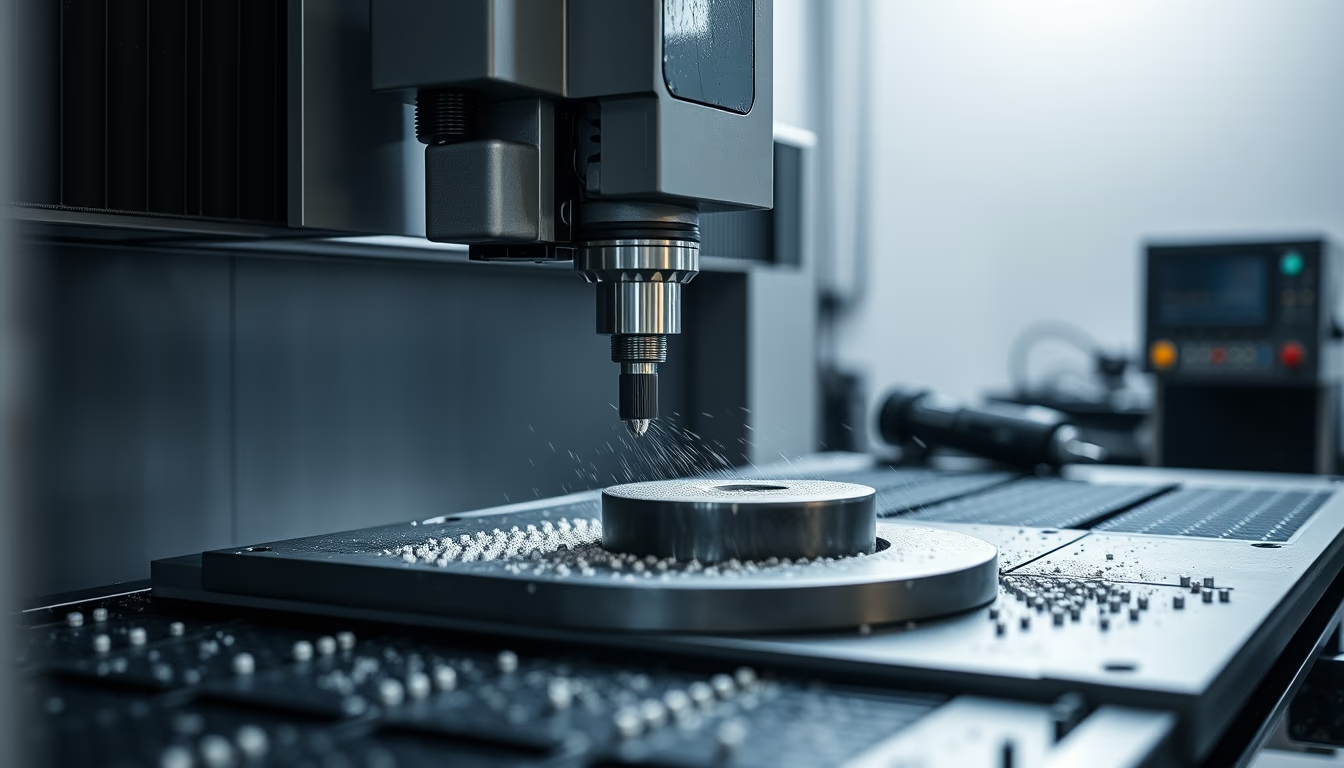
Biped robots walk with stability and balance, combining biomechanics and artificial intelligence for complex tasks.
About this subject
Biped robots represent one of modern robotics' greatest challenges: replicating human locomotion. Unlike wheeled or tracked robots, bipeds must maintain dynamic balance at every step, constantly adjusting the center of mass using actuators and sensors. Development began in the 1970s with projects like WABOT-1 in Japan, and advanced with Honda's ASIMO and Boston Dynamics' Atlas. Today, these robots use predictive control algorithms and reinforcement learning to adapt to uneven terrain, stairs, and obstacles.
In Brazil, research on bipedal robotics is conducted at universities like USP and UFMG, focusing on intelligent prosthetics and exoskeletons for rehabilitation. Artificial intelligence enables real-time gait correction, reducing energy consumption. Bipedal locomotion is essential for human-designed environments such as factories and hospitals, where legged robots can outperform wheeled vehicles.
Practical applications include disaster response, hazardous inspection, and domestic assistance. Atlas has demonstrated running, jumping, and parkour. In industry, biped robots are tested for maintenance on offshore platforms and nuclear plants. The main obstacles remain cost and mechanical complexity, but trends point toward greater accessibility with advancing materials and sensors.
Integration with cloud platforms like Wave Cloudflare Workers AI enables remote data processing, facilitating real-time coordination of multiple robots. This combination of robotics and cloud computing expands control and monitoring capabilities, making bipeds more autonomous and reliable.
Frequently Asked Questions
How do biped robots maintain balance while walking?
They use sensors like gyroscopes and accelerometers to detect tilt, and control algorithms that adjust motor torque in each leg, shifting the center of mass to maintain dynamic stability.
What are the most advanced biped robots today?
Boston Dynamics' Atlas and Honda's ASIMO are leaders. Atlas performs complex moves like jumps and runs, while ASIMO set benchmarks in human-robot interaction.
Are biped robots used in everyday life?
Mostly experimental. Real-world uses include disaster rescue and industrial inspection, but high costs and specialized maintenance limit domestic adoption.
Direct URL
https://pub-c7d6a6ea828543ac903a74a341ccb2e1.r2.dev/imagens/bipedal-robot-walking-architectural-photography-p11.avifHow to credit
Include a visible link back to UtilizAí. Copy one of the snippets below:
<a href="https://xn--utiliza-eza.com/en/midia/imagens/bipedal-robot-walking-architectural-photography-p11">Bipedal robot walking</a> by <a href="https://xn--utiliza-eza.com">UtilizAí</a>, licensed under <a href="https://creativecommons.org/licenses/by/4.0/">CC BY 4.0</a>.
[Bipedal robot walking](https://xn--utiliza-eza.com/en/midia/imagens/bipedal-robot-walking-architectural-photography-p11) by [UtilizAí](https://xn--utiliza-eza.com), CC BY 4.0
License: CC-BY-4.0