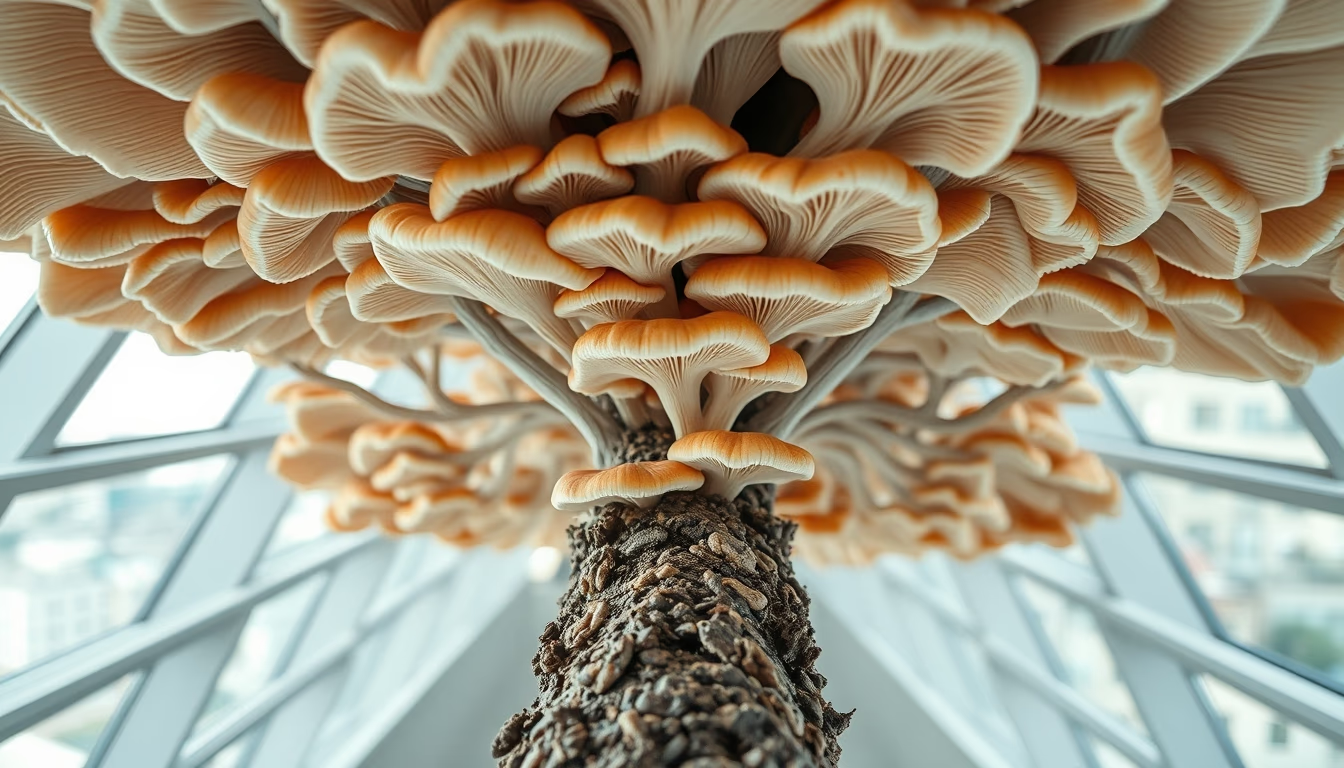
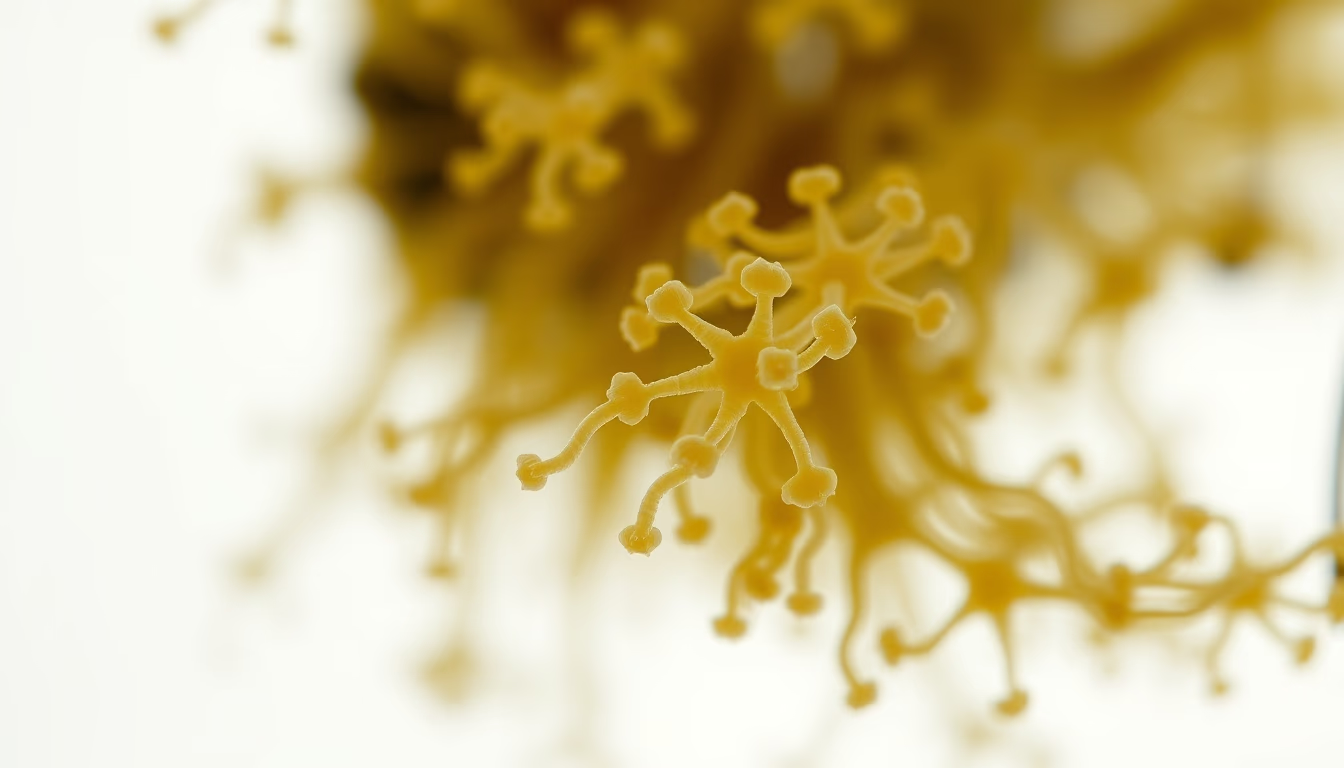
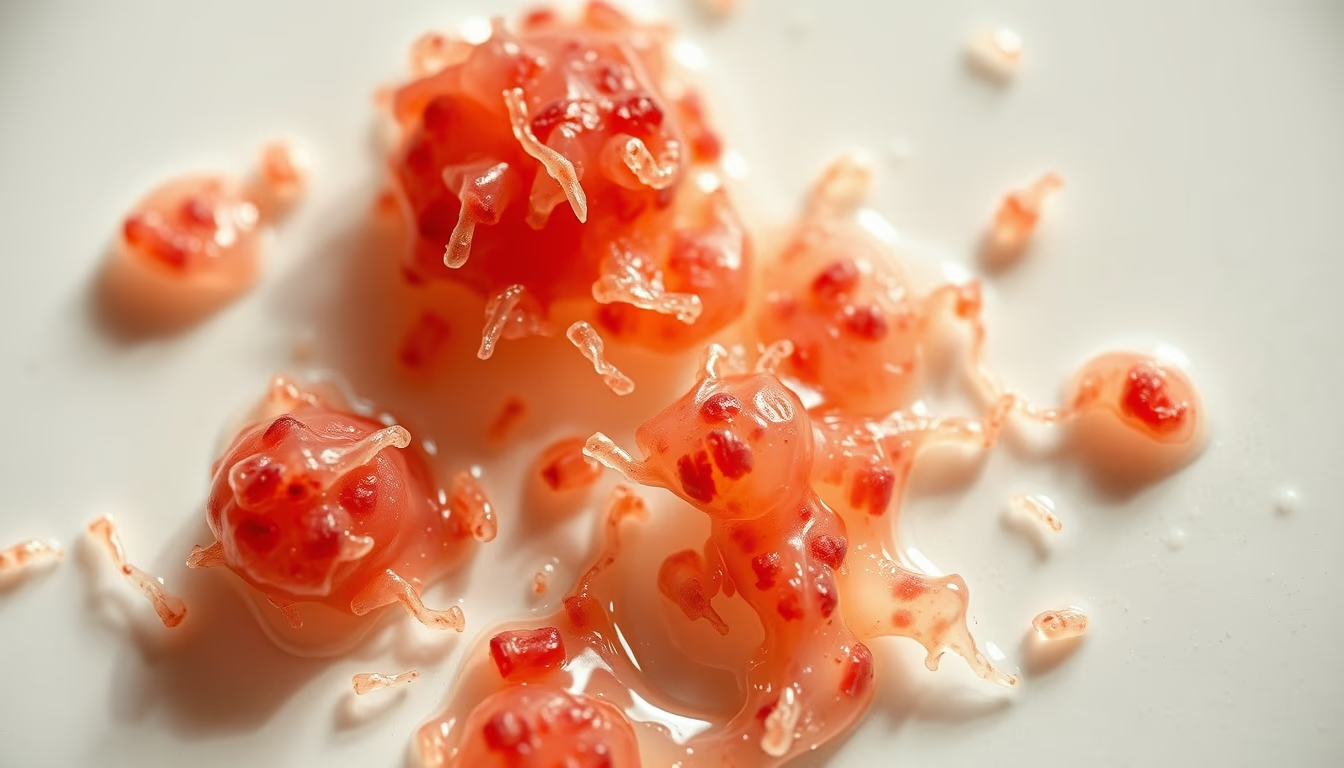
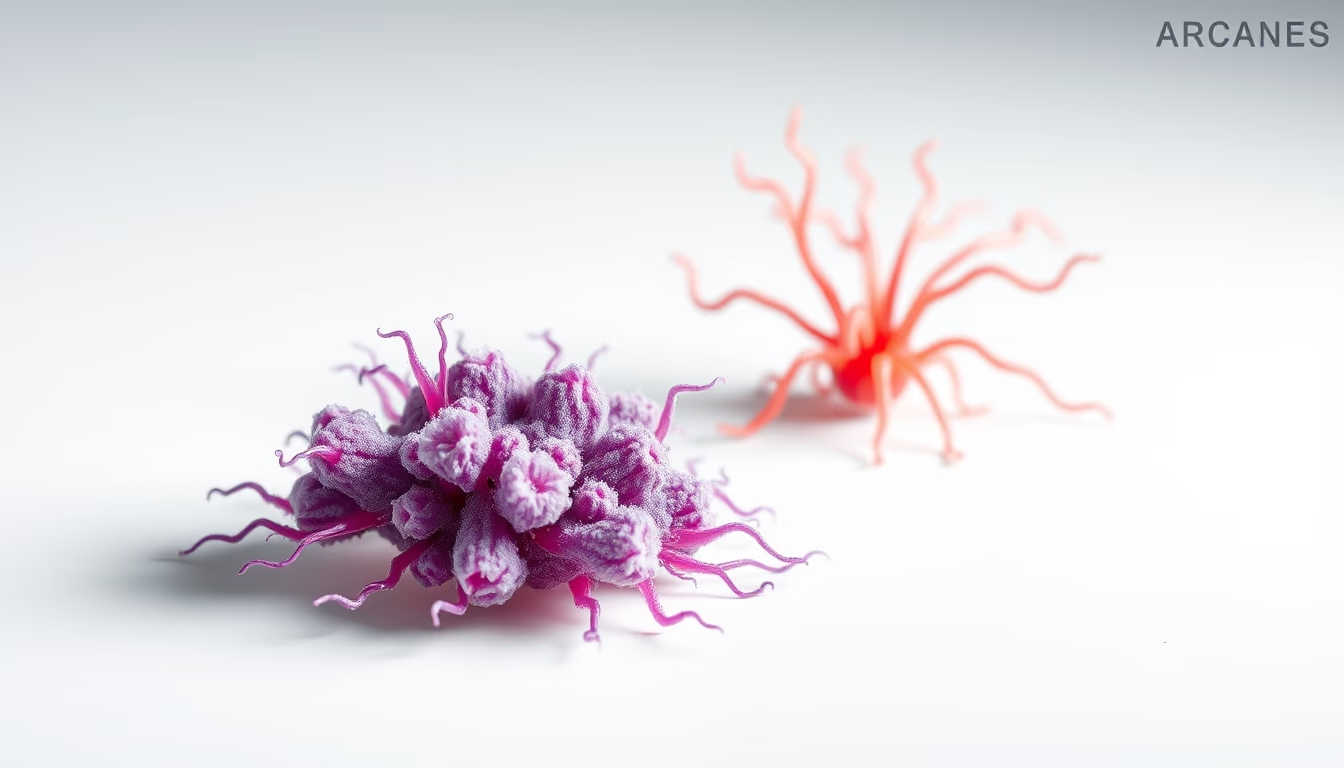
Biofilm bacterial slime
1344×768 · AVIF · CC BY 4.0
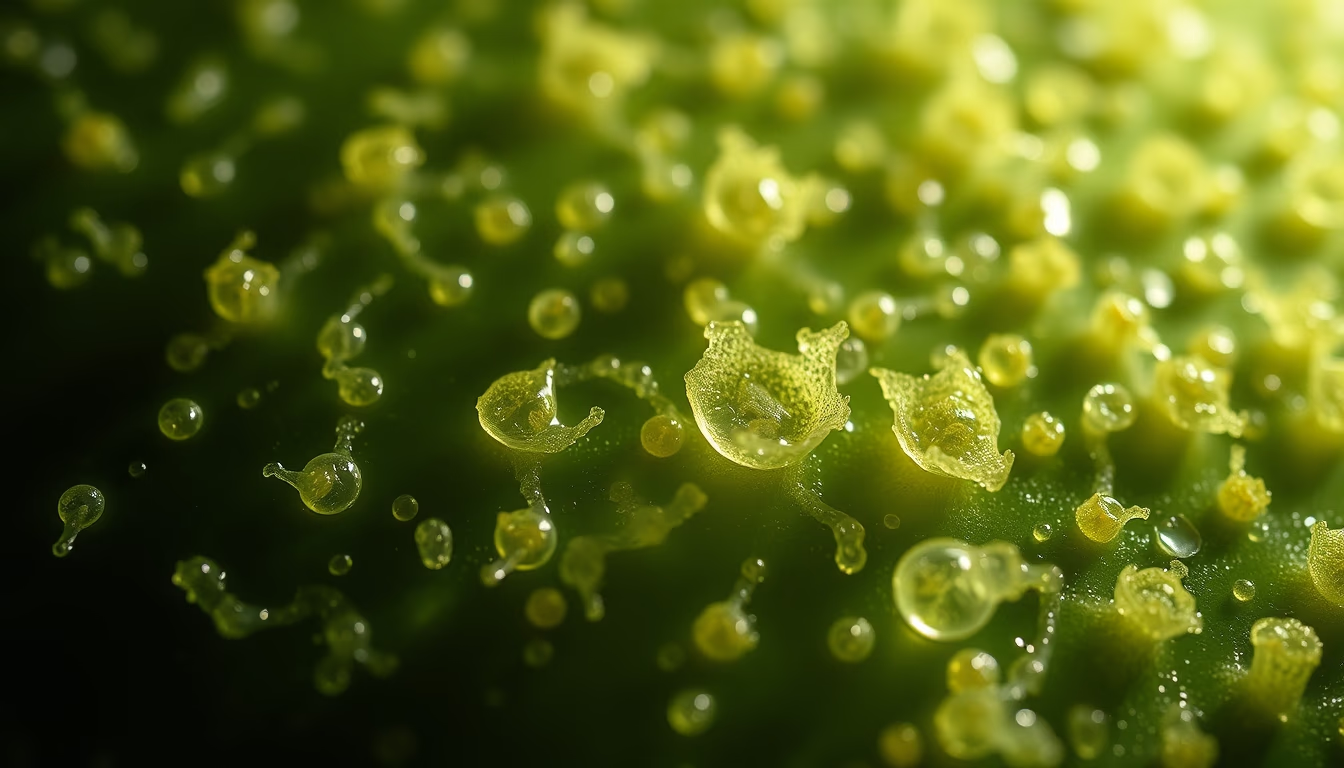
Biofilms are bacterial communities encased in a self-produced polymeric matrix, granting protection and resistance.
About this subject
Bacterial biofilms are complex communities of microorganisms attached to surfaces and encased in a self-produced extracellular matrix of polysaccharides, proteins, and DNA. This slimy matrix, often called bacterial slime, acts as a physical and chemical shield, protecting bacteria from antibiotics, disinfectants, and the host immune system. Biofilm formation is a dynamic process: planktonic bacteria initially adhere to a surface, then multiply and produce the matrix, maturing into a structured three-dimensional community.
Biofilms are ubiquitous in nature and human-made environments. In medicine, they are associated with chronic infections such as endocarditis, catheter and prosthetic infections, and dental plaque (caries and periodontitis). In industry, they cause biofouling in pipes, microbial corrosion, and contamination in water systems. A notable example is the biofilm formed by Pseudomonas aeruginosa in the lungs of cystic fibrosis patients, leading to persistent infections.
The resistance of biofilms to treatment is a major clinical challenge. The matrix limits drug penetration; cells deep inside enter a low metabolic state, becoming tolerant; and resistance genes are exchanged among bacteria. Research focuses on strategies such as matrix-degrading enzymes, bacteriophages, and anti-adhesive surfaces to prevent formation. Understanding biofilms is crucial for fields like microbiology, tissue engineering, and biotechnology, where beneficial biofilms are used in bioremediation and biofuel production.
Frequently Asked Questions
What is a bacterial biofilm?
A bacterial biofilm is a community of microorganisms attached to a surface and encased in a self-produced polymeric matrix. This matrix provides protection against external threats such as antibiotics.
How do biofilms form?
Formation begins with planktonic bacteria adhering to a surface. They then multiply and secrete the extracellular matrix, maturing into a complex three-dimensional structure.
Why are biofilms resistant to antibiotics?
The matrix hinders antibiotic penetration, and cells inside enter a low metabolic state, becoming tolerant. Additionally, resistance genes are exchanged among bacteria within the biofilm.
Direct URL
https://pub-c7d6a6ea828543ac903a74a341ccb2e1.r2.dev/imagens/biofilm-bacterial-slime-rembrandt-lighting-dramatic-shadows-fresh9.avifHow to credit
Include a visible link back to UtilizAí. Copy one of the snippets below:
<a href="https://xn--utiliza-eza.com/en/midia/imagens/biofilm-bacterial-slime-rembrandt-lighting-dramatic-shadows-fresh9">Biofilm bacterial slime</a> by <a href="https://xn--utiliza-eza.com">UtilizAí</a>, licensed under <a href="https://creativecommons.org/licenses/by/4.0/">CC BY 4.0</a>.
[Biofilm bacterial slime](https://xn--utiliza-eza.com/en/midia/imagens/biofilm-bacterial-slime-rembrandt-lighting-dramatic-shadows-fresh9) by [UtilizAí](https://xn--utiliza-eza.com), CC BY 4.0
License: CC-BY-4.0