Biofilm bacterial slime
1344×768 · AVIF · CC BY 4.0
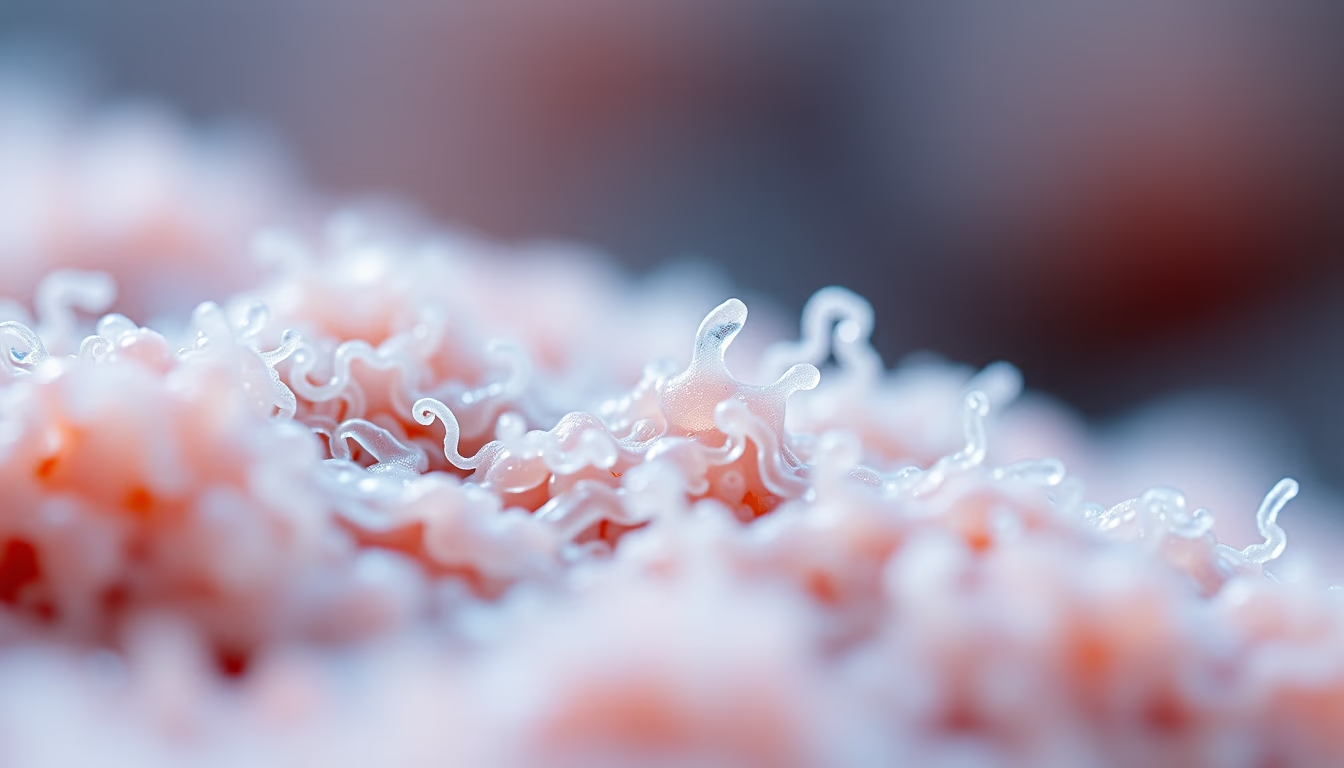
Bacterial biofilm is a community of microorganisms encased in an extracellular matrix, attached to moist surfaces, significant in health and industry.
About this subject
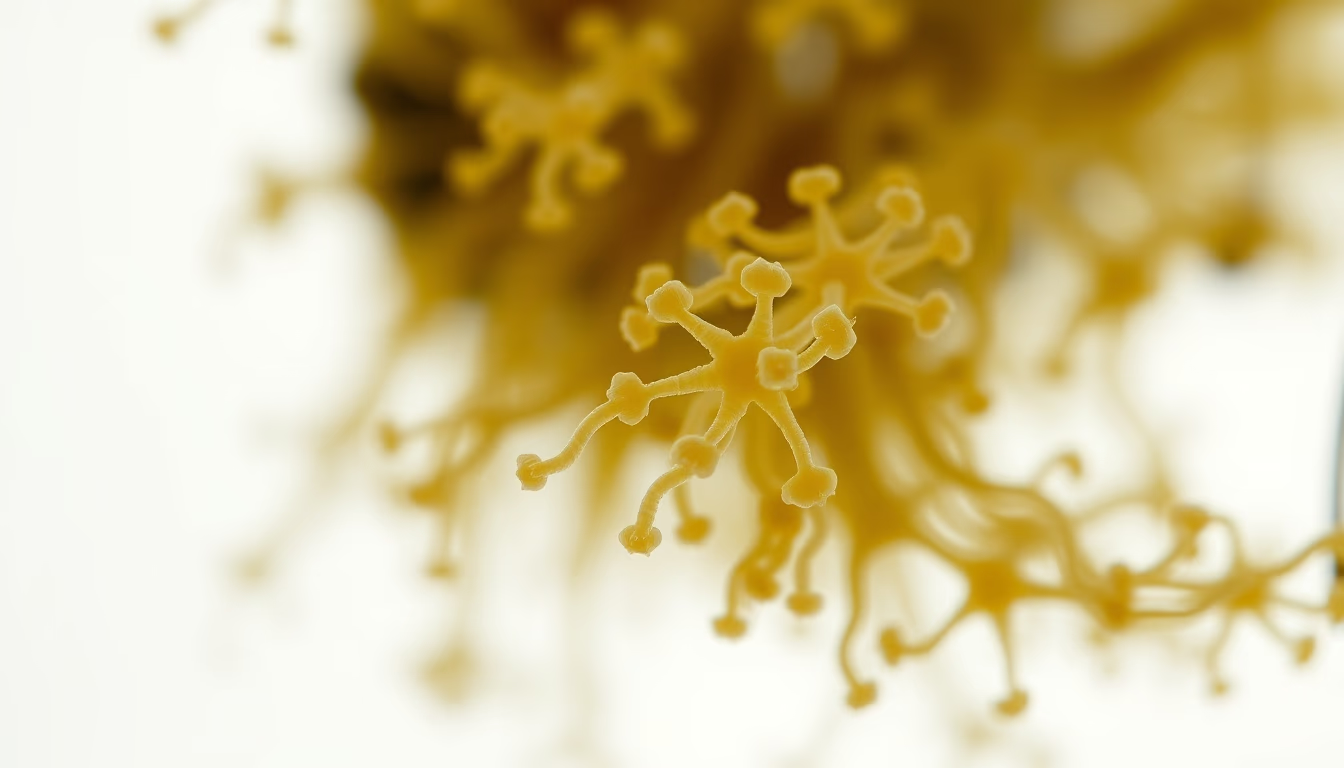
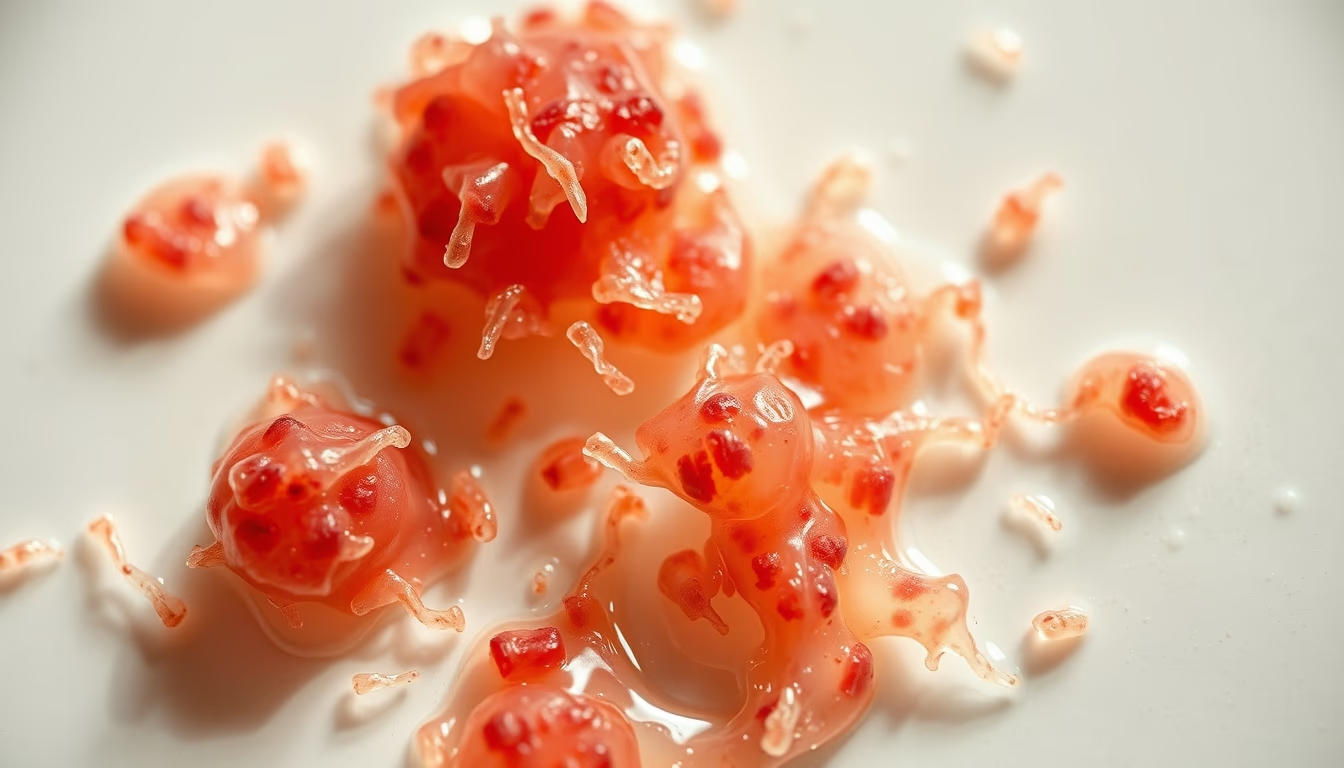
Bacterial biofilm is a complex structure formed by communities of microorganisms, primarily bacteria, that attach to solid surfaces and produce an extracellular matrix rich in polysaccharides, proteins, and DNA. This matrix, often called slime, protects bacteria from environmental stresses such as desiccation, UV radiation, and antibiotics. Biofilm formation occurs in stages: initial irreversible adhesion, maturation with matrix production, and dispersal of cells to colonize new sites.
Unlike free-swimming planktonic cells, bacteria in biofilms exhibit altered phenotypes, including increased resistance to antimicrobials. It is estimated that 80% of chronic bacterial infections in humans are associated with biofilms, such as those on prosthetics, catheters, and infected tissues (e.g., in cystic fibrosis and periodontitis). In nature, biofilms are essential for biogeochemical cycles, such as in bioremediation of pollutants and the formation of microbial mats in aquatic ecosystems.
In industry, biofilms can cause fouling and corrosion in pipelines, water systems, and food processing equipment, leading to economic losses. However, they are also applied in bioreactors for wastewater treatment and biofuel production. Biofilm research aims to develop control strategies such as using bacteriocins, matrix-degrading enzymes, and anti-adhesive surfaces. A curious example is the microbial mats inspired by Sharklet surfaces, microstructures that inhibit bacterial colonization.
Frequently Asked Questions
What is bacterial biofilm and why is it resistant to antibiotics?
Bacterial biofilm is a community of bacteria encased in a protective matrix. This matrix hinders antibiotic penetration, and bacteria within the biofilm enter a low-metabolic state, making them more tolerant.
Where are biofilms found in the human body?
Biofilms can form on surfaces such as teeth (dental plaque), lungs of cystic fibrosis patients, chronic wounds, joint prostheses, and urinary catheters.
How can biofilms be beneficial for the environment?
Biofilms are used in wastewater treatment plants to degrade organic pollutants, in bioremediation of oil spills, and in nutrient cycling in aquatic ecosystems.
Direct URL
https://pub-c7d6a6ea828543ac903a74a341ccb2e1.r2.dev/imagens/biofilm-bacterial-slime-macro-closeup-fresh14.avifHow to credit
Include a visible link back to UtilizAí. Copy one of the snippets below:
<a href="https://xn--utiliza-eza.com/en/midia/imagens/biofilm-bacterial-slime-macro-closeup-fresh14">Biofilm bacterial slime</a> by <a href="https://xn--utiliza-eza.com">UtilizAí</a>, licensed under <a href="https://creativecommons.org/licenses/by/4.0/">CC BY 4.0</a>.
[Biofilm bacterial slime](https://xn--utiliza-eza.com/en/midia/imagens/biofilm-bacterial-slime-macro-closeup-fresh14) by [UtilizAí](https://xn--utiliza-eza.com), CC BY 4.0
License: CC-BY-4.0