Binoculars wildlife viewing
1344×768 · AVIF · CC BY 4.0
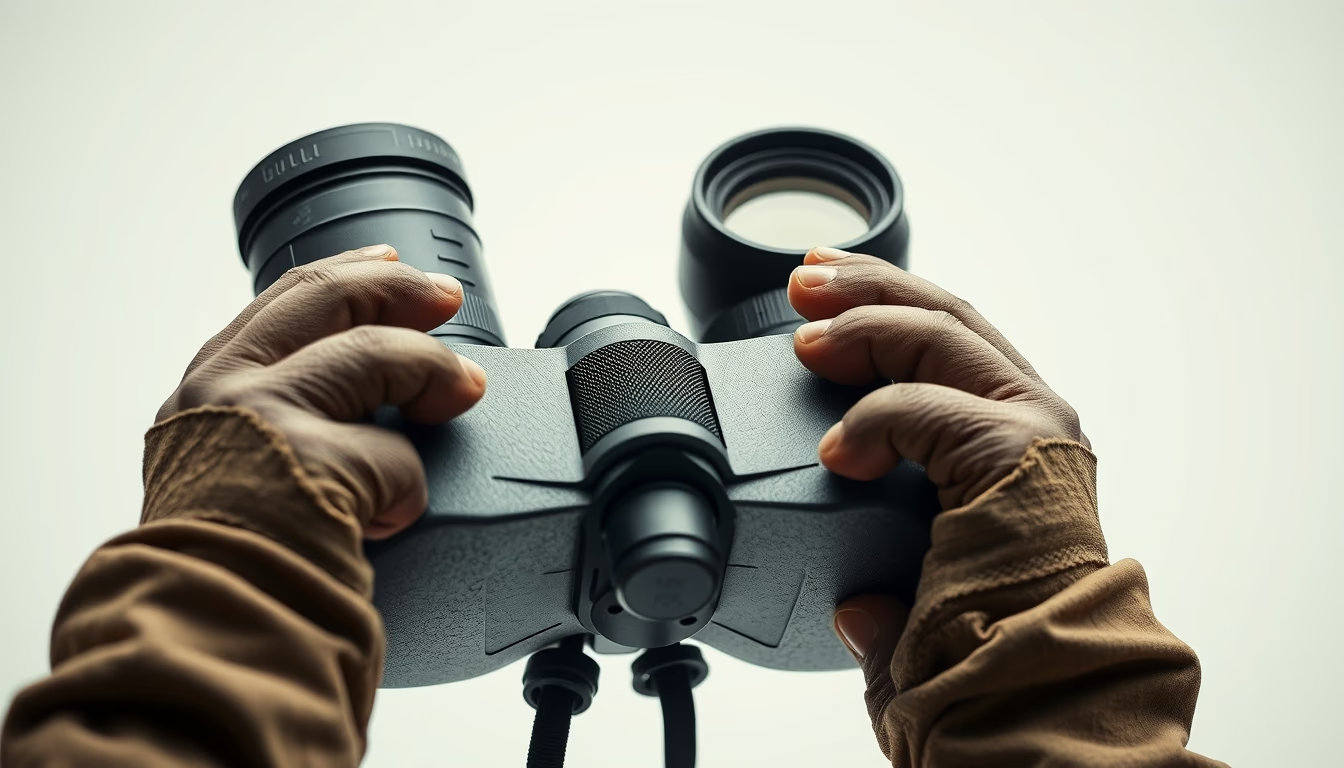
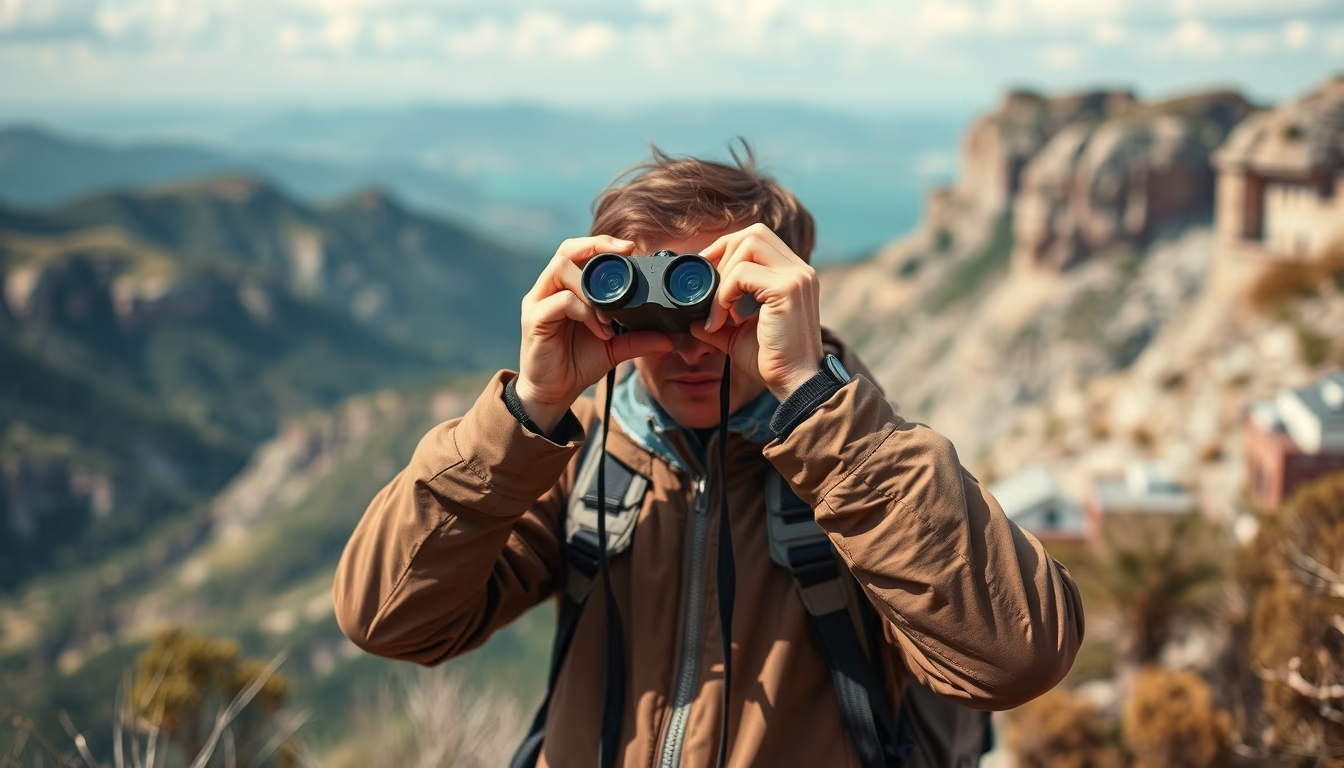
Binóculos para observação de vida selvagem são ferramentas essenciais para entusiastas da natureza, oferecendo aproximação e detalhes sem invadir o habitat dos animais.
Sobre o tema
Binóculos são instrumentos ópticos que permitem a observação ampliada de objetos distantes, compostos por um par de telescópios alinhados. Desde sua invenção no século XVII, evoluíram de modelos rudimentares para dispositivos de alta precisão com lentes revestidas, estabilização de imagem e à prova d'água. Para observação de vida selvagem, são indispensáveis: permitem estudar comportamento animal, identificar espécies e apreciar detalhes da plumagem ou pelagem a distâncias seguras. No Brasil, o uso de binóculos é comum em unidades de conservação como o Pantanal, a Amazônia e a Mata Atlântica, onde turistas e pesquisadores os utilizam para avistar onças, araras e tamanduás.
A escolha de um par ideal envolve entender especificações como ampliação (geralmente 8x ou 10x para observação terrestre) e diâmetro da lente objetiva (que determina a luminosidade). Modelos com campo de visão amplo são preferidos para acompanhar animais em movimento. Além disso, o revestimento das lentes com camadas antirreflexo melhora o contraste e reduz o cansaço visual. Marcas como Nikon, Canon e Vortex são referências, mas há opções nacionais como a Tasco que oferecem bom custo-benefício. Curiosamente, os binóculos modernos descendem dos lunetas de Galileu e dos binóculos de teatro do século XIX.
No contexto cultural, a observação de aves (birdwatching) é um hobby crescente no Brasil, com clubes e guias especializados. Eventos como o Festival de Observação de Aves de Tapiraí (SP) atraem milhares de participantes. Binóculos também são usados em safáris, expedições científicas e até como ferramenta educacional em escolas. Para garantir durabilidade, é recomendado armazenar os binóculos em estojo com sílica-gel para evitar umidade e fungos.
Perguntas frequentes
Qual a melhor ampliação para observar aves?
Normalmente 8x ou 10x, pois equilibram estabilidade e campo de visão.
Binóculos à prova d'água são necessários no Brasil?
Sim, especialmente em regiões úmidas como a Amazônia ou durante chuvas.
Posso usar binóculos com óculos?
Sim, modelos com ajuste de distância interpupilar e olho de borracha são adequados.
URL direta
https://pub-c7d6a6ea828543ac903a74a341ccb2e1.r2.dev/imagens/binoculars-wildlife-viewing-commercial-product-photography-p1.avifComo creditar
Inclua um link visível de volta pro UtilizAí. Copie um dos snippets abaixo:
<a href="https://xn--utiliza-eza.com/midia/imagens/binoculars-wildlife-viewing-commercial-product-photography-p1">Binoculars wildlife viewing</a> by <a href="https://xn--utiliza-eza.com">UtilizAí</a>, licensed under <a href="https://creativecommons.org/licenses/by/4.0/">CC BY 4.0</a>.
[Binoculars wildlife viewing](https://xn--utiliza-eza.com/midia/imagens/binoculars-wildlife-viewing-commercial-product-photography-p1) by [UtilizAí](https://xn--utiliza-eza.com), CC BY 4.0
Licença: CC-BY-4.0