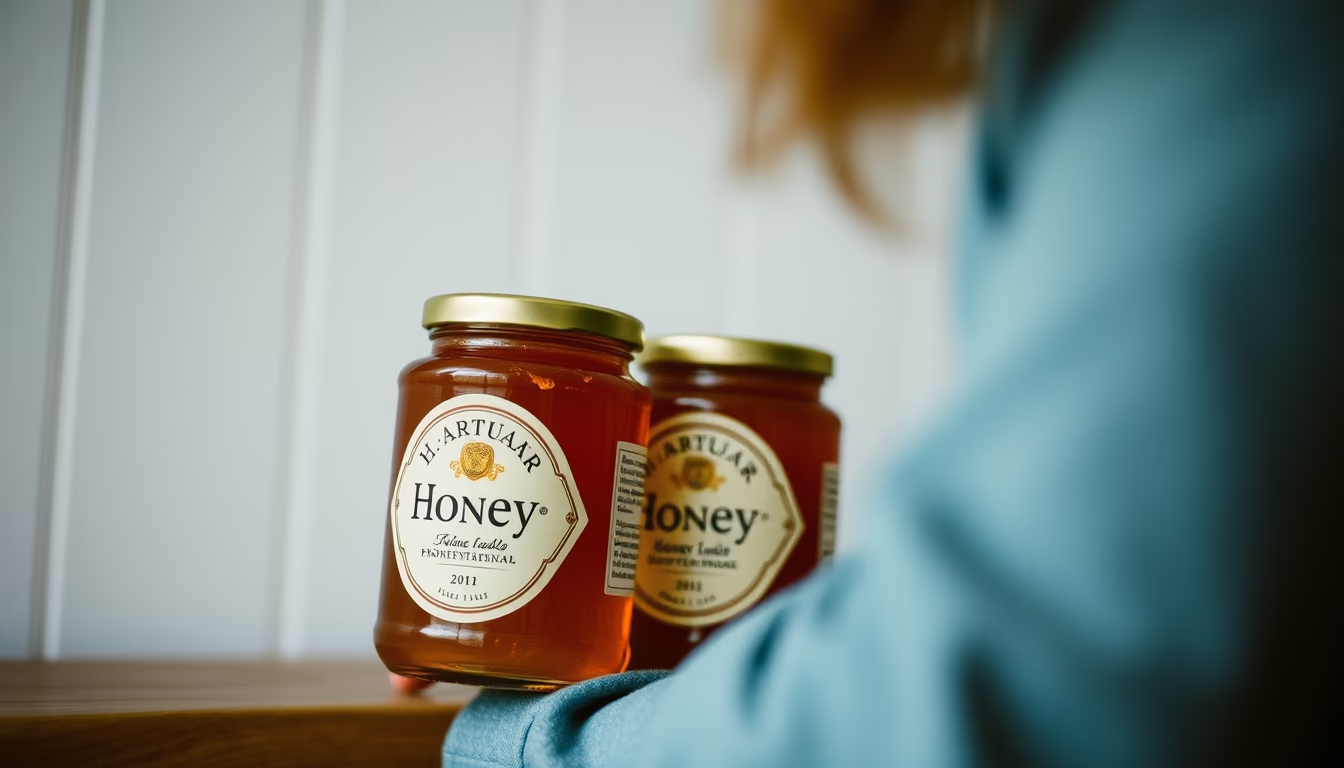
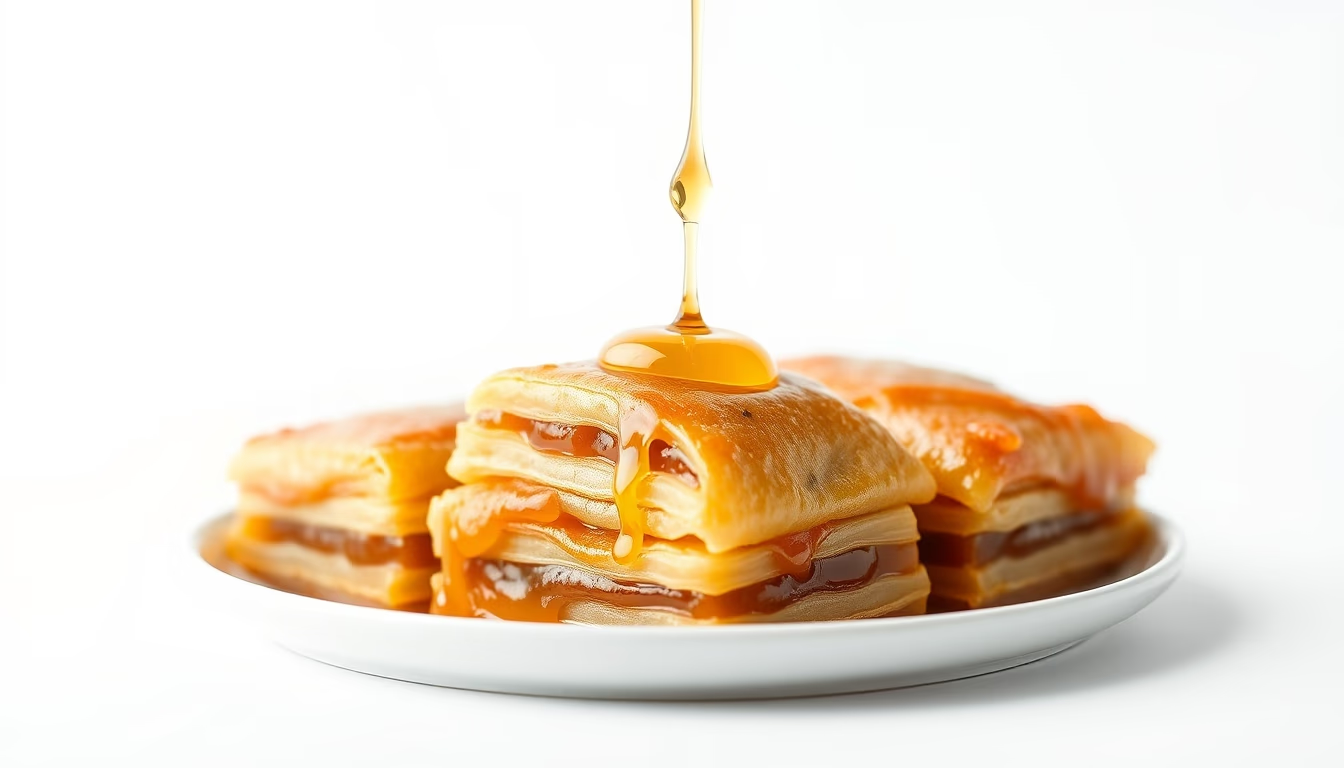
Baklava layered honey
1344×768 · AVIF · CC BY 4.0
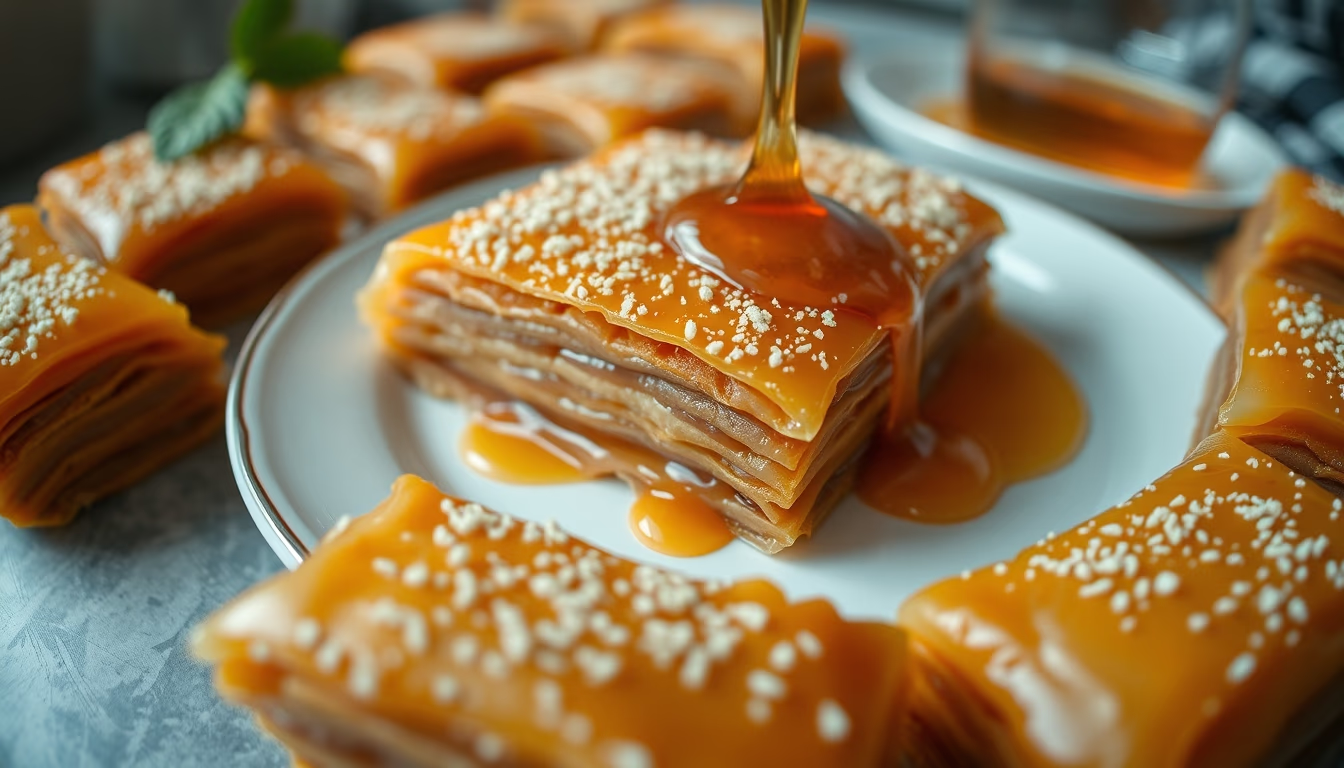
Baklava with layered phyllo dough and honey is a traditional Middle Eastern dessert, rich in history and flavor.
About this subject
Baklava is an iconic dessert made from ultra-thin layers of phyllo dough, filled with chopped nuts (such as pistachios, walnuts or almonds), and drenched in honey syrup or aromatic syrup. Its origin is disputed among several Middle Eastern and Balkan countries, often associated with Turkey, Greece, and Lebanon. The earliest record of a similar dessert dates to the Assyrian Empire in the 8th century BC, but the modern version with phyllo dough emerged from the kitchens of the Ottoman Empire.
The technique of stretching phyllo dough to paper-thin transparency is a true craft, requiring skill and patience. Traditionally, baklava is cut into geometric shapes like diamonds or rectangles before baking. After cooking, a hot syrup of honey and rose water or orange blossom water is poured over it, seeping into the layers and making the dessert moist and sweet. The contrast between the crispy dough and the tender filling is the hallmark.
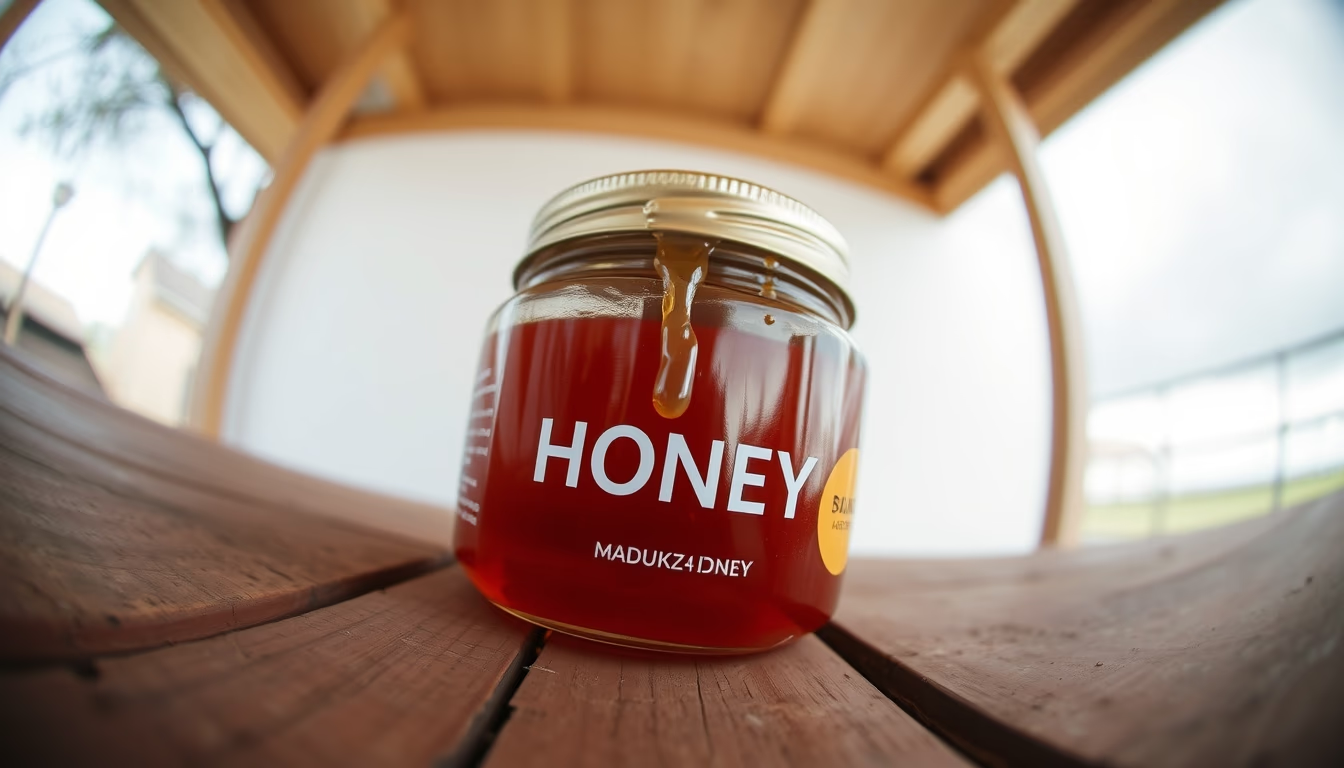
Culturally, baklava is a symbol of hospitality and celebration in many countries. During Ramadan, it is common to serve baklava to guests after fasting. Each region offers variations: in Turkey, pistachios and simple syrup are used; in Greece, cinnamon and cloves are added; in Lebanon, rose water is incorporated. High-quality honey is essential for authentic flavor, and some producers use wildflower or lavender honey for aromatic notes.
A curiosity: the word "baklava" entered English in the 17th century, but its exact etymology is uncertain, possibly from Old Turkish or Persian. The dessert has conquered the world, being adapted in pastry shops from Europe to the Americas. Today, artisanal baklava is valued for its complexity and sensory richness, representing the sweetness of Mediterranean culture.
Frequently Asked Questions
What is the origin of baklava?
The origin is disputed between Turkey, Greece, and Lebanon, but the modern version emerged in the Ottoman Empire. Records of similar desserts date back to the 8th century BC in Assyria.
What are the main ingredients of baklava?
Phyllo dough, chopped nuts (pistachios, walnuts or almonds), melted butter, and honey syrup with rose water or orange blossom water.
How is baklava traditionally served?
Cut into diamonds or rectangles, baked and drizzled with hot syrup. It is served at room temperature as a dessert or accompanied by tea or coffee.
Direct URL
https://pub-c7d6a6ea828543ac903a74a341ccb2e1.r2.dev/imagens/baklava-layered-honey-fish-eye-wide-angle-fresh6.avifHow to credit
Include a visible link back to UtilizAí. Copy one of the snippets below:
<a href="https://xn--utiliza-eza.com/en/midia/imagens/baklava-layered-honey-fish-eye-wide-angle-fresh6">Baklava layered honey</a> by <a href="https://xn--utiliza-eza.com">UtilizAí</a>, licensed under <a href="https://creativecommons.org/licenses/by/4.0/">CC BY 4.0</a>.
[Baklava layered honey](https://xn--utiliza-eza.com/en/midia/imagens/baklava-layered-honey-fish-eye-wide-angle-fresh6) by [UtilizAí](https://xn--utiliza-eza.com), CC BY 4.0
License: CC-BY-4.0