Autonomous delivery robot
1344×768 · AVIF · CC BY 4.0
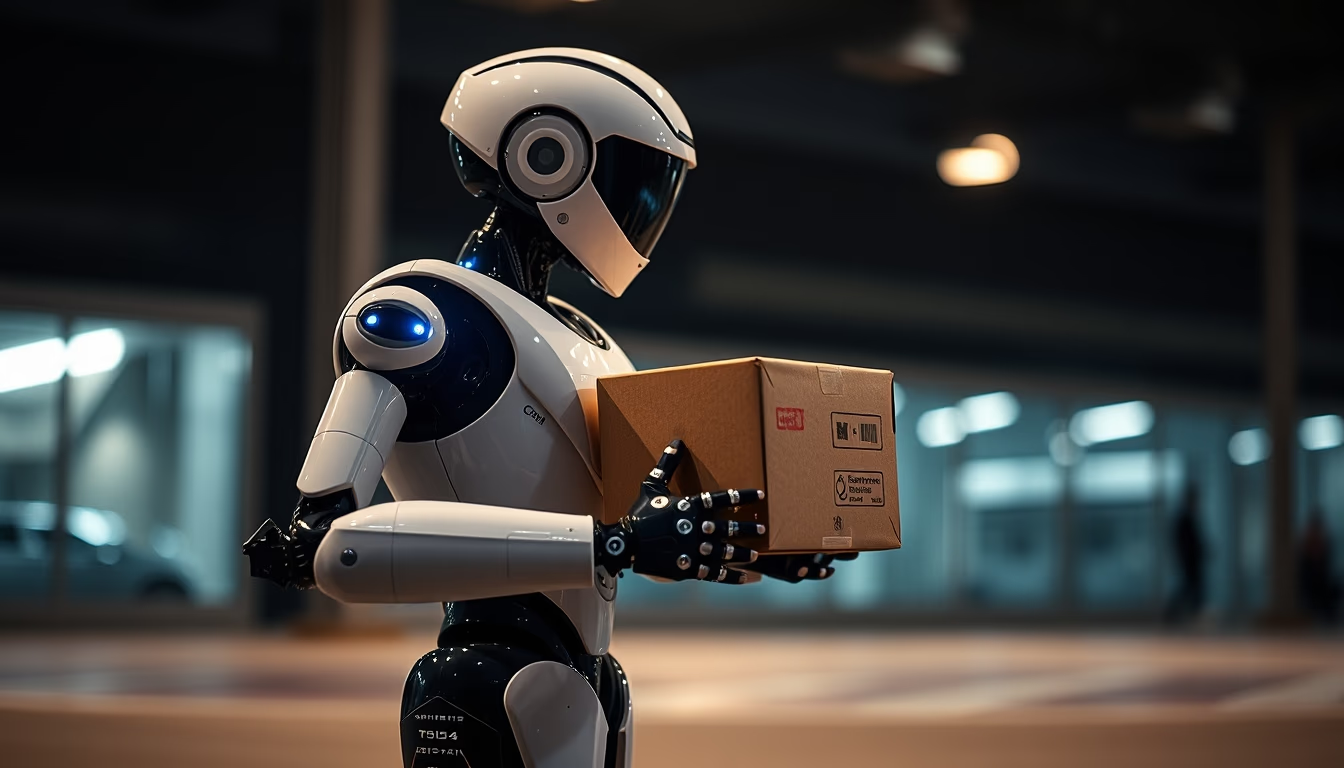
Autonomous delivery robots are unmanned ground vehicles that transport goods directly to consumers, operating on sidewalks and urban roads.
About this subject
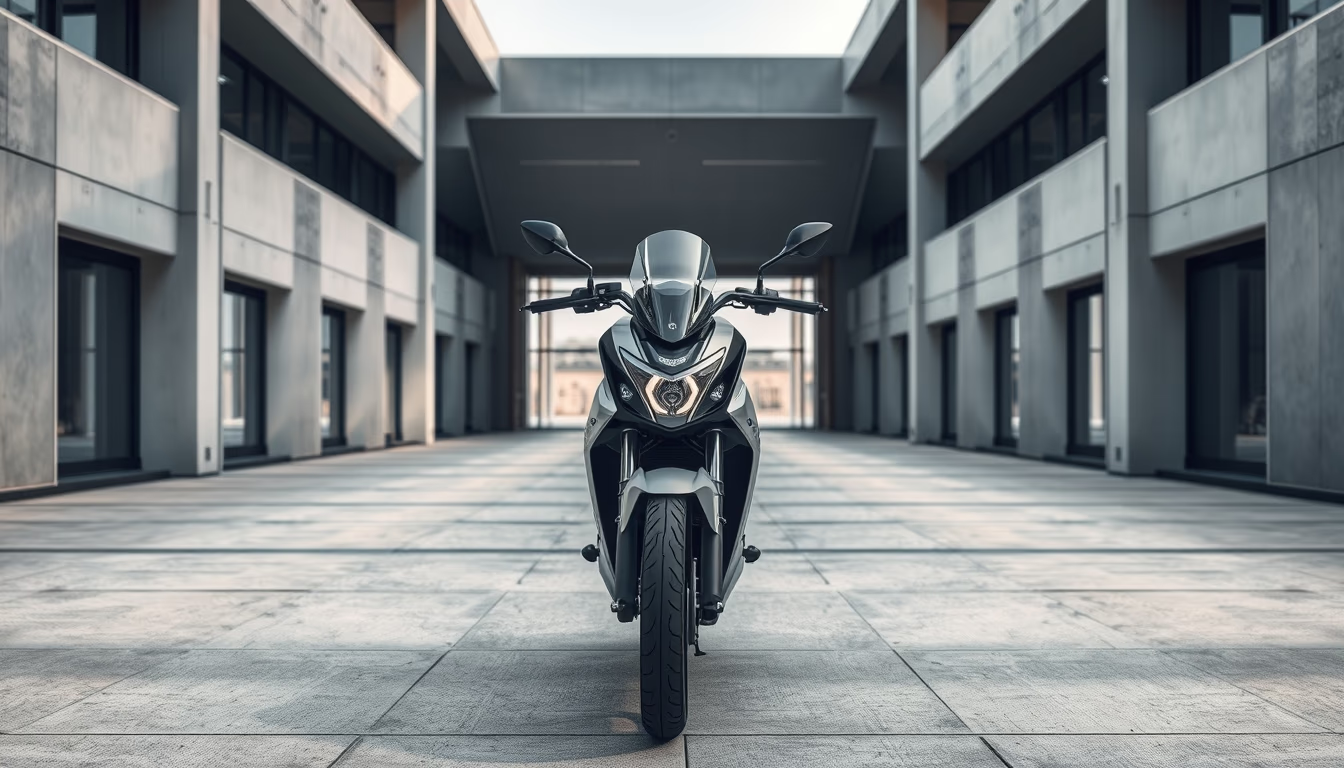
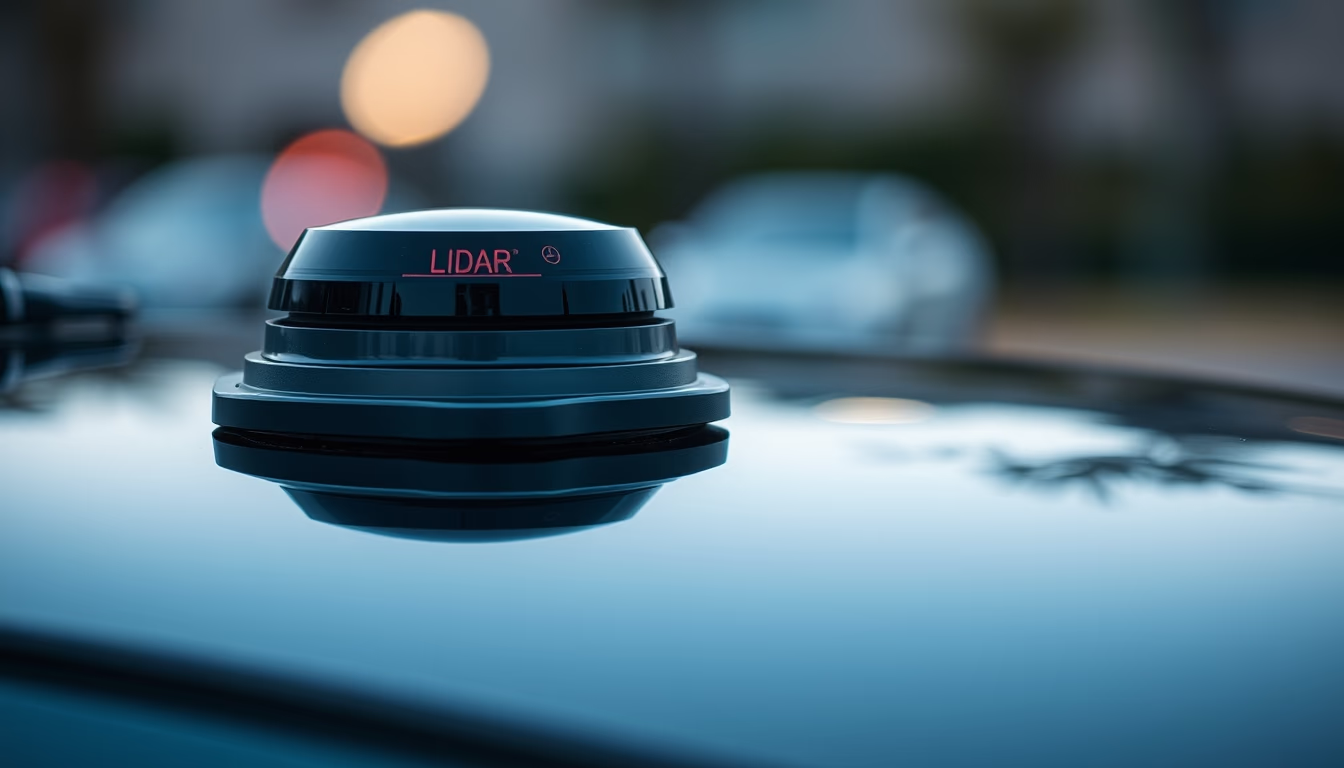
Autonomous delivery robots are small electric vehicles equipped with LIDAR sensors, cameras, and GPS that navigate sidewalks and bike lanes to bring packages to customers' doors. Companies like Starship Technologies, Nuro, and Amazon Scout have tested these devices in dozens of cities across the United States, Europe, and Asia. Each robot can carry up to 20 kilograms of cargo, traveling at an average speed of 6 kilometers per hour. The system uses artificial intelligence algorithms to avoid pedestrians, animals, and obstacles, ensuring safe last-mile deliveries.
Commercial deployment began in 2016 in Estonia with Starship, and has since expanded to university campuses, residential neighborhoods, and commercial centers. In Brazil, use is still incipient, but the local startup iFood conducted robot trials in 2022 in São Paulo neighborhoods. Robots are monitored remotely by human operators who can take control in complex situations. Batteries last about 8 hours, and the vehicles return autonomously to base for recharging.
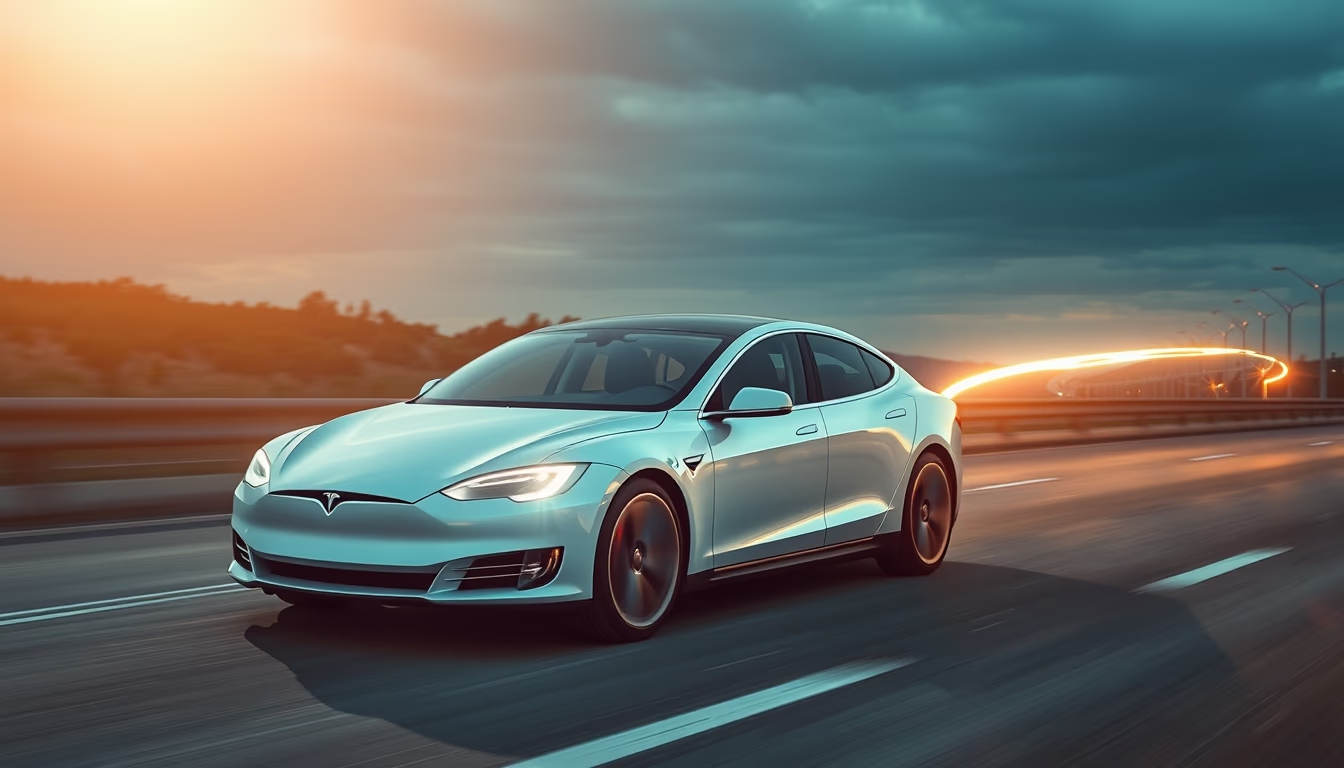
A major challenge is municipal regulation. Many cities require specific permits to operate on sidewalks and impose speed limits. Cybersecurity concerns and cargo theft are also risks. Nevertheless, the global delivery robot market is expected to grow over 20% annually until 2030, driven by e-commerce growth and demand for fast, sustainable deliveries. Zero emissions make these robots an eco-friendly alternative to vans and motorcycles.
Frequently Asked Questions
How do autonomous delivery robots avoid obstacles?
They use LIDAR sensors, 3D cameras, and computer vision algorithms to map the environment in real time. The artificial intelligence identifies pedestrians, animals, potholes, and other obstacles, calculating safe routes automatically.
What is the battery life of these robots?
The battery lasts between 6 and 10 hours, depending on the model and load. When the battery is low, the robot returns autonomously to base for recharging or battery swapping.
Are delivery robots allowed on public roads?
Yes, but they depend on municipal or state regulations. Many cities require permits, speed limits (e.g., 6 km/h), and specific rules for sidewalk use. In some places, they can only operate on bike lanes or dedicated paths.
Direct URL
https://pub-c7d6a6ea828543ac903a74a341ccb2e1.r2.dev/imagens/autonomous-delivery-robot-fine-art-photography-p3.avifHow to credit
Include a visible link back to UtilizAí. Copy one of the snippets below:
<a href="https://xn--utiliza-eza.com/en/midia/imagens/autonomous-delivery-robot-fine-art-photography-p3">Autonomous delivery robot</a> by <a href="https://xn--utiliza-eza.com">UtilizAí</a>, licensed under <a href="https://creativecommons.org/licenses/by/4.0/">CC BY 4.0</a>.
[Autonomous delivery robot](https://xn--utiliza-eza.com/en/midia/imagens/autonomous-delivery-robot-fine-art-photography-p3) by [UtilizAí](https://xn--utiliza-eza.com), CC BY 4.0
License: CC-BY-4.0