Aurora pillar dance
1344×768 · JPG · CC BY 4.0
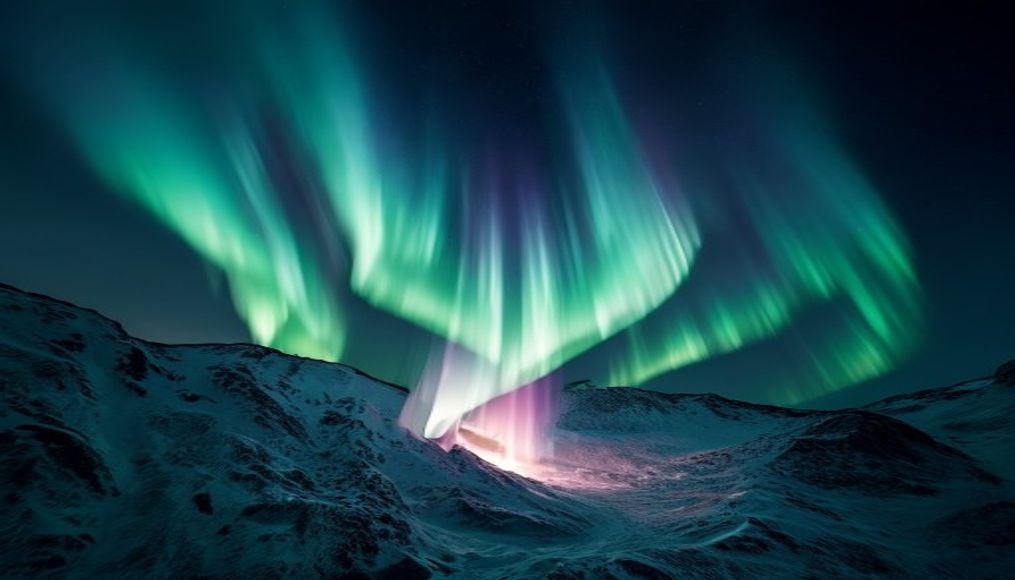
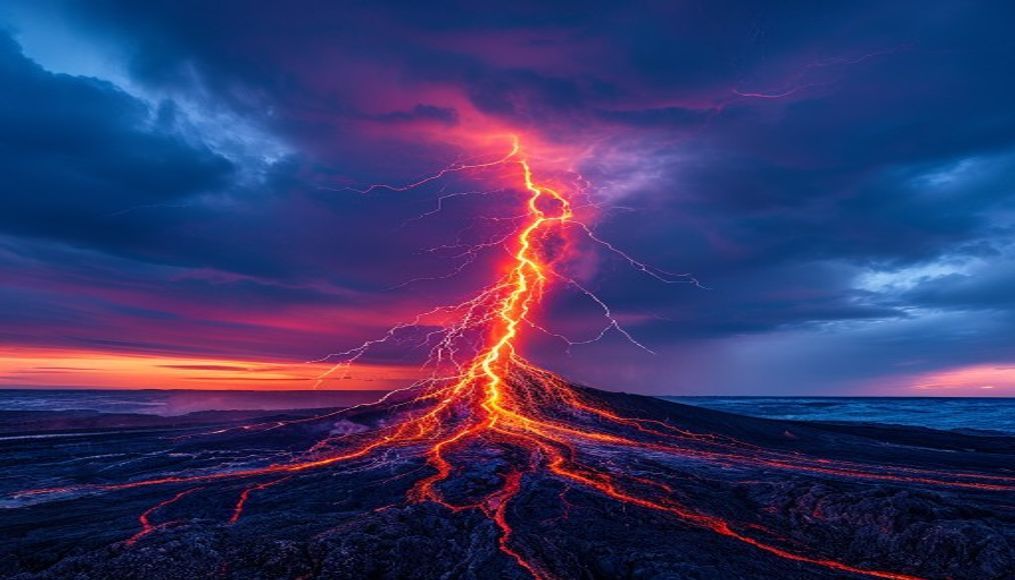
Auroral pillars are vertical luminous beams that appear during geomagnetic storms, creating a dancing light spectacle in the polar sky.
About this subject
Auroral pillars, also known as auroral columns, are an atmospheric optical phenomenon that occurs when charged particles from the solar wind interact with Earth's magnetic field. Unlike the more common auroral curtains, these pillars take the form of vertical columns that can stretch for hundreds of kilometers. They form when excited oxygen and nitrogen atoms in the upper atmosphere emit light along magnetic field lines.
This spectacle is most frequently observed in polar regions such as Norway, Canada, Alaska, and Iceland, especially during the spring and fall equinoxes when geomagnetic activity peaks. The aurora borealis and australis are monitored by scientists using satellites and ground stations to predict solar storms, which can affect communication systems and power grids.
Culturally, auroral pillars have inspired mythologies among Nordic and Inuit peoples, who viewed them as spirits or gateways to other worlds. In modern photography, capturing these dancing columns requires long exposures and sensitive equipment, resulting in images that highlight a range of colors from green to red and violet. The undulating movement of the pillars, called dancing, is caused by fluctuations in the flow of solar particles.
Scientifically, the dominant color of the pillars depends on altitude and the gas involved: oxygen produces green and red at higher altitudes, while nitrogen yields blue and violet. These phenomena are not dangerous to humans but serve as important indicators of space weather. With the rise of polar tourism, observing auroral pillars has become a sought-after activity for travelers worldwide.
Frequently Asked Questions
What causes auroral pillars?
Auroral pillars are caused by charged particles from the solar wind colliding with Earth's atmosphere, exciting oxygen and nitrogen molecules. These molecules then emit light at specific wavelengths, creating vertical columns aligned with the magnetic field.
Are auroral pillars dangerous?
No, auroral pillars are not directly dangerous to humans. However, they are indicators of geomagnetic storms that can disrupt radio communications, navigation systems, and power grids.
What is the best time to observe auroral pillars?
The best time to observe auroral pillars in the Northern Hemisphere is between September and March, during long, dark nights. Activity peaks around the spring and fall equinoxes when Earth's magnetic field is more aligned with the solar wind.
Direct URL
https://pub-c7d6a6ea828543ac903a74a341ccb2e1.r2.dev/imagens/aurora-pillar-dance-isometric-flat-lay-p4.jpgHow to credit
Include a visible link back to UtilizAí. Copy one of the snippets below:
<a href="https://xn--utiliza-eza.com/en/midia/imagens/aurora-pillar-dance-isometric-flat-lay-p4">Aurora pillar dance</a> by <a href="https://xn--utiliza-eza.com">UtilizAí</a>, licensed under <a href="https://creativecommons.org/licenses/by/4.0/">CC BY 4.0</a>.
[Aurora pillar dance](https://xn--utiliza-eza.com/en/midia/imagens/aurora-pillar-dance-isometric-flat-lay-p4) by [UtilizAí](https://xn--utiliza-eza.com), CC BY 4.0
License: CC-BY-4.0