Audio interface knobs
1344×768 · AVIF · CC BY 4.0
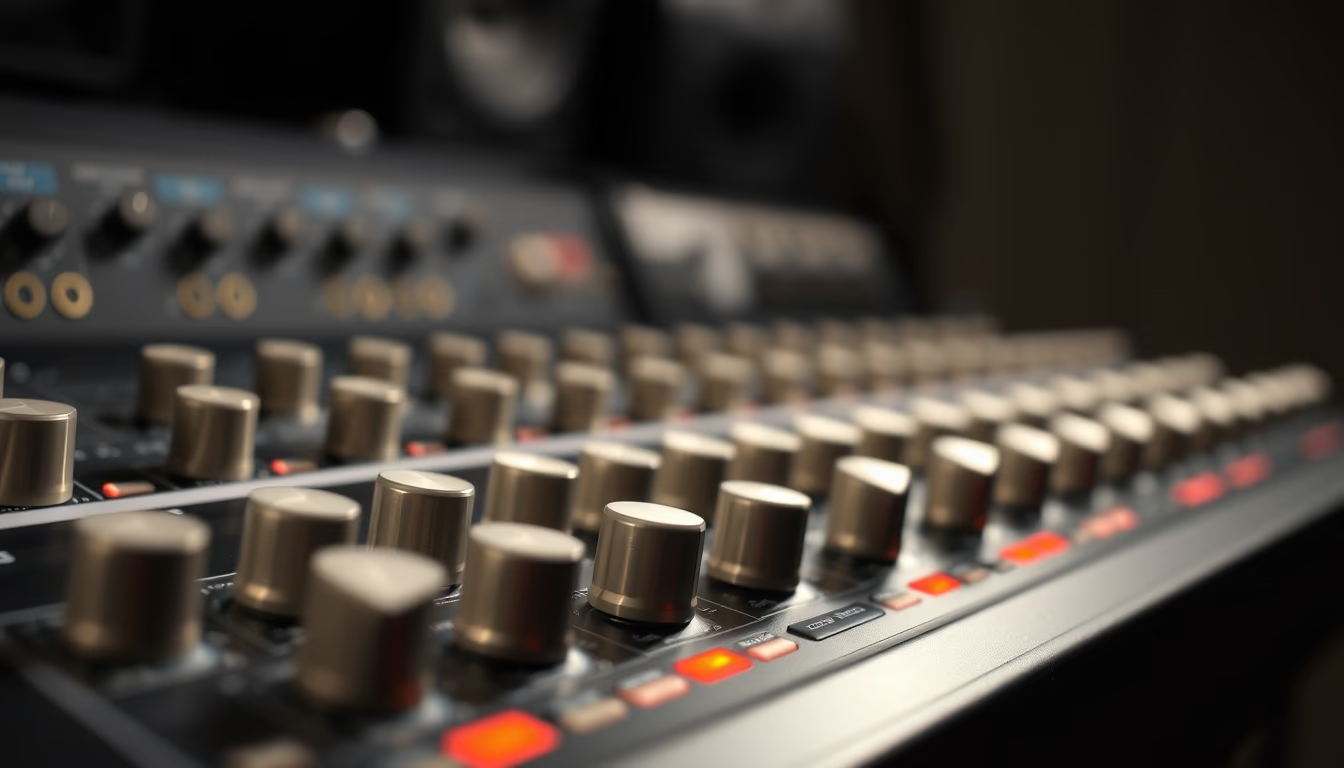
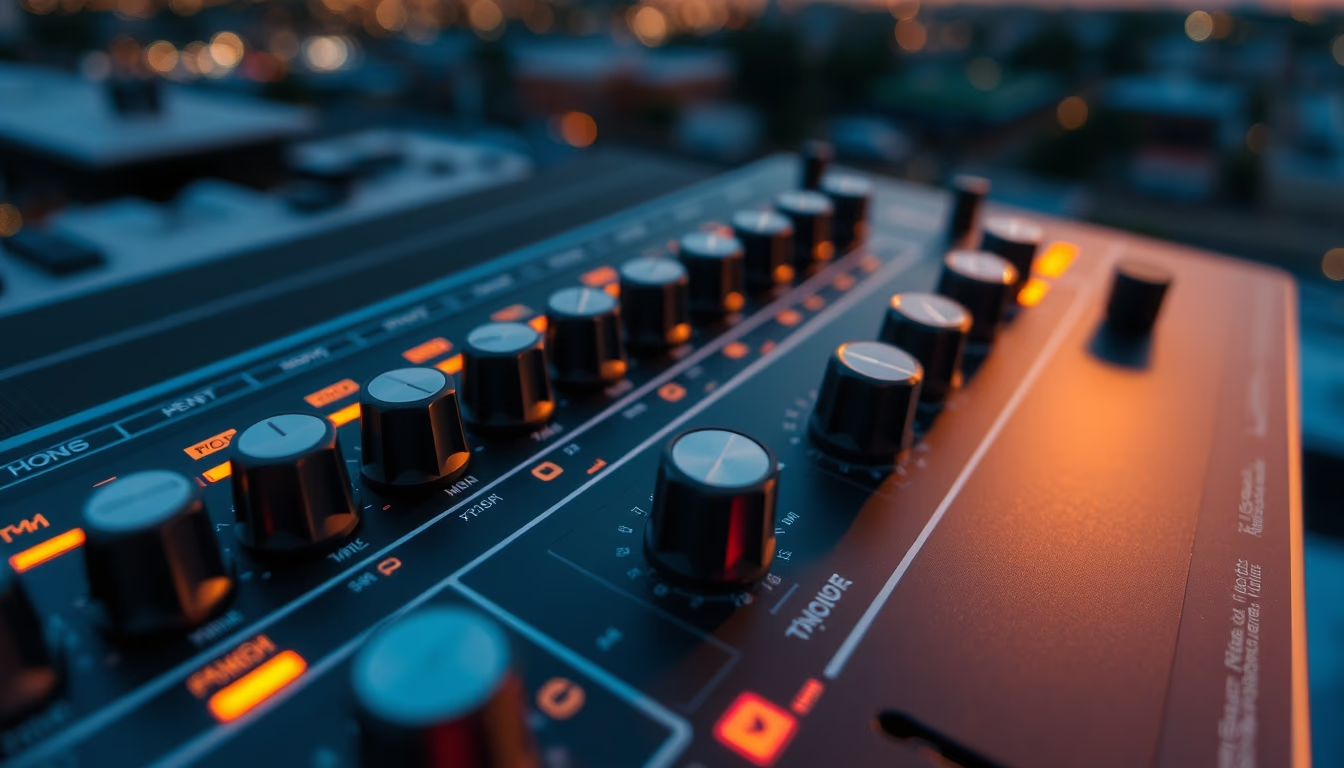
The knobs on an audio interface control gain, EQ, and monitoring levels, essential components for professional sound recording and mixing.
About this subject
An audio interface is the heart of any home or professional recording studio. Its knobs, rotary controls, are the main user interaction points, enabling fine adjustments in real time. Each knob has a specific function: gain knobs control microphone preamplifier sensitivity, EQ knobs shape sound timbre, and monitoring level knobs regulate headphone or speaker volume. Modern interfaces also include mix balance knobs for blending direct signal with computer playback.
Knob standardization varies among manufacturers. Brands like Focusrite, Universal Audio, and Behringer use different designs, from detented knobs (that click into fixed positions) to continuous rotation ones, used for controlling digital parameters via MIDI. Ergonomics matter: large textured knobs allow quick adjustments during recording, while smaller knobs save space on portable interfaces. Many units use Alps or Bourns potentiometers, known for durability and accuracy.
Historically, knobs on audio equipment date back to analog mixing consoles of the 1960s. With digitization, modern interfaces retain physical knobs even when parameters are software-controlled, because the tactile response is valued by sound engineers. The number of knobs ranges from 1 or 2 on basic interfaces to dozens on multi-track units. Interestingly, some knobs feature LED indicators for clipping or signal presence, a useful feature in dimly lit studios.
Frequently Asked Questions
What do the different knobs on an audio interface mean?
The main knobs are: Gain (adjusts input sensitivity), Volume or Monitor (controls output level for headphones or speakers), and sometimes EQ (equalization). Larger interfaces have knobs for mix balance or effects.
How do I calibrate gain correctly using the knobs?
Adjust the gain knob until the signal peaks between -12 dB and -6 dB on the interface meter, avoiding clipping. Use a test tone or sing at the maximum expected loudness for the recording.
What is the difference between analog and digital knobs on modern interfaces?
Analog knobs directly control electrical circuits, like potentiometers. Digital knobs send MIDI data or control software parameters. Many modern knobs are "digital" internally but simulate analog response.
Direct URL
https://pub-c7d6a6ea828543ac903a74a341ccb2e1.r2.dev/imagens/audio-interface-knobs-studio-editorial-portrait-fresh17.avifHow to credit
Include a visible link back to UtilizAí. Copy one of the snippets below:
<a href="https://xn--utiliza-eza.com/en/midia/imagens/audio-interface-knobs-studio-editorial-portrait-fresh17">Audio interface knobs</a> by <a href="https://xn--utiliza-eza.com">UtilizAí</a>, licensed under <a href="https://creativecommons.org/licenses/by/4.0/">CC BY 4.0</a>.
[Audio interface knobs](https://xn--utiliza-eza.com/en/midia/imagens/audio-interface-knobs-studio-editorial-portrait-fresh17) by [UtilizAí](https://xn--utiliza-eza.com), CC BY 4.0
License: CC-BY-4.0