Audio interface knobs
1344×768 · AVIF · CC BY 4.0
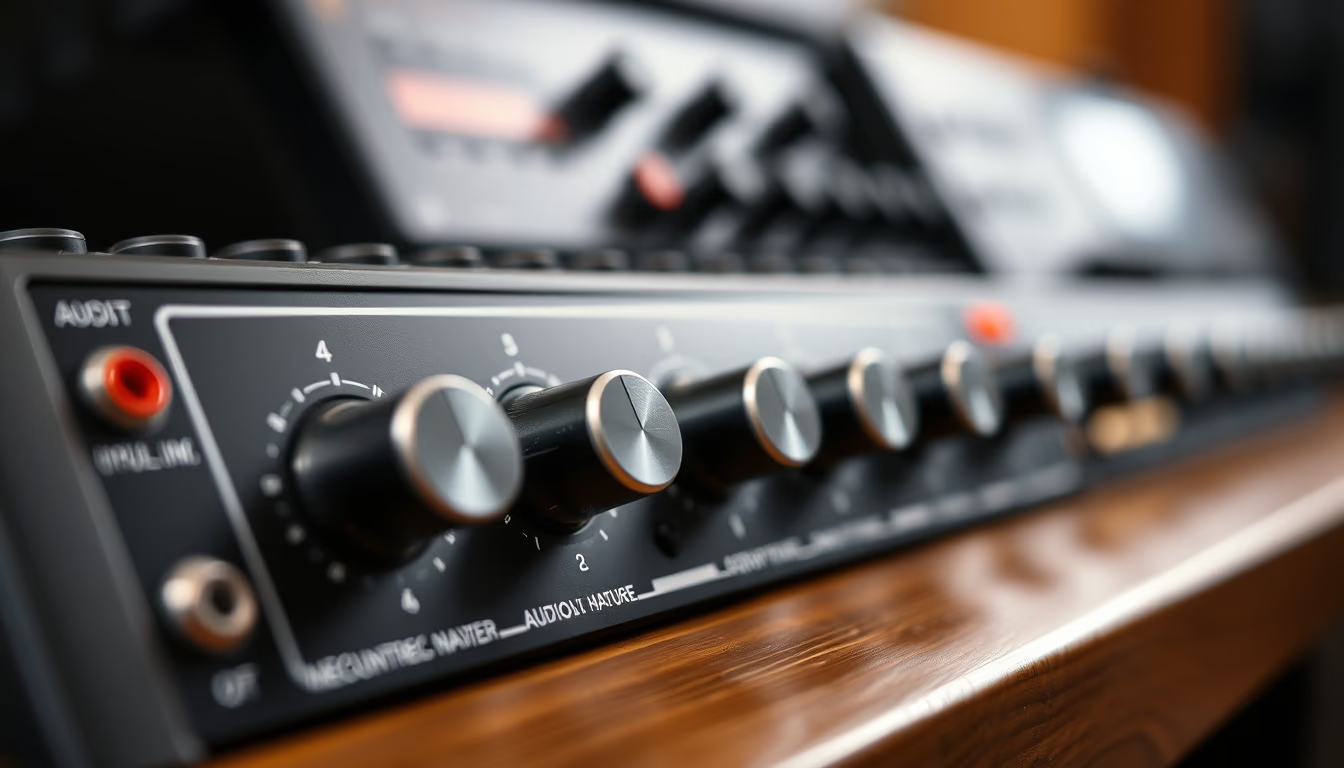
Audio interface knobs control gain, volume, and monitoring in professional recording studios and home studios.
About this subject
An audio interface is the heart of any digital recording studio, converting analog signals from microphones and instruments into digital data for the computer. The knobs on these devices are the primary means of tactile user interaction, allowing precise adjustments of essential parameters such as input gain, output level, headphone balance, and direct monitoring.
Different types of knobs are employed in audio interfaces. The most common are rotary potentiometers, offering continuous resistance variation. Rotary encoders, found in modern models, allow infinite rotation and are often used for menu navigation or digital parameter adjustment. Some knobs feature detents, producing a click at each step, indicating fixed increments ideal for repeatable settings.
Knob quality directly impacts user experience and equipment durability. Metal knobs with metal shafts and rubberized coatings provide greater precision and longevity than plastic versions. Brands like Focusrite, Universal Audio, and RME are recognized for using high-standard components with long travel and consistent torque, preventing slips during critical recording sessions.
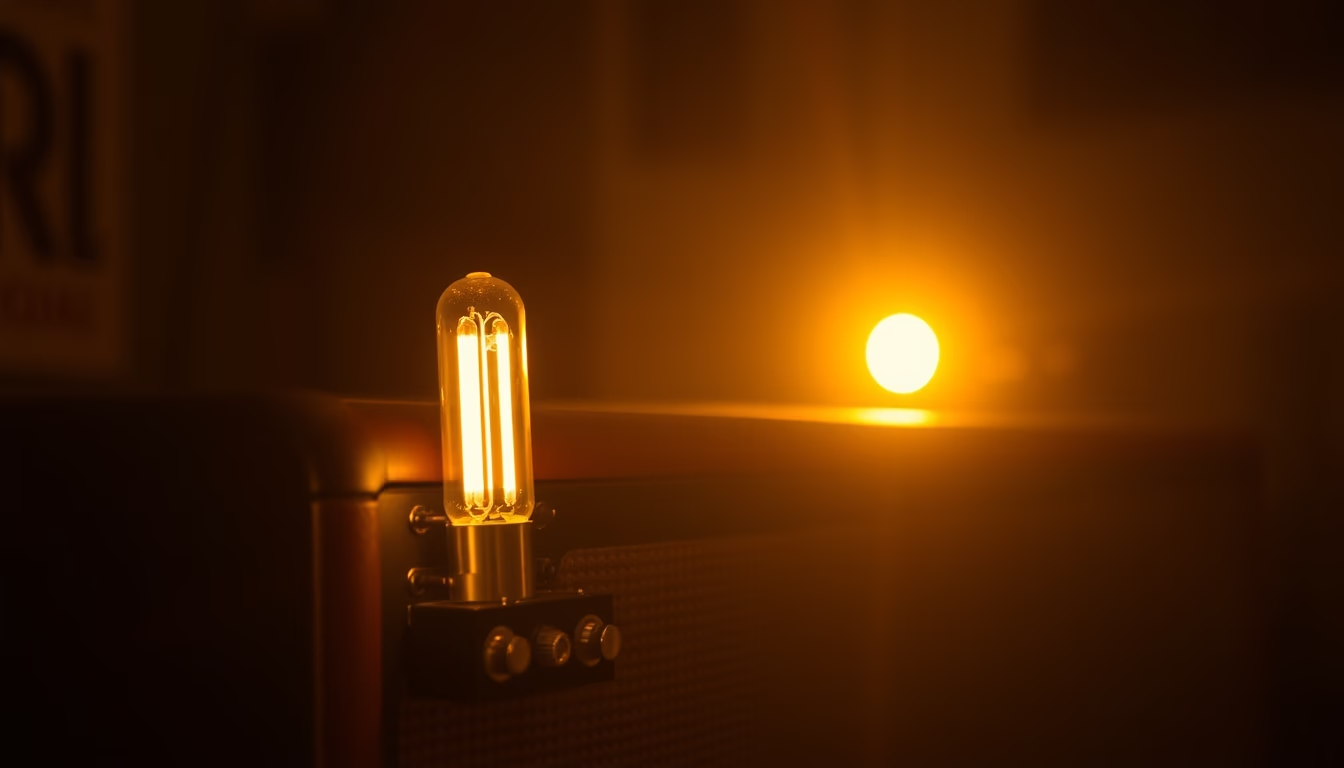
Beyond technical function, knobs carry ergonomic and aesthetic significance. In studio environments with controlled lighting, backlit knobs or those with chrome rings enhance visibility. In the context of the "documentary nature" style, the image captures texture and natural reflections on the knobs, highlighting the interplay between ambient light and metallic surfaces, common in photographs that emphasize the organic aspect of electronic equipment.
Frequently Asked Questions
What do the markings around knobs mean?
Markings indicate the knob position, usually representing gain values in dB (decibels) or numbers from 0 to 10, depending on the controlled parameter. On gain knobs, each mark corresponds to a specific value, aiding repeatability of settings.
How to avoid noise when adjusting knobs during recording?
Noise can be caused by dirt or oxidation on internal contacts. Use quality knobs with sealed potentiometers. Turn smoothly. If crackling occurs, apply contact cleaner spray specific for electronics (device unplugged).
Why are some knobs larger than others?
Larger knobs are usually for functions requiring finer adjustments, such as microphone gain, as they offer more surface area and longer angular travel, allowing more precise variations. Smaller knobs are used for secondary controls like headphone volume.
Direct URL
https://pub-c7d6a6ea828543ac903a74a341ccb2e1.r2.dev/imagens/audio-interface-knobs-documentary-nature-style-fresh4.avifHow to credit
Include a visible link back to UtilizAí. Copy one of the snippets below:
<a href="https://xn--utiliza-eza.com/en/midia/imagens/audio-interface-knobs-documentary-nature-style-fresh4">Audio interface knobs</a> by <a href="https://xn--utiliza-eza.com">UtilizAí</a>, licensed under <a href="https://creativecommons.org/licenses/by/4.0/">CC BY 4.0</a>.
[Audio interface knobs](https://xn--utiliza-eza.com/en/midia/imagens/audio-interface-knobs-documentary-nature-style-fresh4) by [UtilizAí](https://xn--utiliza-eza.com), CC BY 4.0
License: CC-BY-4.0