Audio interface knobs
1344×768 · AVIF · CC BY 4.0
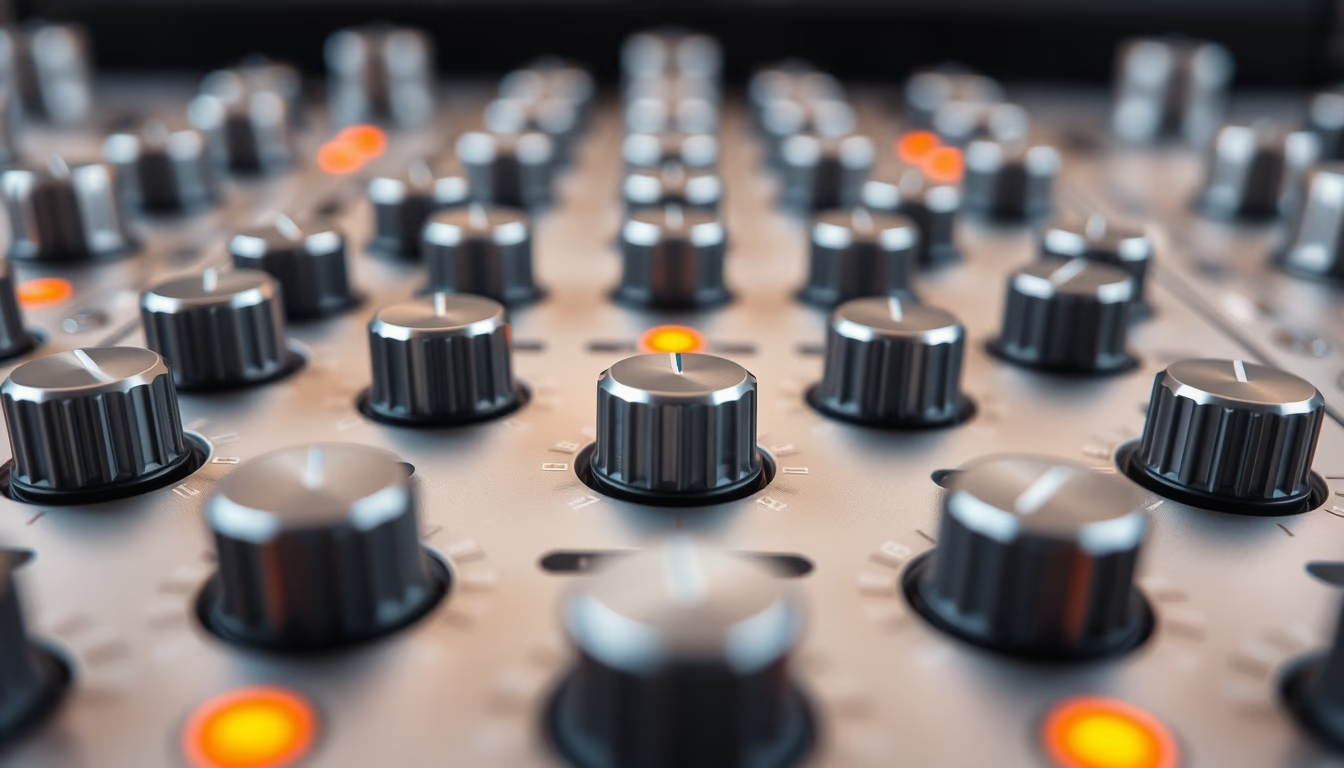
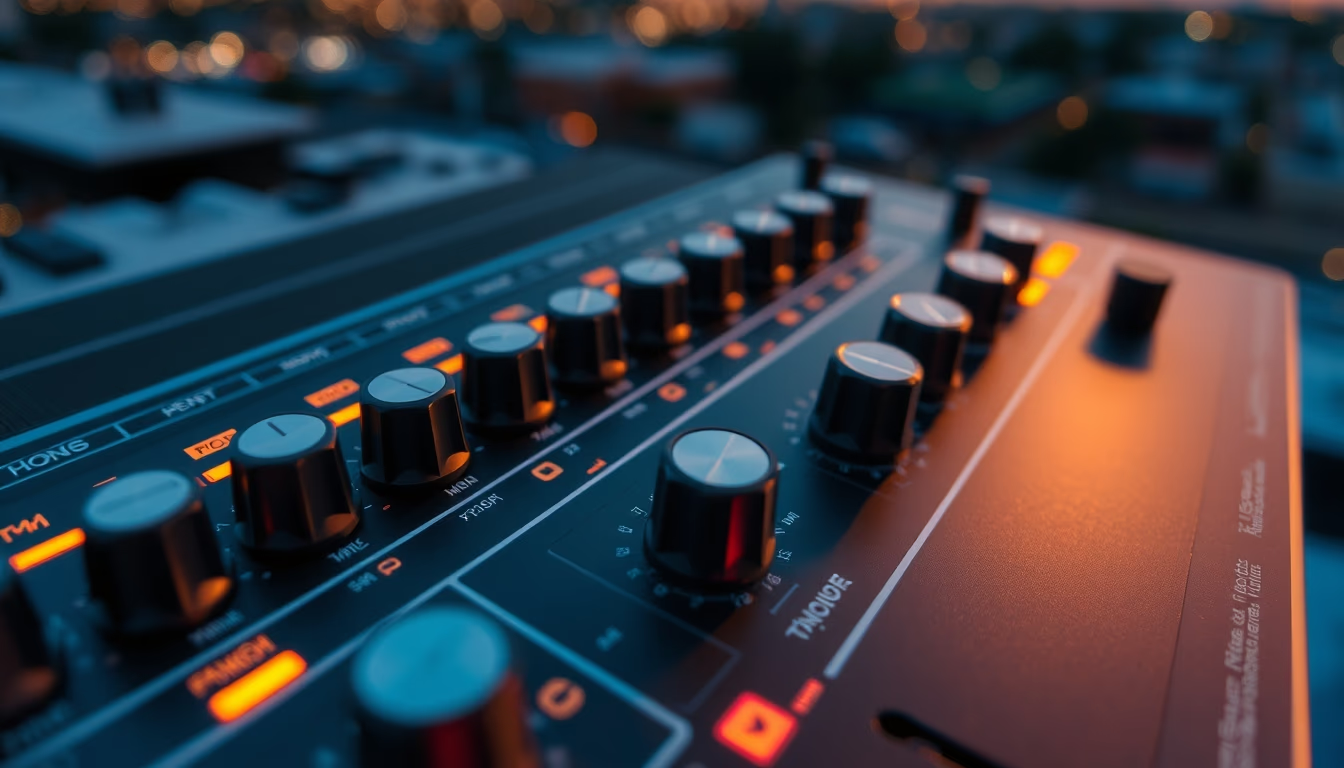
The front panel of an audio interface displays gain, EQ, and level knobs, essential for input/output control in recording studios.
About this subject
An audio interface is the heart of any modern recording studio, acting as a bridge between microphones, instruments, and a computer. The knobs on the front panel are not mere decorations; each serves a critical function. The gain knob controls the preamplifier sensitivity, adjusting the input level to avoid distortion. In high-performance interfaces such as the Focusrite Scarlett or Universal Audio Apollo series, these potentiometers are often 360-degree rotary with linear taper, providing precise adjustment.
Beyond gain, you will commonly find equalization (EQ) knobs that allow sculpting of the sound frequency before it reaches the software. In basic interfaces, EQ may be shelving (high and low frequencies) or parametric. Professional interfaces also offer level knobs for monitoring, separately controlling headphone and speaker output volume.
Interesting fact: many knobs are sealed with rubber gaskets to prevent dust ingress, and some have a slight detent at center position (12 o'clock) to indicate neutral. Tactile design varies: knurled knobs provide more friction, while smooth ones appear on vintage studio gear. The layout follows an ergonomic pattern, with channels numbered left to right, enabling quick access during live recording.
In podcast and home studios, interfaces with LED feedback rings around the gain knob help visualize signal peaks without looking at the computer. Models like the Behringer U-Phoria UMC22 and PreSonus AudioBox USB are affordable examples that retain the functionality of these analog controls, demonstrating that even in the digital age, knobs remain indispensable tools.
Frequently Asked Questions
What is the function of the gain knob on an audio interface?
The gain knob adjusts the preamplifier sensitivity, controlling the input signal level to avoid distortion and ensure a clean signal.
Can I replace the original knobs on my audio interface?
Yes, many knobs have standard shaft sizes (6mm, D-shaft, etc.). You can swap them with different designs as long as the fit is compatible and it does not damage the potentiometer.
Are audio interfaces with LED knobs better?
LED rings around knobs help monitor signal levels quickly, especially in low light. This does not necessarily mean higher quality but adds convenience.
Direct URL
https://pub-c7d6a6ea828543ac903a74a341ccb2e1.r2.dev/imagens/audio-interface-knobs-architectural-photography-fresh6.avifHow to credit
Include a visible link back to UtilizAí. Copy one of the snippets below:
<a href="https://xn--utiliza-eza.com/en/midia/imagens/audio-interface-knobs-architectural-photography-fresh6">Audio interface knobs</a> by <a href="https://xn--utiliza-eza.com">UtilizAí</a>, licensed under <a href="https://creativecommons.org/licenses/by/4.0/">CC BY 4.0</a>.
[Audio interface knobs](https://xn--utiliza-eza.com/en/midia/imagens/audio-interface-knobs-architectural-photography-fresh6) by [UtilizAí](https://xn--utiliza-eza.com), CC BY 4.0
License: CC-BY-4.0