Archaea extremophile
1344×768 · AVIF · CC BY 4.0
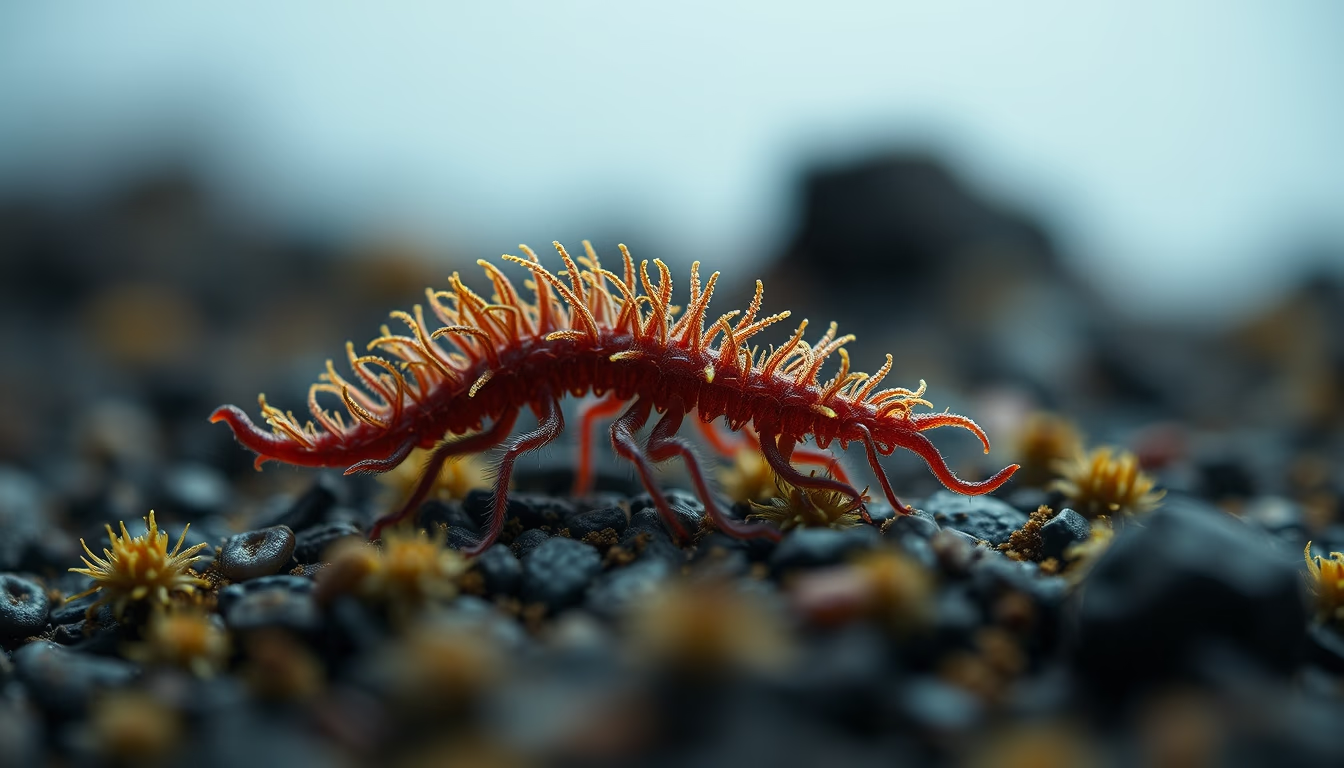
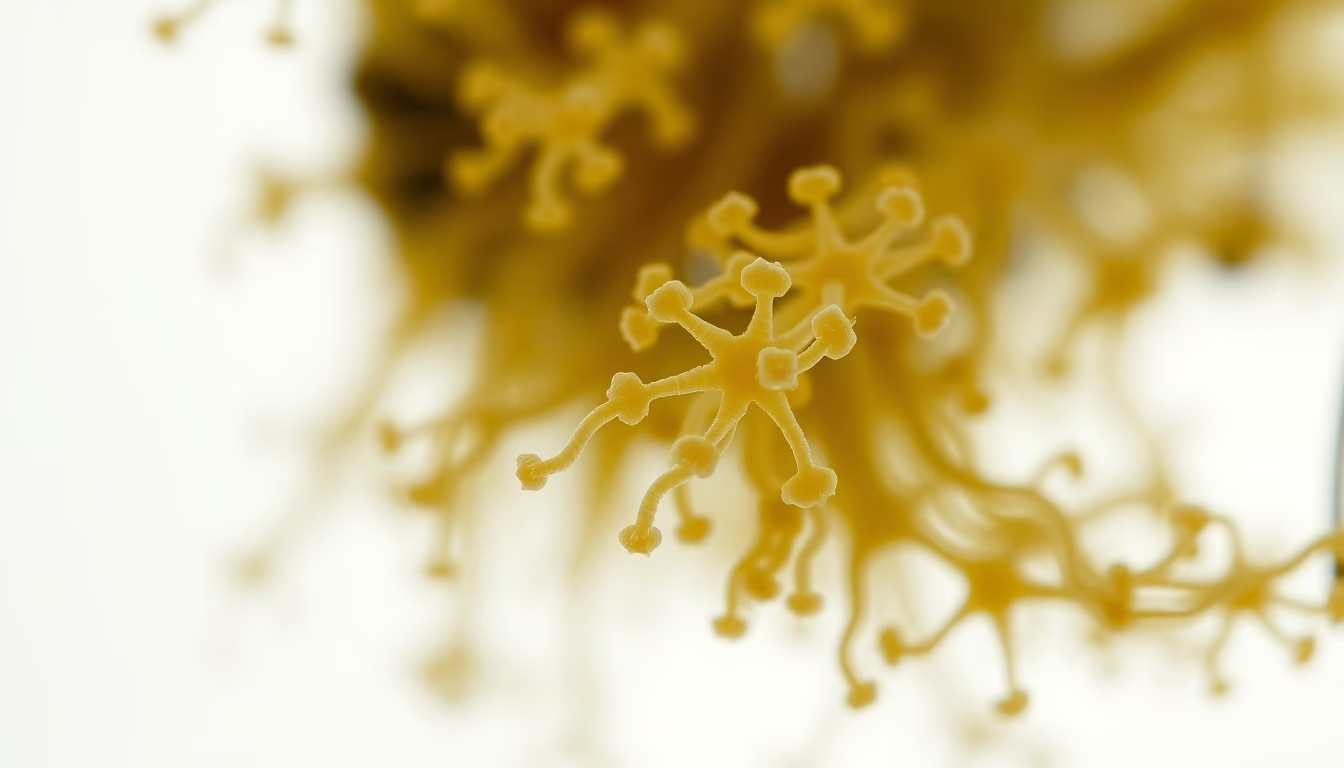
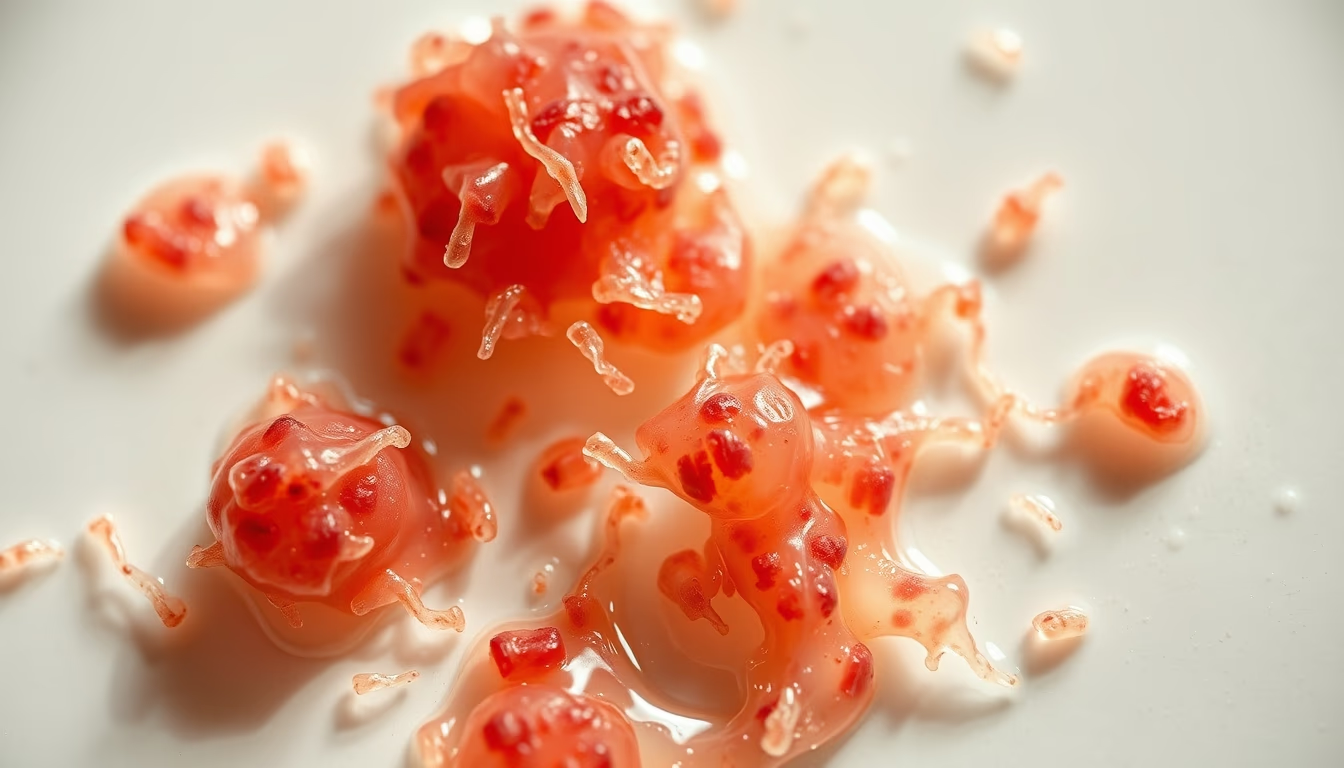
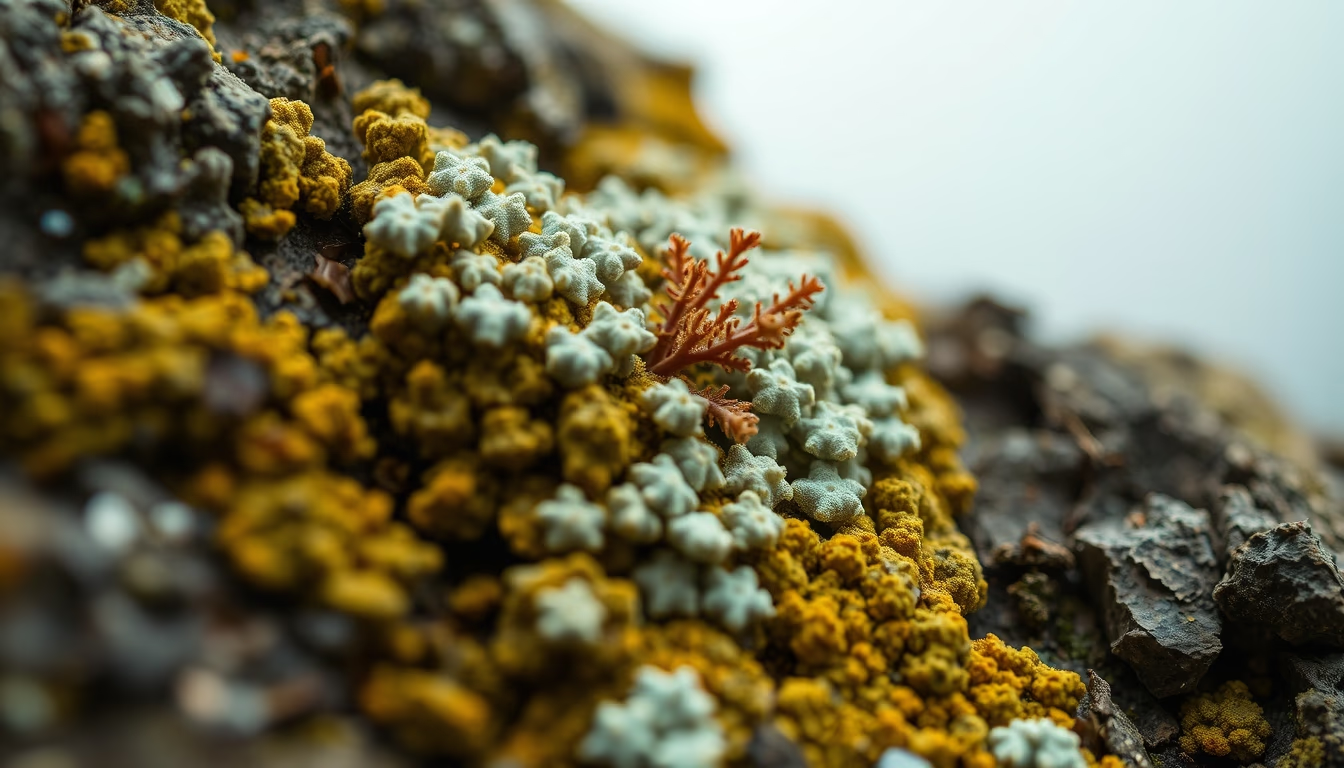
Extremophilic archaea are single-celled microorganisms that thrive in extreme environments such as hydrothermal vents, salt lakes, and glaciers.
About this subject
Archaea constitute one of the three domains of life, alongside Bacteria and Eukaryotes. Extremophiles are a notable group within this domain, adapted to conditions that would be lethal for most living beings. They inhabit places such as hydrothermal vents on the ocean floor, where temperatures exceed 100°C, hypersaline lakes like the Dead Sea, and acidic mine drainage environments. Their ability to survive comes from unique lipid membranes and enzymes stable at high temperatures, pressure, and extreme pH.
These organisms are classified according to their environment: thermophiles (high temperatures), halophiles (high salinity), acidophiles (low pH), and psychrophiles (extreme cold). A classic example is the species Thermococcus litoralis, found in marine hot springs. Genetic studies reveal that many extremophilic archaea possess DNA repair mechanisms and chaperone proteins that prevent denaturation.
The importance of extremophiles goes beyond scientific curiosity. Their enzymes, such as the Taq polymerases (derived from Thermus aquaticus, a bacterium, but with analogues in archaea), are used in biotechnology for polymerase chain reaction (PCR). Additionally, it is speculated that similar life forms could exist on other planets, such as Mars or the icy moons of Jupiter and Saturn, making extremophilic archaea models for astrobiology.
Frequently Asked Questions
What differentiates Archaea from Bacteria?
Archaea have distinct cell membrane composition and cell wall structure, plus transcription and translation mechanisms closer to eukaryotes. Many are extremophiles, but not all.
Why are extremophilic Archaea important for biotechnology?
Their stable enzymes under extreme conditions, such as thermostable polymerases, are used in PCR and other reactions. They also provide insights for biofuel production and bioremediation.
Can Archaea be found only in extreme environments?
No. Although many are extremophiles, Archaea also live in common environments like oceans, soil, and even the human gut. However, extremophiles are the most studied due to their unique adaptations.
Direct URL
https://pub-c7d6a6ea828543ac903a74a341ccb2e1.r2.dev/imagens/archaea-extremophile-tilt-shift-miniature-fresh7.avifHow to credit
Include a visible link back to UtilizAí. Copy one of the snippets below:
<a href="https://xn--utiliza-eza.com/en/midia/imagens/archaea-extremophile-tilt-shift-miniature-fresh7">Archaea extremophile</a> by <a href="https://xn--utiliza-eza.com">UtilizAí</a>, licensed under <a href="https://creativecommons.org/licenses/by/4.0/">CC BY 4.0</a>.
[Archaea extremophile](https://xn--utiliza-eza.com/en/midia/imagens/archaea-extremophile-tilt-shift-miniature-fresh7) by [UtilizAí](https://xn--utiliza-eza.com), CC BY 4.0
License: CC-BY-4.0