Archaea extremophile
1344×768 · AVIF · CC BY 4.0

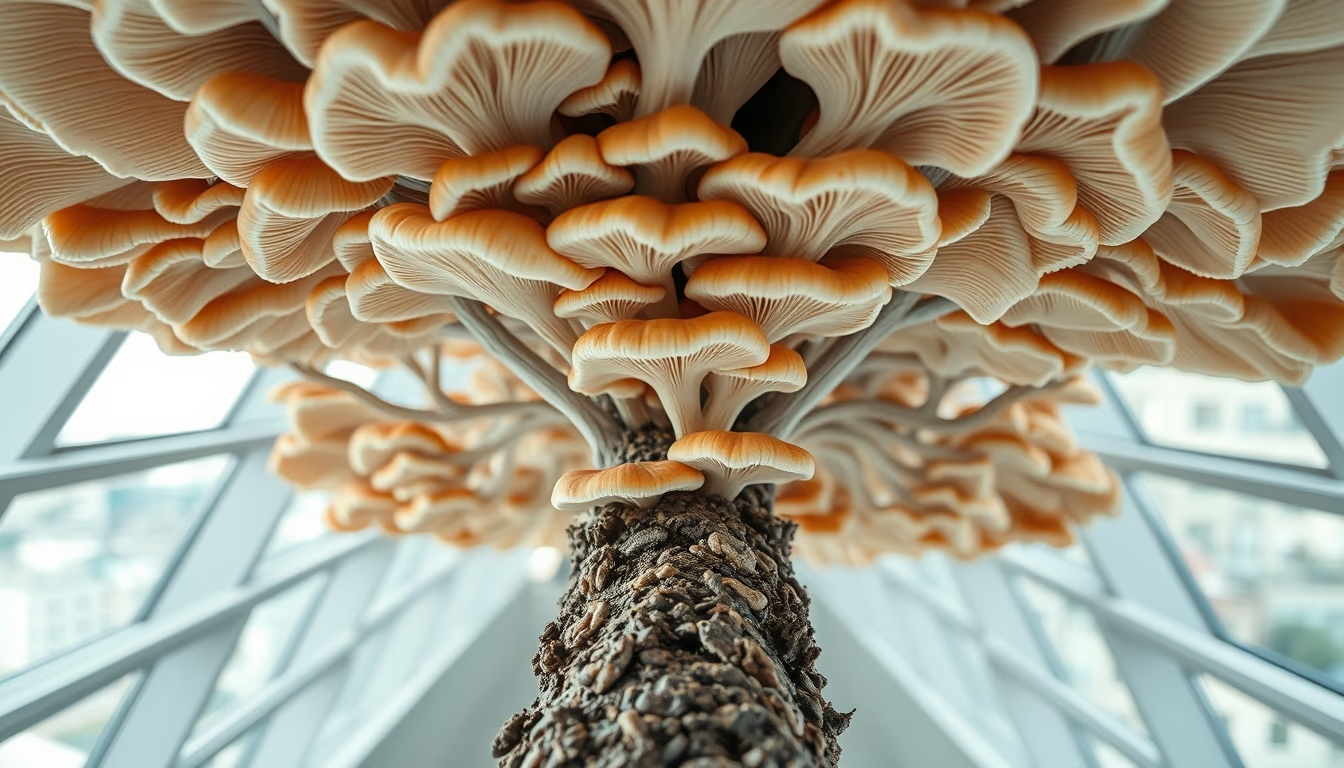
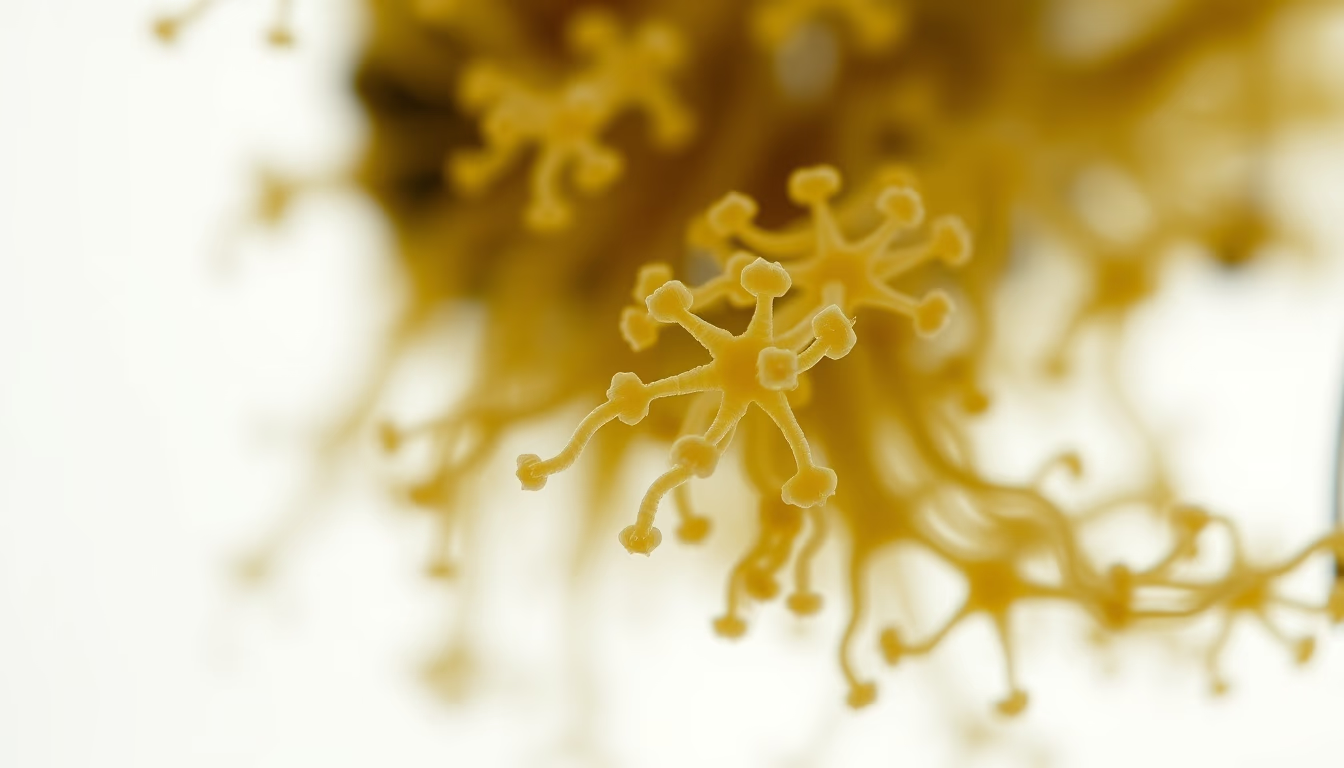
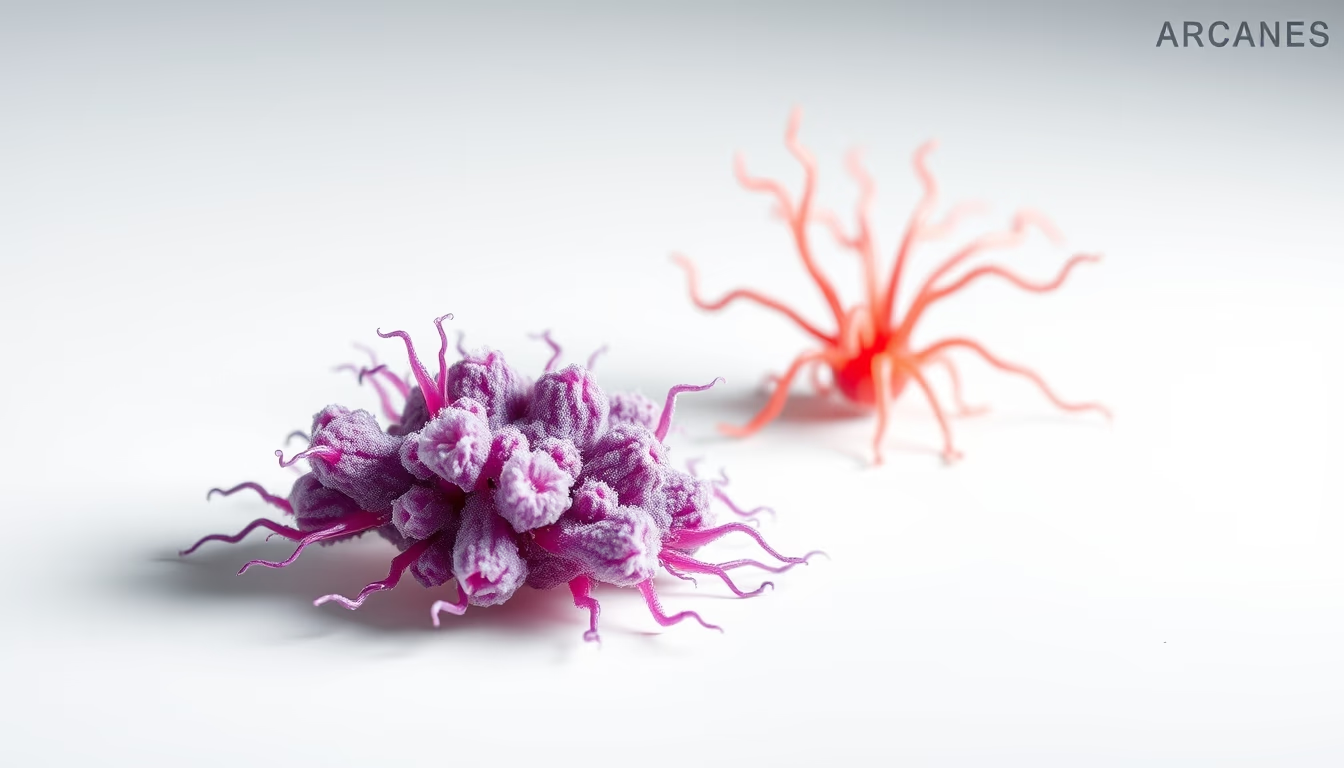
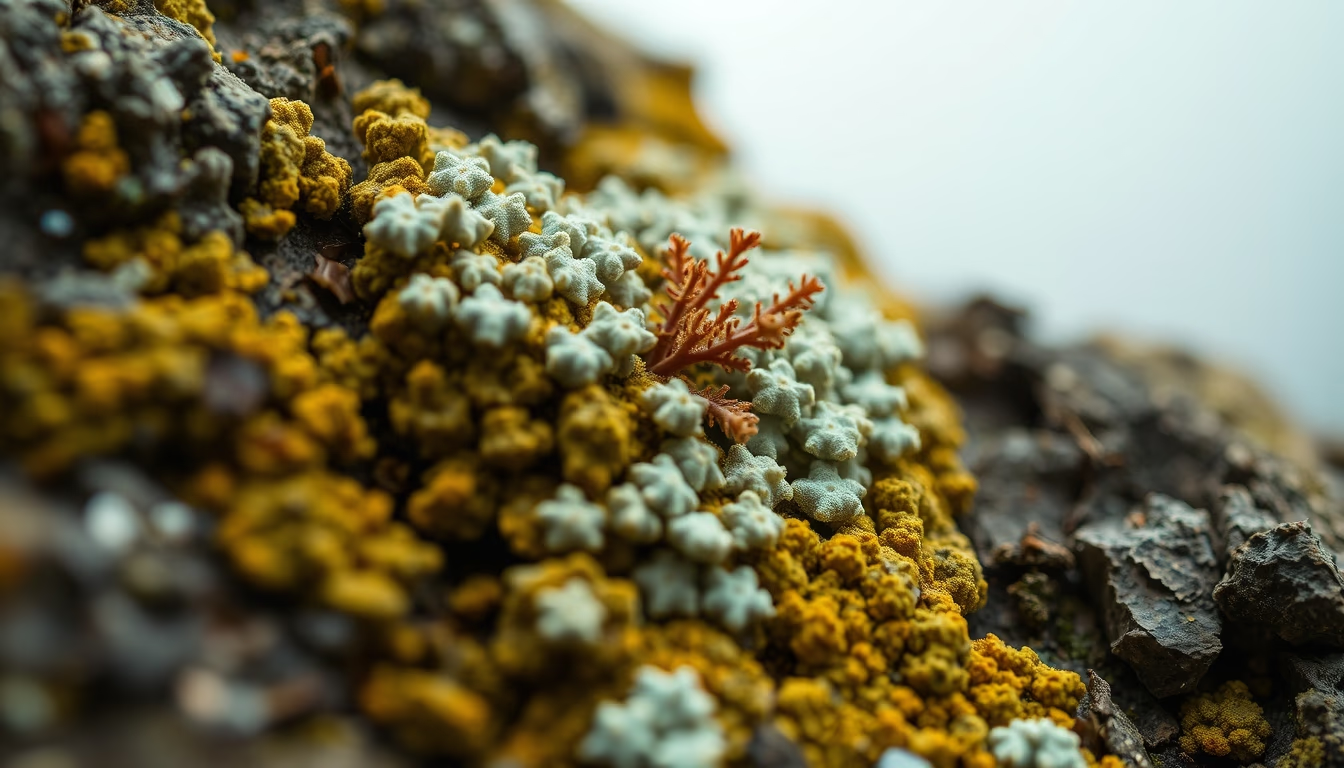
Archaea são micro-organismos unicelulares que prosperam em ambientes extremos, como fontes termais e lagos de alta salinidade, desafiando os limites da vida na Terra.
Sobre o tema
Archaea constituem um dos três domínios da vida, ao lado de Bactérias e Eucariotos. Descobertas na década de 1970 por Carl Woese, essas criaturas microscópicas possuem membranas celulares únicas, com lipídios de éter em vez de éster, além de ribossomos e RNA polimerases distintos. Diferem das bactérias também pela ausência de peptideoglicano na parede celular.
Muitas arqueias são extremófilas, ou seja, vivem em condições consideradas inóspitas para a maioria dos seres vivos. Os termófilos, como a espécie Pyrolobus fumarii, habitam fontes hidrotermais oceânicas a temperaturas acima de 100°C. Halófilos extremos, como Halobacterium salinarum, colonizam lagos hipersalinos, onde a concentração de sal é superior a 10%. Outros ainda são acidófilos, tolerando pH próximo de zero, ou metanogênicos, que produzem metano em ambientes anaeróbicos como pântanos e estômagos de ruminantes.
Esses organismos desempenham papéis ecológicos fundamentais na ciclagem de carbono, nitrogênio e enxofre. As arqueias metanogênicas, por exemplo, geram metano que pode ser usado como biocombustível. Em biotecnologia, suas enzimas termoestáveis revolucionaram a biologia molecular, a Taq polimerase, extraída de uma arqueia termofílica, é essencial para a reação em cadeia da polimerase (PCR). Além disso, a capacidade de sobreviver em condições extremas torna as arqueias modelos importantes para a astrobiologia, sugerindo que vida extraterrestre poderia existir em ambientes similares em Marte ou nas luas de Júpiter.
Perguntas frequentes
O que diferencia as arqueias das bactérias?
Arqueias e bactérias são ambos procariontes, mas diferem em composição de membrana (lipídios de éter vs. éster), parede celular (sem peptideoglicano) e mecanismos de transcrição e tradução, mais similares aos eucariotos.
Em que ambientes extremos as arqueias podem ser encontradas?
As arqueias habitam locais como fontes termais, gêiseres, lagos hipersalinos, ambientes ácidos (ex.: drenagem ácida de minas), fontes hidrotermais oceânicas, e também ambientes anaeróbicos como pântanos e trato digestivo de animais.
Por que as arqueias são importantes para a ciência?
Elas fornecem pistas sobre a origem da vida, produzem enzimas termoestáveis usadas em biotecnologia (ex.: PCR), contribuem para ciclos biogeoquímicos globais e servem como modelos para busca de vida extraterrestre.
URL direta
https://pub-c7d6a6ea828543ac903a74a341ccb2e1.r2.dev/imagens/archaea-extremophile-minimalist-composition-fresh14.avifComo creditar
Inclua um link visível de volta pro UtilizAí. Copie um dos snippets abaixo:
<a href="https://xn--utiliza-eza.com/midia/imagens/archaea-extremophile-minimalist-composition-fresh14">Archaea extremophile</a> by <a href="https://xn--utiliza-eza.com">UtilizAí</a>, licensed under <a href="https://creativecommons.org/licenses/by/4.0/">CC BY 4.0</a>.
[Archaea extremophile](https://xn--utiliza-eza.com/midia/imagens/archaea-extremophile-minimalist-composition-fresh14) by [UtilizAí](https://xn--utiliza-eza.com), CC BY 4.0
Licença: CC-BY-4.0