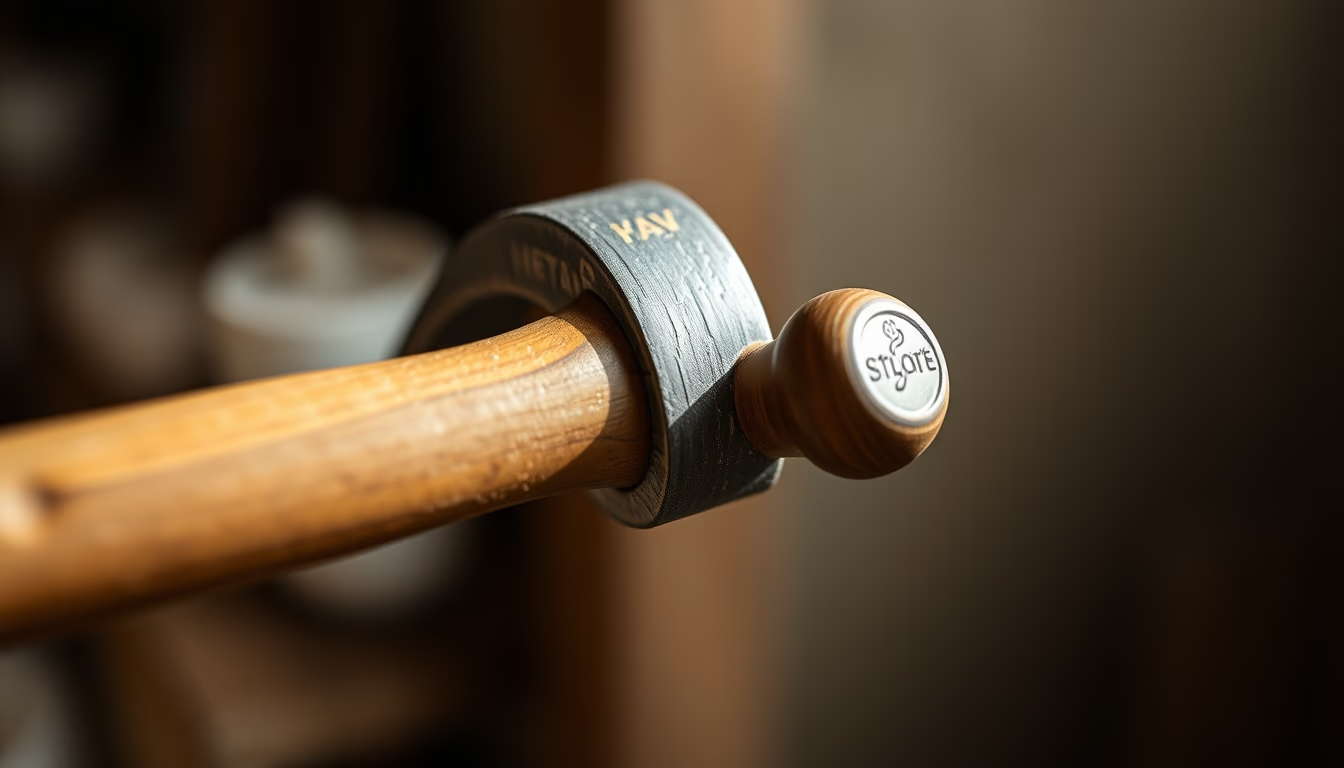
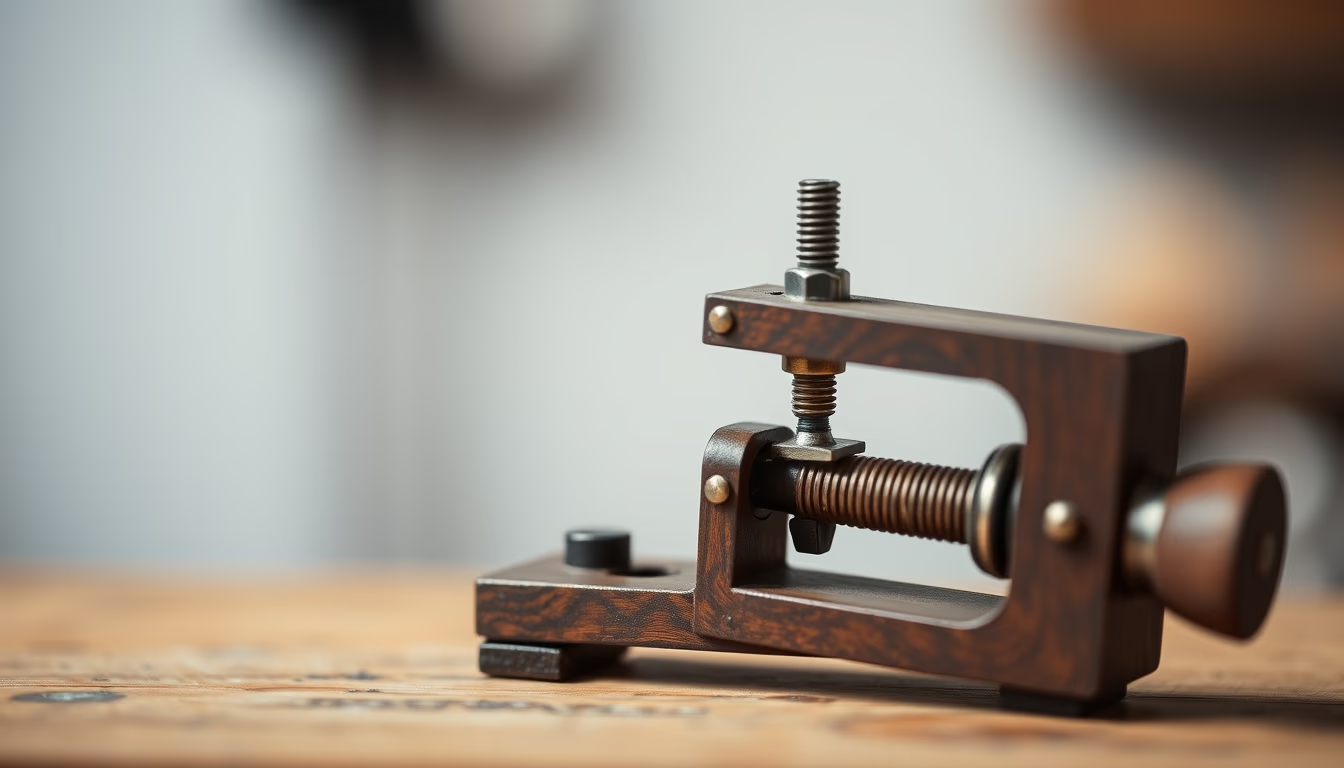
Antique hand drill brace
1344×768 · AVIF · CC BY 4.0
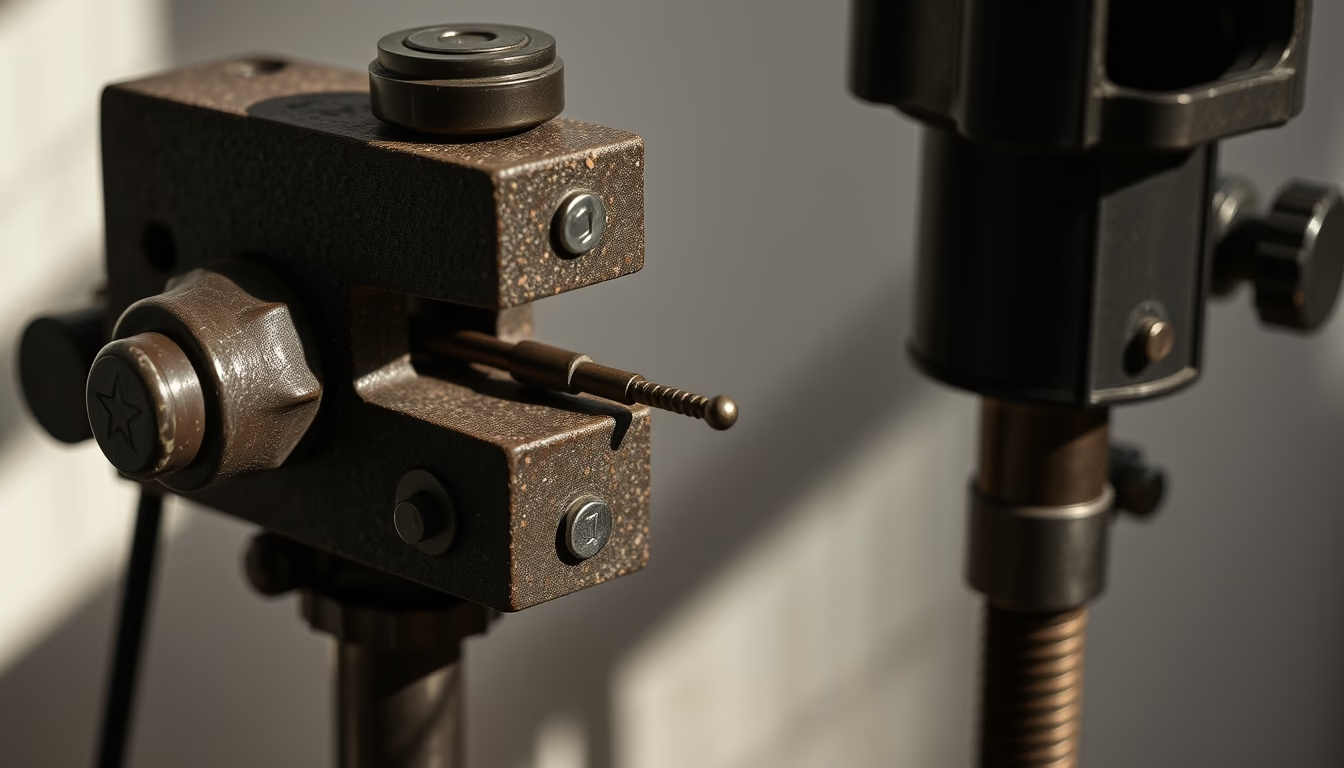
The antique hand drill brace, also known as a brace and bit, is a historic woodworking tool that preceded electric drills.
About this subject
The antique hand drill brace, also called a brace and bit or hand brace, is a traditional tool used for drilling holes in wood, metal, and other materials. Its origins trace back to the 15th century, but it saw widespread use in the 19th and early 20th centuries before the advent of electric drills. The tool consists of a crank-shaped handle (the brace) that holds a drill bit, allowing the user to rotate the bit manually with continuous motion. Many models feature a ratchet mechanism, enabling drilling in tight spaces where a full rotation is impossible.
Typically constructed from hardwoods such as walnut or beech combined with forged iron or steel, with brass or steel fittings, the brace often includes a two-jaw or three-jaw chuck to secure various bit sizes. It was indispensable in carpentry, woodworking, and even railroad maintenance for drilling ties. The efficiency of the tool relied on the skill of the operator, who needed to apply steady pressure and rotation to avoid binding or breaking the bit.
Interestingly, the hand drill brace is still favored by craftsmen and restoration enthusiasts for its precision and lack of electric noise. Antique models are collectible, with values depending on condition and rarity of manufacturers like Millers Falls, Stanley, and Jennings. The brace stands as a symbol of pre-industrial craftsmanship, showcasing mechanical ingenuity before the era of electrification.
Frequently Asked Questions
How does a hand drill brace work?
A hand drill brace works by turning a crank handle that rotates the drill bit. The user places the top of the brace against their chest or shoulder, applies pressure, and turns the crank to drill the hole.
What materials were used to make antique hand drill braces?
Antique hand drill braces were typically made of hardwood like walnut or beech, combined with forged iron or steel. Brass or steel fittings were common, and the chuck could be a two-jaw or three-jaw type.
Why is it called a brace?
The term brace comes from the Old French word brace, meaning arm, referring to the arm motion used to turn the tool. It is also related to the tool's function of bracing or holding the bit firmly.
Direct URL
https://pub-c7d6a6ea828543ac903a74a341ccb2e1.r2.dev/imagens/antique-hand-drill-brace-magazine-editorial-fresh6.avifHow to credit
Include a visible link back to UtilizAí. Copy one of the snippets below:
<a href="https://xn--utiliza-eza.com/en/midia/imagens/antique-hand-drill-brace-magazine-editorial-fresh6">Antique hand drill brace</a> by <a href="https://xn--utiliza-eza.com">UtilizAí</a>, licensed under <a href="https://creativecommons.org/licenses/by/4.0/">CC BY 4.0</a>.
[Antique hand drill brace](https://xn--utiliza-eza.com/en/midia/imagens/antique-hand-drill-brace-magazine-editorial-fresh6) by [UtilizAí](https://xn--utiliza-eza.com), CC BY 4.0
License: CC-BY-4.0