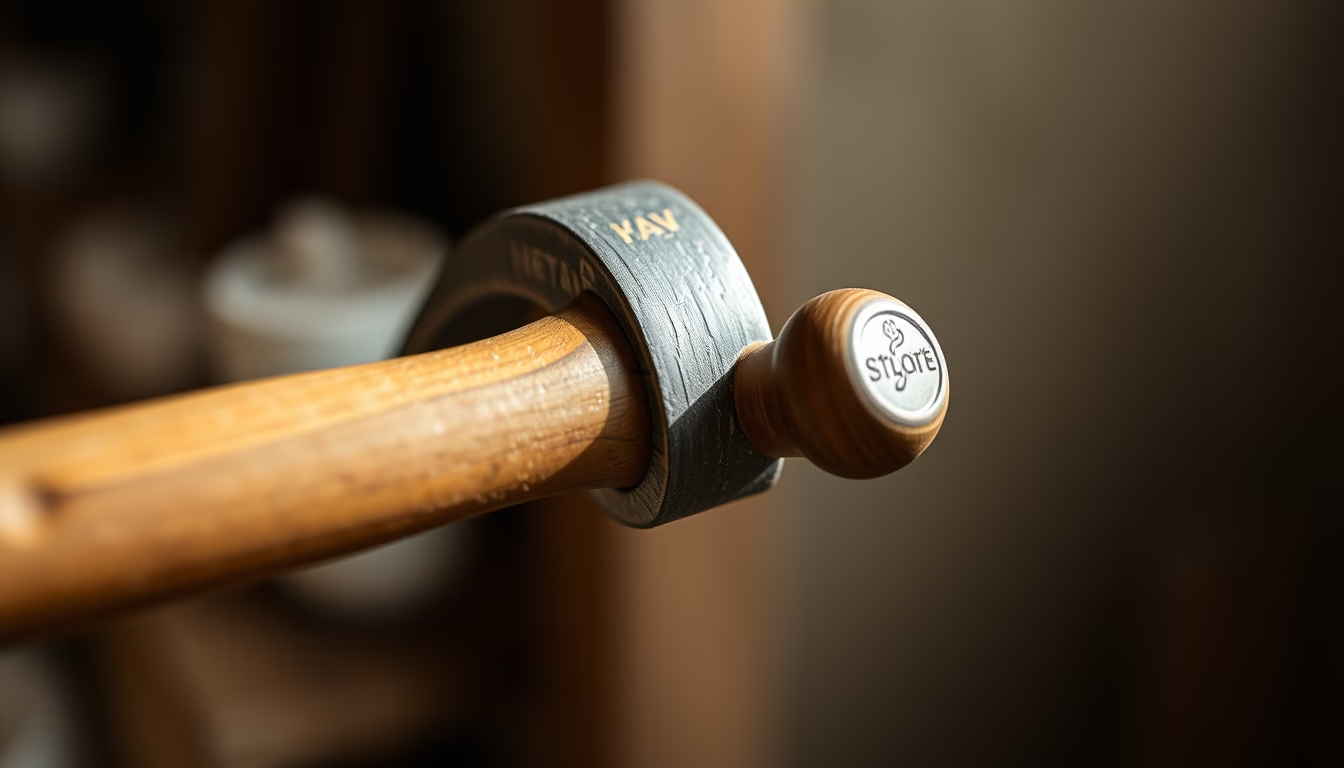
Antique hammer wooden handle
1344×768 · AVIF · CC BY 4.0
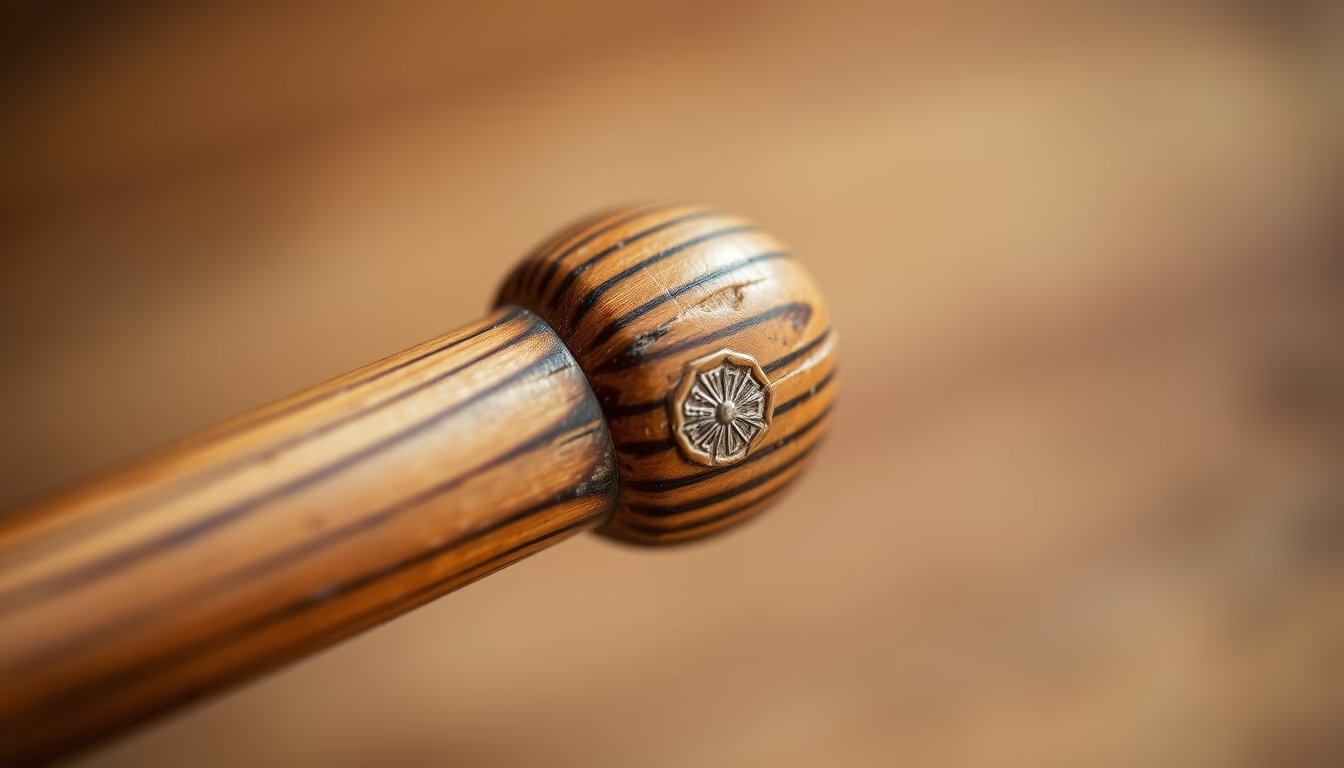
Antique hammer with a solid wooden handle, a piece of artisan toolmaking from the 19th or early 20th century.
About this subject
The antique hammer with a wooden handle is a prime example of manual toolmaking that dominated before mass industrial production. Its handle, typically carved from hardwoods such as oak, ash, or walnut, was hand-shaped to fit the user's grip perfectly. The metal head, forged from iron or steel, was secured by wedges of metal or wood, a technique that ensured firmness even after years of use.
These hammers were employed across various trades: carpenters, cabinetmakers, blacksmiths, and builders. Each craft required a specific head shape and handle length. For instance, blacksmith's hammers had broader heads and shorter handles for precise strikes, while carpenter's hammers featured a claw for pulling nails. The patina and wear marks on the handle reveal a great deal about the tool's history, such as the type of work done and the frequency of use.
Preserving an antique hammer requires special care. The wooden handle should be cleaned with linseed oil to prevent cracking and kept away from excessive moisture. The metal head can be cleaned with a fine steel brush and protected with neutral wax. Many collectors value natural wear marks over complete restoration, as they tell the tool's story.
Interestingly, the crafting of hammer handles was a specialization in itself. The so-called 'handle makers' selected wood by observing grain direction to ensure impact resistance. Broken handles were replaced, but original, well-preserved handles can significantly increase the hammer's value at antique auctions.
Frequently Asked Questions
How to identify a quality antique hammer?
Examine the wood of the handle: hardwoods like oak or ash indicate good quality. Check the head attachment: well-fitted metal or wood wedges are a sign of craftsmanship. Forging marks and an even patina are also indicators.
What wood was most commonly used for antique hammer handles?
The most common woods were ash, oak, and walnut. Ash is valued for its elasticity and impact resistance, while oak offers hardness and durability.
How to restore a wooden handle on an antique hammer?
Lightly sand the surface to remove surface dirt, then apply linseed oil or beeswax to nourish the wood. Avoid over-sanding to preserve historical marks. For deep cracks, consult a professional restorer.
Direct URL
https://pub-c7d6a6ea828543ac903a74a341ccb2e1.r2.dev/imagens/antique-hammer-wooden-handle-macro-closeup-fresh1.avifHow to credit
Include a visible link back to UtilizAí. Copy one of the snippets below:
<a href="https://xn--utiliza-eza.com/en/midia/imagens/antique-hammer-wooden-handle-macro-closeup-fresh1">Antique hammer wooden handle</a> by <a href="https://xn--utiliza-eza.com">UtilizAí</a>, licensed under <a href="https://creativecommons.org/licenses/by/4.0/">CC BY 4.0</a>.
[Antique hammer wooden handle](https://xn--utiliza-eza.com/en/midia/imagens/antique-hammer-wooden-handle-macro-closeup-fresh1) by [UtilizAí](https://xn--utiliza-eza.com), CC BY 4.0
License: CC-BY-4.0