Andean textile vivid
1344×768 · AVIF · CC BY 4.0
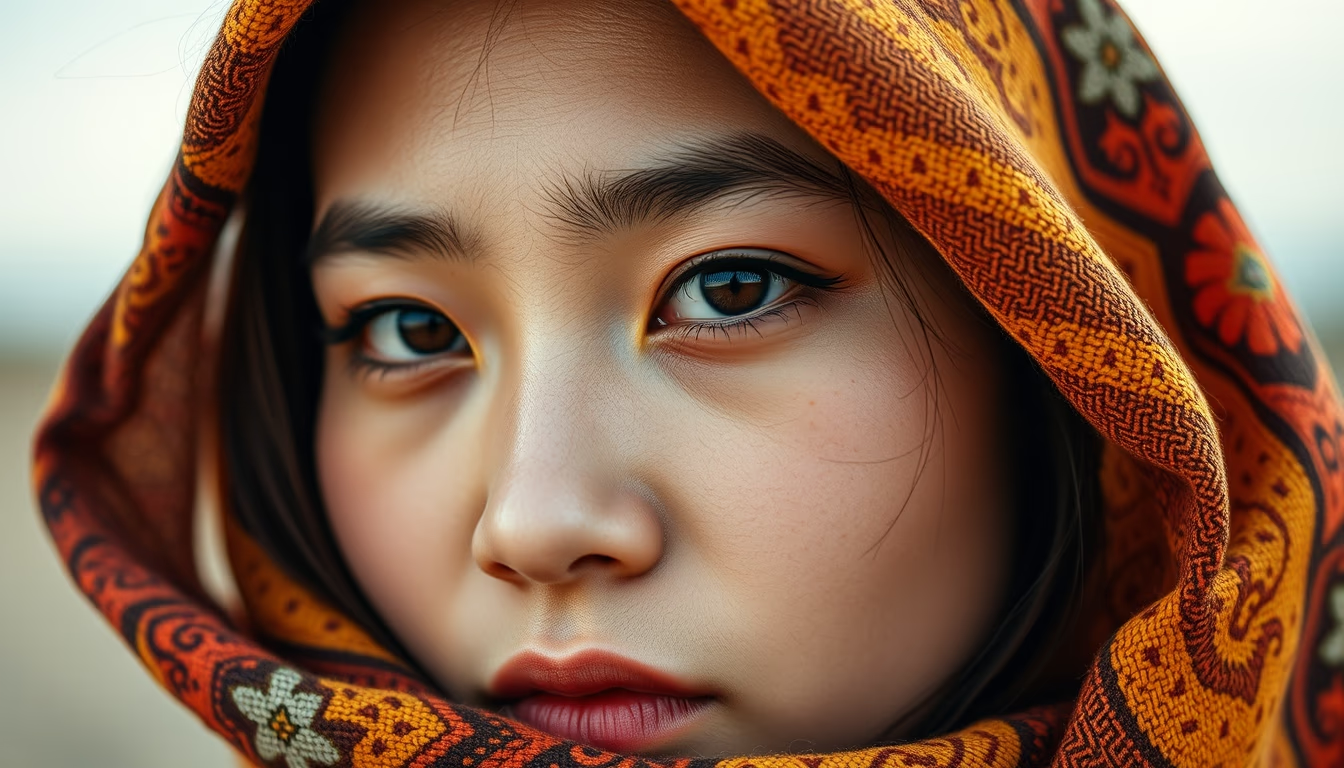
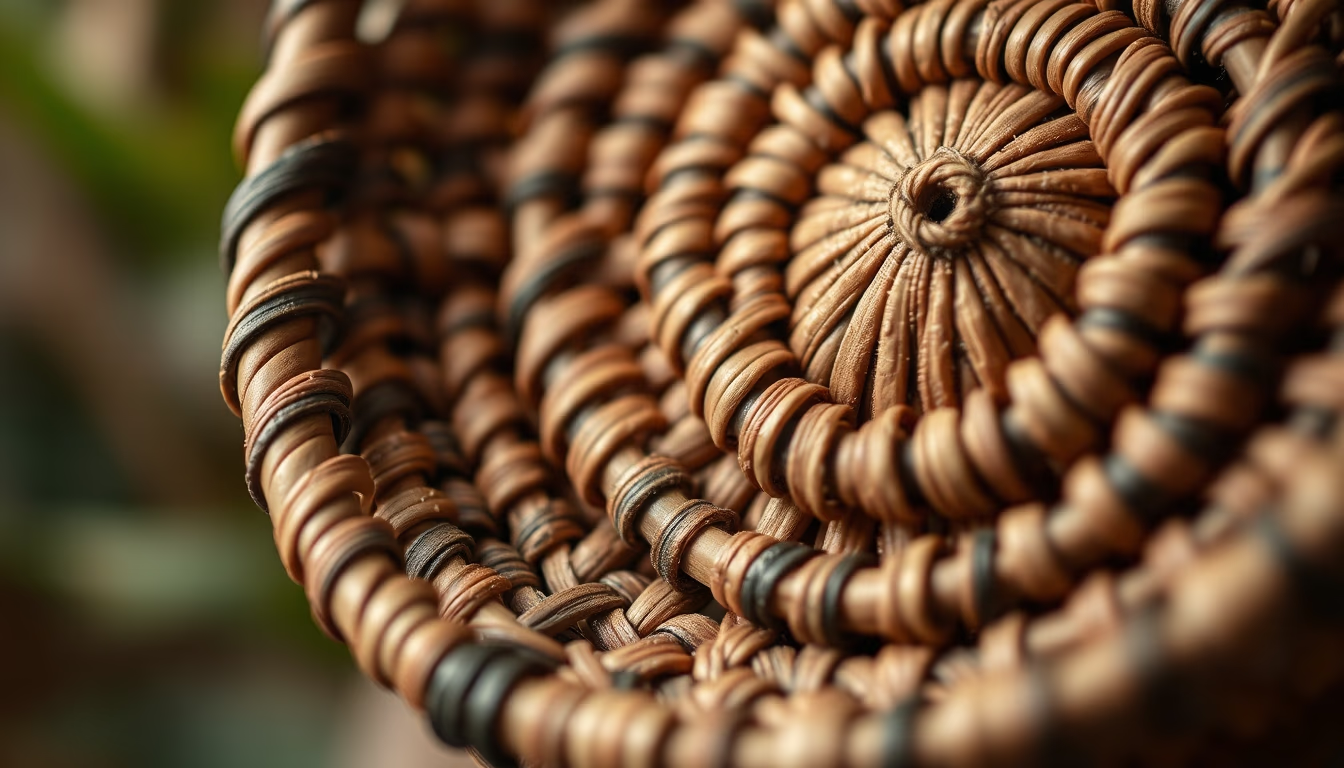
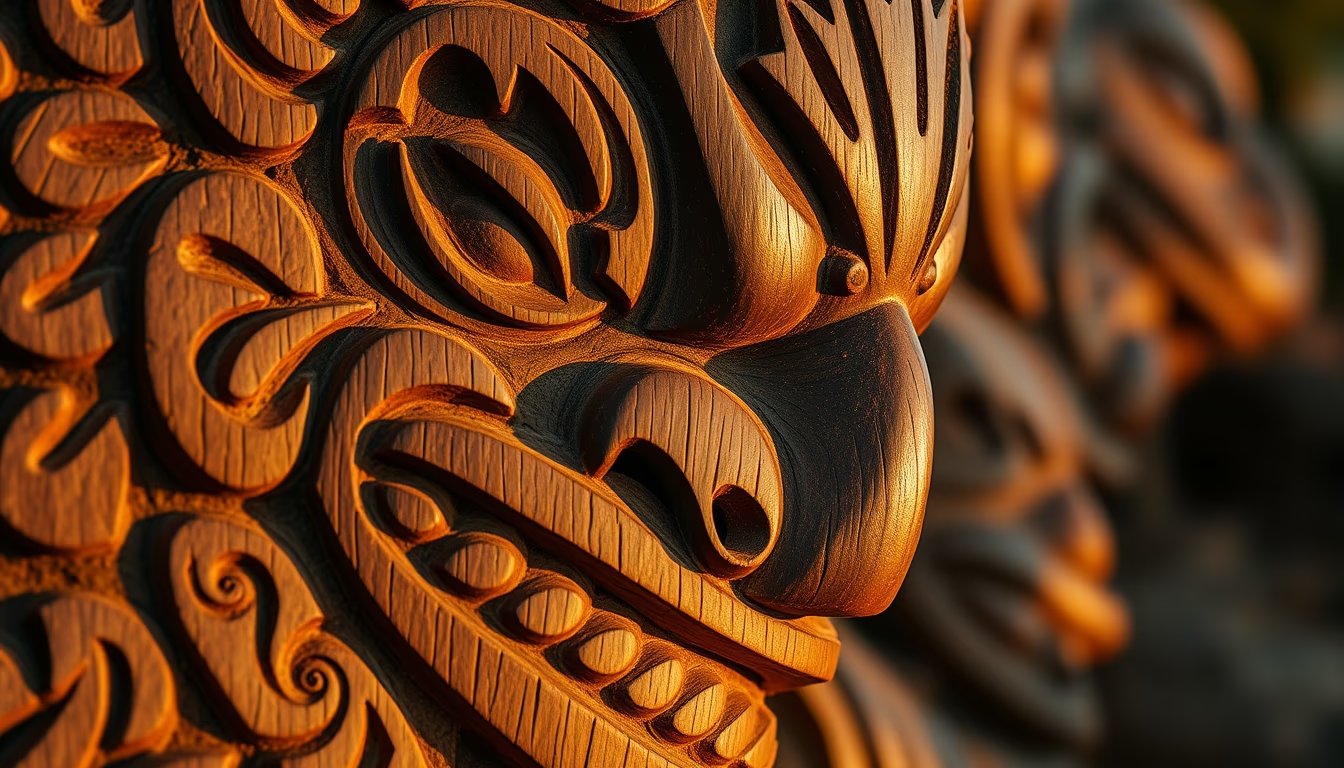
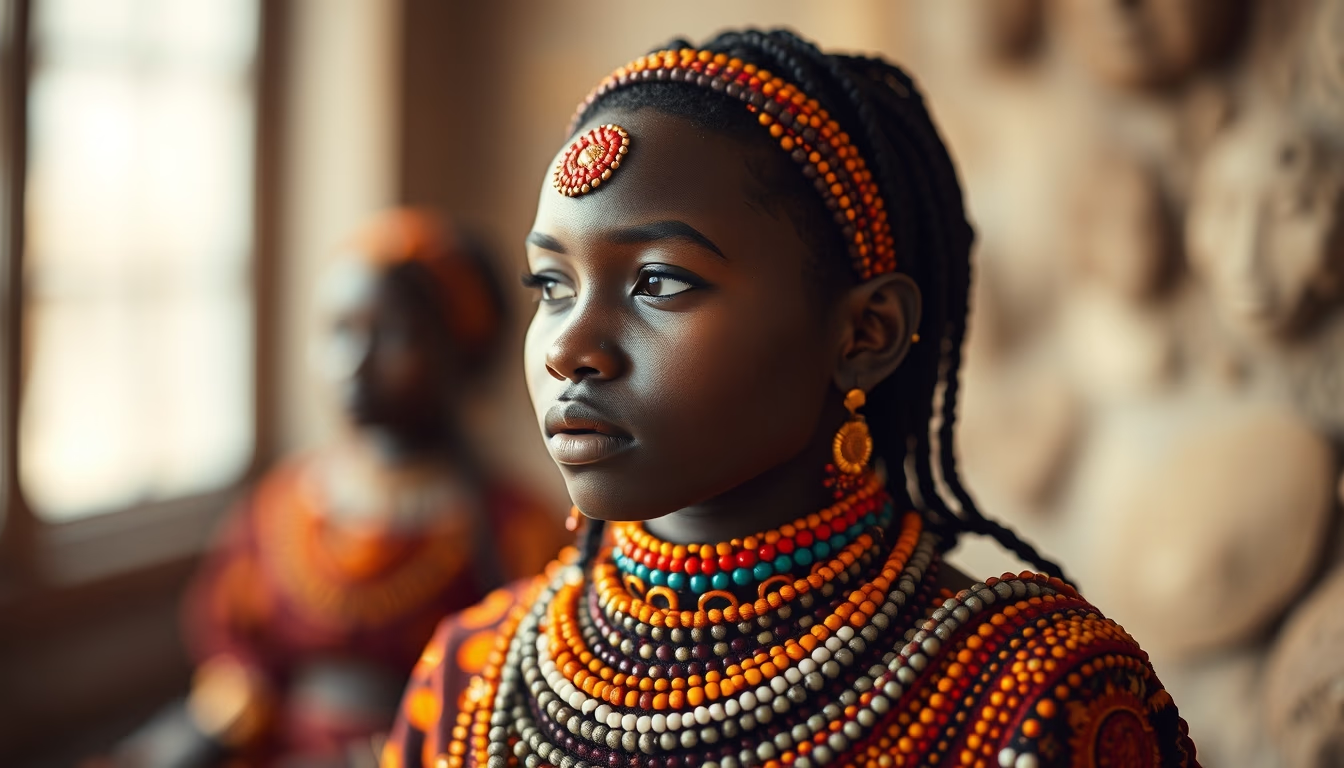
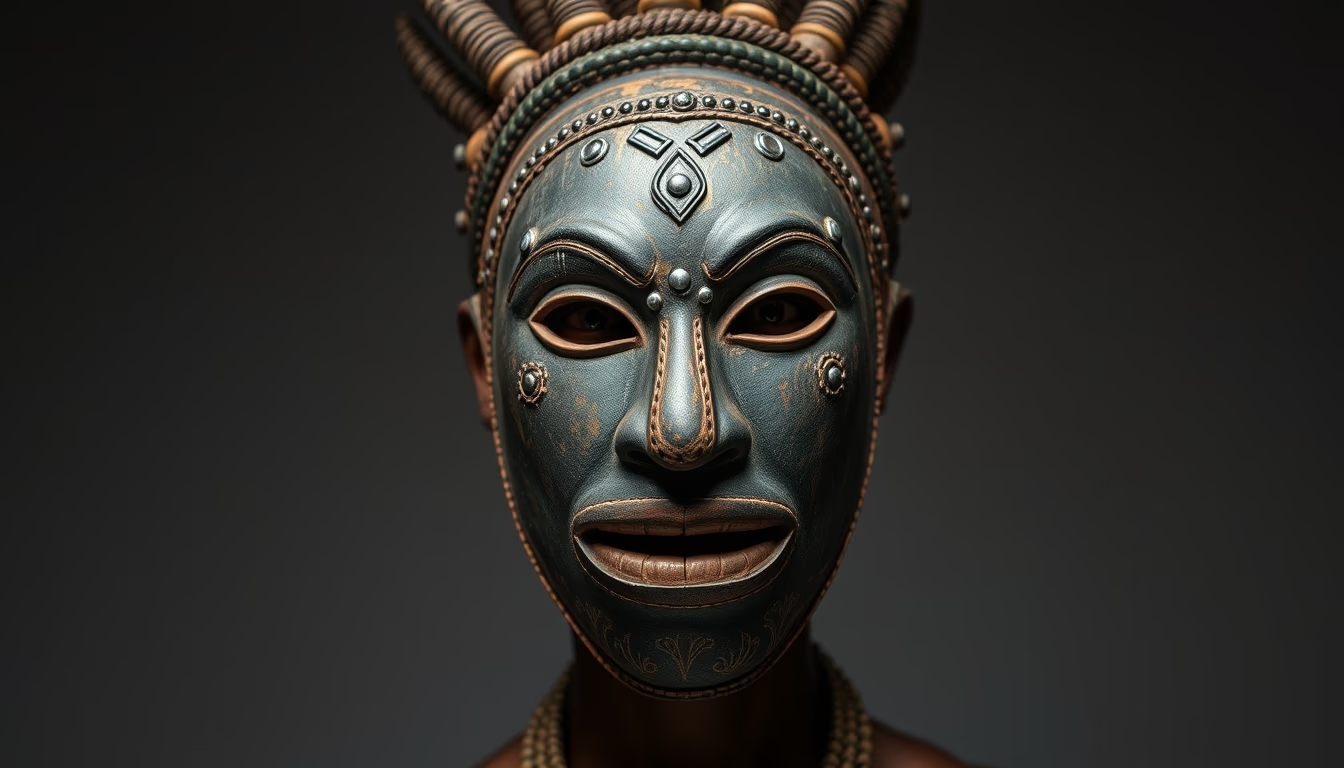
Tecelagem andina: arte têxtil milenar dos povos Quechua e Aymara, reconhecida por sua vivacidade cromática e simbolismo cultural.
Sobre o tema
Os têxteis andinos representam uma das tradições artesanais mais antigas e preservadas da América do Sul. Originários da região dos Andes, que abrange países como Peru, Bolívia, Equador, Colômbia e Chile, esses tecidos são produzidos predominantemente por comunidades indígenas descendentes dos incas e de outras culturas pré-colombianas. A técnica de tecelagem, passada de geração em geração, utiliza fibras naturais como lã de alpaca, lhama e vicunha, além de algodão nativo. Os corantes são extraídos de plantas, minerais e insetos, como a cochonilha, que produz o vermelho intenso característico.
Cada padrão geométrico e figura nos têxteis carrega significados profundos. Elementos como a cruz andina (chakana), o condor, o puma e a serpente representam conceitos cosmológicos e de fertilidade. As cores também têm simbolismo: o vermelho remete à terra e ao sangue, o azul ao céu e à água, e o amarelo ao milho e ao sol. Esses tecidos não são apenas objetos decorativos, mas peças funcionais usadas em roupas, mantas, bolsas e cerimônias rituais. A iconografia varia conforme a comunidade e a região, permitindo identificar a origem de cada peça.
A preservação dessa arte enfrenta desafios contemporâneos, como a concorrência de tecidos industriais e a migração de jovens para centros urbanos. No entanto, projetos de cooperação internacional e feiras de artesanato têm valorizado o trabalho dos tecelões. O reconhecimento da UNESCO como Patrimônio Cultural Imaterial em alguns países também contribui para a salvaguarda. Atualmente, os têxteis andinos são admirados globalmente por sua qualidade e originalidade, sendo expostos em museus como o Museo Nacional de Etnografía y Folklore em La Paz e o Museo Larco em Lima.
Perguntas frequentes
Quais materiais são usados na tecelagem andina?
Os tecelões andinos usam fibras naturais como lã de alpaca, lhama e vicunha, além de algodão nativo. Os corantes vêm de plantas, minerais e insetos, como a cochonilha para o vermelho.
Qual o significado dos padrões nos têxteis andinos?
Os padrões geométricos e figuras representam conceitos cosmológicos e da natureza, como a chakana (cruz andina), animais sagrados (condor, puma) e elementos da agricultura. Cada cor também tem simbologia específica.
Como a tecelagem andina é preservada atualmente?
Projetos de cooperação internacional, feiras de artesanato e o reconhecimento da UNESCO como Patrimônio Cultural Imaterial ajudam a preservar a técnica. Museus na região também expõem e valorizam essas peças.
URL direta
https://pub-c7d6a6ea828543ac903a74a341ccb2e1.r2.dev/imagens/andean-textile-vivid-lo-fi-disposable-camera-fresh6.avifComo creditar
Inclua um link visível de volta pro UtilizAí. Copie um dos snippets abaixo:
<a href="https://xn--utiliza-eza.com/midia/imagens/andean-textile-vivid-lo-fi-disposable-camera-fresh6">Andean textile vivid</a> by <a href="https://xn--utiliza-eza.com">UtilizAí</a>, licensed under <a href="https://creativecommons.org/licenses/by/4.0/">CC BY 4.0</a>.
[Andean textile vivid](https://xn--utiliza-eza.com/midia/imagens/andean-textile-vivid-lo-fi-disposable-camera-fresh6) by [UtilizAí](https://xn--utiliza-eza.com), CC BY 4.0
Licença: CC-BY-4.0