Oliveira centenária gnarled trunk
1344×768 · AVIF · CC BY 4.0
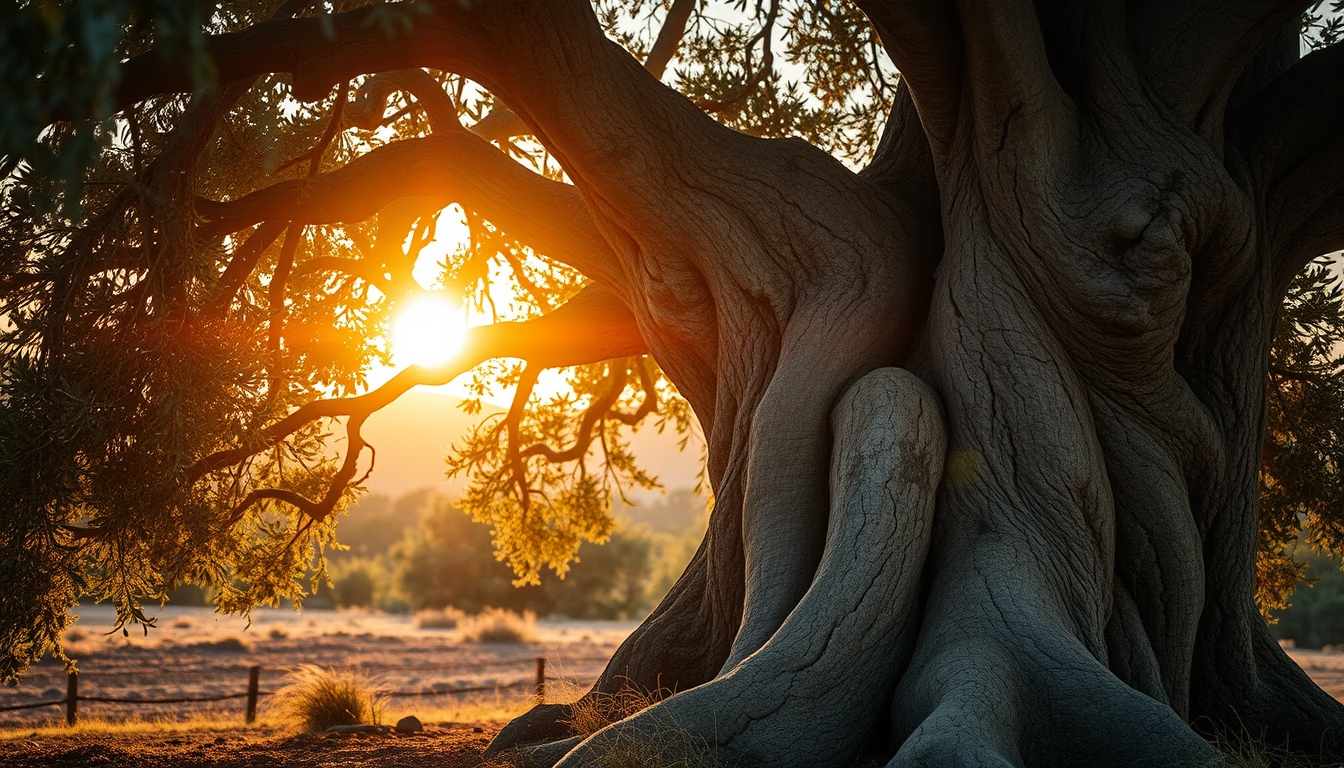
Oliveiras centenárias, como esta de tronco retorcido, são testemunhas vivas da história mediterrânea, podendo ultrapassar dois mil anos de idade.
Sobre o tema
As oliveiras (Olea europaea) são uma das árvores cultivadas mais antigas do mundo, com registros de domesticação datando de cerca de 6.000 anos atrás no Crescente Fértil. Exemplares centenários, como o retratado, são comuns na região do Mediterrâneo, especialmente na Grécia, Itália, Espanha e Portugal. Sua longevidade excepcional se deve à capacidade de regeneração: mesmo quando o tronco se torna oco e retorcido com a idade, a árvore continua a produzir novos brotos e folhas. A madeira densa e os nós característicos são resultado de séculos de crescimento lento em solos pobres e clima seco.
Na cultura mediterrânea, a oliveira simboliza paz, sabedoria e prosperidade. Ramos de oliveira foram usados como coroas dos vencedores nos Jogos Olímpicos da Antiguidade. O azeite extraído de suas azeitonas é um pilar da dieta mediterrânea, reconhecido por seus benefícios à saúde. Algumas oliveiras famosas, como a de Vouves em Creta, têm mais de 3.000 anos e ainda produzem frutos. A idade dessas árvores é frequentemente estimada por datação por carbono-14 e análise de anéis de crescimento, embora troncos ocos dificultem a precisão.
Do ponto de vista botânico, o tronco retorcido e nodoso é uma adaptação evolutiva. A árvore concentra seus recursos na casca e nas raízes, permitindo sobreviver a incêndios florestais e secas prolongadas. A copa, geralmente esparsa, reflete a estratégia de minimizar a perda de água. Cada oliveira centenária é um ecossistema em si, abrigando musgos, liquens e insetos. Sua conservação é vital não apenas para o patrimônio cultural, mas também para a biodiversidade local.
Perguntas frequentes
Como estimar a idade de uma oliveira centenária?
A idade é estimada por datação por carbono-14 da madeira, análise de anéis de crescimento (quando o tronco é sólido) e registros históricos. Em árvores ocas, a estimativa é aproximada, baseada no diâmetro do tronco e taxas de crescimento regionais.
Qual a oliveira mais antiga do mundo?
A oliveira de Vouves, em Creta (Grécia), é considerada uma das mais antigas, com idade estimada entre 3.000 e 4.000 anos. Ela ainda produz azeitonas e é um monumento natural protegido.
Por que o tronco das oliveiras antigas é retorcido e oco?
Com o envelhecimento, o centro do tronco apodrece e se decompõe, formando uma cavidade. O crescimento irregular e a exposição ao vento e ao sol contribuem para a forma retorcida, que é uma adaptação para resistir a condições adversas.
URL direta
https://pub-c7d6a6ea828543ac903a74a341ccb2e1.r2.dev/imagens/ancient-olive-tree-gnarled-trunk-cinematic-wide-shot-p1.avifComo creditar
Inclua um link visível de volta pro UtilizAí. Copie um dos snippets abaixo:
<a href="https://xn--utiliza-eza.com/midia/imagens/ancient-olive-tree-gnarled-trunk-cinematic-wide-shot-p1">Oliveira centenária gnarled trunk</a> by <a href="https://xn--utiliza-eza.com">UtilizAí</a>, licensed under <a href="https://creativecommons.org/licenses/by/4.0/">CC BY 4.0</a>.
[Oliveira centenária gnarled trunk](https://xn--utiliza-eza.com/midia/imagens/ancient-olive-tree-gnarled-trunk-cinematic-wide-shot-p1) by [UtilizAí](https://xn--utiliza-eza.com), CC BY 4.0
Licença: CC-BY-4.0