Album cover art display
1344×768 · AVIF · CC BY 4.0
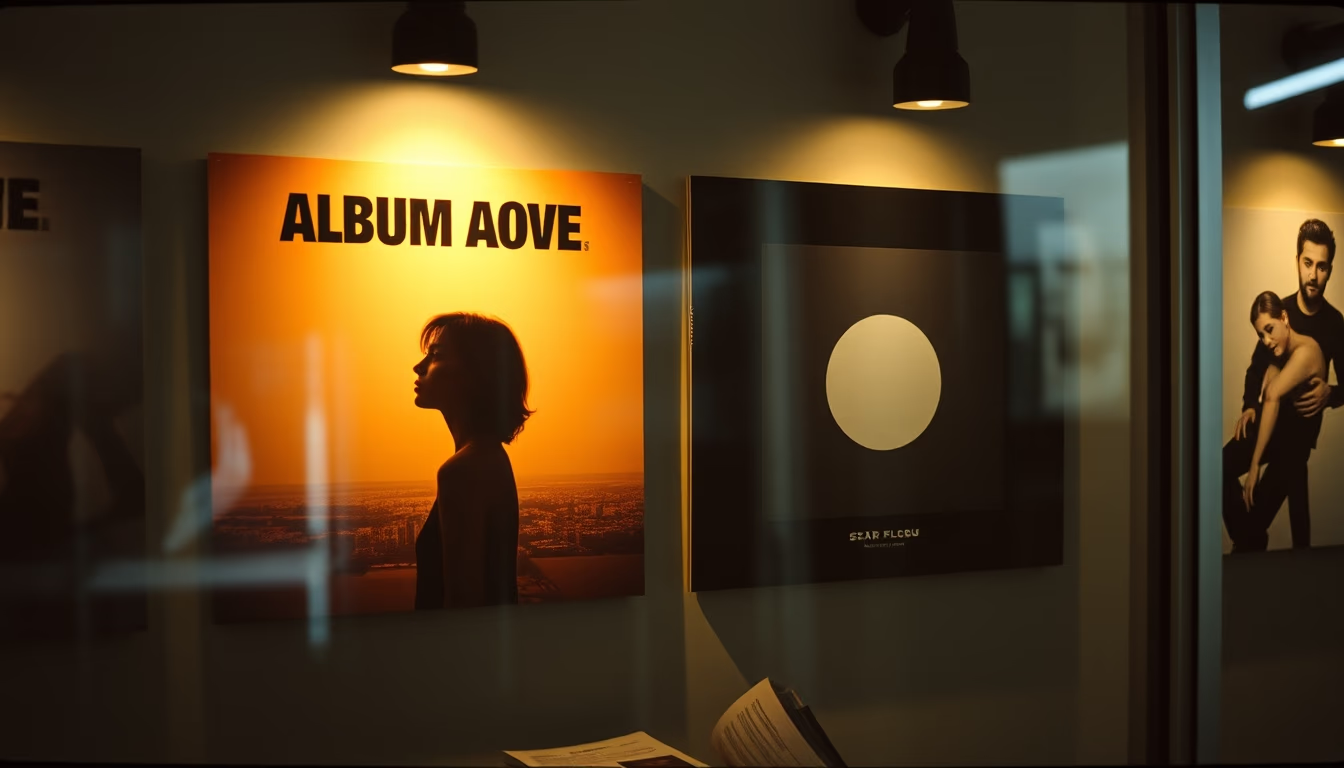
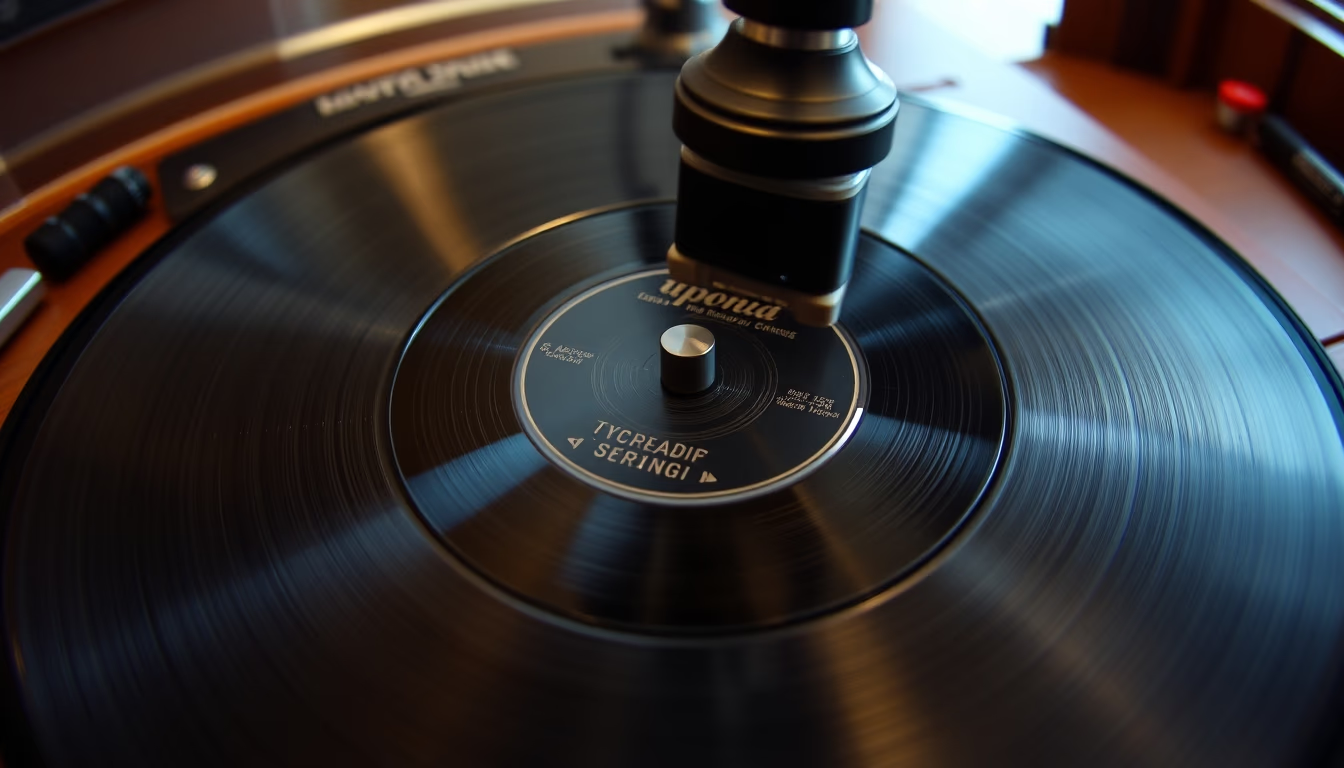
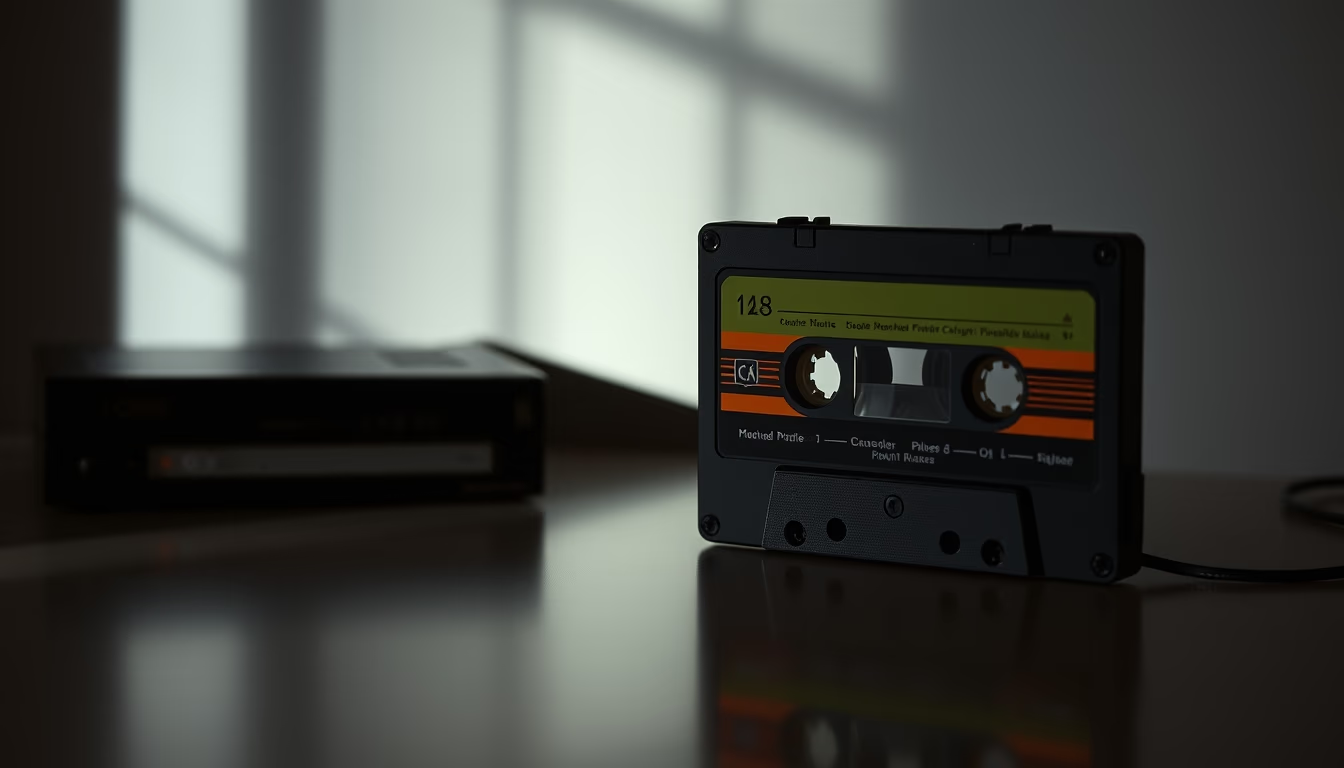
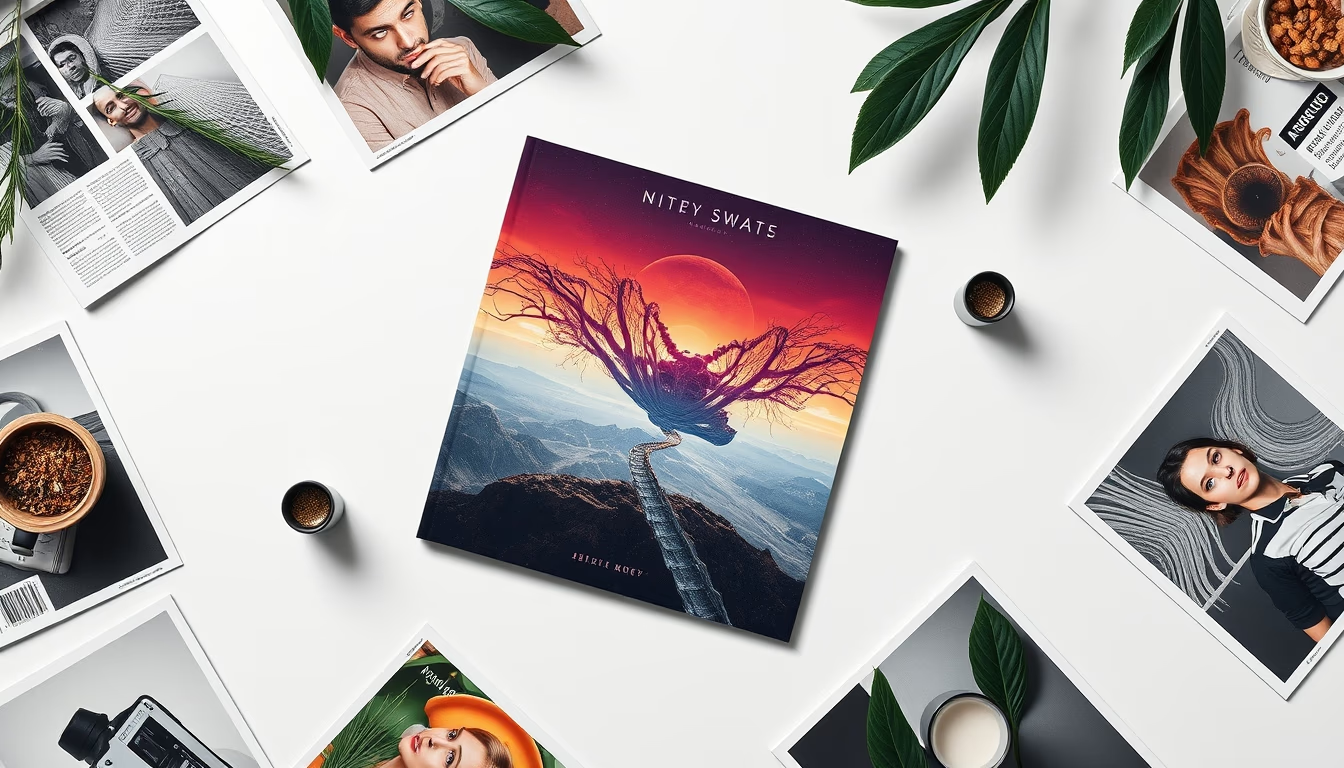
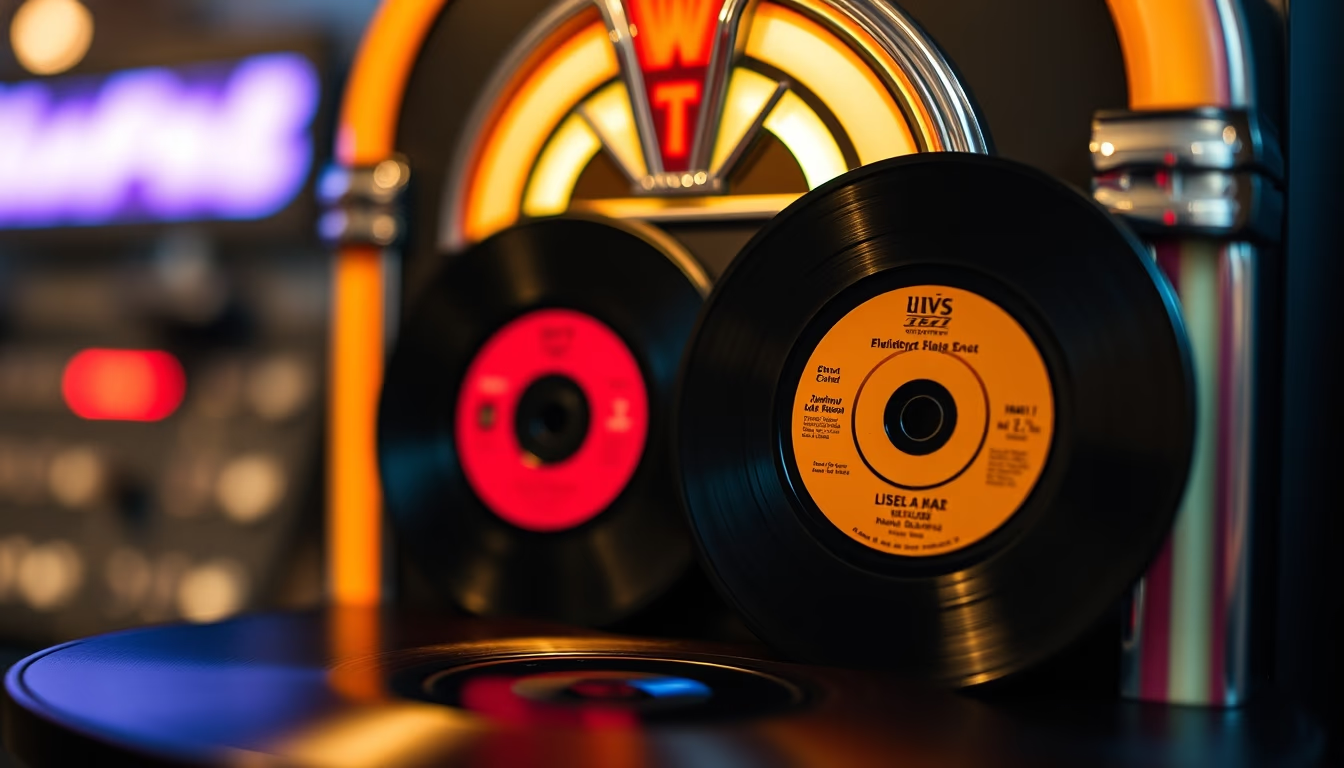
Display of music album covers celebrating vintage and lo-fi aesthetics, blending analog design with pop culture.
About this subject
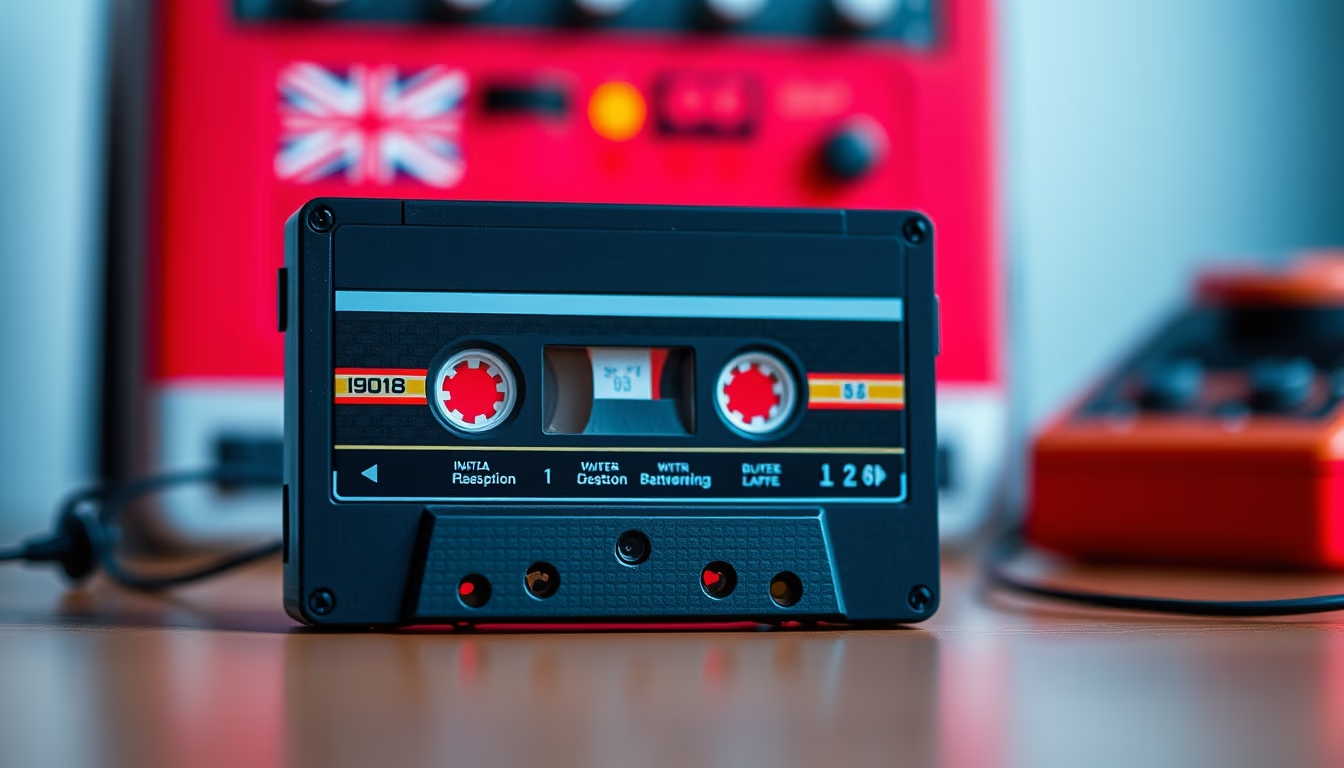
Album cover art has always mirrored the culture of its time, serving as a visual showcase for the music within. Starting in the 1950s with vinyl as the main medium, covers evolved from simple protection into standalone artworks. Artists like Andy Warhol (the banana cover for Velvet Underground) or Peter Saville for Factory Records turned cover design into experimental grounds that dialog with artistic and social movements. The lo-fi aesthetic, popularized in the 1990s by labels like DGC and grunge music, embraces imperfection: grainy photos, desaturated colors, and handmade collages. This approach recalls the disposable camera, which captures spontaneous moments without retouching, and became a symbol of authenticity in music.
In Brazil, the cover of Novos Baianos' "Acabou Chorare" (1972) is a landmark, with its psychedelic illustrations blending counterculture and Northeastern folk elements. In the US, Nirvana's "Nevermind" (1991), a underwater baby chasing a dollar bill, is an iconic grunge image critiquing consumerism. Exhibitions of album covers are common in music museums like the Rock and Roll Hall of Fame and independent galleries emphasizing graphic design's role in the listeners' affective memory. A curatorial display can include jazz classics (like Miles Davis' "Kind of Blue" with its high-contrast photo) and current indie bands reviving lo-fi through disposable cameras.
This trend also thrives in record stores and vinyl fairs, where cover art often drives impulse buying. The paper texture, time creases, and handmade printing are valued elements, turning each cover into a unique piece of material nostalgia.
Frequently Asked Questions
What defines the lo-fi aesthetic in album covers?
The lo-fi aesthetic features visual imperfections like grain, desaturated colors, handmade collages, and photos taken with disposable cameras. It aims for authenticity and nostalgia, contrasting with polished digital production.
Why are album covers important in Brazilian music culture?
Brazilian covers, such as Novos Baianos' 'Acabou Chorare', are landmarks of psychedelic design and counterculture. They blend regional references with global trends, helping define the visual identity of genres like tropicalia and MPB.
Where can I see exhibitions of album cover art?
Exhibitions take place in music museums (Rock and Roll Hall of Fame, Museum of Image and Sound), art galleries, and specialized record stores. Vinyl fairs also often feature curated displays highlighting rare covers.
Direct URL
https://pub-c7d6a6ea828543ac903a74a341ccb2e1.r2.dev/imagens/album-cover-art-display-lo-fi-disposable-camera-fresh15.avifHow to credit
Include a visible link back to UtilizAí. Copy one of the snippets below:
<a href="https://xn--utiliza-eza.com/en/midia/imagens/album-cover-art-display-lo-fi-disposable-camera-fresh15">Album cover art display</a> by <a href="https://xn--utiliza-eza.com">UtilizAí</a>, licensed under <a href="https://creativecommons.org/licenses/by/4.0/">CC BY 4.0</a>.
[Album cover art display](https://xn--utiliza-eza.com/en/midia/imagens/album-cover-art-display-lo-fi-disposable-camera-fresh15) by [UtilizAí](https://xn--utiliza-eza.com), CC BY 4.0
License: CC-BY-4.0