Agincourt field england
1344×768 · AVIF · CC BY 4.0
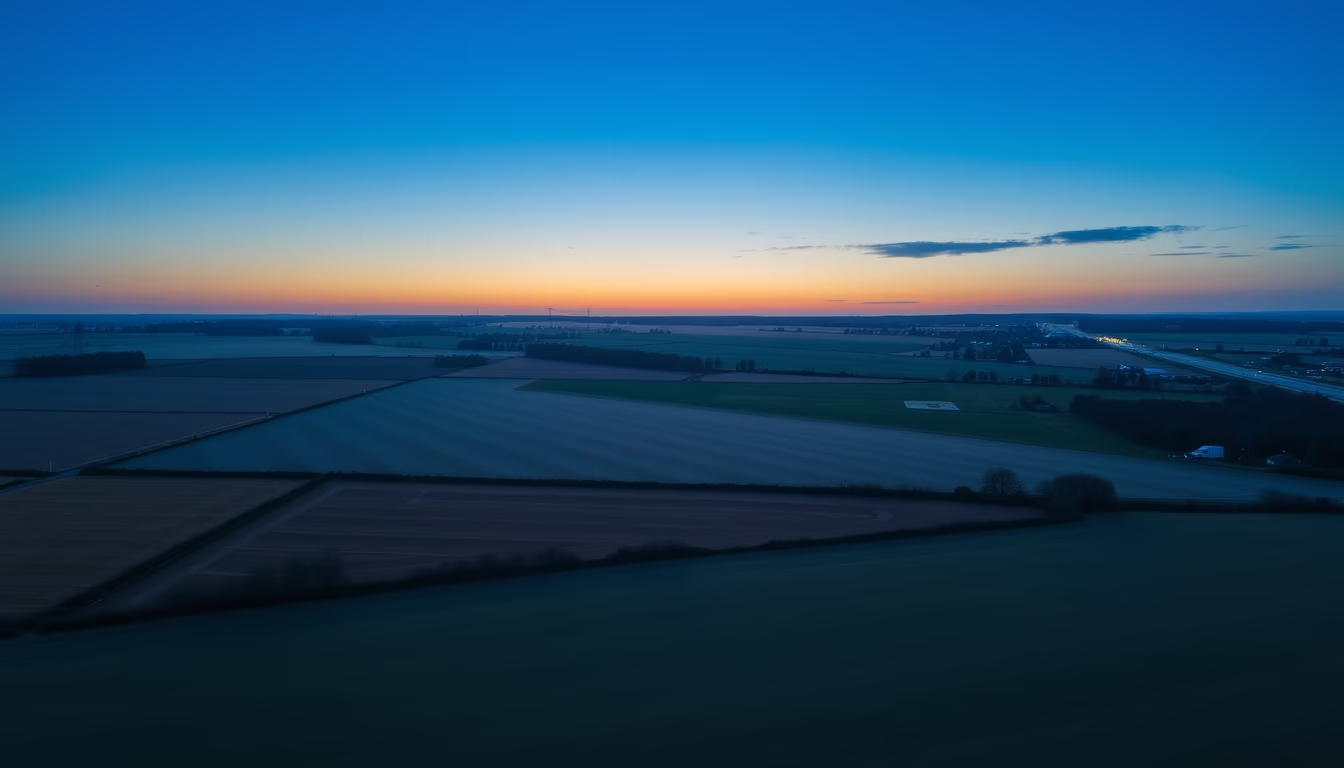
Vista aérea do campo de Agincourt, onde em 1415 o exército inglês de Henrique V derrotou os franceses na Guerra dos Cem Anos.
Sobre o tema
O campo de Agincourt, localizado no norte da França, foi palco de uma das batalhas mais emblemáticas da Guerra dos Cem Anos. Em 25 de outubro de 1415, o exército inglês, liderado pelo rei Henrique V, enfrentou e derrotou uma força francesa numericamente superior. A batalha tornou-se símbolo da eficácia dos arqueiros ingleses armados com o longbow, que dizimaram a cavalaria francesa atolada na lama.
As condições do terreno foram determinantes para o desfecho do combate. Após dias de chuva intensa, o campo de Agincourt transformou-se em um lamaçal, o que dificultou o avanço dos soldados franceses equipados com armaduras pesadas. Os arqueiros ingleses, mais leves e posicionados em flancos protegidos por estacas, conseguiram disparar flechas em ritmo acelerado, causando enormes baixas.
O impacto cultural da batalha transcende o aspecto militar. A peça "Henrique V", de William Shakespeare, imortalizou o discurso do rei antes do combate, com a famosa frase "Nós, poucos, felizes poucos, nós, um bando de irmãos". O termo "Agincourt" passou a representar a vitória contra todas as probabilidades, sendo referência em livros, filmes e até mesmo no nome de ruas e pubs em países de língua inglesa.
Atualmente, o campo preserva características rurais, com monumentos e placas que marcam o local da batalha. Visitantes podem percorrer trilhas interpretativas e compreender a disposição das tropas. O sítio histórico atrai estudiosos e turistas interessados na Idade Média e na história militar europeia.
Perguntas frequentes
Onde exatamente fica o campo de Agincourt?
O campo de batalha de Agincourt está situado na comuna de Azincourt, no departamento de Pas-de-Calais, norte da França. Fica a cerca de 60 km ao sul de Calais.
Qual foi o papel dos arqueiros ingleses na batalha?
Os arqueiros, equipados com arcos longos (longbows), foram fundamentais. Eles disparavam flechas em alta cadência, atingindo os franceses mesmo antes do contato corpo a corpo. O terreno lamacento potencializou o efeito, pois os cavaleiros ficaram presos e vulneráveis.
Por que a Batalha de Agincourt é tão famosa?
Ela é lembrada pela vitória esmagadora de um exército inglês menor e cansado contra forças francesas numericamente superiores. Além disso, foi imortalizada por Shakespeare e tornou-se um símbolo de coragem e superação na cultura popular.
URL direta
https://pub-c7d6a6ea828543ac903a74a341ccb2e1.r2.dev/imagens/agincourt-field-england-aerial-drone-shot-fresh0.avifComo creditar
Inclua um link visível de volta pro UtilizAí. Copie um dos snippets abaixo:
<a href="https://xn--utiliza-eza.com/midia/imagens/agincourt-field-england-aerial-drone-shot-fresh0">Agincourt field england</a> by <a href="https://xn--utiliza-eza.com">UtilizAí</a>, licensed under <a href="https://creativecommons.org/licenses/by/4.0/">CC BY 4.0</a>.
[Agincourt field england](https://xn--utiliza-eza.com/midia/imagens/agincourt-field-england-aerial-drone-shot-fresh0) by [UtilizAí](https://xn--utiliza-eza.com), CC BY 4.0
Licença: CC-BY-4.0