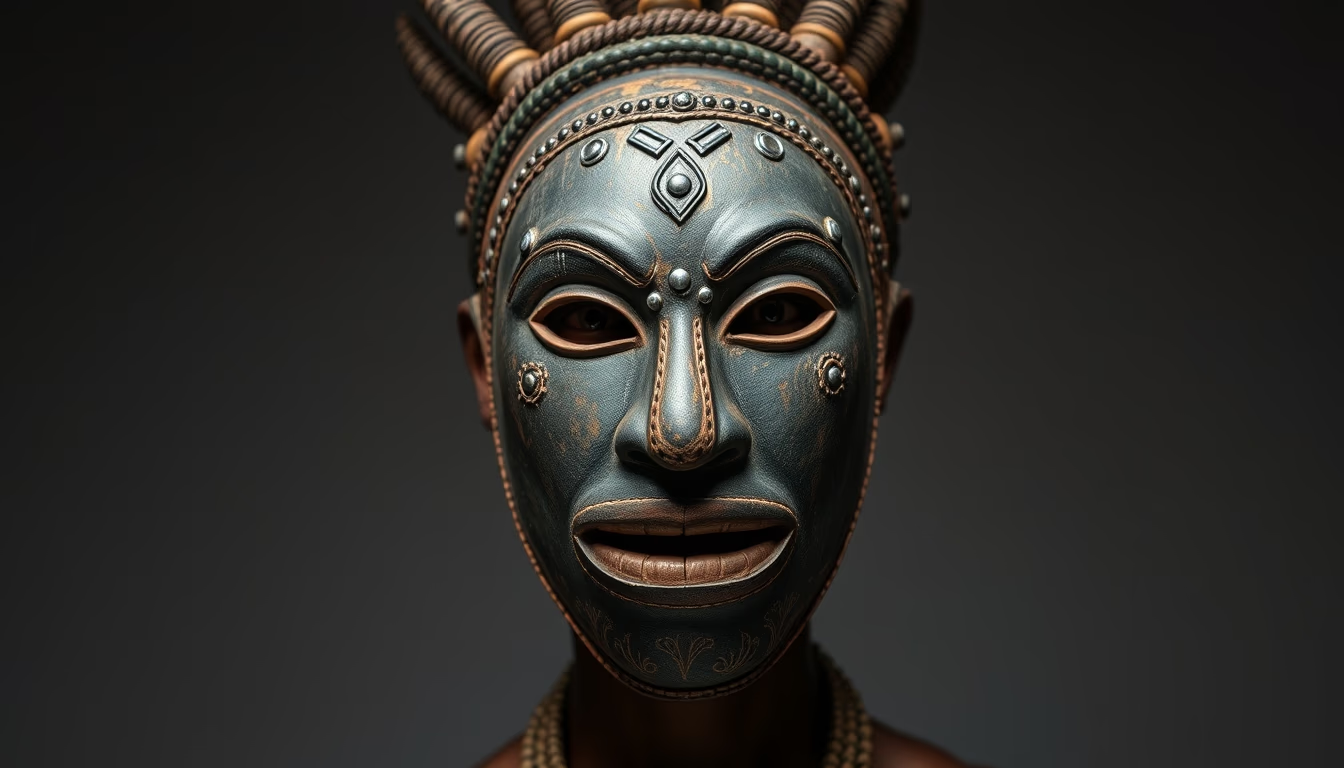
African tribal mask
1344×768 · AVIF · CC BY 4.0
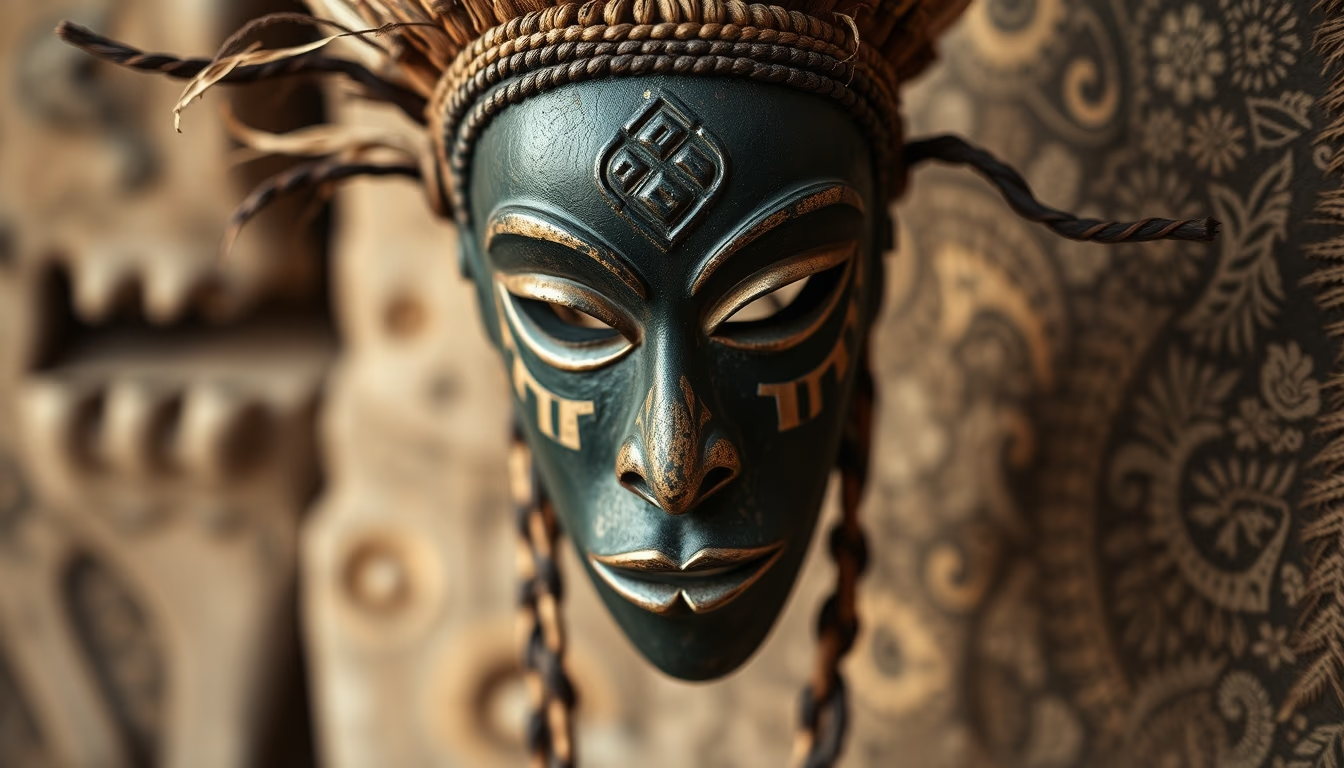
African tribal masks are ritual artifacts representing spirits, ancestors or natural forces, used in ceremonies across diverse cultures of the continent.
About this subject
African tribal masks date back thousands of years and are central to rites of passage, harvests, funerals, and religious ceremonies. Each ethnic group develops distinct styles: the Dan masks of Ivory Coast, the Baule masks, or the Chokwe masks of Angola. Materials range from wood, ivory, cloth to metals, and colors and shapes carry specific meanings; for example, masks with prominent eyes may represent spiritual vision.
Their cultural importance goes beyond aesthetics. Masks are considered vehicles for contact with the spiritual world during ceremonies. The dancer who wears it embodies the being represented, be it an ancestor, deity, or totemic animal. Many male or female secret societies control the use and manufacture of masks, passing knowledge down generations.
In the West, African masks influenced modern artists like Pablo Picasso and Henri Matisse, who drew inspiration from their expressiveness and abstraction for Cubism. Ethnographic collections in museums such as the Musée du Quai Branly in Paris and the African Art Museum in New York preserve historical pieces, but there are debates about repatriation of items taken during the colonial period.
Interestingly, some masks are so sacred that they cannot be seen by outsiders or women at certain life stages. Their exact meaning is often kept secret within the community.
Frequently Asked Questions
What is the main purpose of an African tribal mask?
The main purpose is ritual and ceremonial: to serve as a means of communication with spirits, ancestors, or deities during events like initiations, funerals, and festivals.
What materials are African masks made from?
Masks are mainly made from wood, but can also include ivory, horns, cloth, straw, metals, and shells, depending on the culture and local availability.
Are African masks always worn by men?
No. Although many male secret societies control the use, there are masks worn by women in certain cultures, such as the mask of a woman in the Mende ethnic group of Sierra Leone.
Direct URL
https://pub-c7d6a6ea828543ac903a74a341ccb2e1.r2.dev/imagens/african-tribal-mask-tilt-shift-miniature-fresh14.avifHow to credit
Include a visible link back to UtilizAí. Copy one of the snippets below:
<a href="https://xn--utiliza-eza.com/en/midia/imagens/african-tribal-mask-tilt-shift-miniature-fresh14">African tribal mask</a> by <a href="https://xn--utiliza-eza.com">UtilizAí</a>, licensed under <a href="https://creativecommons.org/licenses/by/4.0/">CC BY 4.0</a>.
[African tribal mask](https://xn--utiliza-eza.com/en/midia/imagens/african-tribal-mask-tilt-shift-miniature-fresh14) by [UtilizAí](https://xn--utiliza-eza.com), CC BY 4.0
License: CC-BY-4.0