African tribal mask
1344×768 · AVIF · CC BY 4.0
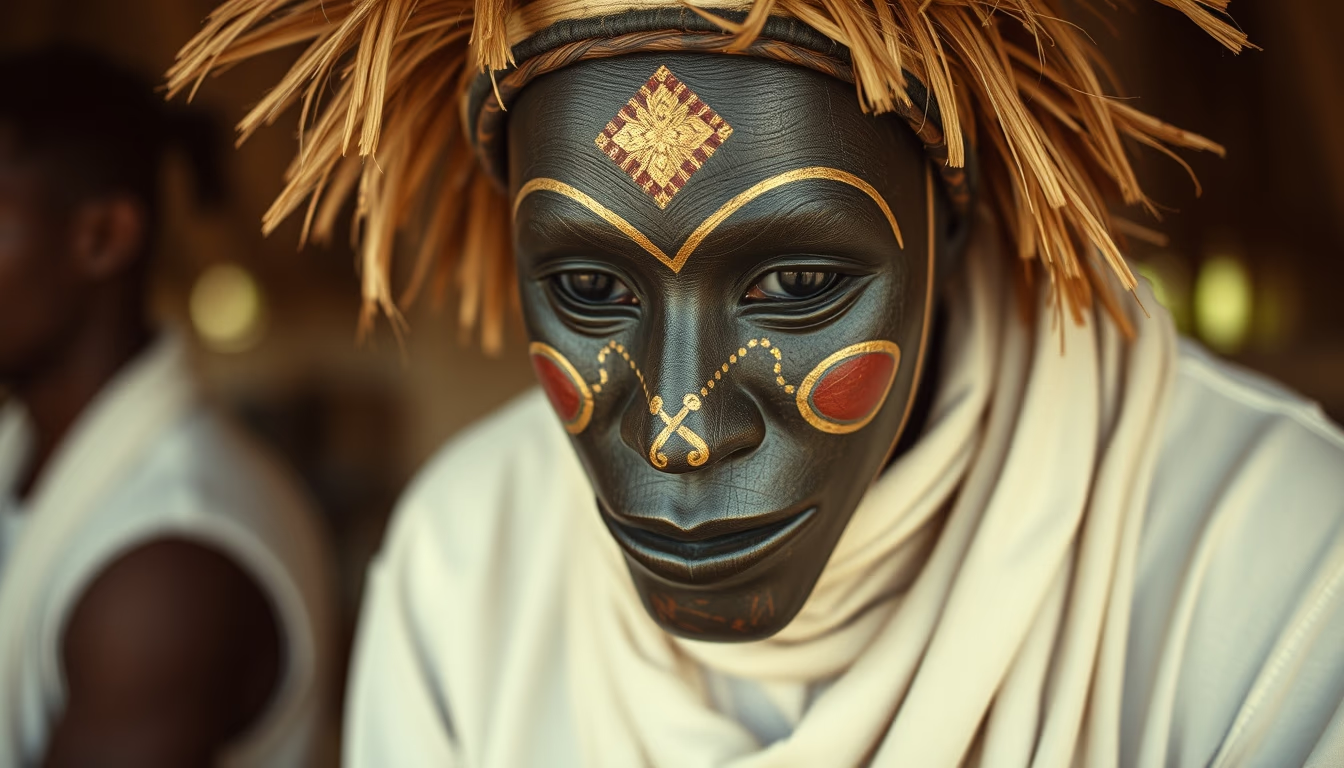
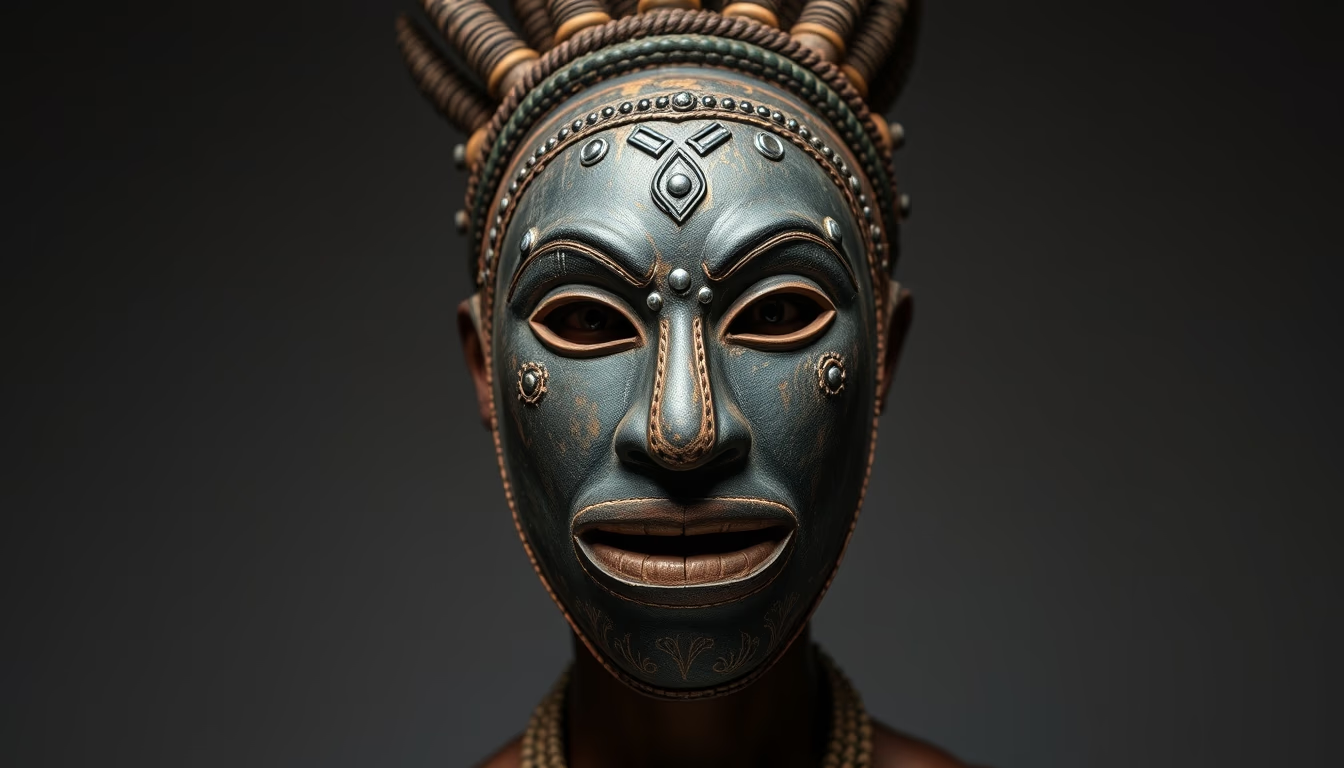
Máscaras tribais africanas são artefatos culturais usados em cerimônias e rituais por diversos povos do continente, com significados espirituais e sociais profundos.
Sobre o tema
As máscaras tribais africanas representam uma das formas mais expressivas da arte e cultura do continente. Presentes em inúmeras etnias, como os iorubás, dogons, baulés e fangues, essas peças são esculpidas em madeira, marfim, metal ou tecido, frequentemente adornadas com pigmentos naturais, contas e fibras. Cada máscara possui um propósito específico: podem ser usadas em rituais de iniciação, funerais, colheitas ou cerimônias de cura, servindo como intermediárias entre o mundo dos vivos e o espiritual. O formato, as cores e os padrões não são aleatórios; por exemplo, entre os dan da Costa do Marfim, máscaras com olhos em fenda representam conhecimento ancestral, enquanto as de lábios projetados simbolizam poder guerreiro.
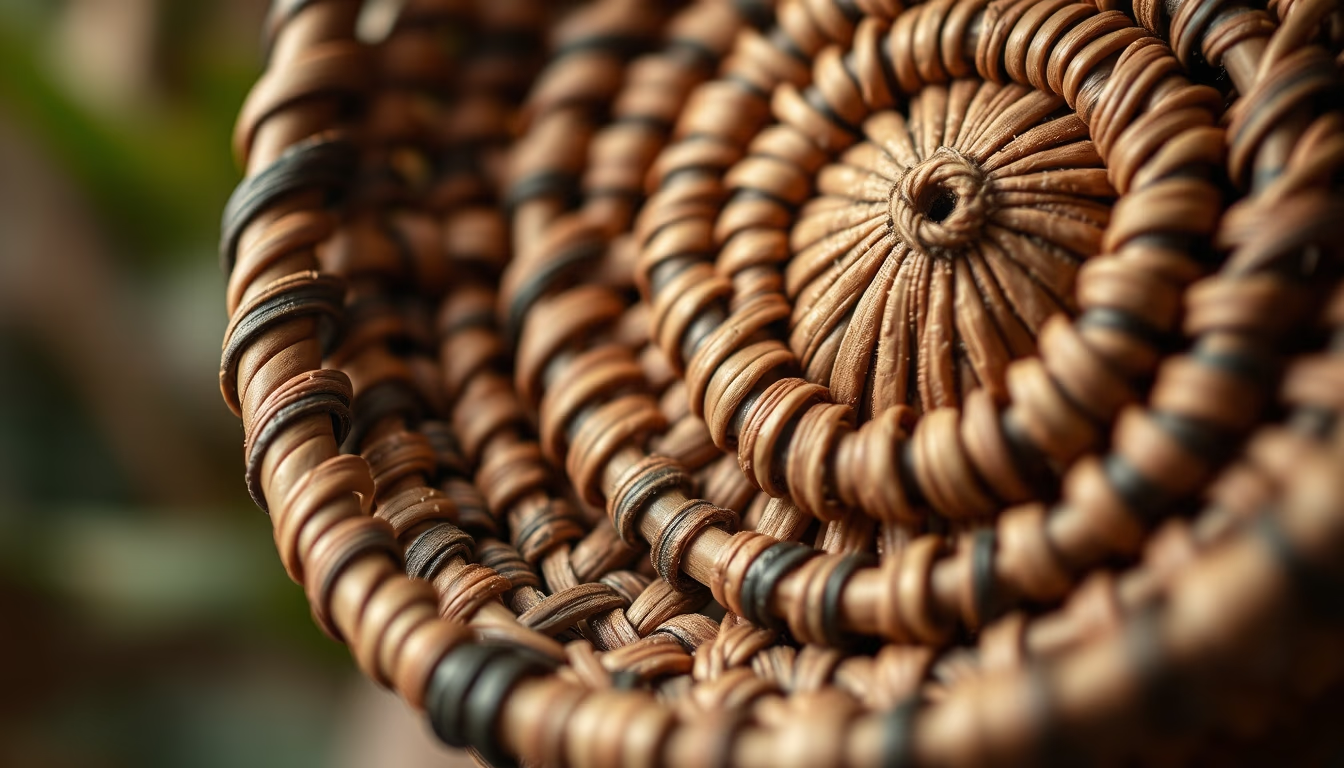
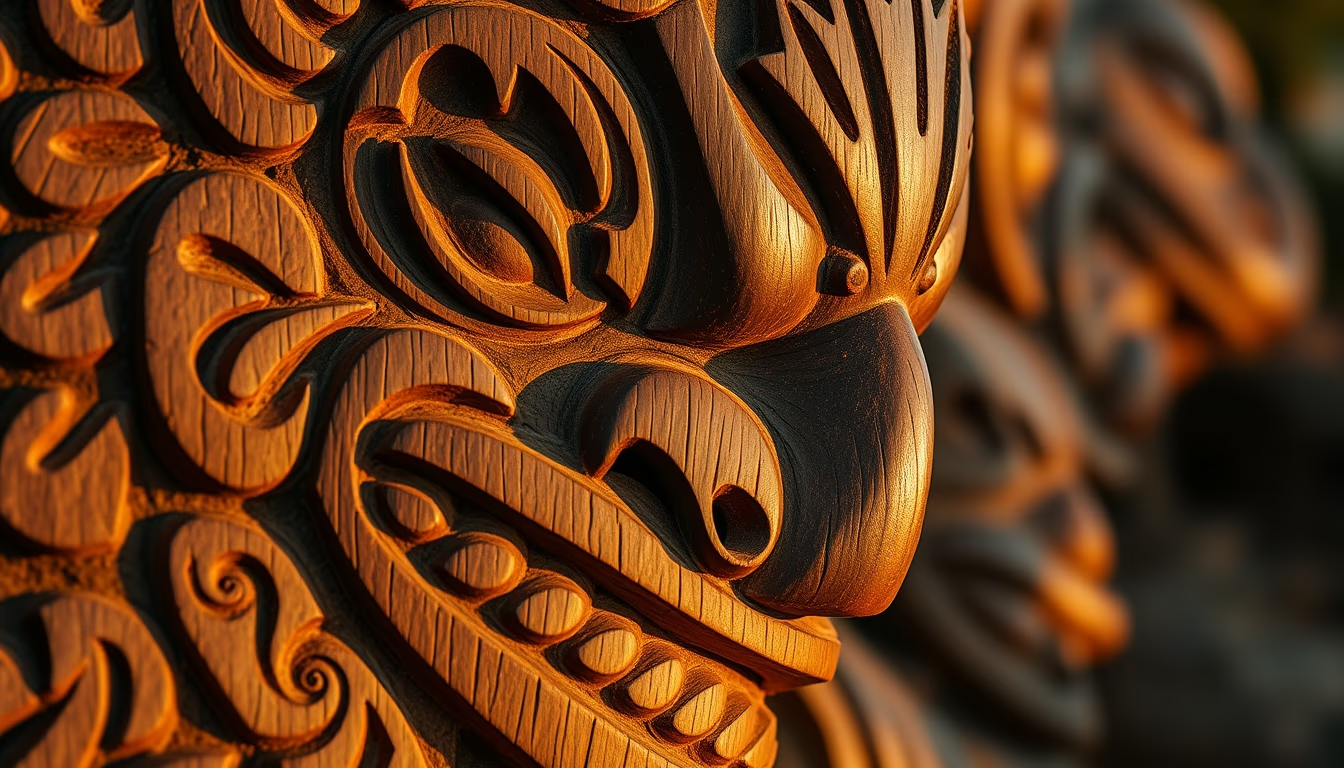
A confecção de uma máscara é um processo sagrado, muitas vezes realizado por escultores especializados que seguem tradições passadas por gerações. A madeira é o material mais comum, proveniente de árvores consideradas espirituais, como o iroko ou o ébano. O artista pode passar semanas ou meses entalhando detalhes, que depois são polidos com cinzas ou óleos. Em algumas culturas, a máscara só ganha vida quando usada pelo dançarino durante a performance, combinando música, dança e narrativa oral. A máscara não é um objeto estático; ela é parte de um evento coletivo que reforça a coesão social e a identidade comunitária.
A diversidade regional é imensa. Na África Ocidental, os iorubás produzem máscaras elaboradas para o culto dos orixás, como a máscara Gelede, que homenageia as mães anciãs. No Congo, as máscaras kuba são decoradas com padrões geométricos e usadas em rituais reais. Já os makonde da Tanzânia criam máscaras de estilo abstrato, com características humanas estilizadas. Essa variedade reflete a adaptação a diferentes ambientes e crenças, mostrando que não existe uma única 'máscara africana', mas sim uma miríade de tradições locais.
No mundo contemporâneo, as máscaras africanas ganharam novo significado. Influenciaram artistas europeus como Picasso e Matisse, que se inspiraram em sua estética para o cubismo. Hoje, são colecionadas mundialmente, mas também geram debates sobre a proveniência e a repatriação de obras levadas durante o período colonial. Museus e comunidades trabalham para preservar o conhecimento tradicional, e muitos artesãos continuam produzindo máscaras tanto para uso ritual quanto para o mercado de arte, mantendo vivas essas práticas milenares.
Perguntas frequentes
Qual é o propósito principal das máscaras tribais africanas?
As máscaras são usadas em rituais religiosos e sociais, como iniciações, funerais, colheitas e cerimônias de cura, servindo como canais de comunicação com espíritos ancestrais ou divindades e fortalecendo a identidade comunitária.
De que materiais são feitas as máscaras africanas?
Predominantemente de madeira, mas também de marfim, metal, tecido e fibras. São decoradas com pigmentos naturais, conchas, contas e penas. A escolha do material muitas vezes tem significado espiritual ou simbólico.
Por que as máscaras africanas influenciaram a arte moderna ocidental?
No início do século XX, artistas como Pablo Picasso e Henri Matisse se inspiraram na estética não naturalista das máscaras africanas, que desafiavam a perspectiva renascentista, contribuindo para o desenvolvimento do cubismo e do expressionismo.
URL direta
https://pub-c7d6a6ea828543ac903a74a341ccb2e1.r2.dev/imagens/african-tribal-mask-film-grain-authentic-fresh8.avifComo creditar
Inclua um link visível de volta pro UtilizAí. Copie um dos snippets abaixo:
<a href="https://xn--utiliza-eza.com/midia/imagens/african-tribal-mask-film-grain-authentic-fresh8">African tribal mask</a> by <a href="https://xn--utiliza-eza.com">UtilizAí</a>, licensed under <a href="https://creativecommons.org/licenses/by/4.0/">CC BY 4.0</a>.
[African tribal mask](https://xn--utiliza-eza.com/midia/imagens/african-tribal-mask-film-grain-authentic-fresh8) by [UtilizAí](https://xn--utiliza-eza.com), CC BY 4.0
Licença: CC-BY-4.0