African tribal mask
1344×768 · AVIF · CC BY 4.0
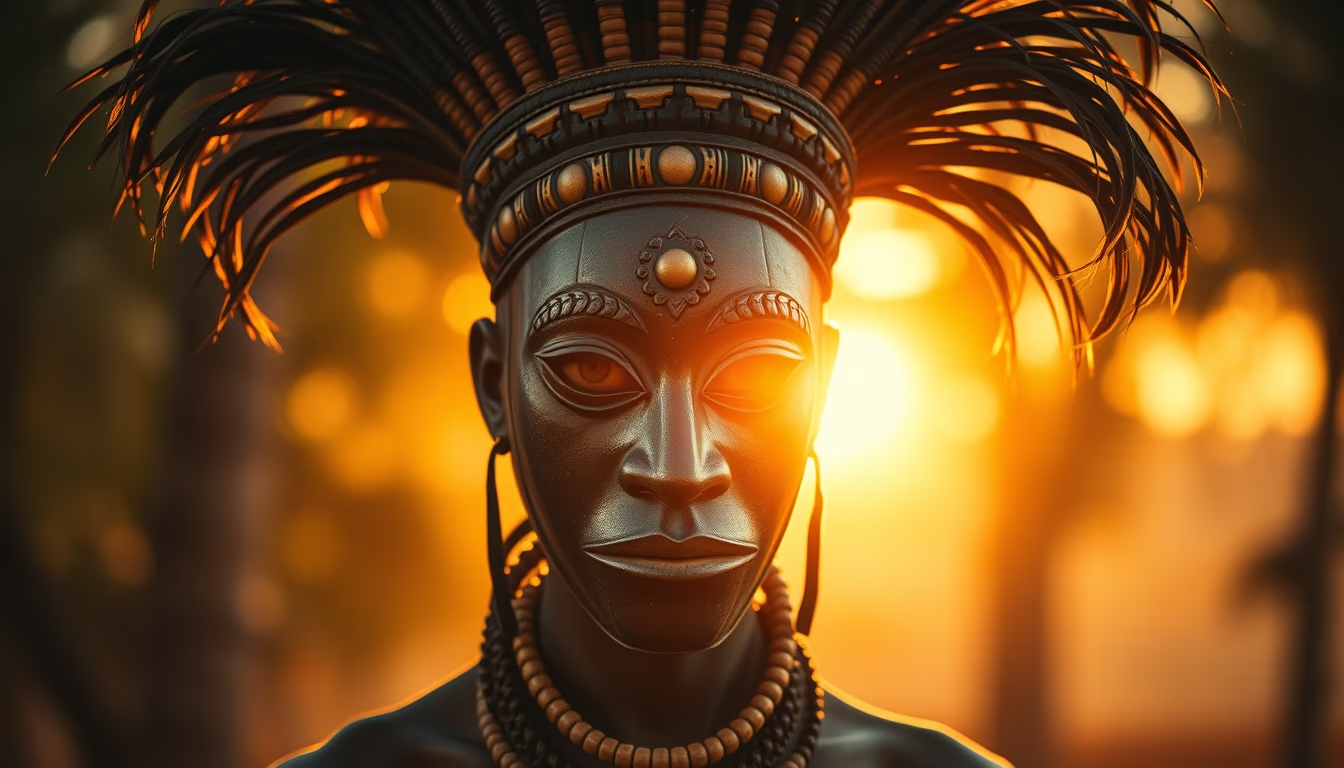
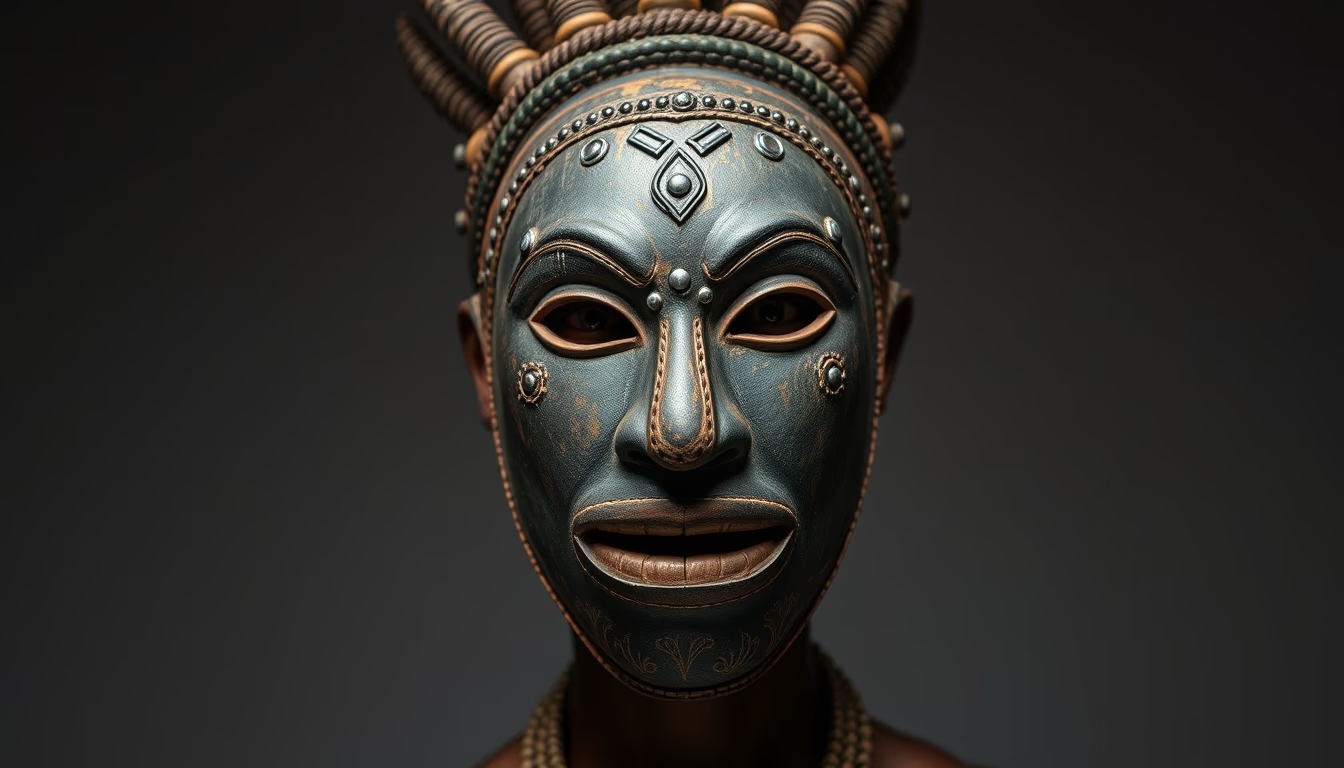
African tribal masks are ceremonial objects rich in symbolism, used in religious and social rituals across various ethnic groups in Africa.
About this subject
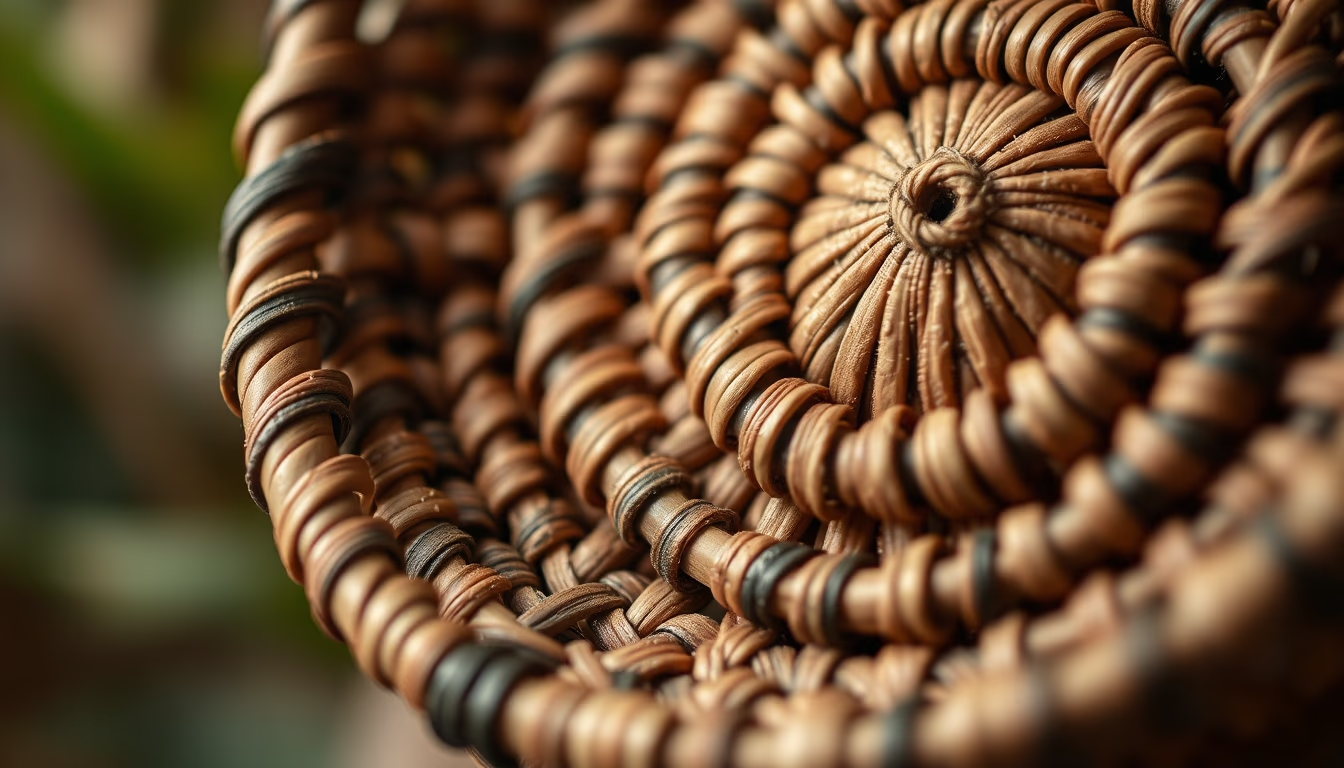
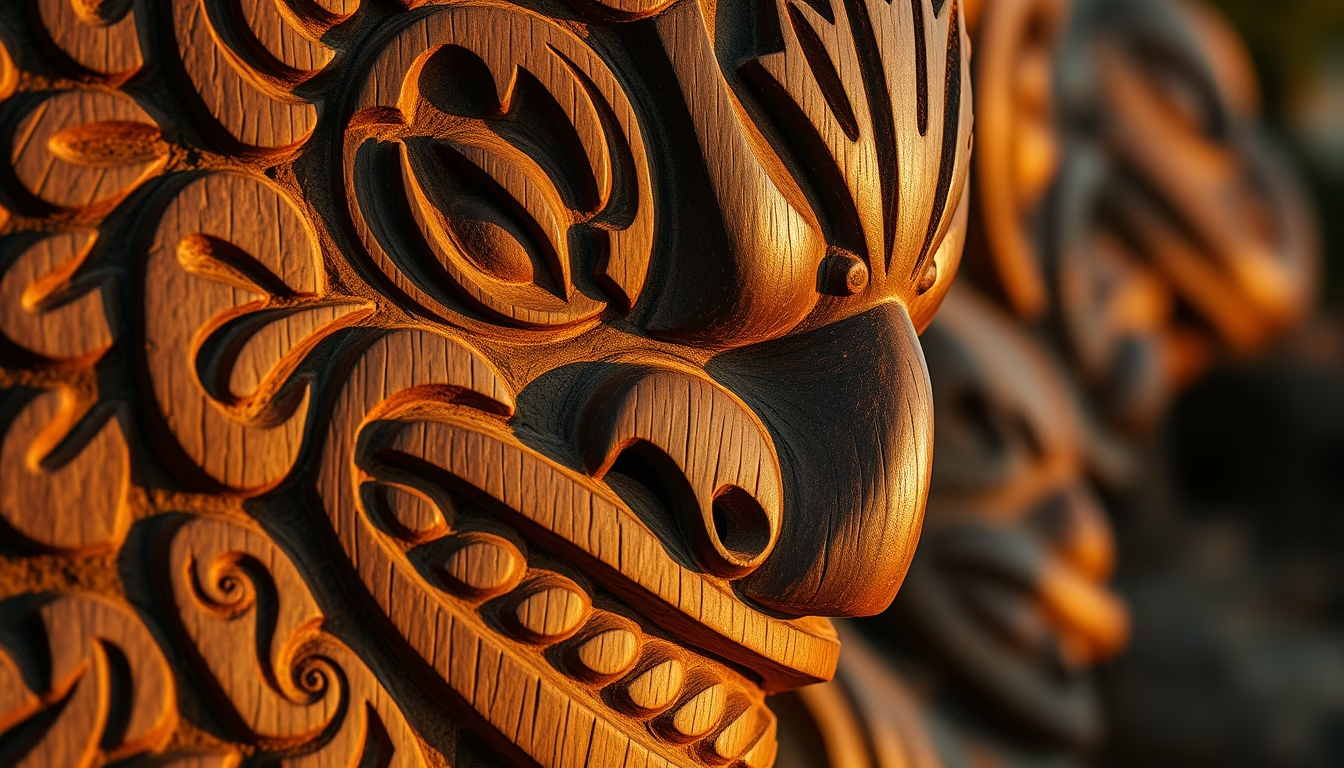
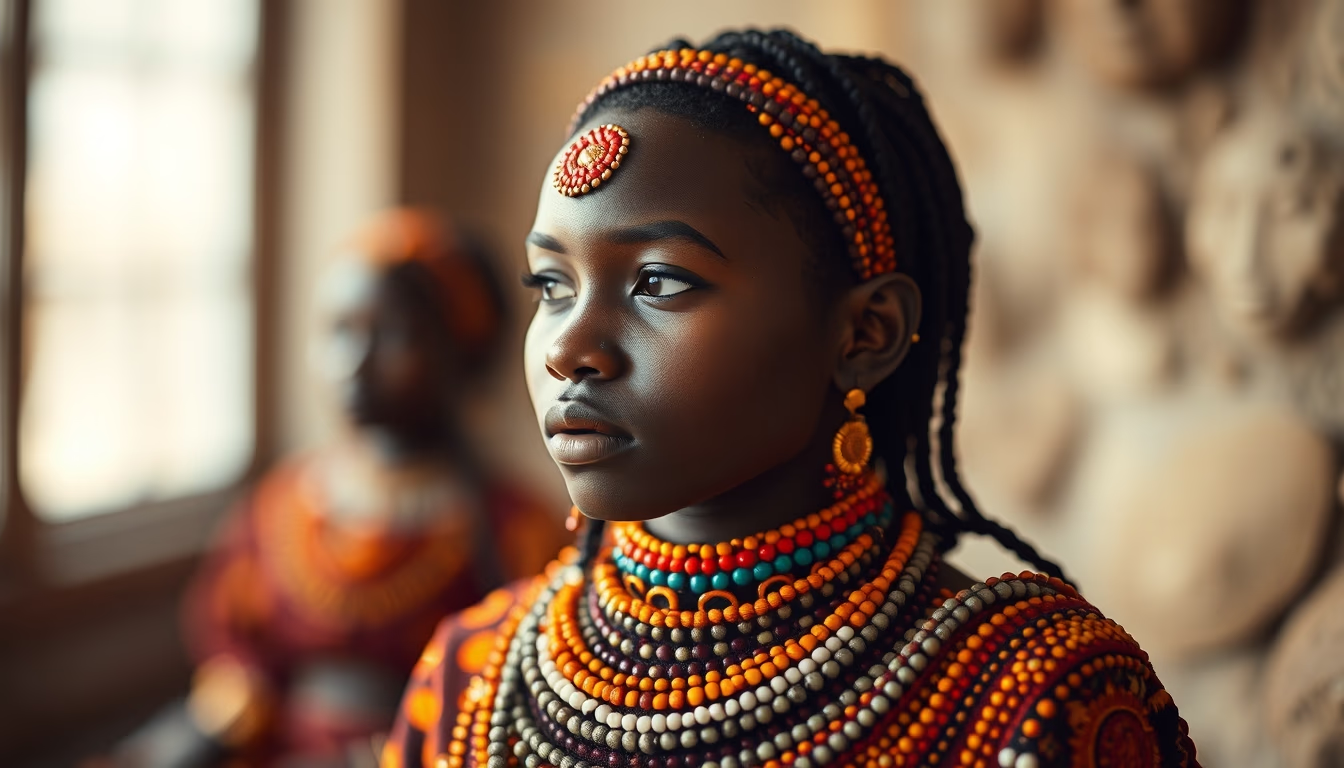
African masks have ancient origins and are carved from wood, ivory, metal, or fabric, often combining materials like beads, feathers, and plant fibers. Each ethnicity develops distinct styles: the Dogon of Mali create geometric masks linked to cosmology, while the Baule of Ivory Coast produce idealized beauty masks for fertility ceremonies. Masks are not mere decorative objects; they embody ancestral spirits or deities during rituals of initiation, funerals, and harvests. The mask wearer often enters a trance and becomes a channel between the human and supernatural worlds.
The influence of African masks on modern Western art is undeniable. Pablo Picasso, Henri Matisse, and other early 20th-century European artists collected and drew inspiration from African pieces, contributing to the development of Cubism. Museums like the Quai Branly in Paris and the National Museum of African Art in Washington display vast collections, though debates about the repatriation of artifacts taken during the colonial period persist.
Today, masks continue to be produced by local artisans, both for traditional use and the tourist market. Authenticity is valued: genuine ceremonial masks bear signs of use and wear, while commercial replicas are made for decoration. Preserving ancestral knowledge about mask-making and meaning is challenging, but community initiatives and NGOs seek to document and transmit these traditions.
Frequently Asked Questions
What is the meaning of African masks?
African masks represent ancestral spirits, deities, or natural forces. They are used in rituals to contact the supernatural, convey teachings, or celebrate events like harvests and initiations.
What materials are African masks made from?
Traditionally carved from wood, they also use ivory, bone, metal, ceramic, and fabric. They are adorned with beads, feathers, seeds, and natural pigments, each material carrying specific symbolic meaning.
How are masks used in rituals?
The wearer typically dons a full costume and dances to drums and chants. The mask covers the face or head, and the user may enter a trance, believed to be possessed by the represented spirit.
Direct URL
https://pub-c7d6a6ea828543ac903a74a341ccb2e1.r2.dev/imagens/african-tribal-mask-cinematic-wide-shot-fresh17.avifHow to credit
Include a visible link back to UtilizAí. Copy one of the snippets below:
<a href="https://xn--utiliza-eza.com/en/midia/imagens/african-tribal-mask-cinematic-wide-shot-fresh17">African tribal mask</a> by <a href="https://xn--utiliza-eza.com">UtilizAí</a>, licensed under <a href="https://creativecommons.org/licenses/by/4.0/">CC BY 4.0</a>.
[African tribal mask](https://xn--utiliza-eza.com/en/midia/imagens/african-tribal-mask-cinematic-wide-shot-fresh17) by [UtilizAí](https://xn--utiliza-eza.com), CC BY 4.0
License: CC-BY-4.0