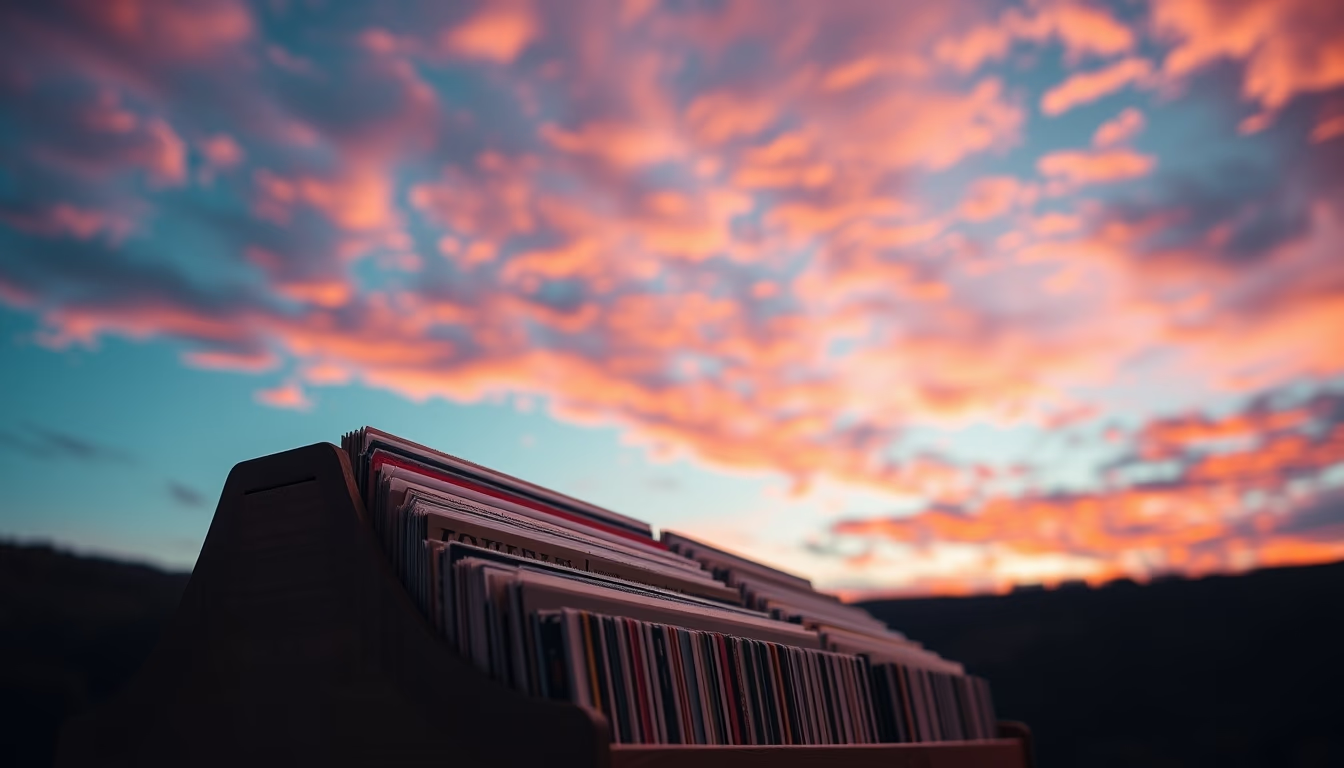
45 rpm jukebox singles
1344×768 · AVIF · CC BY 4.0

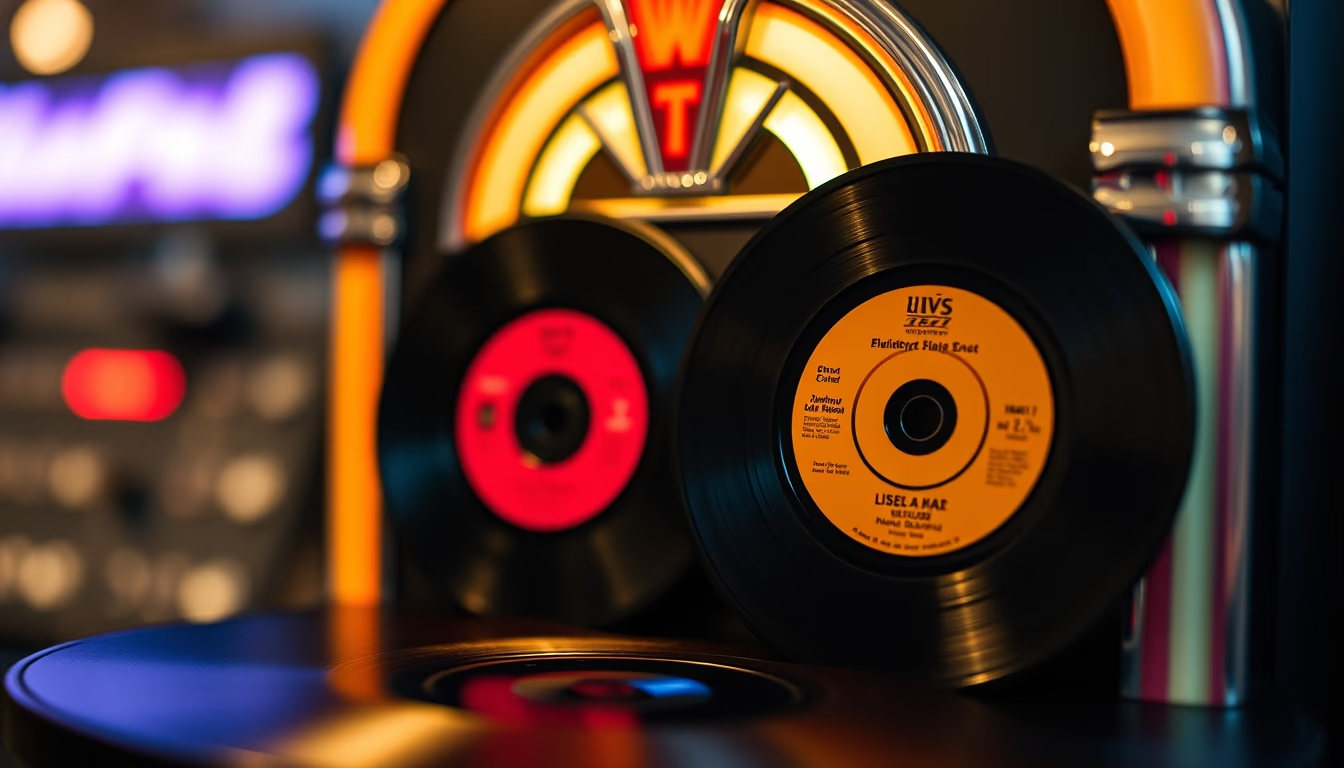
The 45 rpm record was the dominant format for music singles for decades, especially in jukeboxes, a symbol of post-war youth culture.
About this subject
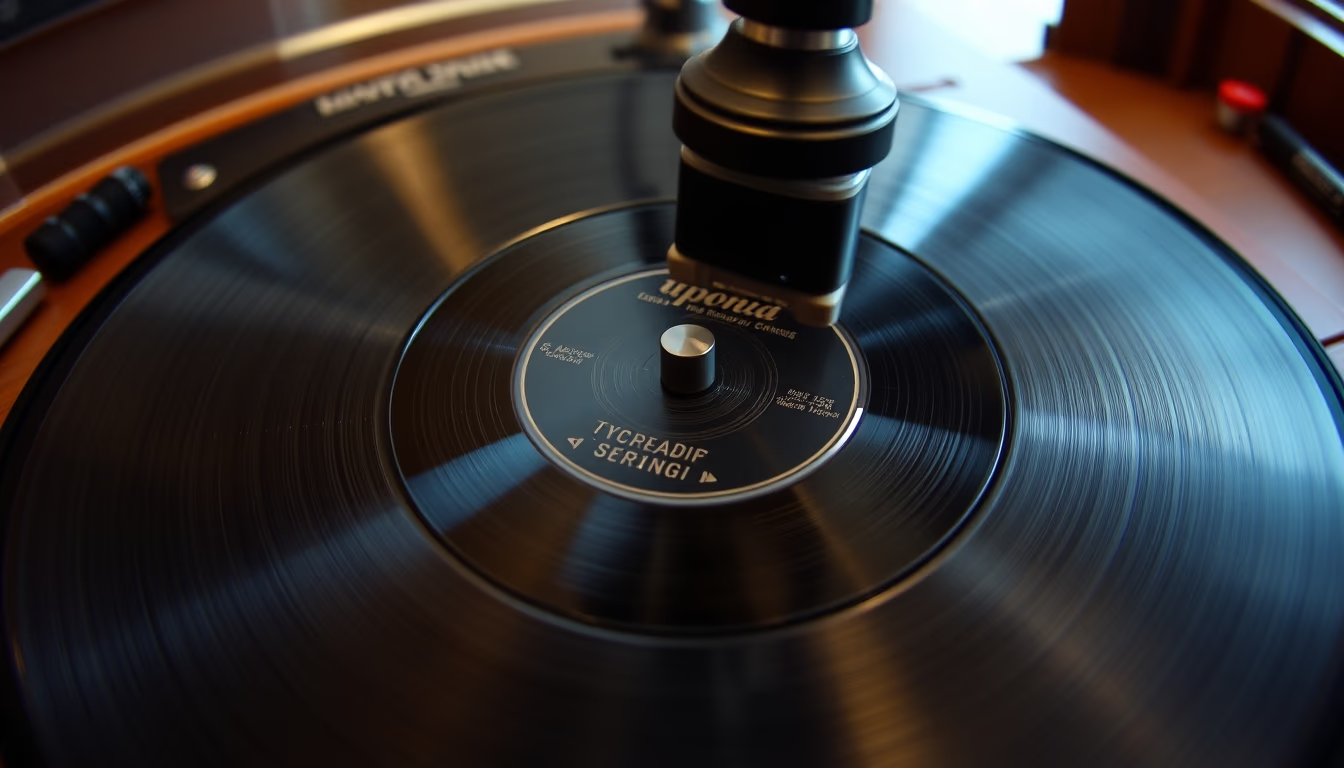
The 45 rpm record was introduced by RCA Victor in 1949 as a compact and durable alternative to the fragile 78 rpm shellac discs. With a 7-inch diameter and a large center hole, it could hold about 4 to 5 minutes of music per side, perfect for singles. It quickly became the standard format for popular music releases, replacing 78 rpm records in the 1950s and 1960s.
Jukeboxes, automatic record-playing machines, were the primary vehicles for disseminating 45 rpm singles. Installed in bars, diners, and record stores, they allowed customers to choose their favorite songs for a few coins. Iconic manufacturers like Wurlitzer, Rock-Ola, and Seeburg created models with chrome lights and bubbles that became symbols of American culture. These machines were engineered to play only 45 rpm records, solidifying the format as the jukebox standard.
Culturally, 45 rpm records were crucial for the rise of rock and roll, soul, and pop music. Artists such as Elvis Presley, Chuck Berry, and The Beatles released their biggest hits in this format. The record sleeves, often featuring colorful photos, became collectible art. In Brazil, the format was equally popular, with major labels like Odeon and RCA releasing 45 rpm discs that fueled the Jovem Guarda and MPB movements.
Today, 45 rpm records are collector's items, especially jukebox singles with colorful labels and rare pressings. Record fairs and specialized stores sell these singles at prices ranging from a few reais to thousands, depending on rarity and condition. Nostalgia and analog sound keep the passion for this revolutionary format alive.
Frequently Asked Questions
What is the difference between a 33 rpm and a 45 rpm record?
The 33 rpm record (LP) is 12 inches, plays about 20 minutes per side, and was used for albums. The 45 rpm record is 7 inches, plays 4 to 5 minutes per side, and was made for singles. Both are vinyl, but the 45 has a larger center hole and was common in jukeboxes.
Why were jukeboxes important for popular music?
Jukeboxes democratized music access by letting anyone choose songs in public places. They boosted 45 rpm single sales and helped popularize artists, especially in rock and roll, by repeatedly playing the most requested songs.
How to start a collection of 45 rpm records?
Start by visiting used record stores, fairs, and online auctions. Prioritize singles from artists you like or that defined eras. Check the condition of the vinyl and sleeve. Jukebox singles with colorful labels or rare pressings are more valuable.
Direct URL
https://pub-c7d6a6ea828543ac903a74a341ccb2e1.r2.dev/imagens/45-rpm-jukebox-singles-documentary-nature-style-fresh9.avifHow to credit
Include a visible link back to UtilizAí. Copy one of the snippets below:
<a href="https://xn--utiliza-eza.com/en/midia/imagens/45-rpm-jukebox-singles-documentary-nature-style-fresh9">45 rpm jukebox singles</a> by <a href="https://xn--utiliza-eza.com">UtilizAí</a>, licensed under <a href="https://creativecommons.org/licenses/by/4.0/">CC BY 4.0</a>.
[45 rpm jukebox singles](https://xn--utiliza-eza.com/en/midia/imagens/45-rpm-jukebox-singles-documentary-nature-style-fresh9) by [UtilizAí](https://xn--utiliza-eza.com), CC BY 4.0
License: CC-BY-4.0