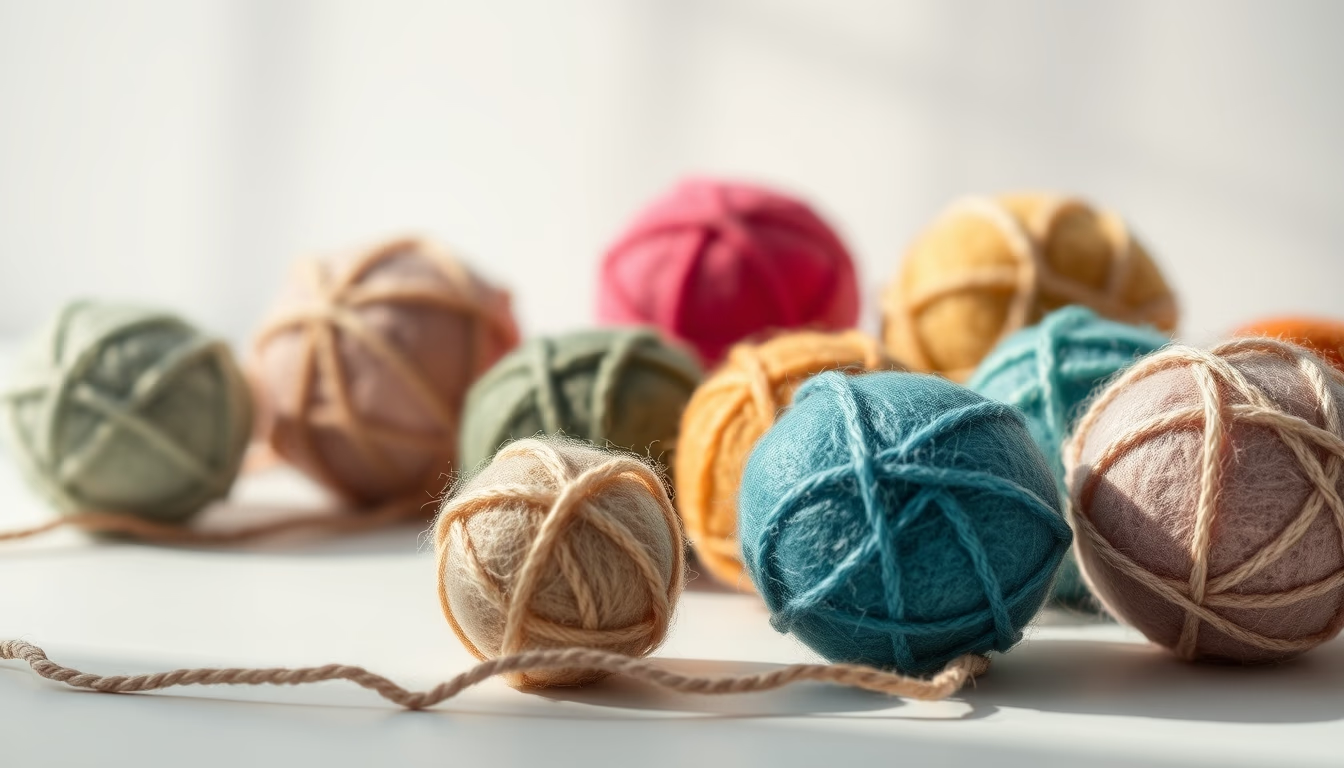
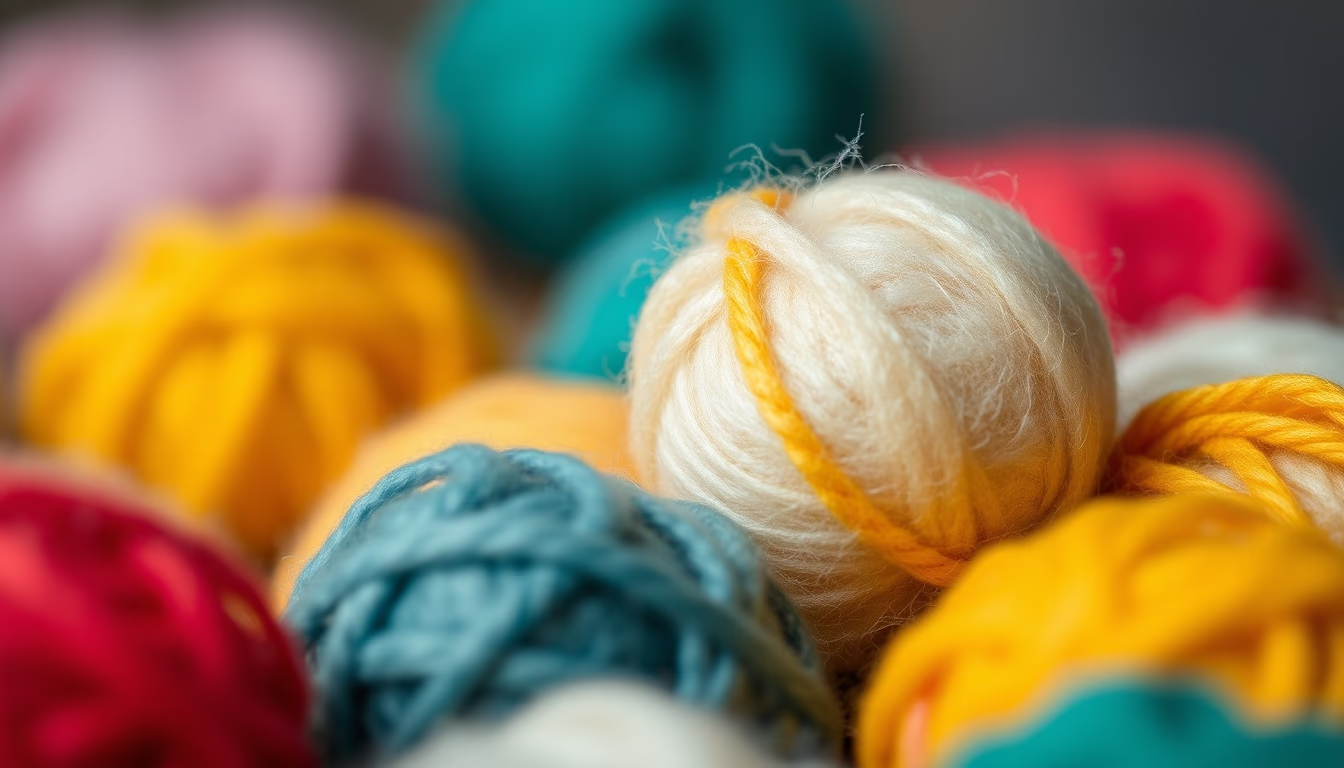
Spinning wheel antique
1344×768 · AVIF · CC BY 4.0

The antique spinning wheel is one of the most emblematic symbols of the textile handicraft industry, representing centuries of tradition and manual skill.
About this subject
The spinning wheel is a mechanical device used to transform textile fibers, such as wool, cotton, or flax, into continuous threads. Originating in India around the 6th century, the spinning wheel was introduced to Europe during the Middle Ages and quickly became an essential tool in households and workshops. Its basic design consists of a wheel driven by a pedal or crank, which rotates a spindle where the fiber is twisted and wound. Different cultures developed variations, such as the large Scottish walking wheel and the more compact Saxony wheel with a flyer-and-bobbin mechanism.
The importance of the spinning wheel extends beyond textile production: it was an economic driver in rural communities and a symbol of female autonomy, as spinning was predominantly women's work that provided extra income or family sustenance. In Brazil, spinning wheels were brought by colonizers and used by enslaved women and free women to produce household fabrics, especially in regions like the Northeast and Minas Gerais. The hand-spinning technique using a wheel persists today in traditional communities and among artisans who value manual yarn production.
With the Industrial Revolution, mechanized spinning machines largely replaced manual wheels, drastically reducing their everyday use. However, antique spinning wheels have gained new status as collectibles and rustic decor pieces. Heritage preservation workshops teach the technique, while spinning groups keep the tradition alive at fairs and gatherings. A curiosity: the term "spinster" in English, originally used for women who spun, came to mean "unmarried woman," reflecting the social stigma associated with the activity.
Frequently Asked Questions
What is the difference between an antique spinning wheel and a modern one?
Antique wheels are typically made of solid wood and operated by hand or treadle, without fine adjustment mechanisms. Modern wheels may feature lighter designs, bearings, and adjustable tension systems for different fiber types.
How can I tell if an antique spinning wheel has historical value?
Check the provenance, integrity of original parts, rarity of the model, and presence of manufacturer marks or dating. Wheels over 150 years old or from specific regions may be more valuable.
Is the spinning wheel still used to produce yarn today?
Yes, artisans and hand-spinning enthusiasts use spinning wheels to produce artisanal yarn for knitting, weaving, and tapestry, valuing the unique texture and tradition.
Direct URL
https://pub-c7d6a6ea828543ac903a74a341ccb2e1.r2.dev/imagens/spinning-wheel-antique-long-exposure-fresh9.avifHow to credit
Include a visible link back to UtilizAí. Copy one of the snippets below:
<a href="https://xn--utiliza-eza.com/en/midia/imagens/spinning-wheel-antique-long-exposure-fresh9">Spinning wheel antique</a> by <a href="https://xn--utiliza-eza.com">UtilizAí</a>, licensed under <a href="https://creativecommons.org/licenses/by/4.0/">CC BY 4.0</a>.
[Spinning wheel antique](https://xn--utiliza-eza.com/en/midia/imagens/spinning-wheel-antique-long-exposure-fresh9) by [UtilizAí](https://xn--utiliza-eza.com), CC BY 4.0
License: CC-BY-4.0