Plaster mold sculpture
1344×768 · AVIF · CC BY 4.0
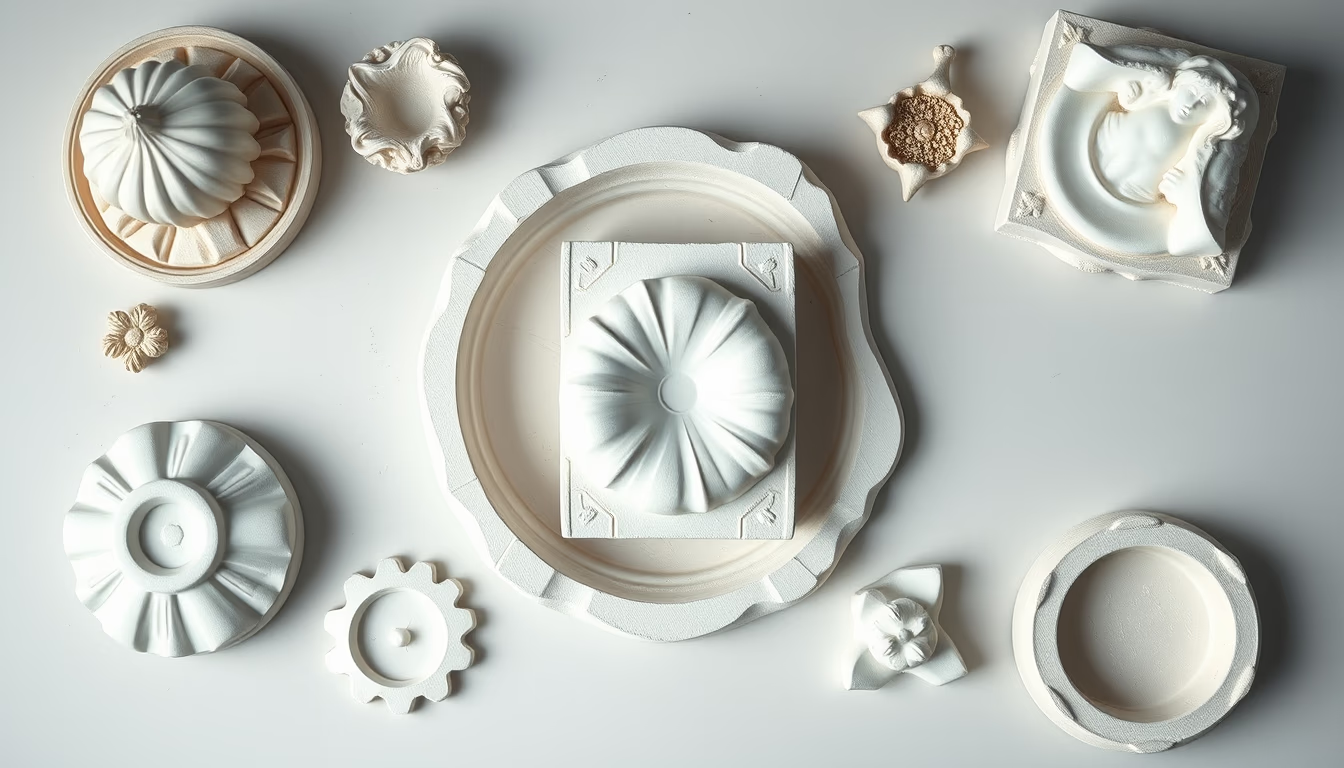
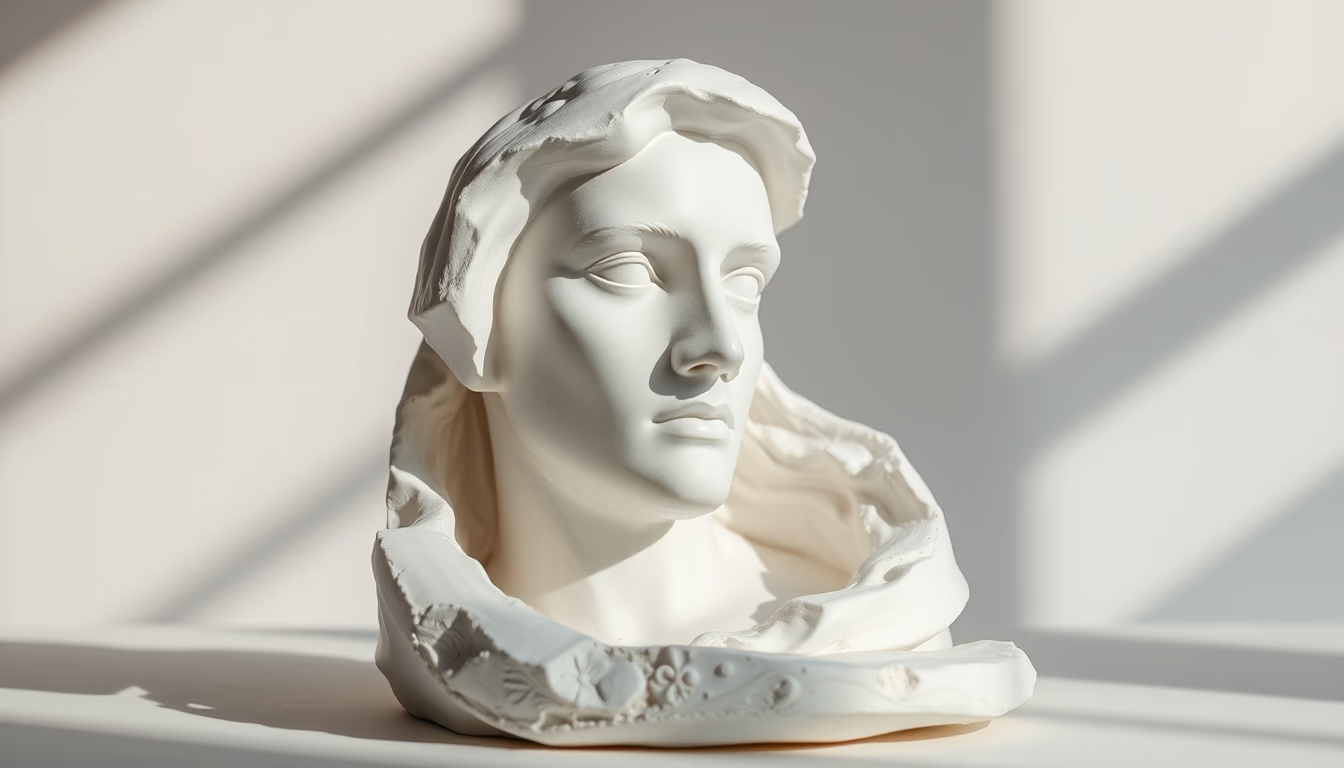
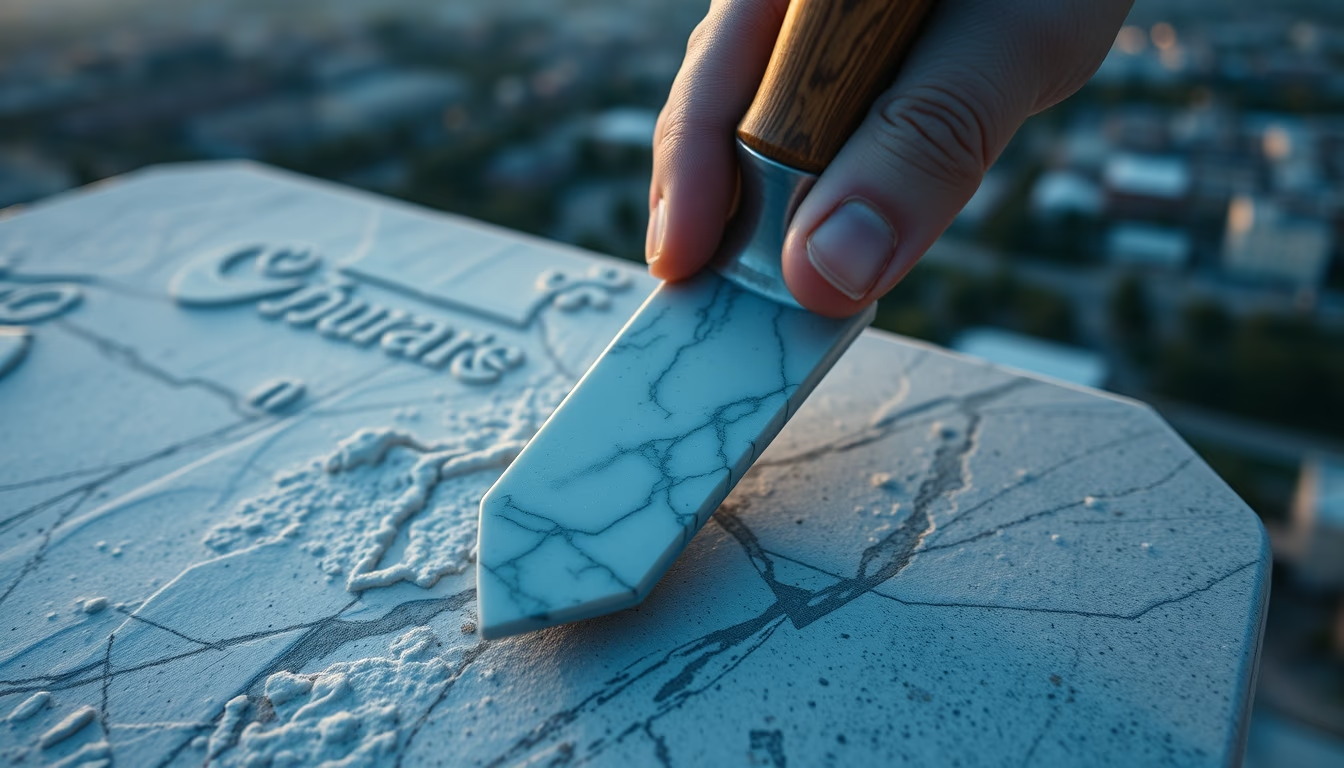
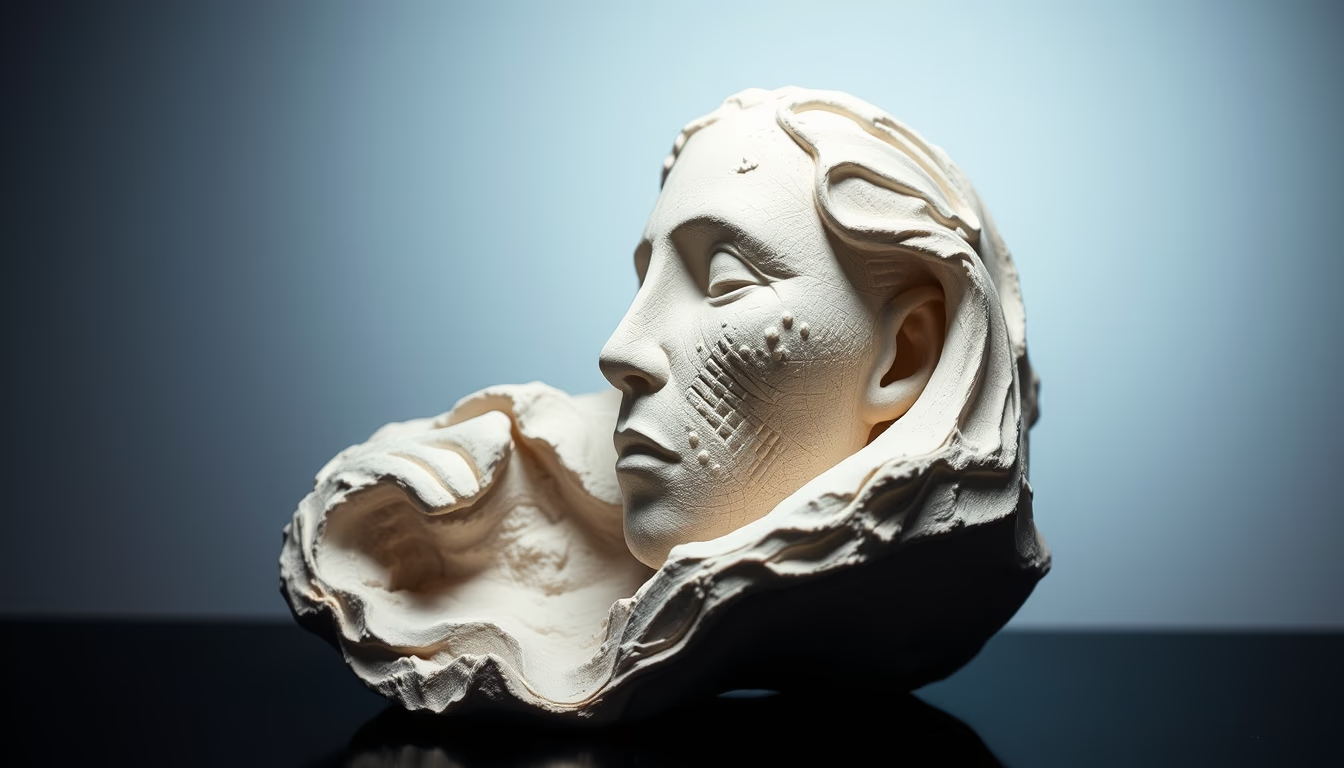
Plaster mold sculpture technique: a traditional process for reproducing three-dimensional forms with precision and durability.
About this subject
The plaster mold sculpture technique dates back to ancient civilizations, such as Egypt and Greece, where it was used to reproduce statues and reliefs. Plaster, a mineral composed of calcium sulfate hemihydrate, stands out for its ability to capture minute details and its quick setting when mixed with water. This material allows artists to create multiple copies of an original work, preserving the exact shape of the master piece.
The process begins with the creation of the original model, usually in clay, wax, or another malleable material. Liquid plaster is applied in layers over this model, forming a negative mold. After hardening, the mold is removed and can be used to cast new pieces in plaster, resin, or other materials. The technique requires precision to avoid air bubbles and ensure every detail is faithfully transferred.
Historically, plaster molds were fundamental for the dissemination of classical art, allowing Greco-Roman sculptures to be copied and studied across Europe. During the Renaissance, artists such as Donatello and Michelangelo used plaster molds to prepare their works in bronze or marble. Today, the technique continues in restoration studios, art schools, and the production of decorative pieces. Contemporary artists explore plaster as a final support, valuing its texture and fragility.
An important curiosity is that plaster is highly porous and hygroscopic, meaning it absorbs moisture from the air, which can degrade it over time. Therefore, plaster sculptures require protective varnish or a controlled environment. Compared to silicone or polyurethane molds, plaster is cheaper and easier to handle, but less flexible and more prone to breakage. Still, its tradition and versatility keep the technique alive in global sculpture.
Frequently Asked Questions
What is a plaster mold in sculpture?
It is a negative matrix made of plaster that captures the shape of an original model. After hardening, the mold allows new materials to be cast to create identical copies of the original piece.
What are the advantages of using plaster for molds?
Plaster is low-cost, easy to handle, and reproduces details with high fidelity. It hardens quickly and requires no complex equipment, making it accessible for artists and restorers.
How to preserve a plaster sculpture?
Plaster sculptures should be kept in dry environments with low humidity, as they are porous and absorb water. Applying a sealer or acrylic varnish helps protect them. Avoid impacts, as plaster is fragile and breaks easily.
Direct URL
https://pub-c7d6a6ea828543ac903a74a341ccb2e1.r2.dev/imagens/plaster-mold-sculpture-isometric-flat-lay-fresh7.avifHow to credit
Include a visible link back to UtilizAí. Copy one of the snippets below:
<a href="https://xn--utiliza-eza.com/en/midia/imagens/plaster-mold-sculpture-isometric-flat-lay-fresh7">Plaster mold sculpture</a> by <a href="https://xn--utiliza-eza.com">UtilizAí</a>, licensed under <a href="https://creativecommons.org/licenses/by/4.0/">CC BY 4.0</a>.
[Plaster mold sculpture](https://xn--utiliza-eza.com/en/midia/imagens/plaster-mold-sculpture-isometric-flat-lay-fresh7) by [UtilizAí](https://xn--utiliza-eza.com), CC BY 4.0
License: CC-BY-4.0