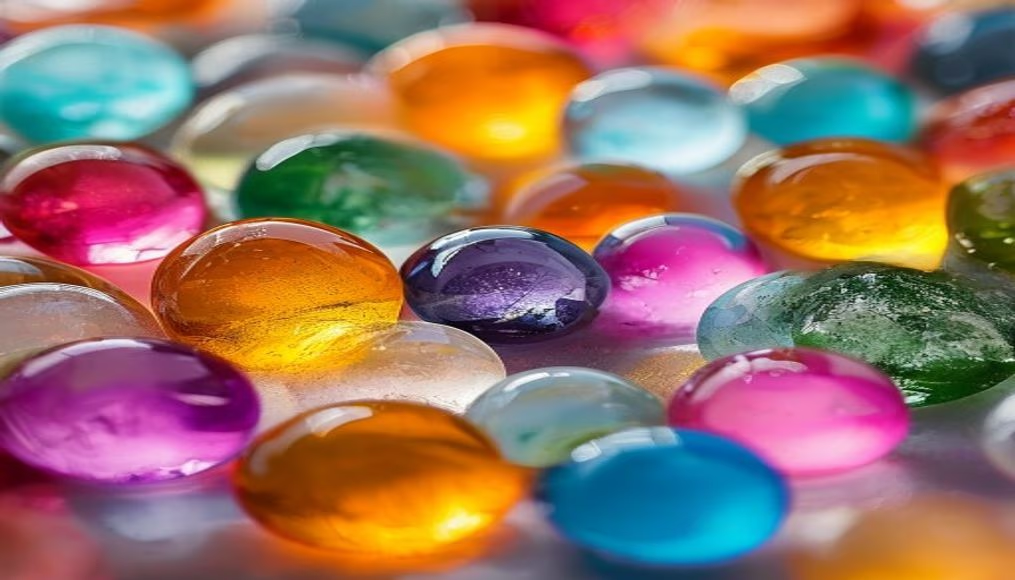
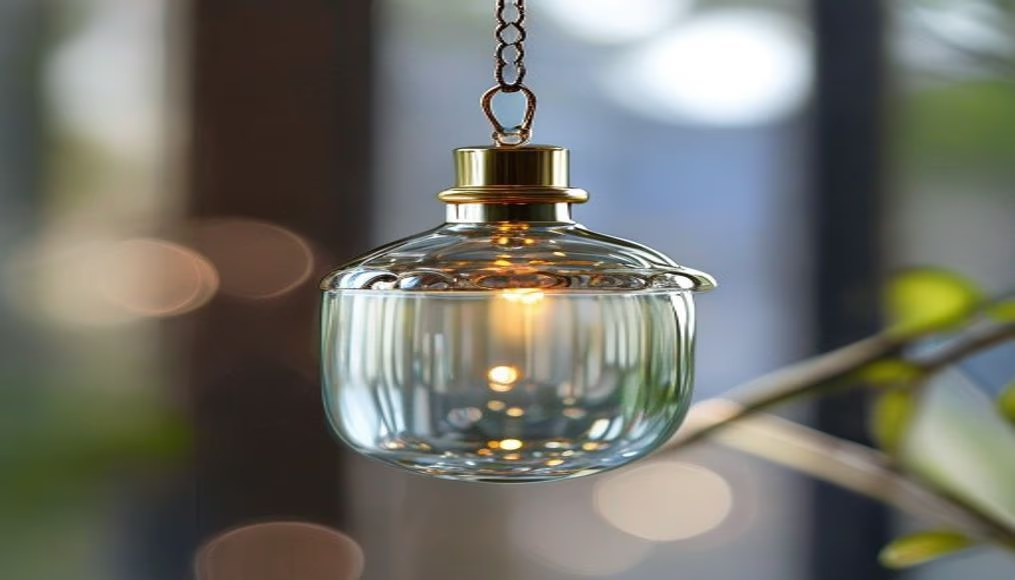
Murano glass venetian
1344×768 · JPG · CC BY 4.0
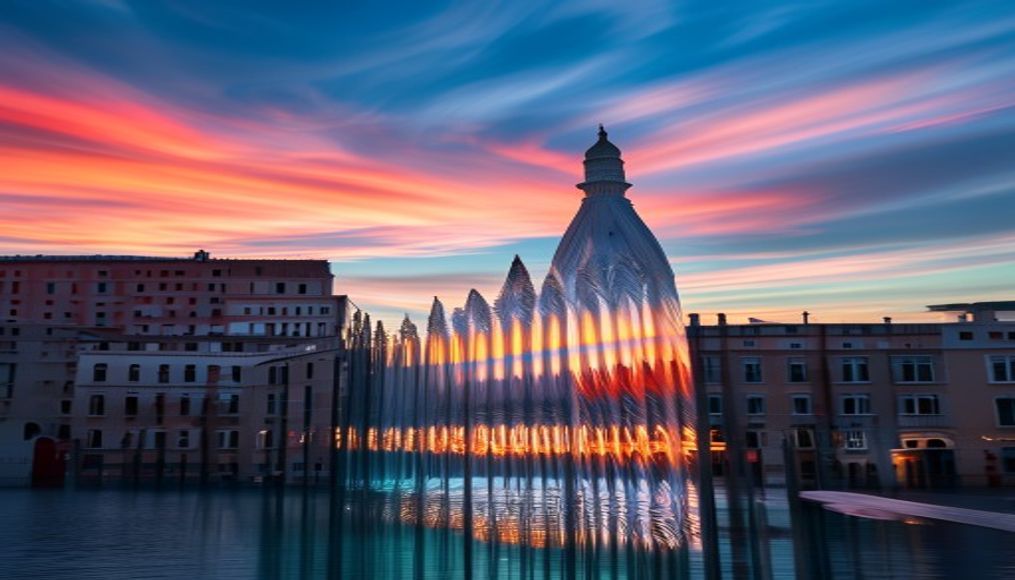
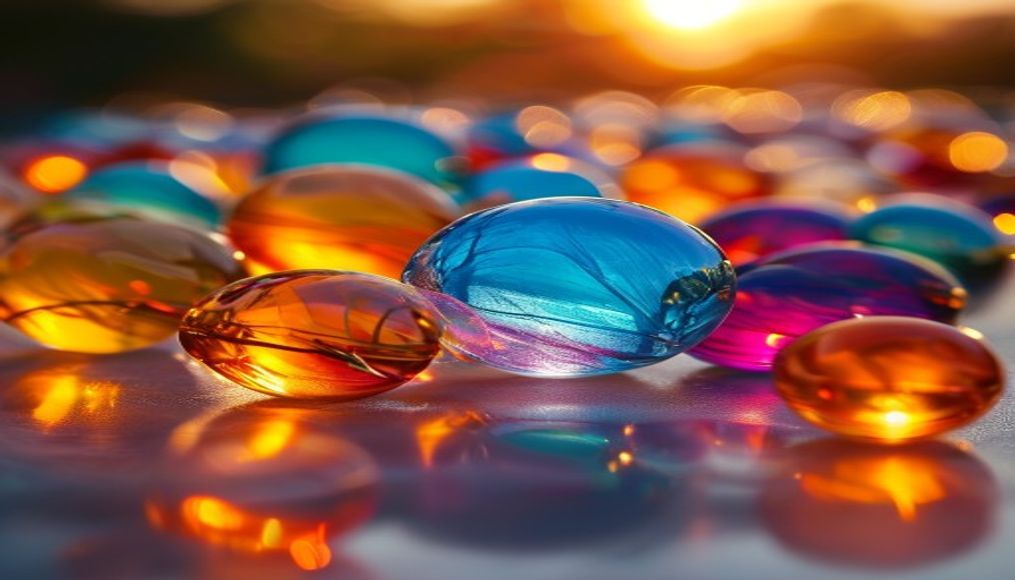
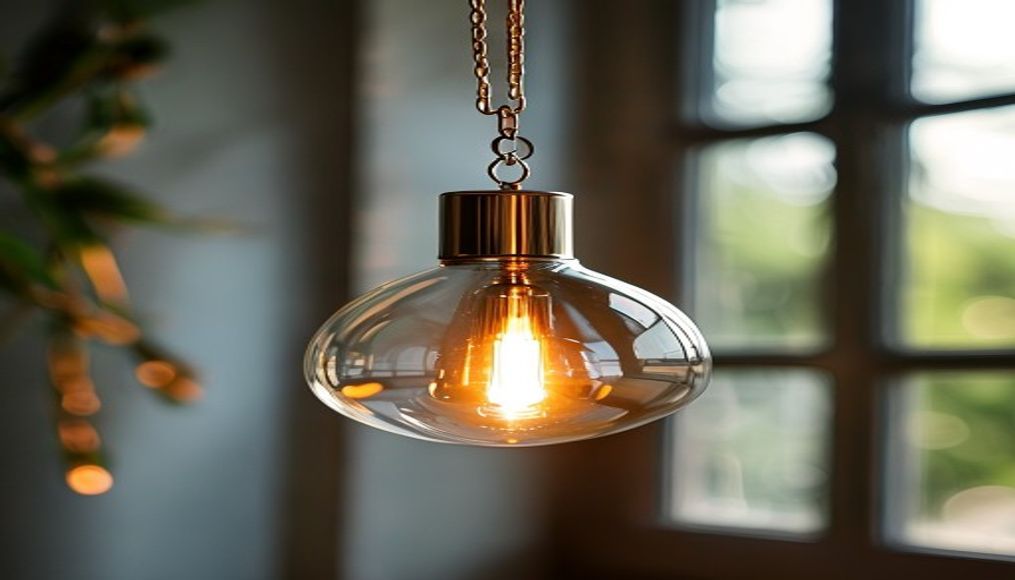
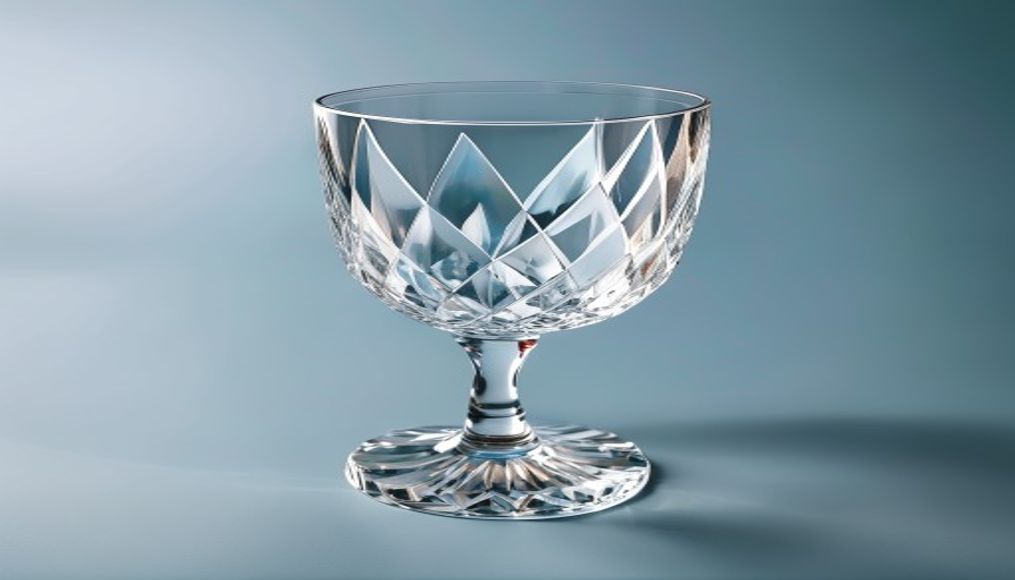
Handcrafted Murano glass represents centuries of Venetian tradition in techniques like filigree and millefiori, recognized worldwide as a symbol of luxury and art.
About this subject
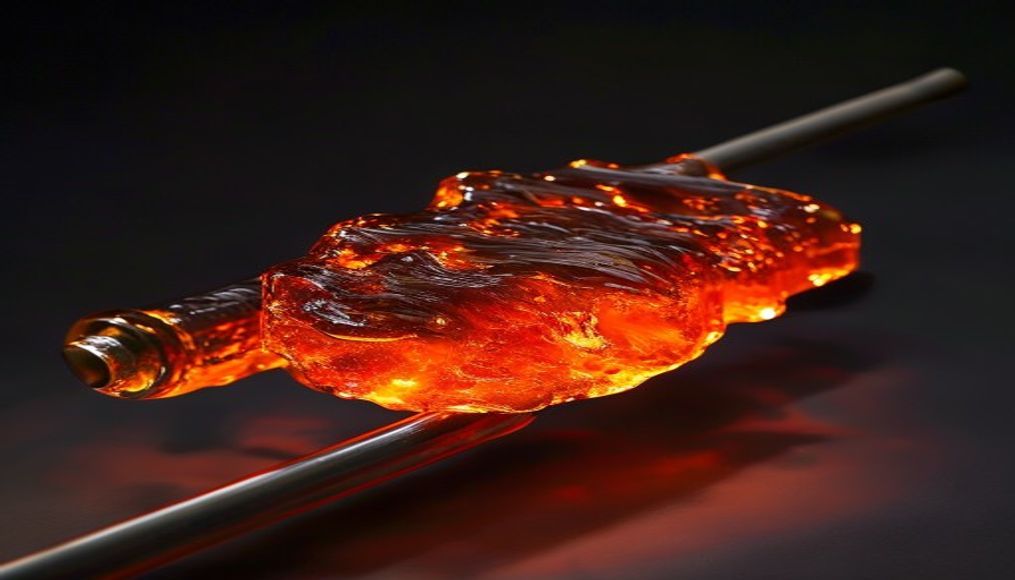
Murano glass is a centuries-old tradition originating from the island of Murano in the Venetian Lagoon, Italy. Since the 13th century, Venetian glassmakers developed exclusive techniques that transformed crystal into works of art. Among the most famous are filigree, where fine colored glass rods are twisted into patterns, and millefiori, creating floral mosaics through cross-sections of glass canes. Production requires extreme temperatures and manual skill, passed down through generations.
Murano glass rose to fame during the Renaissance, when artisans mastered the production of mirrors and chandeliers for European nobility. In 1291, glassmakers were forced to move to Murano to prevent fires in Venice and to protect trade secrets. Today, the island houses dozens of furnaces and the Glass Museum, preserving historical pieces. The “lamplavoro” technique, which shapes glass over a flame, is another local specialty.
Interestingly, Murano glass is not just decorative: items like beads and vases were used in trade with the East. The long exposure featured in the image highlights the reflections and transparency that only handmade glass can provide. Each piece is unique, signed by the master glassmaker, and may take days to complete. The tradition faces challenges from global counterfeits, but authenticity is guaranteed by the “Murano Glass” seal and Italian law.
Frequently Asked Questions
What is the difference between Murano glass and ordinary glass?
Murano glass is handmade using centuries-old techniques, with ingredients like lead crystal and metal oxides for vibrant colors. Each piece is unique, unlike mass-produced industrial glass.
How to identify authentic Murano glass?
Look for the “Murano Glass” sticker or a certificate of authenticity. Genuine pieces have slight imperfections, are heavy, and feature deep colors. Fakes are often lightweight and painted.
What are the most famous types of Murano glass?
The most renowned are millefiori (mosaic), filigree (twisted lines), sommerso (layered colors), and lattimo (opaque white glass). Chandeliers and sculptures are also iconic.
Direct URL
https://pub-c7d6a6ea828543ac903a74a341ccb2e1.r2.dev/imagens/murano-glass-venetian-long-exposure-p4.jpgHow to credit
Include a visible link back to UtilizAí. Copy one of the snippets below:
<a href="https://xn--utiliza-eza.com/en/midia/imagens/murano-glass-venetian-long-exposure-p4">Murano glass venetian</a> by <a href="https://xn--utiliza-eza.com">UtilizAí</a>, licensed under <a href="https://creativecommons.org/licenses/by/4.0/">CC BY 4.0</a>.
[Murano glass venetian](https://xn--utiliza-eza.com/en/midia/imagens/murano-glass-venetian-long-exposure-p4) by [UtilizAí](https://xn--utiliza-eza.com), CC BY 4.0
License: CC-BY-4.0