Maori carving pacific
1344×768 · AVIF · CC BY 4.0
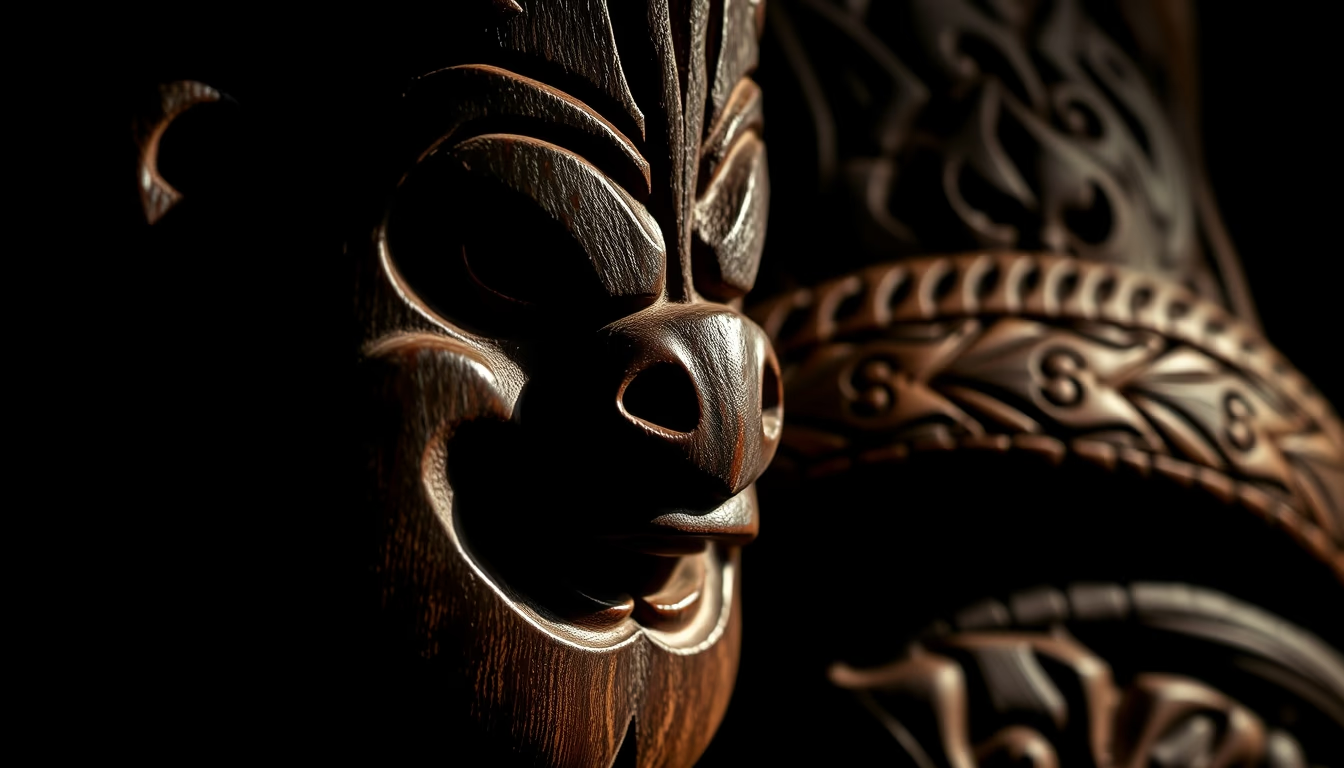
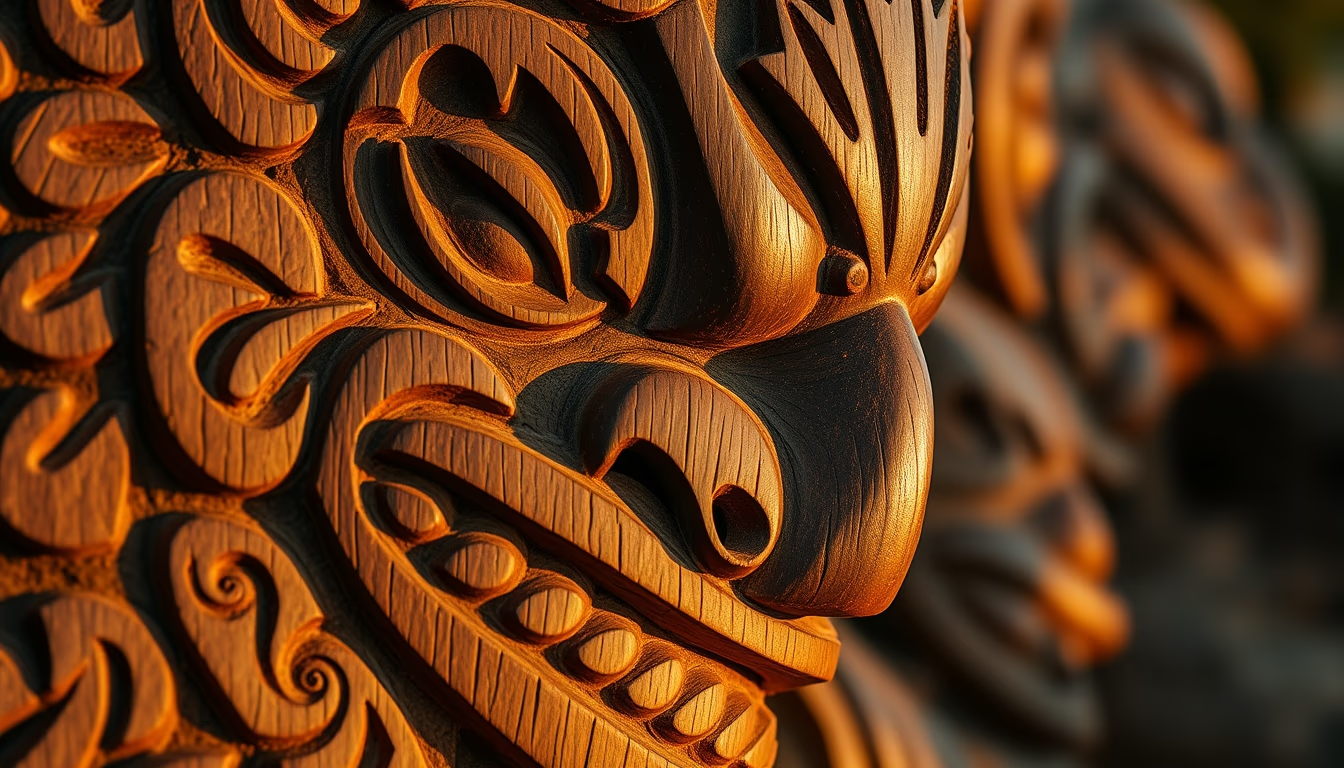
Maori carving (whakairo) is a traditional art form from New Zealand, rich in symbolism and history.
About this subject
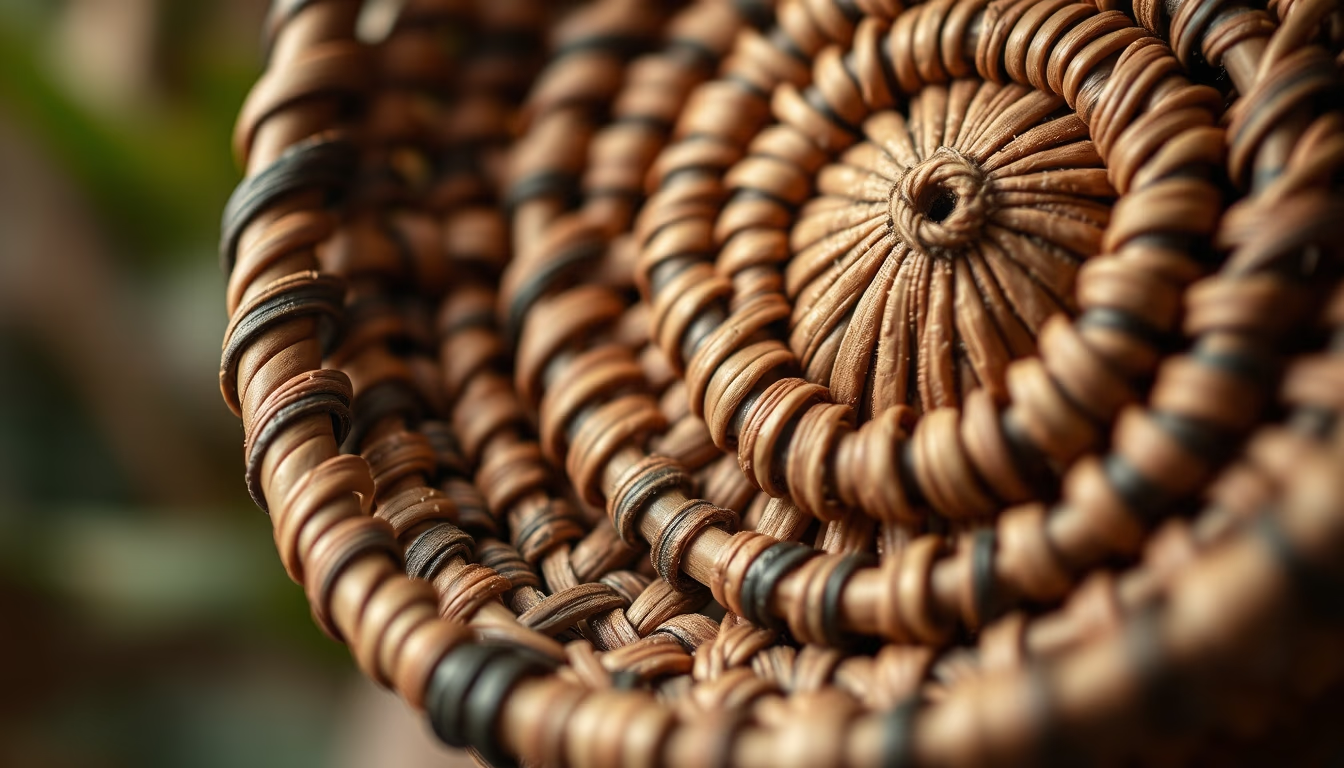
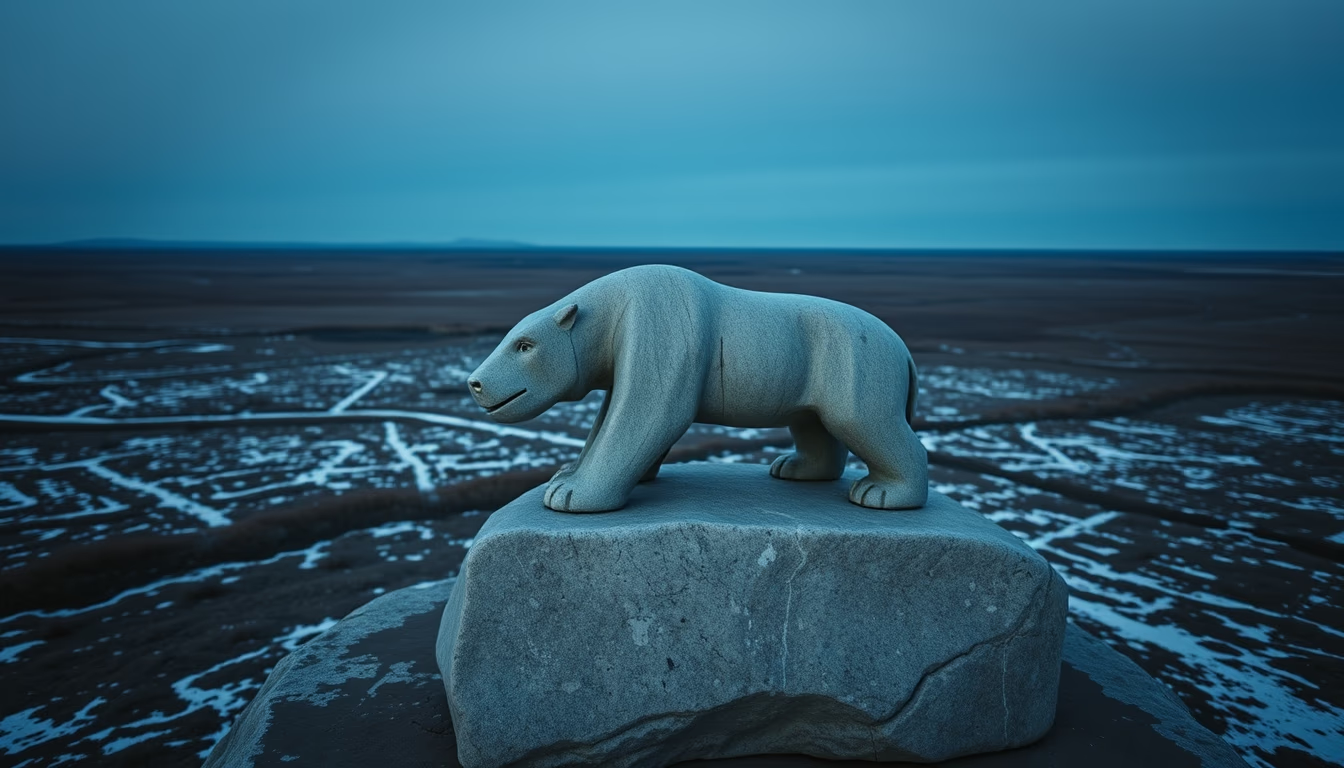
Maori carving, or whakairo, is an ancestral artistic practice of the Māori people of New Zealand. This art is not merely decorative; each piece carries deep meanings related to genealogy (whakapapa), oral history, and spirituality. Carvings in wood, stone, bone, and ivory represent ancestors, gods, and mythical creatures such as the mania bird or the moko lizard.
The most common materials include kauri and totara wood, carved using tools made of stone, bone, or jade (pounamu). Each pattern has a specific name and meaning. The koru spiral, for instance, symbolizes rebirth and growth, while the manaia is a guardian figure with a bird's head, human body, and fish tail, representing the connection between sky, earth, and sea.
Carvings adorn meeting houses (wharenui), war canoes (waka taua), weapons (taiaha), and ceremonial objects. Each carving tells the tribe's story, and the artists are highly respected as keepers of tradition. The carving process was surrounded by rituals, including chants and offerings, to appease the spirits.
Today, whakairo is experiencing a revival, with contemporary artists blending traditional techniques with modern themes. The art is protected by Māori intellectual property laws, and many carvers train in specialized schools, keeping this Pacific heritage alive.
Frequently Asked Questions
What materials are used in Maori carving?
Traditional materials include wood (like kauri and totara), stone, whalebone, and jade (pounamu). Today, power tools are also used, but many artists prefer manual methods to preserve tradition.
What does the koru spiral mean in Maori culture?
The koru spiral represents rebirth, growth, and continuity of life. Inspired by the unfurling fern frond, it symbolizes new beginnings and connection to nature.
Where can I find examples of Maori carving?
Besides museums in New Zealand like Te Papa Tongarewa in Wellington, meeting houses (wharenui) on marae (community centers) display intricate carvings. Replicas also exist in theme parks and art galleries worldwide.
Direct URL
https://pub-c7d6a6ea828543ac903a74a341ccb2e1.r2.dev/imagens/maori-carving-pacific-rembrandt-lighting-dramatic-shadows-fresh16.avifHow to credit
Include a visible link back to UtilizAí. Copy one of the snippets below:
<a href="https://xn--utiliza-eza.com/en/midia/imagens/maori-carving-pacific-rembrandt-lighting-dramatic-shadows-fresh16">Maori carving pacific</a> by <a href="https://xn--utiliza-eza.com">UtilizAí</a>, licensed under <a href="https://creativecommons.org/licenses/by/4.0/">CC BY 4.0</a>.
[Maori carving pacific](https://xn--utiliza-eza.com/en/midia/imagens/maori-carving-pacific-rembrandt-lighting-dramatic-shadows-fresh16) by [UtilizAí](https://xn--utiliza-eza.com), CC BY 4.0
License: CC-BY-4.0