Loom weaving alpaca
1344×768 · AVIF · CC BY 4.0
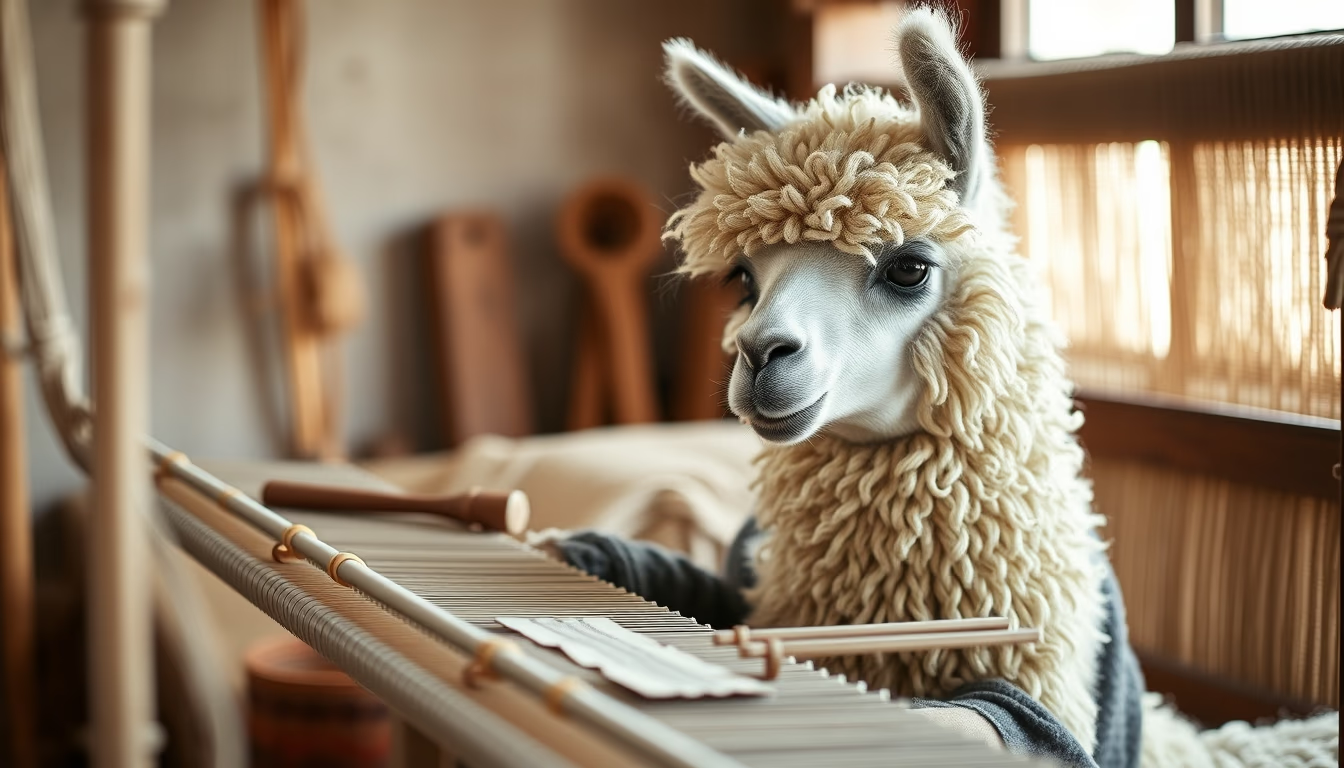
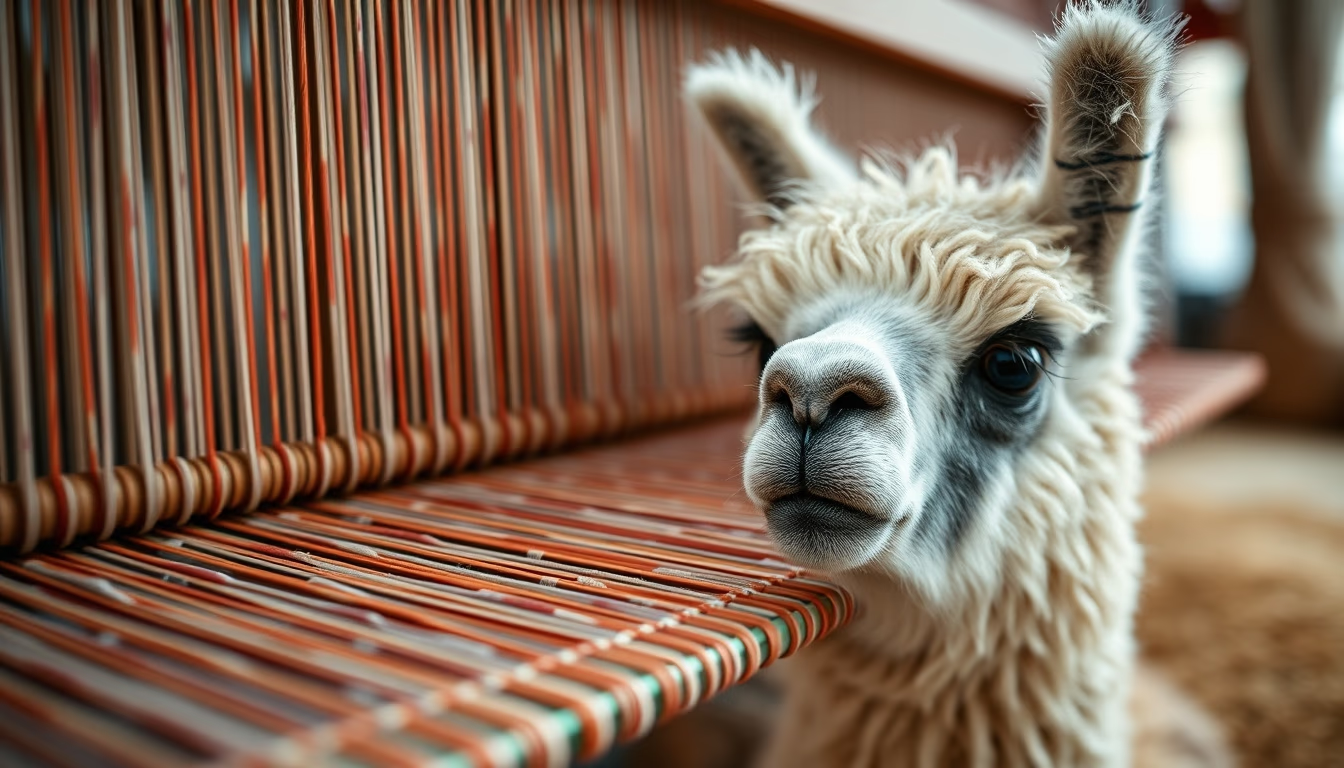
Handloom weaving of alpaca fiber, an ancient Andean tradition producing high-quality textiles prized worldwide.
About this subject
Alpaca fiber is one of the textile treasures of the Peruvian Andes, sourced from animals domesticated for thousands of years. Two main breeds exist: Huacaya, with dense, crimped fiber, and Suri, with long, silky locks. Alpaca wool is softer, lighter, and three times stronger than sheep's wool, and hypoallergenic due to the absence of lanolin. These qualities make it ideal for handloom weaving, an ancient technique that produces unique, durable pieces.
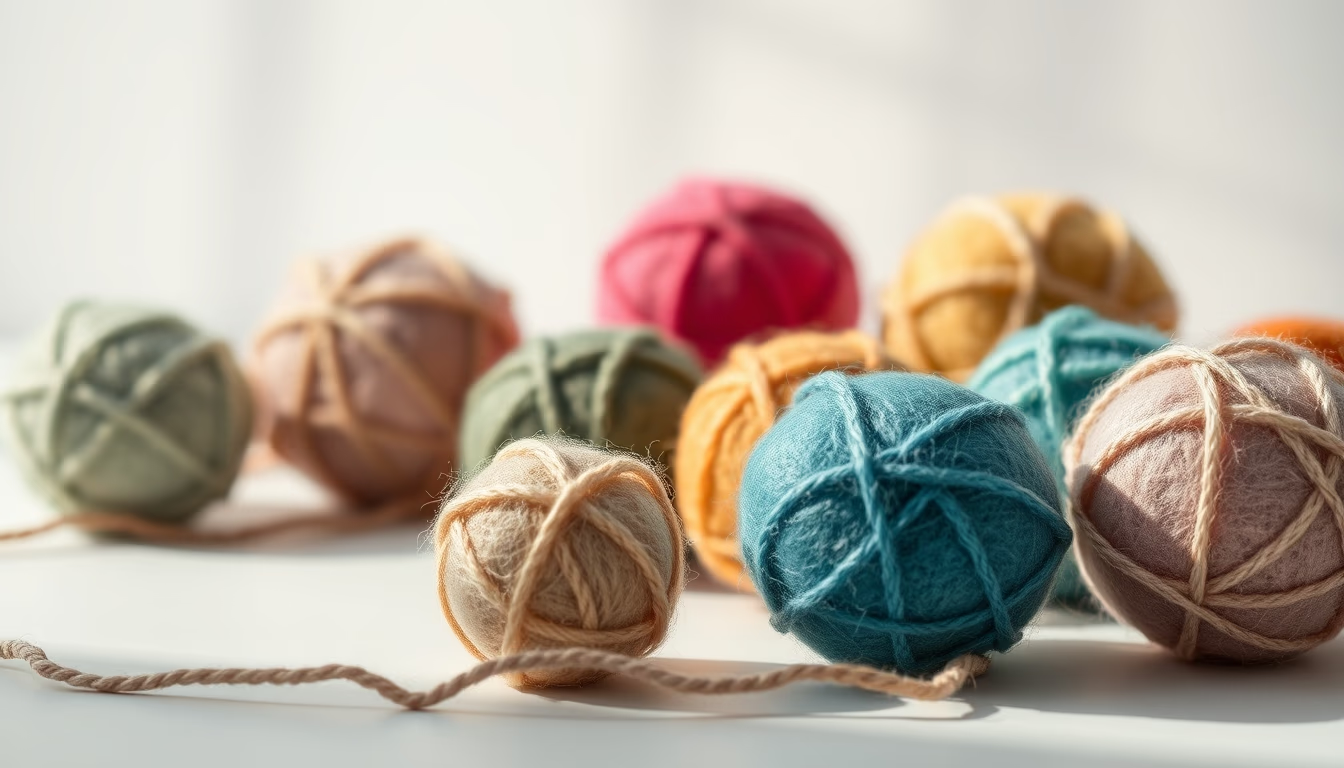
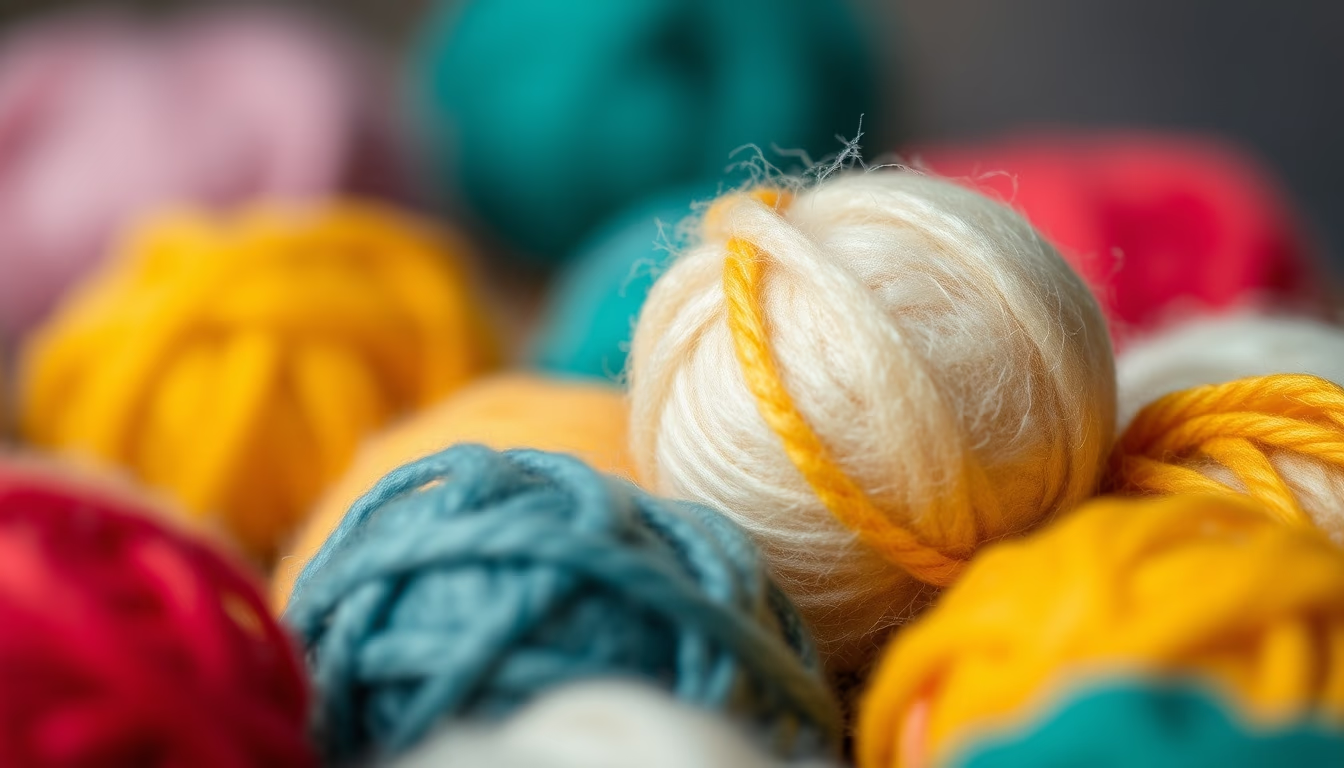
In Peru, Andean communities in Cusco, Puno, and Ayacucho keep the tradition of handloom weaving alive. The process begins with shearing every two years, yielding two to five kilograms of fiber per animal. The fiber is then washed, carded, and spun by hand or using a spindle. Dyeing employs natural colors from plants, minerals, and insects, such as cochineal for reds and indigo for blues. Geometric and figurative patterns carry cultural symbolism, representing mountains, rivers, and sacred animals.
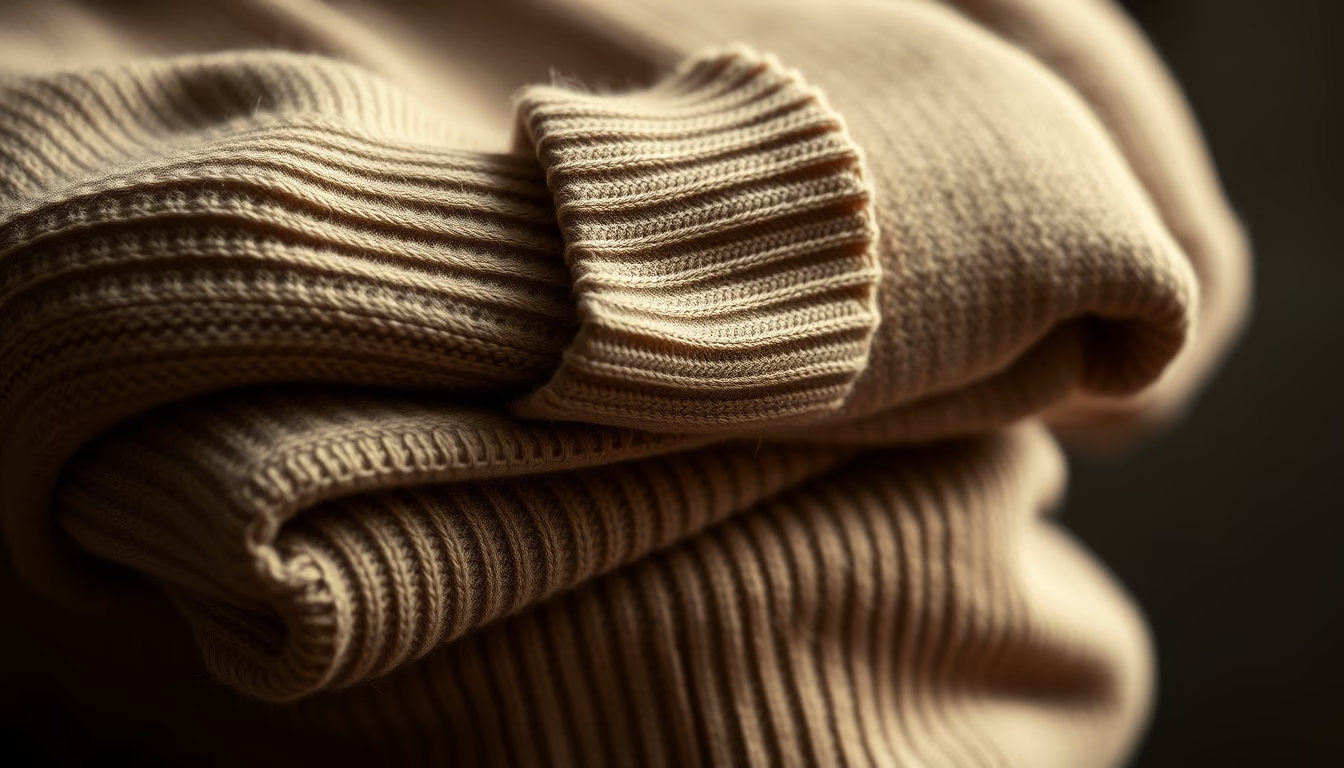
Backstrap or floor looms are used to create blankets, ponchos, hats, and rugs with unmatched density and texture. The skill is passed down orally through generations. At local markets like San Pedro Market in Cusco, authentic pieces support family economies. UNESCO recognizes traditional Peruvian weaving as Intangible Cultural Heritage, highlighting its role in Andean identity.
Today, fair trade and slow fashion movements value these products, but competition from synthetic fibers and youth migration threaten the craft. Organizations such as Alpaca del Peru and the Fair Trade Federation promote origin certification and sustainable practices. Conscious consumers seek pieces with fair trade labels, ensuring artisans receive fair prices. Alpaca wool remains a symbol of ethical luxury and connection to nature.
Frequently Asked Questions
Why is alpaca fiber considered hypoallergenic?
Alpaca fiber contains no lanolin, the natural oil found in sheep's wool that often causes allergic reactions. It is also softer and non-itchy, making it suitable for sensitive skin.
What are the main differences between Huacaya and Suri alpacas?
Huacaya has dense, crimped fiber resembling a teddy bear, while Suri has long, silky locks that hang in curls. Both are valuable, but Suri is rarer and generally more expensive.
How can I identify authentic alpaca wool at a market?
Look for labels stating 100% alpaca or a blend with Peruvian origin certification. Touch the fabric: alpaca is soft, lightweight, and resists pilling. Be wary of very low prices, which may indicate a blend with acrylic.
Direct URL
https://pub-c7d6a6ea828543ac903a74a341ccb2e1.r2.dev/imagens/loom-weaving-alpaca-documentary-photography-fresh13.avifHow to credit
Include a visible link back to UtilizAí. Copy one of the snippets below:
<a href="https://xn--utiliza-eza.com/en/midia/imagens/loom-weaving-alpaca-documentary-photography-fresh13">Loom weaving alpaca</a> by <a href="https://xn--utiliza-eza.com">UtilizAí</a>, licensed under <a href="https://creativecommons.org/licenses/by/4.0/">CC BY 4.0</a>.
[Loom weaving alpaca](https://xn--utiliza-eza.com/en/midia/imagens/loom-weaving-alpaca-documentary-photography-fresh13) by [UtilizAí](https://xn--utiliza-eza.com), CC BY 4.0
License: CC-BY-4.0