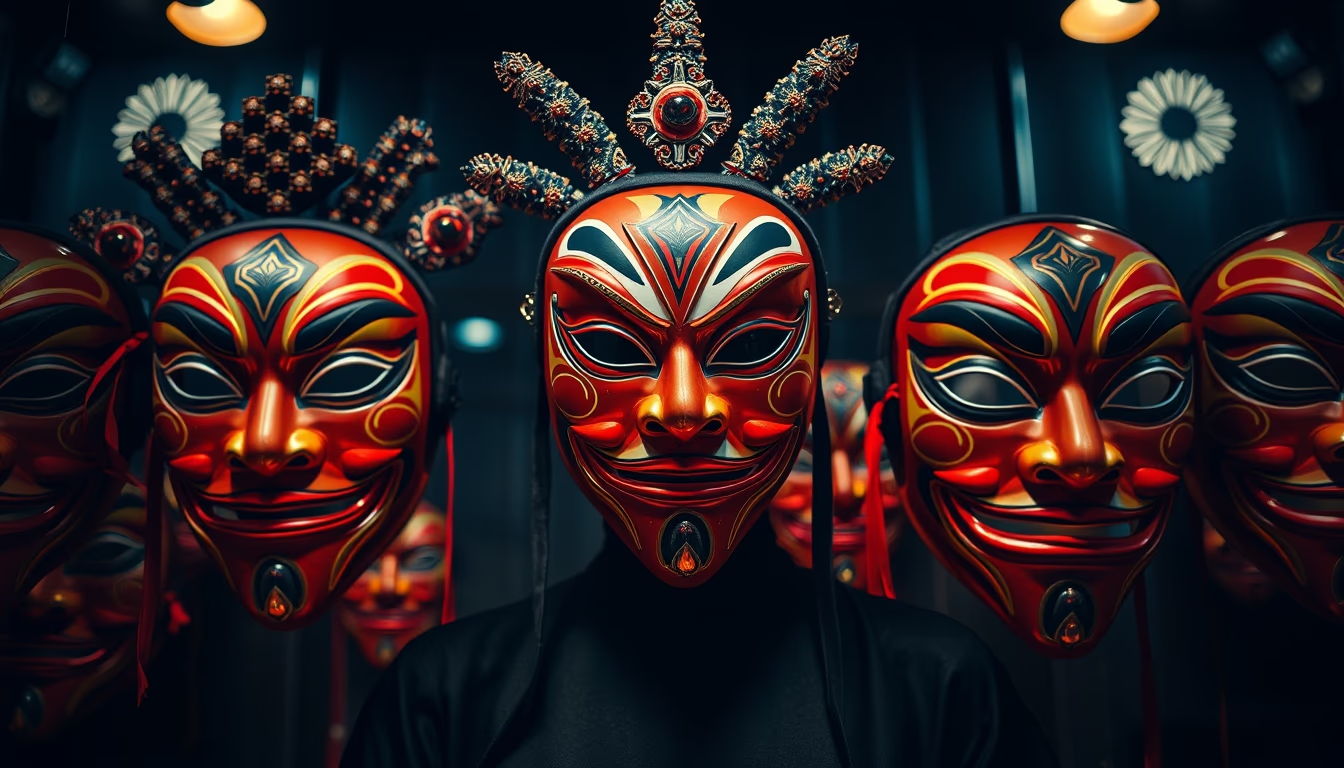
Kabuki masks display
1344×768 · AVIF · CC BY 4.0
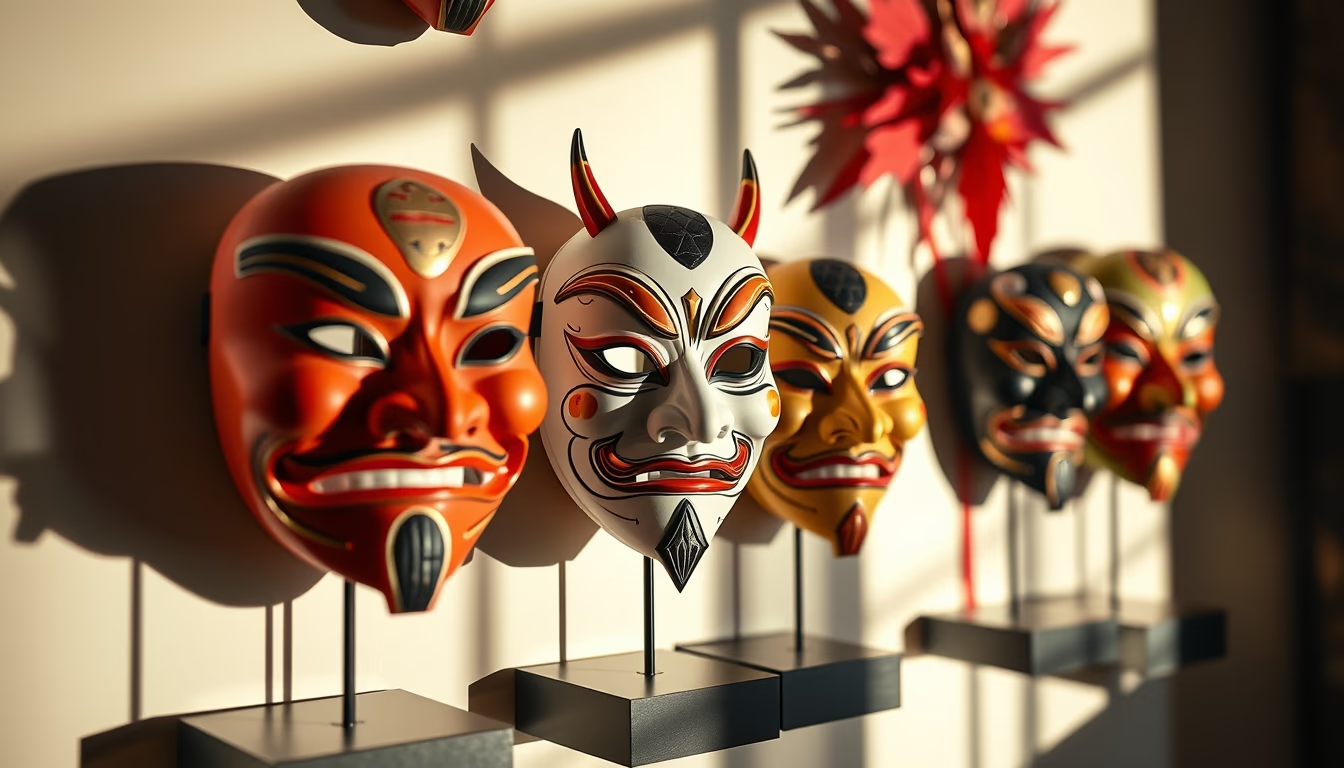
Kabuki masks are central pieces of traditional Japanese theater, carrying unique cultural and aesthetic meanings.
About this subject
Kabuki is a form of traditional Japanese theater that emerged in the early 17th century during the Edo period. Unlike Noh, which uses masks that cover the entire face, Kabuki relies on exaggerated facial expressions and elaborate makeup, but also employs masks for specific roles such as animals, spirits, or supernatural beings. These masks are carved from wood and hand-painted, following traditional patterns that indicate the character's nature.
Kabuki masks are not worn by all actors; often the makeup known as "kumadori" is sufficient to convey emotions. However, for roles requiring complete transformation, such as a demon or a fox, the mask becomes essential. Each mask has distinctive features: vibrant colors, almond-shaped eyes, and expressive mouths that help the audience quickly identify the character archetype.
Historically, Kabuki was performed by all-male troupes, even for female roles (onnagata). Masks allowed actors to embody non-human beings with greater verisimilitude. Today, Kabuki is recognized by UNESCO as an Intangible Cultural Heritage, and its masks are admired both in live performances and art exhibitions.
The crafting of masks is an art passed down through generations of artisans. They are made from lightweight and durable wood such as cypress or paulownia. Painting uses natural pigments like cinnabar red and charcoal black. Each mask can take weeks to complete, and its artistic value extends beyond the stage, being collected by museums worldwide.
Frequently Asked Questions
What is the difference between Kabuki masks and Noh theater masks?
In Noh, masks cover the entire face and are used for all roles, while in Kabuki, masks are only used for non-human or supernatural characters, with kumadori makeup being more common.
How are Kabuki masks made?
They are hand-carved from cypress or paulownia wood, then painted with natural pigments. The process can take weeks and follows traditional techniques passed down by specialized artisans.
Is Kabuki still performed today?
Yes, Kabuki is a vibrant theatrical form in Japan, with regular performances in Tokyo, Kyoto, and Osaka. It was declared an Intangible Cultural Heritage by UNESCO in 2008.
Direct URL
https://pub-c7d6a6ea828543ac903a74a341ccb2e1.r2.dev/imagens/kabuki-masks-display-magazine-editorial-fresh15.avifHow to credit
Include a visible link back to UtilizAí. Copy one of the snippets below:
<a href="https://xn--utiliza-eza.com/en/midia/imagens/kabuki-masks-display-magazine-editorial-fresh15">Kabuki masks display</a> by <a href="https://xn--utiliza-eza.com">UtilizAí</a>, licensed under <a href="https://creativecommons.org/licenses/by/4.0/">CC BY 4.0</a>.
[Kabuki masks display](https://xn--utiliza-eza.com/en/midia/imagens/kabuki-masks-display-magazine-editorial-fresh15) by [UtilizAí](https://xn--utiliza-eza.com), CC BY 4.0
License: CC-BY-4.0