Inuit sculpture stone
1344×768 · AVIF · CC BY 4.0
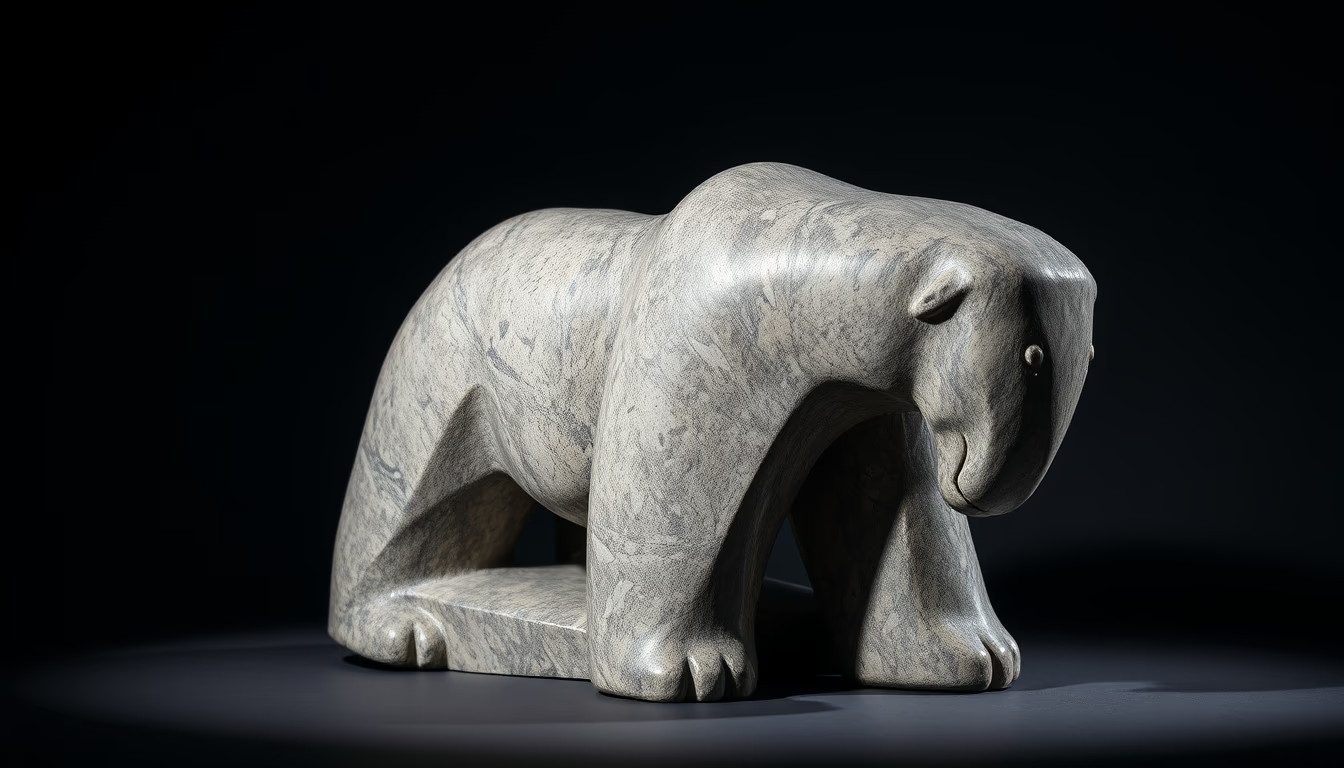
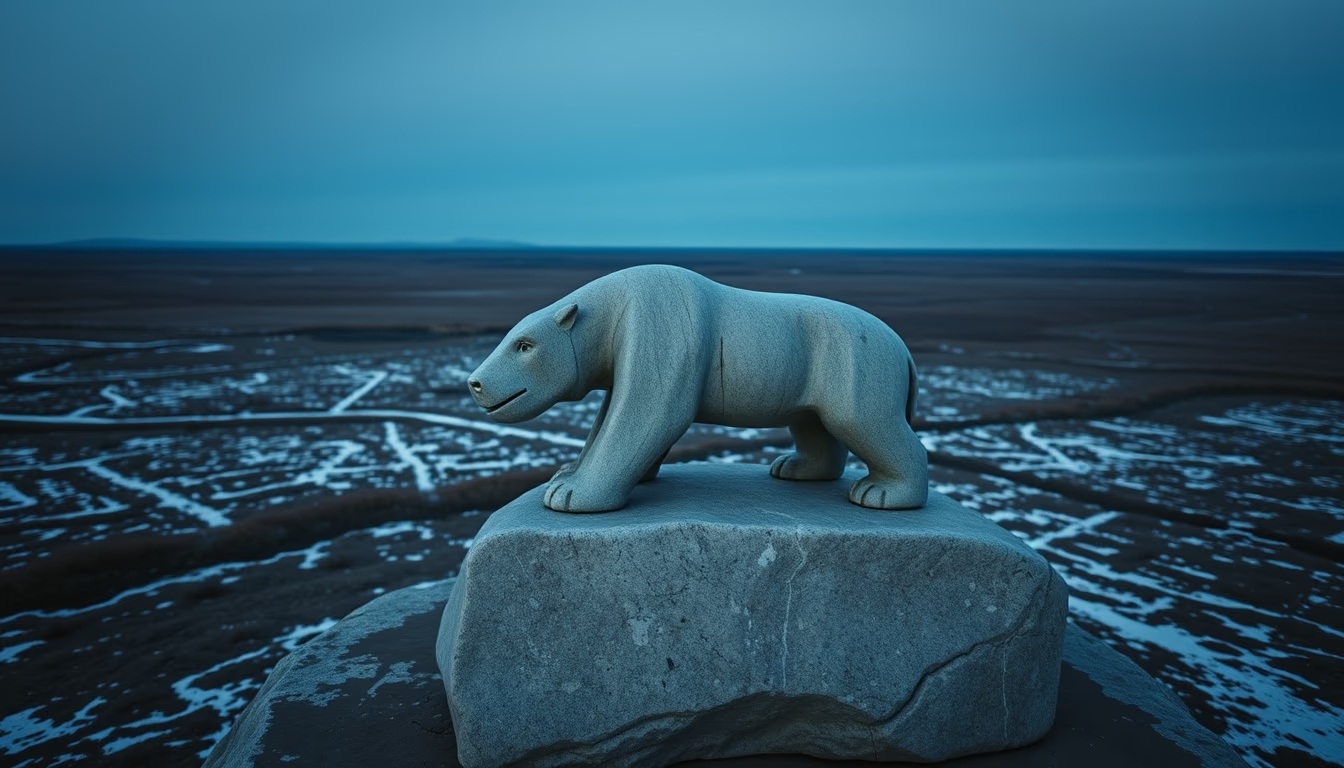
Inuit stone carvings represent a millennia-old tradition of Arctic art and spirituality, carved from materials such as soapstone and serpentinite.
About this subject
Inuit stone carving is an art form deeply embedded in the culture of Arctic peoples, especially in Canada (Nunavut, Northwest Territories) and Alaska. Traditionally, Inuit carved utilitarian and ceremonial objects from bone, ivory, and wood, but from the 20th century onward, stone, mainly soapstone, serpentinite, and argillite, became the primary medium. The carvings depict animals such as polar bears, seals, caribou, and birds, as well as human figures engaged in hunting, fishing, or dancing, and spiritual entities like the shaman (angakkuq). Each piece carries mythological meanings and connections to the frozen landscape.
Inuit artists use hand tools such as files, knives, and sandpaper to shape the stone, a process requiring patience and knowledge of the material's properties. Soapstone, for example, is soft and easy to carve, but after polishing reveals a satiny sheen. The technique evolved with the art market: from the 1950s, cooperatives like the West Baffin Eskimo Cooperative (Cape Dorset) encouraged sculpture production for sale, generating income for isolated communities. Renowned artists such as Kenojuak Ashevak (though better known for prints) and Pudlo Pudlat brought Inuit art to international recognition.
Iconography in the carvings reflects the Inuit worldview: the interdependence of humans and animals, respect for nature, and belief in guardian spirits. Polar bears symbolize strength and hunting; seals represent sustenance; human figures often wear traditional clothing (parkas, skin boots). Some contemporary pieces address climate change and modernity, blending tradition and innovation. When acquiring an Inuit sculpture, collectors obtain not just an artwork but a fragment of oral history and cultural resilience.
Frequently Asked Questions
What materials are used in Inuit sculptures?
The most common materials are soapstone, serpentinite, and argillite. Ivory (from walrus), bone, and caribou antler are also used, depending on the region and the artist's tradition.
What do Inuit carvings represent?
They represent Arctic animals (polar bear, seal, caribou), hunting scenes and daily life, human figures in traditional clothing, and spiritual beings like shamans. Each element carries mythological and cultural meaning.
How to identify an authentic Inuit sculpture?
Authentic pieces usually come with a certificate of authenticity and the artist's or cooperative's mark. The stone is hand-polished and details show manual tool marks. Avoid imitations made of resin or other materials.
Direct URL
https://pub-c7d6a6ea828543ac903a74a341ccb2e1.r2.dev/imagens/inuit-sculpture-stone-rembrandt-lighting-dramatic-shadows-fresh14.avifHow to credit
Include a visible link back to UtilizAí. Copy one of the snippets below:
<a href="https://xn--utiliza-eza.com/en/midia/imagens/inuit-sculpture-stone-rembrandt-lighting-dramatic-shadows-fresh14">Inuit sculpture stone</a> by <a href="https://xn--utiliza-eza.com">UtilizAí</a>, licensed under <a href="https://creativecommons.org/licenses/by/4.0/">CC BY 4.0</a>.
[Inuit sculpture stone](https://xn--utiliza-eza.com/en/midia/imagens/inuit-sculpture-stone-rembrandt-lighting-dramatic-shadows-fresh14) by [UtilizAí](https://xn--utiliza-eza.com), CC BY 4.0
License: CC-BY-4.0