Inuit sculpture stone
1344×768 · AVIF · CC BY 4.0
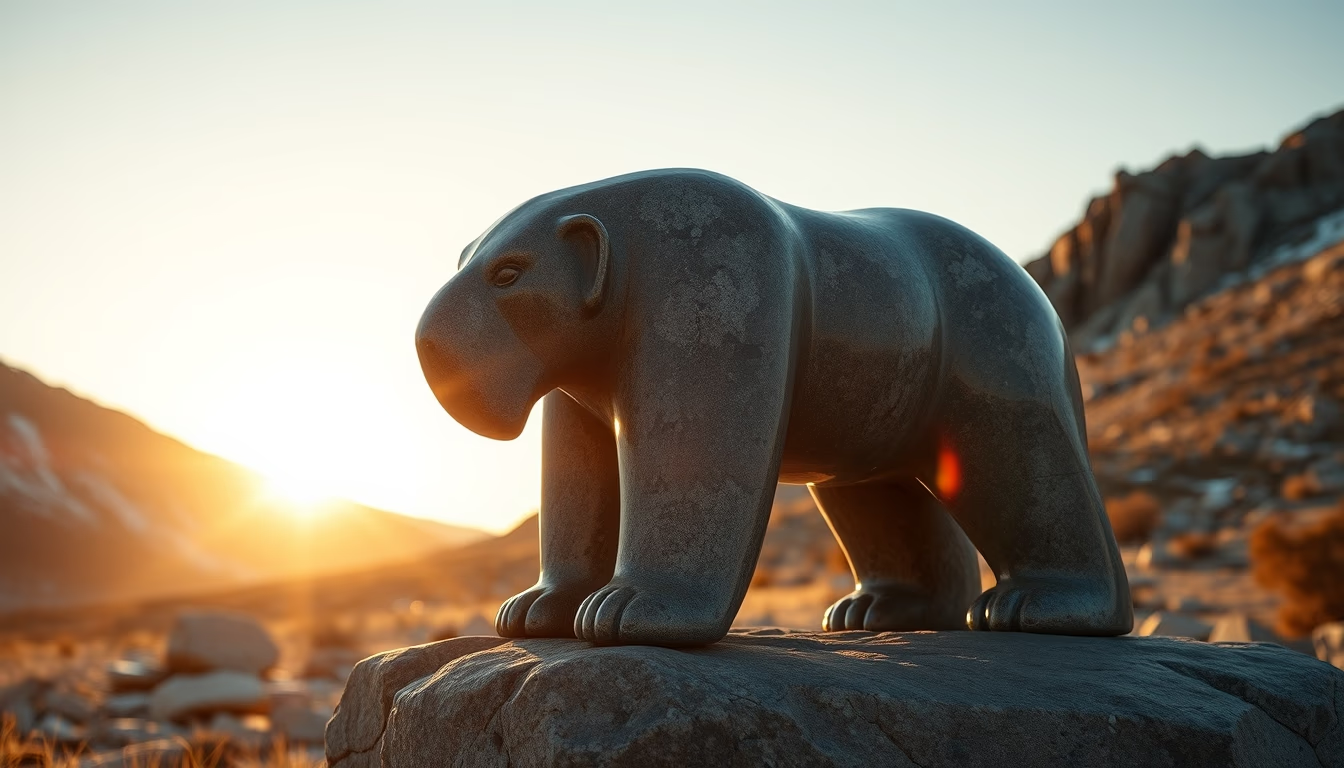
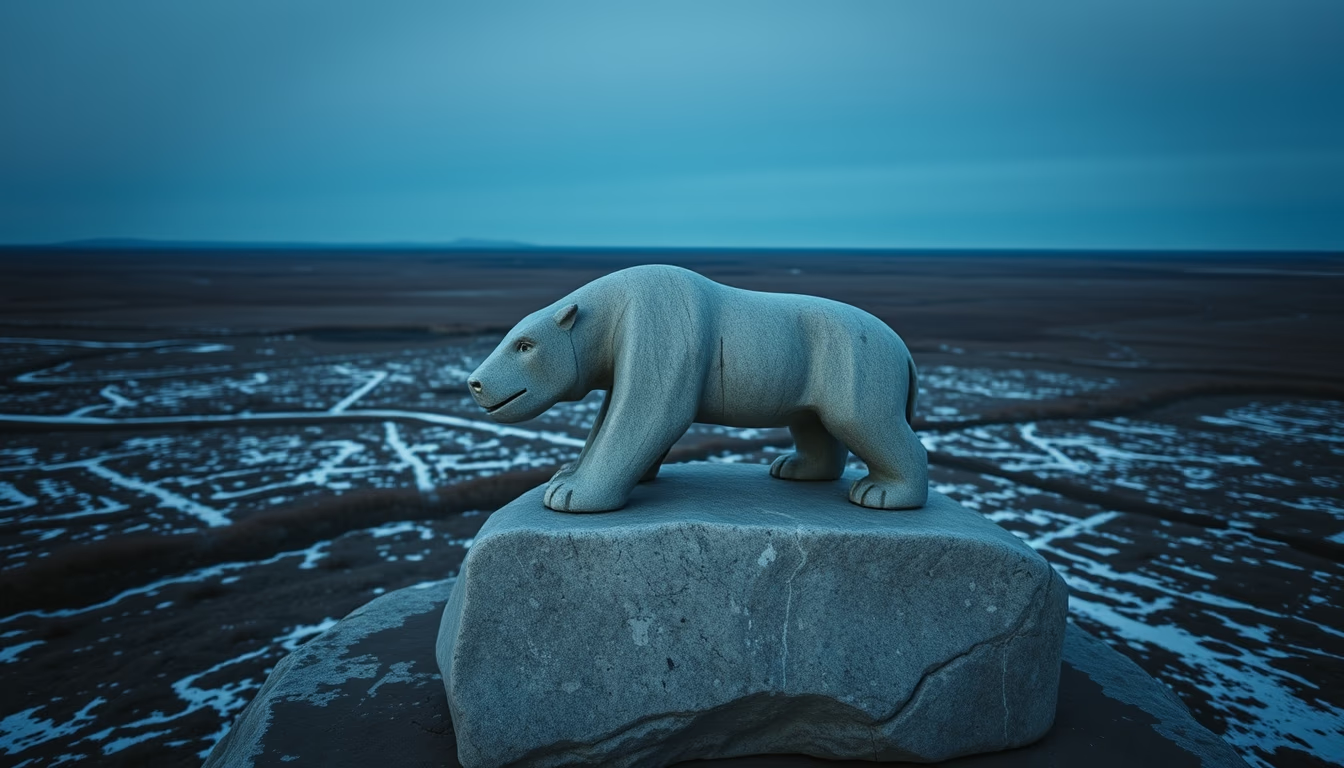
Inuit stone carvings from the Canadian Arctic, crafted from materials like soapstone and serpentinite, represent the rich cultural and spiritual heritage of the Inuit people. These works often depict animals, hunters, and mythological figures, blending traditional techniques with modern influences.
About this subject
Inuit stone carving is an ancient art form practiced by the indigenous peoples of the Canadian Arctic, particularly in Nunavut, the Northwest Territories, and Quebec. The pieces are traditionally carved from soapstone, a soft and workable stone, or serpentinite, which offers greater hardness and color variation. These materials are locally sourced and selected for their texture and tone, ranging from light gray to dark green and black.
The carvings often depict animals such as polar bears, seals, walruses, and caribou, as well as hunting scenes and human figures engaged in daily activities or rituals. Each piece carries symbolic meaning: the polar bear represents strength and endurance, while the seal signifies sustenance and adaptability. Inuit artists use simple tools like files and knives to carve the stone, then polish the surface with sandpaper or oil to enhance its natural luster.
Inuit art gained international recognition in the 1950s when the Canadian government encouraged handicraft production as a source of income for isolated communities. Today, Inuit carvers are celebrated in galleries and museums worldwide, blending ancestral techniques with contemporary influences. Artists like Oviloo Tunnillie and John Pangnark are known for their innovative approaches, preserving tradition while exploring new expressions.
Frequently Asked Questions
What materials are most used in Inuit sculpture?
The most common materials are soapstone and serpentinite, both found in the Canadian Arctic. Soapstone is soft and easy to carve, while serpentinite is harder and offers varied colors.
What do Inuit carvings represent?
They represent animals (polar bears, seals, caribou), hunting scenes, human figures, and mythological elements. Each figure carries cultural meaning, such as the polar bear symbolizing strength.
Where can I find authentic Inuit sculptures?
Authentic sculptures can be found in specialized galleries in Canada, such as the Inuit Art Fair in Toronto, and in communities like Cape Dorset, Nunavut. International museums also display collections.
Direct URL
https://pub-c7d6a6ea828543ac903a74a341ccb2e1.r2.dev/imagens/inuit-sculpture-stone-cinematic-wide-shot-fresh16.avifHow to credit
Include a visible link back to UtilizAí. Copy one of the snippets below:
<a href="https://xn--utiliza-eza.com/en/midia/imagens/inuit-sculpture-stone-cinematic-wide-shot-fresh16">Inuit sculpture stone</a> by <a href="https://xn--utiliza-eza.com">UtilizAí</a>, licensed under <a href="https://creativecommons.org/licenses/by/4.0/">CC BY 4.0</a>.
[Inuit sculpture stone](https://xn--utiliza-eza.com/en/midia/imagens/inuit-sculpture-stone-cinematic-wide-shot-fresh16) by [UtilizAí](https://xn--utiliza-eza.com), CC BY 4.0
License: CC-BY-4.0