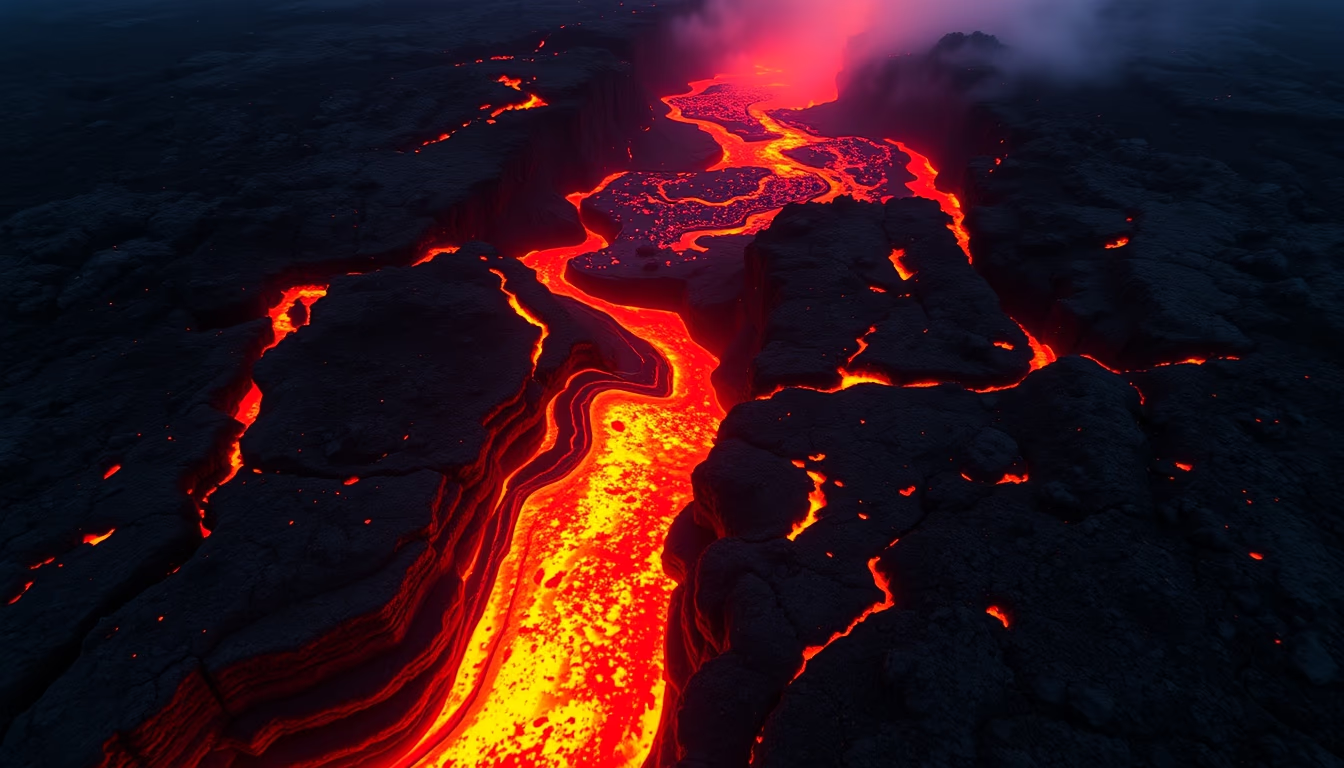
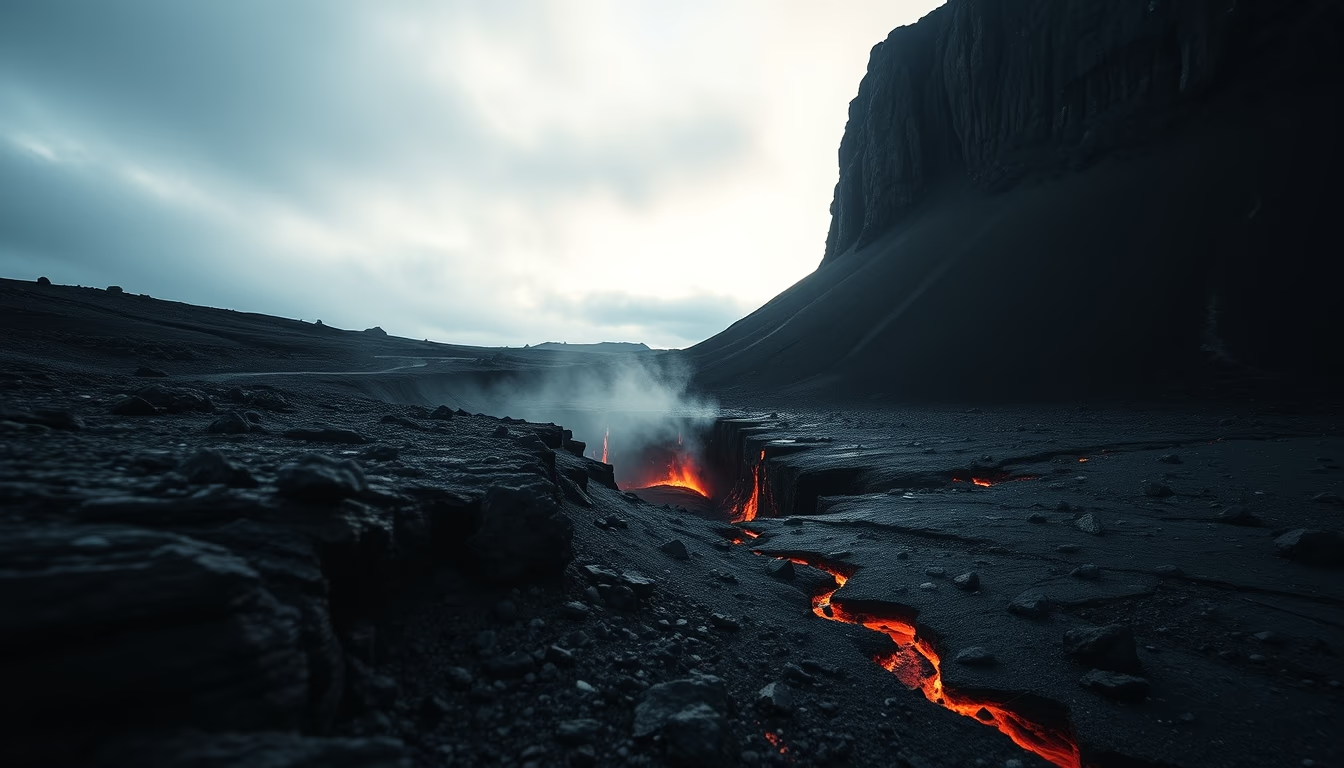
Fuego guatemala explosion
1344×768 · AVIF · CC BY 4.0
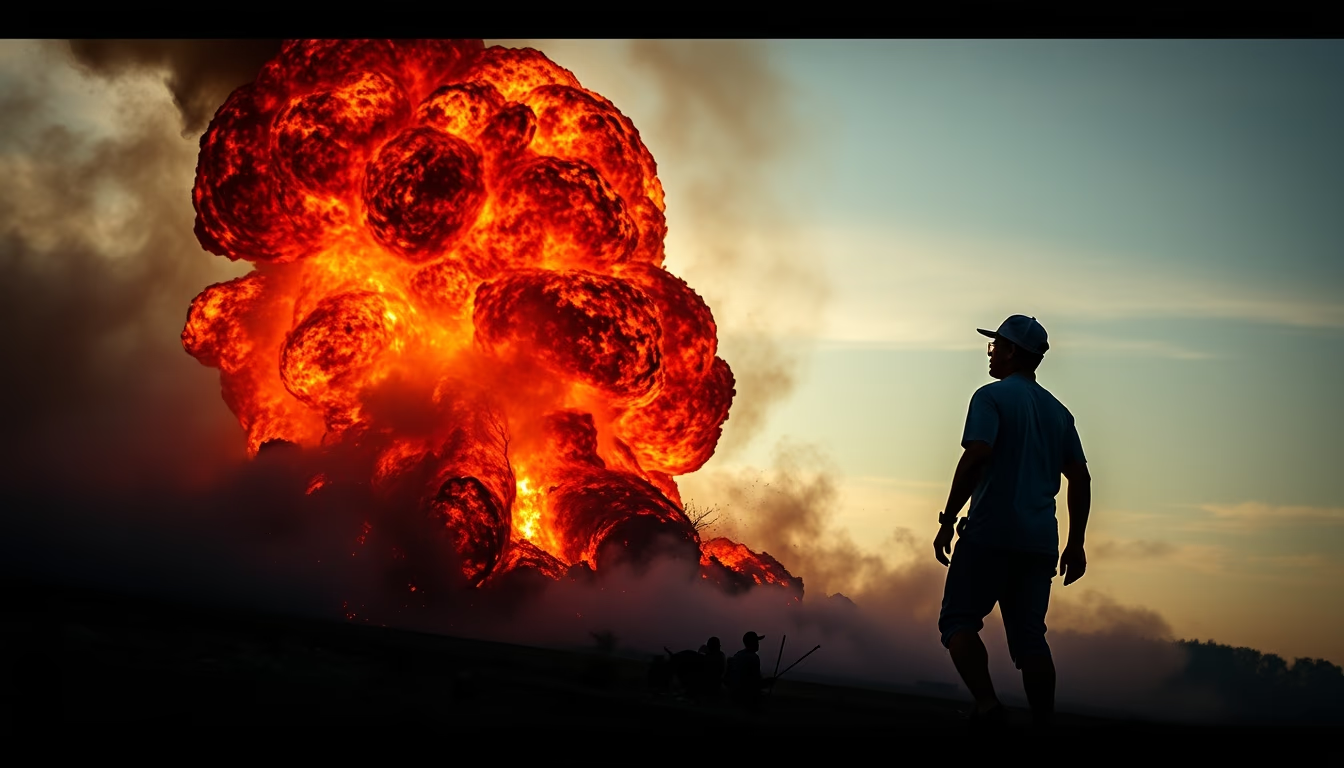
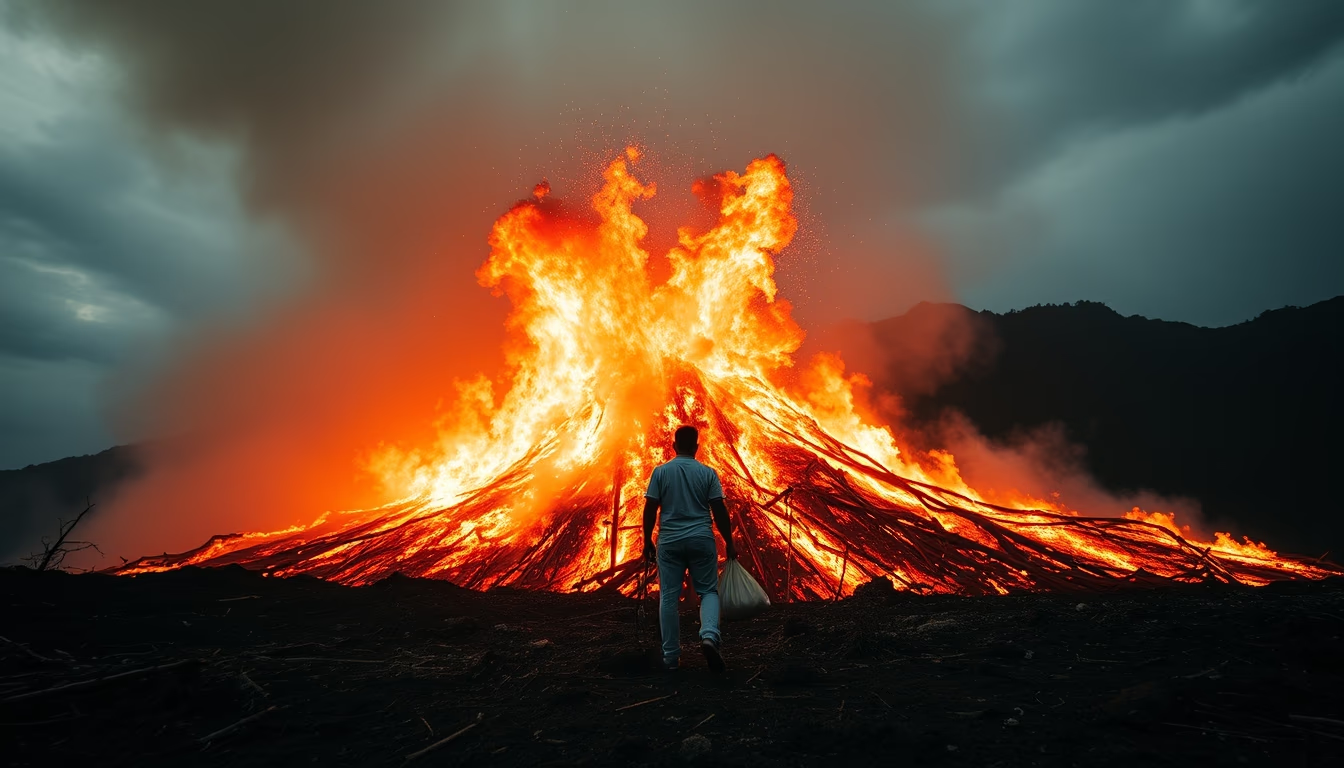
Explosion of Volcán de Fuego in Guatemala: one of the most powerful eruptions in Central America, causing destruction and loss of life.
About this subject
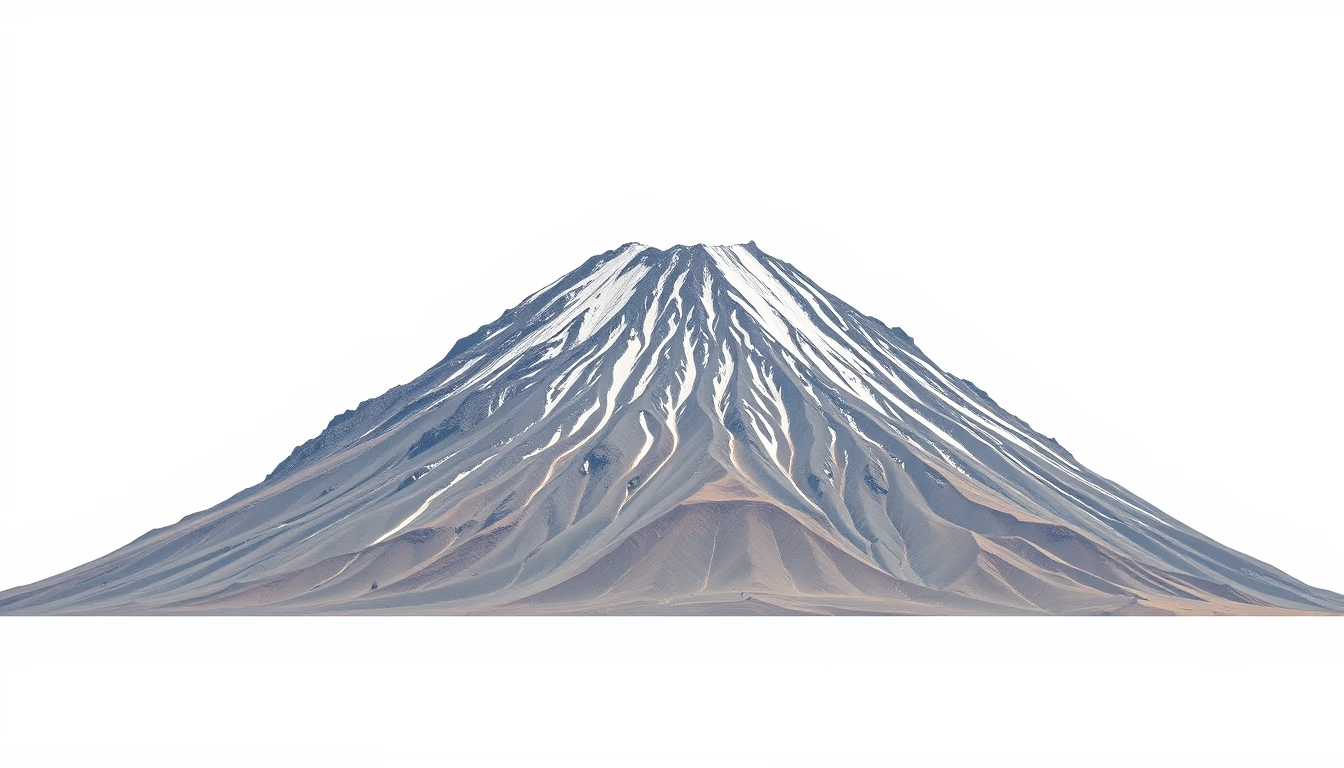
Volcán de Fuego, located in southern Guatemala, is one of the most active stratovolcanoes in Central America. Rising 3,763 meters above sea level, it is part of the volcanic mountain range that crosses the country. Its most devastating eruption in decades occurred in June 2018, when a violent explosion spewed ash and pyroclastic flows that buried rural communities on the volcano's slopes. The tragedy left at least 200 dead and hundreds missing, primarily in the villages of San Miguel Los Lotes and El Rodeo. The 2018 eruption featured ash columns reaching 15 kilometers in height and flows of lava and gas at temperatures exceeding 700 degrees Celsius, descending slopes at speeds up to 700 km/h. Seismic activity and explosions are monitored by Guatemala's National Institute of Seismology, Volcanology, Meteorology, and Hydrology (INSIVUMEH).
Beyond the 2018 eruption, Volcán de Fuego has a history of frequent eruptions, with minor explosions occurring almost daily. Its proximity to Guatemala City and Antigua poses a constant risk to the population. Agriculture on the fertile slopes is affected by ashfall, which can enrich the soil but also damage crops. The 2018 eruption generated lahars (volcanic mudflows) that blocked roads and destroyed bridges, isolating communities for days. The Guatemalan government and international organizations responded with humanitarian aid and evacuation plans, but poverty and lack of infrastructure hinder prevention efforts.
The name "Fuego" (meaning fire) reflects its constant eruptive activity, which has impressed inhabitants since colonial times. The volcano is part of a volcanic complex together with Acatenango, another peak frequently visited by tourists. The 2018 eruption is considered the worst since 1902, when an eruption of neighboring Santa María killed thousands. Despite the dangers, the region remains inhabited due to fertile volcanic soil and cultural traditions. Geological studies indicate that the volcano will remain active for centuries, requiring constant vigilance and community preparedness.
Frequently Asked Questions
What was the deadliest eruption of Volcán de Fuego?
The June 2018 eruption was the deadliest in decades, with at least 200 deaths and hundreds missing, mainly in the communities of San Miguel Los Lotes and El Rodeo.
Is Volcán de Fuego still active?
Yes, it is one of the most active volcanoes in Central America, with minor explosions almost daily and periodic larger eruptions. It is constantly monitored by INSIVUMEH.
What are the dangers of an eruption of Volcán de Fuego?
The main dangers include pyroclastic flows, ashfall, lahars (mudflows), and toxic gas emissions. Nearby communities are at risk of burial and destruction.
Direct URL
https://pub-c7d6a6ea828543ac903a74a341ccb2e1.r2.dev/imagens/fuego-guatemala-explosion-magazine-editorial-fresh15.avifHow to credit
Include a visible link back to UtilizAí. Copy one of the snippets below:
<a href="https://xn--utiliza-eza.com/en/midia/imagens/fuego-guatemala-explosion-magazine-editorial-fresh15">Fuego guatemala explosion</a> by <a href="https://xn--utiliza-eza.com">UtilizAí</a>, licensed under <a href="https://creativecommons.org/licenses/by/4.0/">CC BY 4.0</a>.
[Fuego guatemala explosion](https://xn--utiliza-eza.com/en/midia/imagens/fuego-guatemala-explosion-magazine-editorial-fresh15) by [UtilizAí](https://xn--utiliza-eza.com), CC BY 4.0
License: CC-BY-4.0