Dark web concept anonymous
1344×768 · AVIF · CC BY 4.0
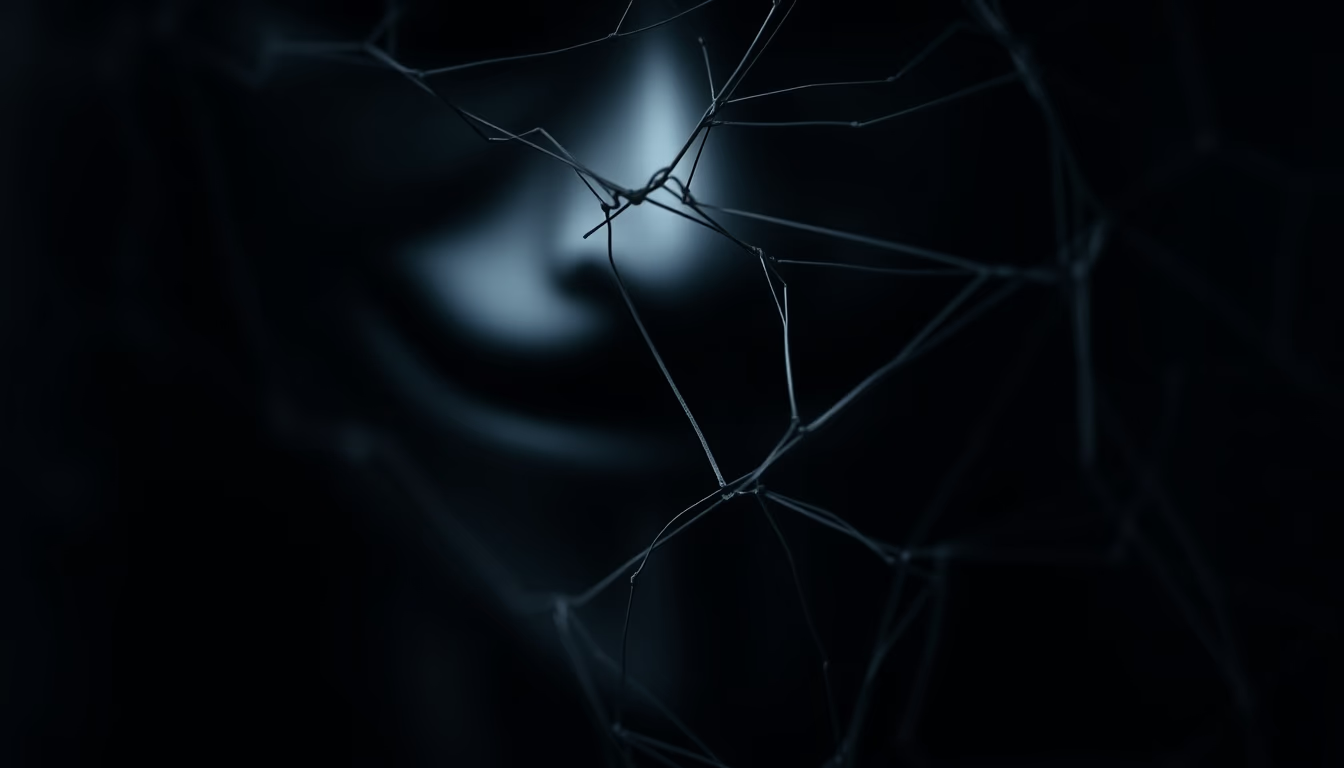
The dark web is a hidden layer of the internet requiring specific tools for access, ensuring anonymity for users and sites, with legal and cultural implications globally.
About this subject
The dark web is a part of the internet not indexed by conventional search engines, accessible only through specialized software like Tor (The Onion Router). Unlike the deep web, which includes private content such as emails and databases, the dark web is intentionally hidden and requires anonymity configurations. Although often associated with illicit activities like black markets and cybercrime forums, it also serves as a tool for journalists, activists, and citizens in countries with heavy censorship.
Globally, the dark web has grown as concerns over digital surveillance rise. According to security reports, the United States, Brazil, and Germany are among the top users of the Tor network. Law enforcement agencies worldwide conduct operations to dismantle drug and data trafficking networks operating in this space. However, the dark web is also used by researchers and IT professionals to test vulnerabilities and share information securely.
Anonymity on the dark web is achieved through onion routing, which encrypts and redirects traffic through multiple servers around the world, making it difficult to trace the origin and destination of communications. Yet anonymity is not absolute: de-anonymization techniques, such as traffic correlation attacks, can expose users under certain conditions. Therefore, security experts recommend strict practices for dark web users, including disabling scripts and avoiding non-anonymous currencies.
The culture of the dark web is marked by a libertarian ethos of freedom and resistance to censorship, but also by risks of exposure to disturbing content. Forums like the former Silk Road and more recent Hydra market have dominated headlines, yet the dark web also hosts libraries, whistleblower sites, and encrypted communication platforms. Understanding this environment is crucial for those seeking digital security or looking to grasp the boundaries between privacy and crime in today's internet.
Frequently Asked Questions
What is needed to access the dark web?
To access the dark web, you need specific browsers like the Tor Browser, which routes traffic through a network of volunteer servers to hide your IP address. It is also recommended to use a VPN and take security precautions to avoid malware and surveillance.
What is the difference between the deep web and the dark web?
The deep web includes all online content not indexed by search engines, such as emails, bank accounts, and private files. The dark web is a subset of the deep web that requires specialized software for access and is intentionally hidden, often associated with anonymous activities.
Is the dark web illegal?
Accessing the dark web itself is not illegal, but many activities conducted there can be, such as drug trafficking, sale of stolen data, and cyber crimes. Countries like the United States monitor the dark web to combat crime, while also protecting legitimate uses like communication for journalists and activists.
Direct URL
https://pub-c7d6a6ea828543ac903a74a341ccb2e1.r2.dev/imagens/dark-web-concept-anonymous-macro-closeup-p4.avifHow to credit
Include a visible link back to UtilizAí. Copy one of the snippets below:
<a href="https://xn--utiliza-eza.com/en/midia/imagens/dark-web-concept-anonymous-macro-closeup-p4">Dark web concept anonymous</a> by <a href="https://xn--utiliza-eza.com">UtilizAí</a>, licensed under <a href="https://creativecommons.org/licenses/by/4.0/">CC BY 4.0</a>.
[Dark web concept anonymous](https://xn--utiliza-eza.com/en/midia/imagens/dark-web-concept-anonymous-macro-closeup-p4) by [UtilizAí](https://xn--utiliza-eza.com), CC BY 4.0
License: CC-BY-4.0