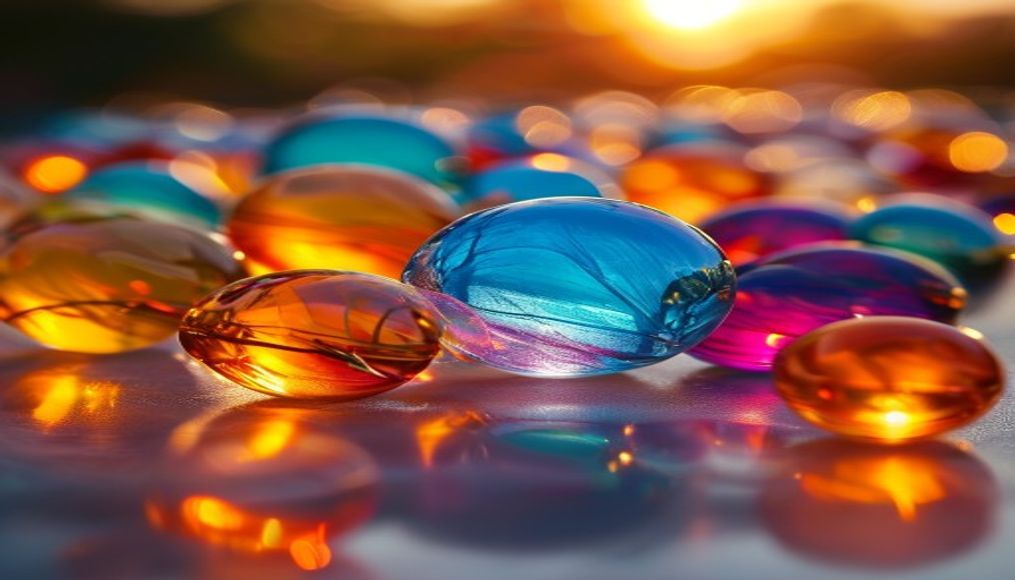
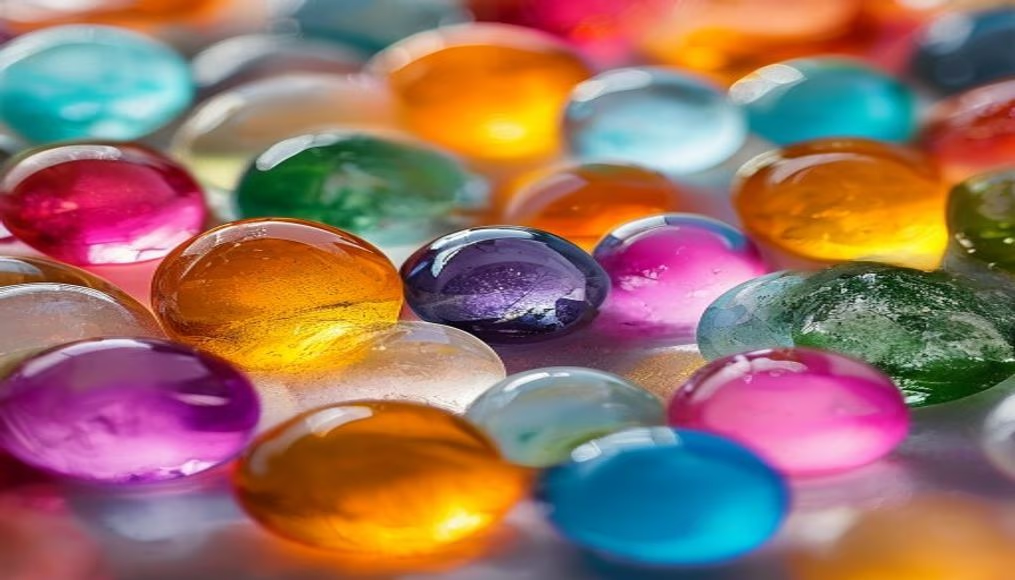
Colored glass marbles
1344×768 · AVIF · CC BY 4.0
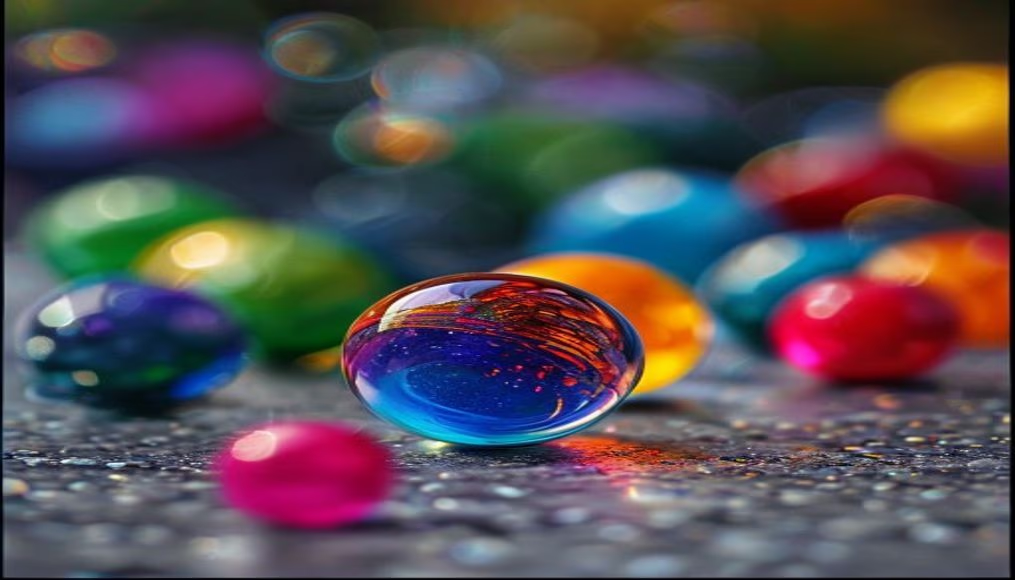
Colored glass marbles, known as marbles, are small artisan or industrial spheres that have fascinated collectors and children for centuries.
About this subject
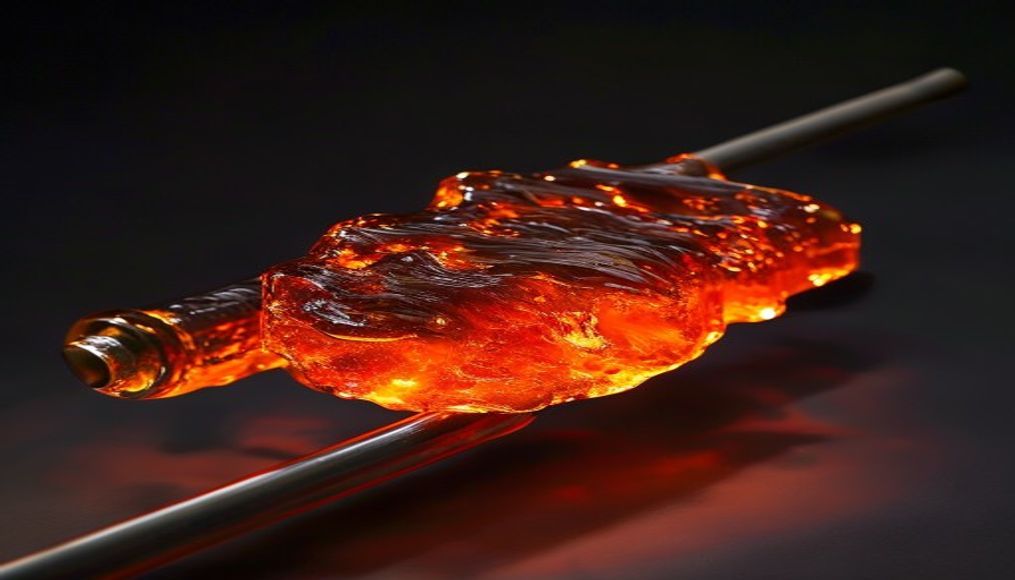
Colored glass marbles date back to antiquity. Spherical glass artifacts have been found in Roman and Egyptian excavations, but mass production began in the 19th century in Germany and the United States. The traditional technique involved heating molten glass on a metal rod, winding it into a sphere, and then plunging it into water to solidify. This artisan method produced unique designs with varied colors and patterns, such as the famous swirls and "cat's eye" marbles, which have iridescent inclusions that reflect light.
By 1900, the invention of the marble machine enabled large-scale production. The industrial process cuts strips of molten glass, which are rolled in heated channels until they acquire a spherical shape. Machine-made marbles are more uniform and cheaper, while handmade ones are valued for their individuality. Among the most coveted varieties among collectors are "lutzes" (with layers of opaque and transparent colors) and "end-of-day" marbles (scraps of different colored glass mixed at the end of a work shift).
Culturally, marbles are symbols of childhood in many countries. In the United States, the game of marbles involves aiming at opponents' marbles with one's own. The National Marbles Tournament has been held annually since 1922. Marbles also appear in art: contemporary artists like David Patchen and Sean Robinson create intricate pieces using lampworking techniques. The durability and chromatic beauty of these spheres make them objects that combine playful accessibility with artistic and historical value.
Collecting marbles is a specialized hobby, with rare pieces fetching hundreds of dollars at auction. Historical brands like "Peltier Glass" (USA) and "Marble King" (West Virginia) have been producing since the 1930s. Marbles are used in board games, jewelry, and aquarium decorations. The process of making them continues to evolve, with modern studios producing limited-edition art marbles that are highly sought after.
Frequently Asked Questions
How are colored glass marbles made?
Glass marbles are produced by melting glass at high temperatures and shaping it into spheres. Handmade ones are made manually on metal rods, while industrial ones are made by machines that cut and roll molten glass.
Which types are most valuable to collectors?
19th-century German handmade marbles are highly valued, especially those with rare patterns like "lutzes" (opaque and transparent layers) and "end-of-day" (color mixtures). Marbles with unique flaws or from historical manufacturers like Peltier and Marble King are also sought after.
What is the origin of the marble game?
The game of marbles dates back to ancient Rome, but the modern version with glass marbles became popular in the 19th century in Europe and America. Players try to knock opponents' marbles out of a circle drawn on the ground.
Direct URL
https://pub-c7d6a6ea828543ac903a74a341ccb2e1.r2.dev/imagens/colored-glass-marbles-tilt-shift-miniature-p2.avifHow to credit
Include a visible link back to UtilizAí. Copy one of the snippets below:
<a href="https://xn--utiliza-eza.com/en/midia/imagens/colored-glass-marbles-tilt-shift-miniature-p2">Colored glass marbles</a> by <a href="https://xn--utiliza-eza.com">UtilizAí</a>, licensed under <a href="https://creativecommons.org/licenses/by/4.0/">CC BY 4.0</a>.
[Colored glass marbles](https://xn--utiliza-eza.com/en/midia/imagens/colored-glass-marbles-tilt-shift-miniature-p2) by [UtilizAí](https://xn--utiliza-eza.com), CC BY 4.0
License: CC-BY-4.0