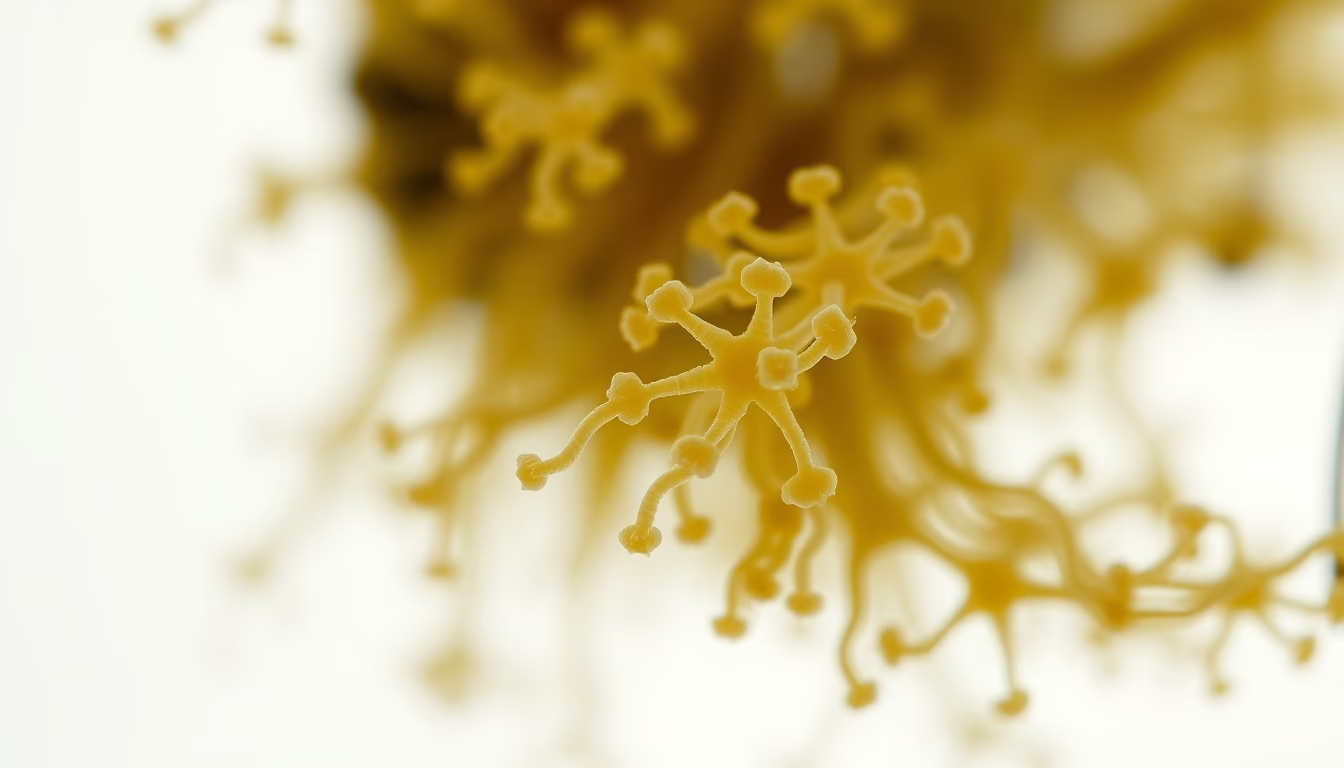
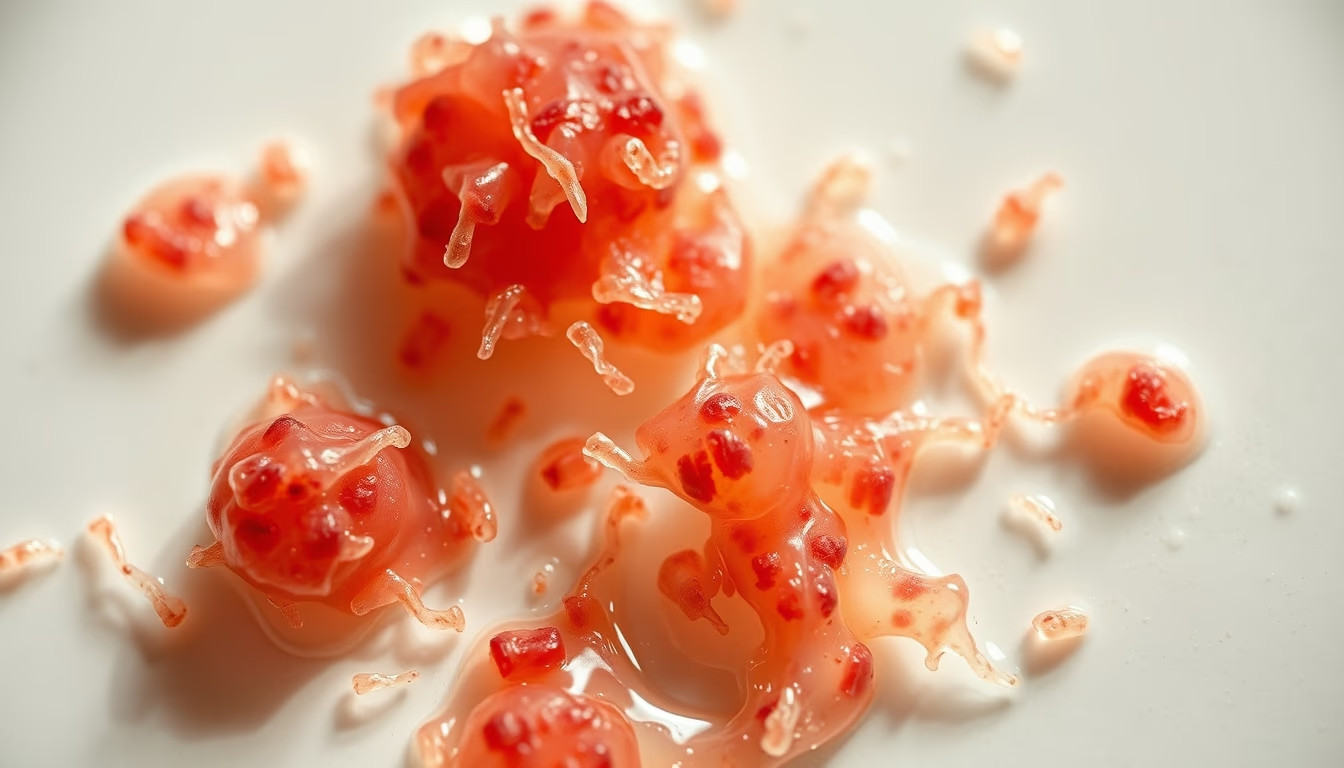
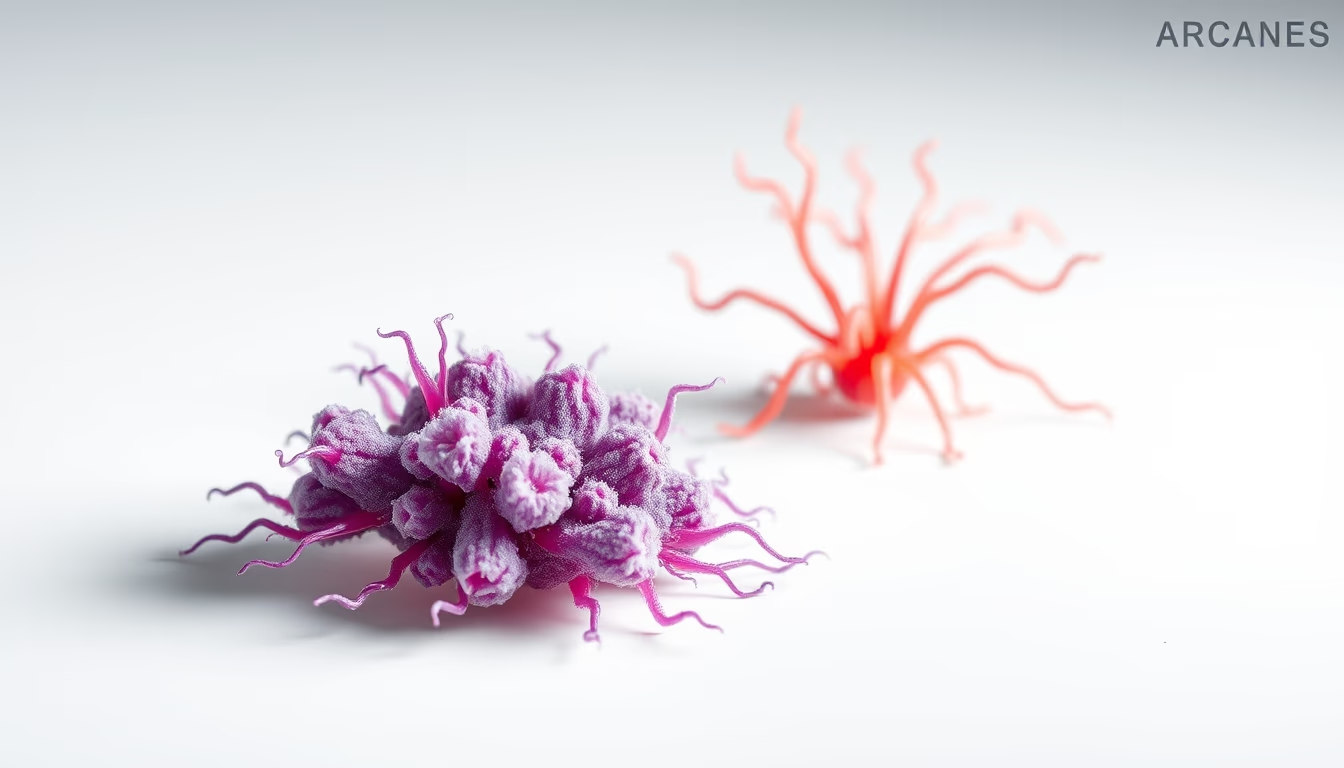
Biofilm bacterial slime
1344×768 · AVIF · CC BY 4.0
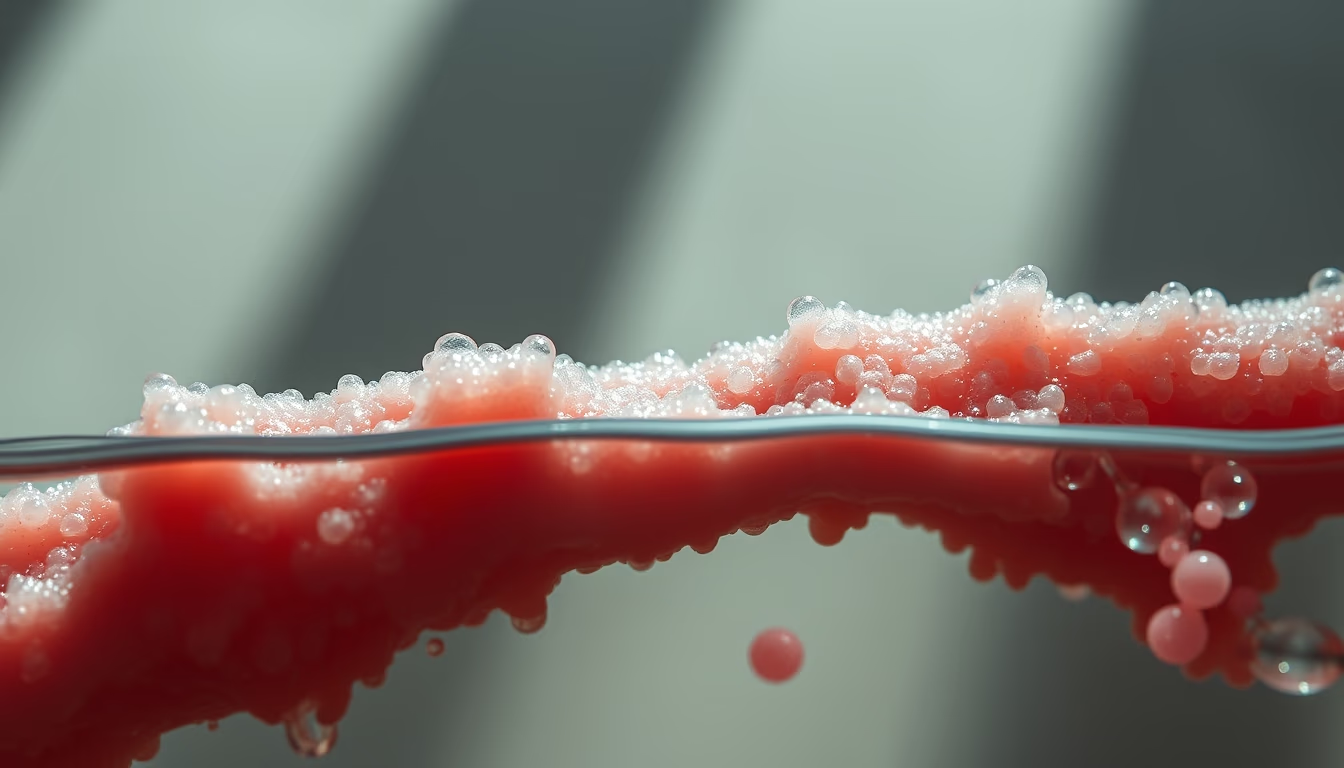
Biofilms are bacterial communities embedded in a slimy matrix, resistant to antibiotics, and found in infections, medical devices, and natural habitats.
About this subject
Biofilms are structured communities of microorganisms, predominantly bacteria, that adhere to surfaces and are encased in an extracellular polymeric matrix (EPS). This matrix, composed of polysaccharides, proteins, and DNA, provides protection and cohesion, allowing bacteria to survive in hostile environments. Biofilm formation occurs in stages: initial adhesion, maturation, and dispersal, a process regulated by signaling molecules called quorum sensing.
These structures are ubiquitous in nature, found in rivers, oceans, soils, and even the human body. In clinical settings, biofilms form on medical devices such as catheters, joint prostheses, and contact lenses, causing chronic and difficult-to-treat infections like those in cystic fibrosis and periodontitis. Antibiotic resistance is a hallmark: the matrix hinders drug penetration and cells inside can enter a dormant state, tolerating high concentrations.
Despite the challenges, biofilms have beneficial applications. In wastewater treatment plants, biofilms are used in biological reactors to degrade pollutants. In the food industry, they can contaminate pipes, but are also utilized in the production of vinegar and other fermentation processes. The discovery of biofilms dates back to Antonie van Leeuwenhoek, who in the 17th century observed microbial clumps from his own dental plaque under a microscope. Today, research seeks strategies to inhibit or destroy them, such as enzymatic disruption of EPS and the use of bacteriophages.
Interestingly, biofilms can contain multiple bacterial species cooperating with each other. This diversity increases robustness and the ability to withstand environmental stresses. Recent studies show that biofilms can conduct electricity through bacterial nanowires, opening possibilities for applications in biosensors and microbial fuel cells.
Frequently Asked Questions
What is a bacterial biofilm?
A biofilm is a community of bacteria that adhere to a surface and produce a slimy matrix of polysaccharides, proteins, and DNA, forming a protected three-dimensional structure.
Why are biofilms dangerous to health?
Biofilms cause persistent infections on implants and catheters, are highly resistant to antibiotics and the immune system, and are linked to diseases like cystic fibrosis and endocarditis.
Where are biofilms useful?
Biofilms are beneficial in wastewater treatment, bioremediation of pollutants, production of fermented foods, and microbial fuel cells.
Direct URL
https://pub-c7d6a6ea828543ac903a74a341ccb2e1.r2.dev/imagens/biofilm-bacterial-slime-minimalist-composition-fresh15.avifHow to credit
Include a visible link back to UtilizAí. Copy one of the snippets below:
<a href="https://xn--utiliza-eza.com/en/midia/imagens/biofilm-bacterial-slime-minimalist-composition-fresh15">Biofilm bacterial slime</a> by <a href="https://xn--utiliza-eza.com">UtilizAí</a>, licensed under <a href="https://creativecommons.org/licenses/by/4.0/">CC BY 4.0</a>.
[Biofilm bacterial slime](https://xn--utiliza-eza.com/en/midia/imagens/biofilm-bacterial-slime-minimalist-composition-fresh15) by [UtilizAí](https://xn--utiliza-eza.com), CC BY 4.0
License: CC-BY-4.0