Binary code falling matrix
1344×768 · AVIF · CC BY 4.0
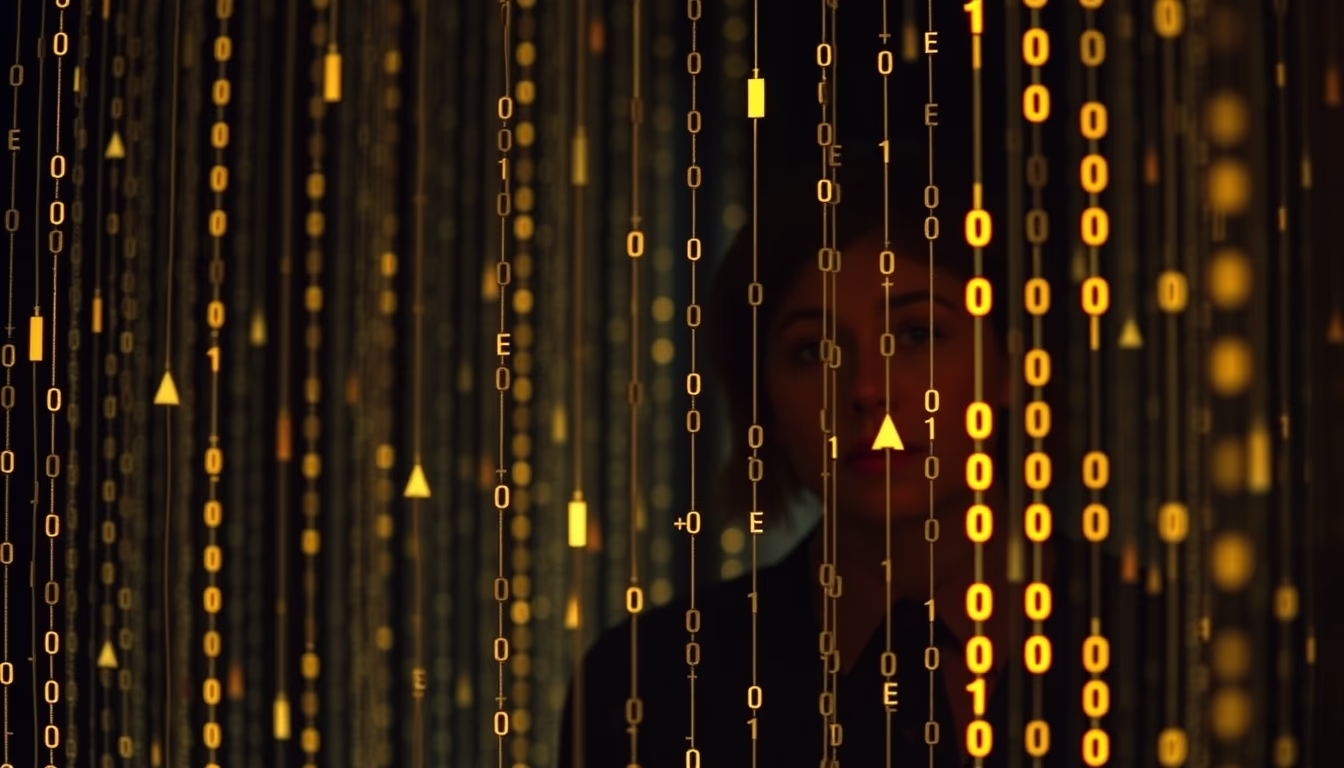
Binary code is the fundamental language of computers, composed of sequences of zeros and ones that represent data and instructions.
About this subject
Binary code is the foundation of all digital devices. Each sequence of bits (binary digits) corresponds to specific information, such as numbers, letters, or processing commands. Invented by Gottfried Leibniz in the 17th century, the binary system was adopted in computing because of its electrical simplicity: circuits can easily represent two states, on or off (1 or 0). Today, everything from smartphones to supercomputers uses this logic to perform complex tasks.
Culturally, binary code has become a visual icon of the digital age. Movies like The Matrix popularized the image of green columns of falling numbers, symbolizing virtual reality and the power of information. This aesthetic is often associated with cybersecurity and technology, used in logos, book covers, and digital art. Artists explore binary as a metaphor for duality, control, and the hidden language of machines.
In practice, binary code underlies everything we do online. Every click, text, or image is converted into bits that travel across networks. Cybersecurity professionals study binary patterns to identify anomalies and protect systems. The concept of falling code evokes hacker aesthetics but also the complexity of deciphering massive data streams. As quantum computing advances, binary may evolve, but its legacy remains central to computer science.
Frequently Asked Questions
What is binary code and how does it work?
Binary code is a number system using only two digits, 0 and 1. Each digit represents an electrical state (off or on). Groups of bits form bytes, which encode characters, numbers, and instructions for computers.
Why is binary code important in cybersecurity?
In cybersecurity, binary allows analyzing data at a fundamental level to detect malware, vulnerabilities, and attack patterns. Binary analysis tools help understand the behavior of malicious code.
What is the origin of the 'falling code' aesthetic in films?
The image of falling binary numbers was popularized by the film The Matrix (1999), created by designer Simon Whiteley. It represents the simulation of reality within the system, becoming a symbol of hacker and digital culture.
Direct URL
https://pub-c7d6a6ea828543ac903a74a341ccb2e1.r2.dev/imagens/binary-code-falling-matrix-fine-art-photography-p3.avifHow to credit
Include a visible link back to UtilizAí. Copy one of the snippets below:
<a href="https://xn--utiliza-eza.com/en/midia/imagens/binary-code-falling-matrix-fine-art-photography-p3">Binary code falling matrix</a> by <a href="https://xn--utiliza-eza.com">UtilizAí</a>, licensed under <a href="https://creativecommons.org/licenses/by/4.0/">CC BY 4.0</a>.
[Binary code falling matrix](https://xn--utiliza-eza.com/en/midia/imagens/binary-code-falling-matrix-fine-art-photography-p3) by [UtilizAí](https://xn--utiliza-eza.com), CC BY 4.0
License: CC-BY-4.0